

















Vol. 36 · Issue 3 | May June 2020
Reading Settings
100%
Cover
May / June 2020
Swipe to read →
Vol. 36 · Issue 3 | May June 2020
  • The Missing Link
  • Departments
  • Appalachian Anthology
  • Victoria Rose Phillips
  • Jeff Heiskell: Songs in the Key of H
  • Misfiring on Safety First?
  • Safety First
  • Summertime Bliss
  • Memoirs of a food critic
  • Comfort Classics
  • Dogs and Their Summer ‘Dos
  • The Knoxonomist
  • Features
  • The Parachute Packer
  • The Price Of Courage
  • Crazy Stuff
  • Stallings’ Sweet Spot
  • Today’s Kitchens
  • A Veteran’s Heart
  • Hooked on ‘Ponics
→  Swipe to start reading
The PublisherMAY JUNE 2020

The Missing Link

I recall sitting on the bank of the Nolichucky River looking up at the Devil’s Looking Glass, a magnificent 800-foot-tall rock face. My partner and I had leased the land directly across the river for our second full season as river outfitters. We ran raft trips through the Nolichucky Gorge and offered classes on whitewater canoeing, kayaking, and rock climbing. There was an artesian spring about 50 yards back of the river where I had set up a large canvas tent on a wooden platform, bed, dresser, the whole nine, and the owner of the property had lent a bulldozer for a few hours, carving out a 20 x 40 foot artesian pool at my front door. It was an idyllic setting where I could sit quietly at the end of each day and observe nature. I was in heaven, for sure.

The young man in front of me that day was telling me why he had come back across the river so soon. He had been challenged to spend a day completely alone but was back to say there was nothing out there but birds and trees. I had hoped he would actually get in touch with himself by simply taking the time to sit quietly and think. He had missed the point entirely.

The young man saw his isolation as a prison where he was punished by lack of social connection. Instead of taking time to get to know himself better, he chose to find an excuse so he could escape back to society. Isolation can help in finding oneself. It allows the chatter in your mind to quieten down and you to experience the world without any need to influence the outcome. In the 1600s, French theologian Pascal said, “All of humanity’s problems stem from man’s inability to sit quietly in a room alone.” And although ‘all’ might be an overstatement, it certainly holds a lot of truth.

Almost 400 years later, we find ourselves socially distanced to help reduce the spread of the COVID-19 virus. Many among us are referring to this as being isolated but that is far from true; we are distanced, not isolated. Actually, many are victims of information overload. The definition of overload is when the amount of information we receive exceeds our processing capacity. When this occurs, it can easily overwhelm our cognitive processing capacity and thereby result in poor decision making. That theory was popularized in the 1970 book Future Shock, but the idea wasn’t novel, as sociologist Georg Simmel and social psychologist Stanley Milgram were using the concept in the late 19th and early 20th century.

If we were overloaded then, just exactly what the heck are we today? Not only do we have 24/7/365 information, we now have a new twist to add to the cognitive load—fake news. Not only do we have too much information, but we also have to constantly discern what to believe. Fake news is so prevalent, that we simply accept that slander and lies are valid. And that is part of what has led us to the current situation and its mismanagement.

We are mismanaging ourselves—we want our cake and ice cream without paying our dues. We think we are entitled to the spoils without doing the work. We are not experts because we spent five minutes reading a Wikipedia article. An old quote says “A true coward does not run from his opponent but from himself.” We need to take stock of who we are, get clear on what we are doing and why, and take time to be more prepared for this type of emergency.

It is time we stop running from ourselves. We need to put down the cell phones, turn off the TV, log off from the internet and learn to sit quietly by ourselves. Learn who we really are and what our true purpose is in life. And what better time than now as we see just how disruptive an unexpected situation can be to our lives? We have worried so much about what we are entitled to from the government and society that we’ve missed seeking to better know ourselves.

In this exploration of self, we can set new standards for ourselves. That is part of my own soul journey. We are challenged by the abrupt changes that have been forced upon us, and we need to create new routines that will empower us each day. I was sick and tired of being sick and tired, caught up in the day-to-day routine, so I took this opportunity to sharpen myself and create a new routine.

I start each day by asking, meditating, then praying. I take time to be thankful for my life. In all situations, I love as deeply as I am able, at that moment. I reject the burden of guilt that other people try to put on me. I am who I am—I am entitled to be happy. I reject any form of gender neutralization, and am proud of who I am and the gifts I have been given. I resist any attempt to tame the wildness that drives me to be above average, that wildness that calls me to explore myself and the world. I see myself as less of a consumer and more of a creator. I am a powerful creator of my ultimate life.

Sometimes, I find that learning is really finding out what I already knew through intuition. If I really know something, I demonstrate it by taking action, so I am. Our only obligation in this lifetime is to be true to ourselves and God’s purpose for us.


→  Swipe for Next Story
Arts & CultureMAY JUNE 2020

Victoria Rose Phillips

Born and raised in Knoxville, artist Victoria Rose Phillips showcases a style of art that she describes as “pure” and “visceral.” She says her work is based on her spirituality, proudly proclaiming that divine intervention has opened the door to all of her success.

While many artists are born with a passion to pursue their calling, Victoria said hers was encouraged by her great aunt. “I didn’t know at the time what an artist was, but in my kindergarten class at Christenberry Elementary School, we painted pumpkins to illustrate a poem. I gave it to my Great Aunt Mildred, who framed it. Every time I would visit her from that point on, she would tell me that I was going to be a famous artist one day. I thought she was just saying that to be sweet like all great aunts do, but I realized as I got older that she was speaking life into my passion to create.”

After high school, Phillips went to Lee University where she attained a B.A. in Visual Arts with an emphasis in Studio Art. In 2019 she received her M.F.A. in Painting at Savannah College of Art and Design. Following her master’s degree, she took a residency in Greece. Victoria says this experience allowed her to deepen her expressiveness. “During this time, I focused on creating from a place within, which is what I ended up titling my exhibition that is currently on display at the Emporium in Knoxville.”

Phillips is a public school visual arts educator and a part-time assistant professor of art in Atlanta. Three of her pieces are scheduled to appear in an upcoming exhibit in Paris. She has artwork represented by two galleries in Georgia and is active in her studio at Mutiny Artwrx in Atlanta.

→  Swipe for Next Story
DepartmentsMAY JUNE 2020

Appalachian Anthology

Open up a copy ofStep into the Circle: Writers in Modern Appalachia, take a look at the gorgeous photography, and you will be sure to notice one thing first of all—this feels like home. Read the writer profiles, and you will be sure of it. This is, of course, not by accident. After all, Amy Greene, co-editor ofSITC, is an East Tennessean, born and raised. Amy grew up in the foothills of the Great Smoky Mountains, near Morristown, and this became the backdrop of her first, nationally bestselling novel,Bloodroot, which was followed by her second novel,Long Man. Knoxvillians who read Greene’s novels will recognize not just the type of people her characters are, but also the real towns, cities, and landmarks we know as home.

In the wake of her personal writing successes, Greene and her husband, Trent Thomson, spearheaded the anthology,Step into the Circle,with the desire to bring our attention to the great beauty of modern Appalachian writing. One of the unique things about this book is that each of the beloved Appalachian writers profiled—well-known writers like Wendell Berry, Ron Rash, and Lee Smith—were profiled by fellow Appalachian writers—like Silas House and Denton Loving—who also love and write about the people and places of our region. In the introduction toSITC,Greene writes, “I think of all writers as seers, but perhaps Appalachian writers in particular, growing up in the hollows and coves, observers of the pasture hills and valleys, of our families across the supper table and our neighbors on their way to work.” These writers—these seers—are brought to the page so that we, as Appalachian readers, can be introduced to our neighbors who have the ability to bring the reality of the lives we lead to the page, not from the position of an outsider looking in, but from a place of love and respect, two things often missing when writers address Appalachia.

Each profile is accompanied by breathtakingly beautiful photographs of both the writers who are profiled and the places where they live, from Greene’s East Tennessee farm to Wendell Berry’s front porch in eastern Kentucky. The love and respect for Appalachia is evident in each profile and every photograph.Step into the Circle: Writers in Modern Appalachiais a gift, both to Appalachia and the rest of the world.

→  Swipe for Next Story
MusicMAY JUNE 2020

Jeff Heiskell: Songs in the Key of H

Pre-coronavirus, I’m in WUTK Radio’s studio at the University of Tennessee, shooting the first interview for a new documentary film with Benny Smith, and Jeff Heiskell, solo music artist known as Heiskell, the former front man for the Judybats.

Heiskell and Smith are reminiscing about Knoxville’s college rock scene in the ‘90s and the early ‘Bats days.

“The Judybats were the Southern lit band for a generation,” Smith says, referencing the poetic lyrics of albums likeNative Son,Down in the Shacks where the Satellite Dishes Grow, andPain Makes You Beautiful. “They opened for REM, they played with the Violent Femmes.”

“They opened for the Goo Goo Dolls, right?” I ask. Smith quickly corrects me. “No Doug, the Goo Goo Dolls opened for the Judybats.”

The Judybats played with REM several times, including at Bill Clinton’s 1992 inaugural ball. They were all over MTV, competing for oxygen with other indie pop bands and clinging to their record deals just as grunge was about to sweep it all away.

“How big did the Judybats get?” Smith ponders from the WUTK broadcast booth. “The Judybats were a national band… if the Internet was alive back then, they would have been even bigger, because I think the music they made crossed so many borders and appealed to so many different people.”

The shoot with Smith is to catch some interviews we can use for a pitch trailer that I am taking the following week to Berlin for the Berlinale/European Film Market. Having worked on four previous music videos together, Jeff and I were collaborating again, this time on a documentary about musical and artistic independence in the hills of Appalachia.

Heiskell is an evolution, a solo artist focused on hauntingly beautiful musical storytelling with his poetic 90’s roots still visible in much of his newer music onSongs in the Key of H. Today though, Heiskell inhabits a more modern Appalachian hillbilly glam-rock aesthetic, having spent 30 years rediscovering his original impetus for writing and producing music as therapy while discovering who he was as an artist.

“To write a song is to create an aural puzzle. To share that song is a form of communication. It is how some of us speak to the world,” Heiskell adds. “Songwriting is daring. And more than anything, art is about a great universal sharing. My motto is simple: dare to share.”

→  Swipe for Next Story
PoliticsMAY JUNE 2020

Misfiring on Safety First?

Safety is city government’s fundamental responsibility. That was Knoxville Mayor Indya Kincannon’s battle cry as she sighted Gov. Bill Lee’s permit-less handgun carry legislation in her rhetorical crosshairs and took a shot against its passage.

Was it passion or politics? Why stop at guns if safety is the priority?

Lee’s legislation, introduced in February, “would extend the constitutional right to carry a handgun to all law-abiding citizens with or without a permit who are 21 and older, except in current restricted areas,” a governor’s office news release said. The bill as introduced also increased penalties for several firearms-related offenses.

“The Second Amendment is clear and concise and secures the freedoms of law-abiding citizens to keep and bear arms,” said Lee in the news release.

Kincannon took aim and fired off this statement: “Public Safety is the fundamental role of city government, so when legislation is proposed that threatens public safety, it is my job to speak out.

“Pending legislation would allow Tennesseans to carry a loaded handgun in public without a permit, which makes Knoxville residents and all Tennesseans less safe.

“I have experienced gun violence first hand, as have too many Knoxville residents. I support the right for law-abiding Tennesseans to own guns, but I also support common sense measures like requiring permits to publicly carry handguns, training and guidance for safe storage to keep our children protected. Knoxville Police Chief Eve Thomas shares these concerns.

“The proposed legislation is a step in the wrong direction. I urge our representatives in the General Assembly to vote no on permitless gun carry.”

On March 10, City Council blasted away, unanimously passing a resolution opposing Lee’s bill.

In the politically-charged atmosphere surrounding guns, the City Council in 2019 voted to not allow gun shows on city-owned property. Former Mayor Madeline Rogero said she would allow no additional shows to be scheduled. As a mayoral candidate, Kincannon supported Rogero’s position.

Why stop at guns? Why should the city profit, and seek to increase those profits, from alcohol and its accompanying dangers? Consider the mayor’s statement in another possible light:

“I have experienced alcohol-related dangers, as have too many Knoxville residents. I support the right for law-abiding Tennesseans to drink alcohol, but I also support common sense measures like the city not expanding areas in which alcohol is served at city events or venues, and safe storage of alcohol to keep our children protected.”

Guns in the U.S., a country of 330 million people, are involved annually in about 11,000 homicides and some 22,000 suicides (of nearly 50,000 successful attempts). Alcohol, according to the National Institute of Health, is the U.S.’s third leading preventable death cause, with an estimated 88,000 deaths yearly.

From 2009 – 2019, nearly 5,000 alcohol-related car crashes occurred in Knox County, according to the state Department of Safety and Homeland Security.

Any sentient being knows of alcohol’s potentially destructive effects, first-hand or otherwise, on health, families, workplaces, and communities. Yet, it’s sold in city-owned facilities, and city leaders have continued to expand the number of venues in which people can belly up to the bar.

The city’s resolution attempting to shoot down Lee’s bill passed about a month after the City Council approved a Downtown Festival District, within which alcohol can be served. Alcohol is sold at city-owned Chilhowee Park, Civic Auditorium and Coliseum, and the Knoxville Convention Center. For the first five months of the fiscal year, alcohol sales at Chilhowee and the auditorium came in just short of $1.3 million; adding in the convention center (sales numbers weren’t provided) would obviously shoot that figure higher.

In February 2019, City Council indicated support for Zoo Knoxville’s desire to sell alcohol in restaurants, cafes, and food stands, but not throughout the zoo; however, once it’s down the hatch, alcohol travels with a person, permit or no permit.

There’s one reason the city sells or supports alcohol sales: Money. Why are guns getting more of the city’s attention? Politics.

If taking a public stand for public safety is necessary, guns aren’t the only target at which to shoot.

→  Swipe for Next Story
InsightsMAY JUNE 2020

Safety First

A day on the water is normally a pleasant experience but on one particular day in South Carolina a not-so-pleasant event happened that I will never forget. Anchored in a small cut between two rivers, I was happily spending the day with my girlfriend. She was peacefully sunbathing while I tried to coax a few fish into the boat.

It was a typical summer day with many boats on the water. A medium-sized bow-rider was traveling upriver on plane obviously with a destination in mind. Meanwhile, a smaller aluminum fishing boat was coming through the cut where we were anchored, also making good time. On their current courses, everything was just peachy. But suddenly, without notice, the bow-rider made a sharp turn to the right at full speed to try to make it through the cut. The two boats collided almost head on, with the fishing boat almost immediately on its way to the bottom. The front passenger, a middle-aged local fellow, was ejected from the boat and didn’t hit the water for about 30 feet. As I was yanking in the anchor to help with the rescue, the gentleman came to the surface, and I will never forget what he shouted: “I cannot swim!” Then he began to flail frantically about. There wasn’t much time but we were so close that I maneuvered to him while my girlfriend pulled the man onto the boat. We helped everyone to shore and, miraculously, no one was seriously injured. The fishing boat didn’t fare so well.

This story had a mostly happy ending, but every year we have accidents on our rivers and lakes that end up in fatalities. This year we may see more boat traffic than ever as folks try to find ways to have fun while social-distancing. Be sure if you haven’t been on the water lately—or ever—to take the time to seek out a safety course, so we can all have memorable days on the water—for the right reasons.

→  Swipe for Next Story
DepartmentsMAY JUNE 2020

Summertime Bliss

With trees a vibrant green and temperatures on the rise, it’s evident summer’s nearly here. Many East Tennesseans anxiously await this change of season for all the beauty our outdoors has to offer.

What’s on your leisure time to-do list this year? Maybe it’s swimming with your family, maybe it’s a day on the water fishing with friends, or maybe it’s a solitary hike through the woods. If you are searching for outdoor activities, Meads Quarry, a part of Ijams Nature Center, has something just right for you.

In the 19th century, when Knoxville was known as Marble City, the quarry was the source of huge blocks of Tennessee marble. It employed hundreds until the demand for marble declined in the 20th century. It became an eyesore and illegal dump site until Ijams annexed it and cleaned it up.

Meads Quarry draws outdoors lovers with a multitude of activities. Amber Parker, executive director of Ijams Nature Center, calls it the perfect summertime spot. “It’s a wonderful resource. It’s a more recreational aspect of Ijams. And it offers nine miles of trail system that are for multi-use.”

During the summer, the cool waters of the quarry give a great contrast to our southern heat. Swimming and fishing help ease some of the sweat off your brow. The nature center offers boat rentals including canoes, kayaks and stand-up paddle boards.

The trails keep people mountain biking and hiking. Parker says, “People set out to one of the trails we have, but then they can continue on from there into the Urban Wilderness.”

Meads Quarry has plenty of activities coming up this summer, and Ijams Nature Center is happy to find the ones that best fit you. If beautiful outdoors, cool calm waters and relaxation are what you seek this summer, consider giving this a try.

→  Swipe for Next Story
DepartmentsMAY JUNE 2020

Memoirs of a food critic

“It’s a bad-ass feeling of peace in knowing the authenticity of that concept,” said Dancing Bear Appalachian Bistro Executive Chef Shelley Cooper, talking about her commitment to true farm-to-table Appalachian cuisine with inventive twists. She is faithful to traditions she learned from one set of grandparents in Western Carolina and the other in the Mississippi Delta. “It’s my ancestry. It’s my history,” she says.

I still remember her Appalachian Hot Pot, served in a mini cast-iron skillet. It’s a jambalaya of shrimp, crayfish, andouille sausage, wild rice, tomato, and Vidalia onion topped with a perfectly cooked, soft, moist sea scallop. Dishes like that make it worth the trip to Townsend.

In this time of coronavirus, living without restaurants, I looked back on six years of visiting restaurants forCityview. Needless to say, it has been a rare pleasure. Our area is blessed with an abundance of great eateries and amazing chefs. Along with tasting their creations, I have enjoyed talking with them. Some—like Joseph Lenn of J.C. Holdway, Matt Gallaher of Emilia and Knox Mason, Jeff Carter of Sunspot, and Trevor Stockton of RT Lodge—picked up some five-star credentials at Blackberry Farm. Others, like Cooper, gathered creative ideas from kitchens all over the world. Like the finest artists, they are committed to their creations and willing to put in the long, arduous hours that the restaurant business demands.

Since I began writing these reviews, the publisher has wanted to give readers a sense of the experience of each restaurant. If an opera singer waiter at Rebel Kitchen generously obliged me by singing “On the Street Where You Live” with me, that was included as part of the ambiance, as were his wine recommendations as a savvy sommelier.

Great dining involves all the senses. “We ask that the dinersabrir sus oídos–open their ears—to new things,” says manager Eric Ramos of Soccer Taco at Northshore Town Center.

The aroma of cinnamon, nutmeg crème fraiche, and shallot oil from Chef Deron Little’s Pumpkin Bisque at Seasons is hard to forget, as is his Kentucky Bourbon Rack of Lamb, encrusted in almonds and presented atop a Kentucky mint bourbon sauce with cranberries and blue cheese mashed potatoes.

“You eat with your eyes first,” says Chef Geoff Kenney of Harvest, a former artist, whose small plate of Jumbo Lump Crab Cakes atop a bed of roasted corn and green tomato relish makes our list of top dishes.

At Emilia on Market Square, it can be hard to choose among Matt Gallaher’s Genovese-style Fisherman’s stew, the Prince Edward Island Mussels, and his varied dishes made with his house-made pasta. Bucatini Carbonera, for one, is long tube pasta with Pecorini Romano, Parmigianno-Regianno, a poached egg, and Benton’s bacon.

At two Top Chefs events, I’ve sat at a table with Allan Benton. Although his smoked hams are flown from Madisonville to the finest kitchens in San Francisco, Paris, and New Orleans, he remains self-effacing and down-homenice. “I’m the luckiest hillbilly there ever was,” Benton says with a smile. Knox Mason’s Shrimp and Grits

Who makes the best shrimp and grits? Knox Mason’s Low Country Shrimp and Grits—delicate, creamy grits paired with house-smoked ham, smoked sausage, green onions and shellfish butter—make the list, as do RT Lodge’s shrimp and yellow grits with Andouille sausage.

Among the exotic offerings of Tim Love’s Lonesome Dove Western Bistro, the Texas red beef chili with avocado corn salsa, corn, cheddar, crema and crispy tortilla, is worth a visit.

At Sunspot, where Chef Jeff Carter’s eclectic offerings appeal to vegetarian students and carnivorous professors alike, the fried avocado taco stands out among a selection of glorious tacos and the Black Bean Burger gushes with flavors you didn’t realize a burger could have. Harvest

At Kefi (Greek for “profound passion”) in the Old City, owners Jim and Lori Klonaris offer what they call “food for the gods.” Kefi’s Kokinisto, or beef short ribs, are slowly braised in St. George wine sauce served atop fluffy feta polenta and garnished with roasted tomatoes and arugula. With this, and so many choices that will someday be available to us once again, the gods are most certainly pleased.

→  Swipe for Next Story
Dining GuideMAY JUNE 2020

Comfort Classics

When the Porsche is next to the painter’s van and the Mercedes pulls up beside the motorcycle in the parking lot, you know you’ve picked a great place to eat. It’s common to see suits sitting near coveralls at Knoxville’s favorite small dining establishments. There’s one common trait the patrons share—they’re happy to be there. These restaurants are steeped in history, their service drips with Southern hospitality, and the food will keep you coming back time and time again. While restaurants are off limits during the coronavirus quarantine, most are available for carryout orders.

Nick & J’s

Lovell Road’s diner spot has become a local favorite due to their fantastic staff and amazing food. Nick & J’s Breakfast Special is my Saturday morning go-to, but they also take pride in their ability to make an excellent meatloaf. Other lunch favorites: the grilled Rueben and Philly cheese steak sandwich.

1526 Lovell Rd | 865-766-5453Club Sandwich at Nick & J’s

Lunch House

Lunch House is a great spot for anyone who can’t quite decide what they want to eat. Open from 6am to 3pm, they offer breakfast and lunch options to satisfy whatever food-mood you’re in. Diners praise their pork chop biscuits, pecan pancakes, fried catfish and greens. And reasonable prices as well.

3816 Holston Dr | 865-637-5188

Twister’s

Twister’s Diner offers an array of choices if you need a good meal to fill you up. They offer breakfast all day and “all you care to eat” catfish, fries and slaw. Their daily specials will satisfy a variety of appetites. Don’t forget to grab a slice of pecan pie or a hot fudge sundae before you leave.

5831 Washington Pike | 865-951-2046

It’s All So Yummy

It’s All So Yummy Café has two locations; one in Knoxville and one in Oak Ridge. The Grilled Slim Shady–a toasted spaghetti sandwich is among our recommendations. If that doesn’t meet your demand, their menu is loaded with delicious and unique items. Try the Krispy Kreme Grilled Cheese!

120 S Peters Rd, Knoxville | 865-769-6539 2010 Highway 58, Ste 1004, Oak Ridge | 865-574-8850

Jackie’s Dream

Just this past March, Jackie’s Dream restaurant turned five years old. That is five years of providing quality Southern cookin’, like their renowned hot chicken and fried catfish, biscuits and fried okra with a side of super friendly service.

1008 E Woodland Ave | 865-219-5789

Chandler’s

Don’t let the name fool you; Chandler’s isn’t a sandwich shop. Located on East Magnolia Avenue, it’s where you go for BBQ ribs, mac and cheese, fried chicken, collards and homemade cornbread. If comfort is what you’re looking for, Chandler’s is where to go.

3101 Magnolia Ave | 865-595-0212

Rankin

Rankin Restaurant offers a great selection for any hungry diner before mid-afternoon. Among their favorite breakfast options are biscuits and gravy and pancakes, while homemade chicken noodle soup and beef steak and gravy draws lunchtime raves.

2200 N. Central St | 865-524-9621

Inskip Grill

Home of the “Knoxville Big Burger,” Inskip Grill has been serving Knoxvillians and visitors alike since 1967. Diners rave about their ranch waffle fries and off-the-chain milkshakes. They offer over 50 burger and sandwich selections, so come in hungry and they’ll take care of the rest.

101 E. Inskip Dr. | 865-357-1554

Round Up

Round Up Restaurant located on Sevierville Pike will make you feel at home as soon as you step up to order. They’re known for their homemade goodies—from burgers to open-face sandwiches with a side of mashed potatoes— and the friendly atmosphere can make you lose track of time as you enjoy your plate.

3643 Sevierville Pike | 865-577-8981

Colonel’s

With both Mediterranean and American cuisine options to choose from, Colonel’s Café offers food from across the palate spectrum. The hamburger and Greek salad are classic choices, the Mediterranean breakfast draws raves and Colonel’s fried apple pie a la mode screams “try me.”

4809 Newcom Ave | 865-588-8481

→  Swipe for Next Story
DepartmentsMAY JUNE 2020

The Knoxonomist

Dear Paul,

The Knoxonomist recommends you stop whining about what was and find way to enjoy what is. Porchin’ at sunset, for example, is one of the Knoxonomist’s favorite things to do. The porch is not only a good place to gain some perspective but the perfect place to offer one’s opinion to the neighbors. The Knoxonomist normally limits porch talk to what most might consider manly topics, like fishing or craft beer, but in this case it seems reasonable to make an exception and try to help you cope with your seeming distaste for social distancing.

The Knoxonomist has realized a few of the changes we’ve experienced might be for the better. There’s time to work in the garden. It’s good to grow your own vegetables. Sure they take a little while to grow, but it seems like it’s still going to be faster than some of these grocery delivery services! And while you are at it you can catch up on all those projects around the house and take some time to go fishing.

Now the Knoxonomist never was much for gym-style exercise but does realize the importance of taking care of oneself. When this whole pandemic started, people started jogging by the house. The Knoxonomist isn’t really a conspiracy theorist but wondered what they were running from until he realized this was the new normal for exercise. The last time the Knoxonomist recalls running was when that angry racoon chased him in the garage in the middle of the night. That certainly got the heart rate up.

The neighbors seem friendlier than ever, another good part of the new normal. They may talk from the end of the driveway, but they do stop. One even brought flowers! It made the Knoxonomist feel like the 1985 Prom King he never was (but maybe should have been because he wore a heckuva nice bowtie).

The Knoxonomist also doesn’t understand all the panic about toilet paper. Why, he remembers grandpa talking about the Sears catalog and corn cobs in the outhouse before there even was such a thing. If the worst thing people have to deal with is a shortage of paper in the loo, well, they really don’t have anything to worry about at all.

It seems to the Knoxonomist that a lot of the new normal is similar to the normal times past. When things moved a little slower and you could trust that what Walter Cronkite reported on the evening news was actually the truth. So to paraphrase the old crooner, the Knoxonomist thinks that that’s the way it is, this is the new normal, and you should stop and smell the roses. Or as another wise man once said, “It’s only after you’ve stepped outside your comfort zone that you begin to change, grow, and transform.” The Knoxonomist thinks that the new normal might be good for us all.

“I feel like the pandemic has changed my social life forever. Do you think we’ll ever get back to normal?” —Paul
→  Swipe for Next Story
DepartmentsMAY JUNE 2020

Dogs and Their Summer ‘Dos

Do dogs care about their hairstyle? Do they care about how they look? I know we humans care about how our dogs look. Based on my frequent visits to New York City, I believe the designer dog and her coat has become the new status symbol.

Once I had to console a pet parent about her young Bichon Frise who wouldn’t come out from under the bed after his first groom. Was he embarrassed or just upset by the experience? He wasn’t talking, but I assured his parent that he’d adjust to the new feeling.

My poodle, Rugby, gets groomed every week all year long. Does he like it? I am not so sure. Even though he’s groomed by our wonderful groomer, Vicky, he gets nervous going there. Maybe it’s because he never knows whether he’s being dropped off for a few days for boarding or just a few hours for grooming.

And our two Great Pyrenees dogs, Lola and Bear, get their twice yearly shave in April and again in July. Many people have postulated that dogs are better off with their long coats in the summer, the idea being that a thick double coat traps cooler air, insulating from the outside hotter air. Let’s look at the physics on this one. A dog’s internal temperature runs above 100‘F. If the outside temperature is less than that, then the thick hair coat will act like a blanket. If in direct sunlight or when the temperature is hotter than 100’F, shaved or not, bring your dogs inside.

→  Swipe for Next Story
JurisprudenceMAY JUNE 2020

The Parachute Packer

As a farm boy in Kansas, Charles Plumb dreamed of flying airplanes. His acceptance by the Naval Academy in 1960 became the first meaningful step towards his ultimate goal. After graduation, he completed flight school and reported to the Fighter Weapons School at the Naval Air Station Miramar in San Diego. Remember the 1986 movie classicTop Gun, starring actors Tom Cruise and Val Kilmer as elite jet pilots? Through his training at the Fighter Weapons School, which had been made famous by the movie, Plumb became a real, live “top gun.”

Classified as a Lt. Commander, Plumb and his squadron were deployed on the aircraft carrier USS Kitty Hawk in 1966. During his tour of duty in the Vietnam War, Plumb flew an F-4 Phantom Jet in 74 successful combat missions. By May of 1967, he had taken off and landed on the aircraft carrier—a difficult task in and of itself—more than 100 times.

Five days before his scheduled return to the states, Plumb undertook his 75th, and last, mission over Hanoi. While traveling at a high speed and positioned low to the ground, his plane was struck by an enemy surface-to-air missile. Because of the awkward position of his plane, his survival depended upon a successful ejection and an especially sturdy parachute. While landing safely to the ground, he was immediately captured by North Vietnamese villagers and taken as a prisoner of war. For the next 2,103 days—almost 6 years—he lived in an 8’x8’ prison cell, somehow surviving the ordeal in relatively good health. In January of 1973, the United States entered into a peace agreement with Vietnam, officially ending hostilities between the two nations. One month later, Charles Plumb was returned to this country as a decorated Naval officer. He continued his military career as a pilot, retiring as a captain in 1991.

Well after his return to the United States, Plumb had a chance encounter with a former Naval petty officer—the lowest of all ranks—which changed the direction of his life. This ishisstory, as told over and over again in the ensuing years.

While Plumb and his wife sat at a restaurant, he noticed a man about his own age staring at him from across the dining room. Eventually, the man approached Plumb’s table, stuck out his hand, and said, “You’re Plumb! You flew fighter jets in Vietnam from the Kitty Hawk. And you were shot down!” Startled, Plumb asked, “How in the world did you know that?” After a pause, the man answered, “Well, I packed your parachute.” Plumb grasped the man’s hand in gratitude. While smiling broadly and vigorously shaking Plumb’s hand, the man proudly declared, “I guess it worked!” “It sure did,” Plumb responded, “Otherwise I wouldn’t be here today!” After reflecting for a moment upon his ejection from the plane and his successful return to earth, Plumb confessed, “In truth, three of the eighteen suspension lines broke, but that was my fault, not yours. I was flying too fast. So, I was just grateful the chute worked.”

That night, Plumb was unable to sleep, thinking of the young petty officer who had literally saved his life—just by doing his duty. Plumb thought, “I wonder what he looked like in his Navy uniform—the white cap and the bell bottom pants.... I wonder how many times I passed him on the ship or exchanged salutes without ever taking notice or saying hello—because I was a jet pilot, a “top gun,” and he was just a sailor, performing menial tasks in the bowels of the ship—which, thankfully, included carefully weaving the shrouds and folding the silks of each chute.”

Today, Plumb is a nationally known motivational speaker. His most popular presentation begins with the question, “Who packs your parachute?” In 1967, he needed the literal parachute, yet later learned that his everyday life required the figurative parachute—the spiritual or emotional support he has required in his personal and professional life.... And, he says to his audiences, so do we.

In October of each year, the members of the Tennessee Supreme Court, traveling from Knoxville to Memphis with other stops along the way, enjoy the privilege of administering the oath of office to law graduates who have passed the bar exam and otherwise met all standards for character and fitness. Each candidate for admission to the practice recites the same pledge:

I do solemnly swear or affirm that I will support the Constitution of the United States and the State of Tennessee. In the practice of my profession, I will conduct myself with honesty, fairness, integrity, and civility to the best of my skill and abilities, so help me God.

Many in the legal profession remember that moment as the most gratifying in their entire careers. For the nine years I served the state’s highest court, I could not help but notice the smiling faces of family and friends who attended the ceremony, all watching attentively as “their” candidate stepped forward to be granted the privilege of engaging in the practice of law. Mothers, fathers, grandparents, brothers and sisters, husbands, wives, sometimes children, and so many others who had touched these young lawyers’ lives in such important ways—they qualify as “parachute packers,” having richly deserved to share in the joy of this special achievement.

→  Swipe for Next Story
FeatureMAY JUNE 2020

The Price Of Courage

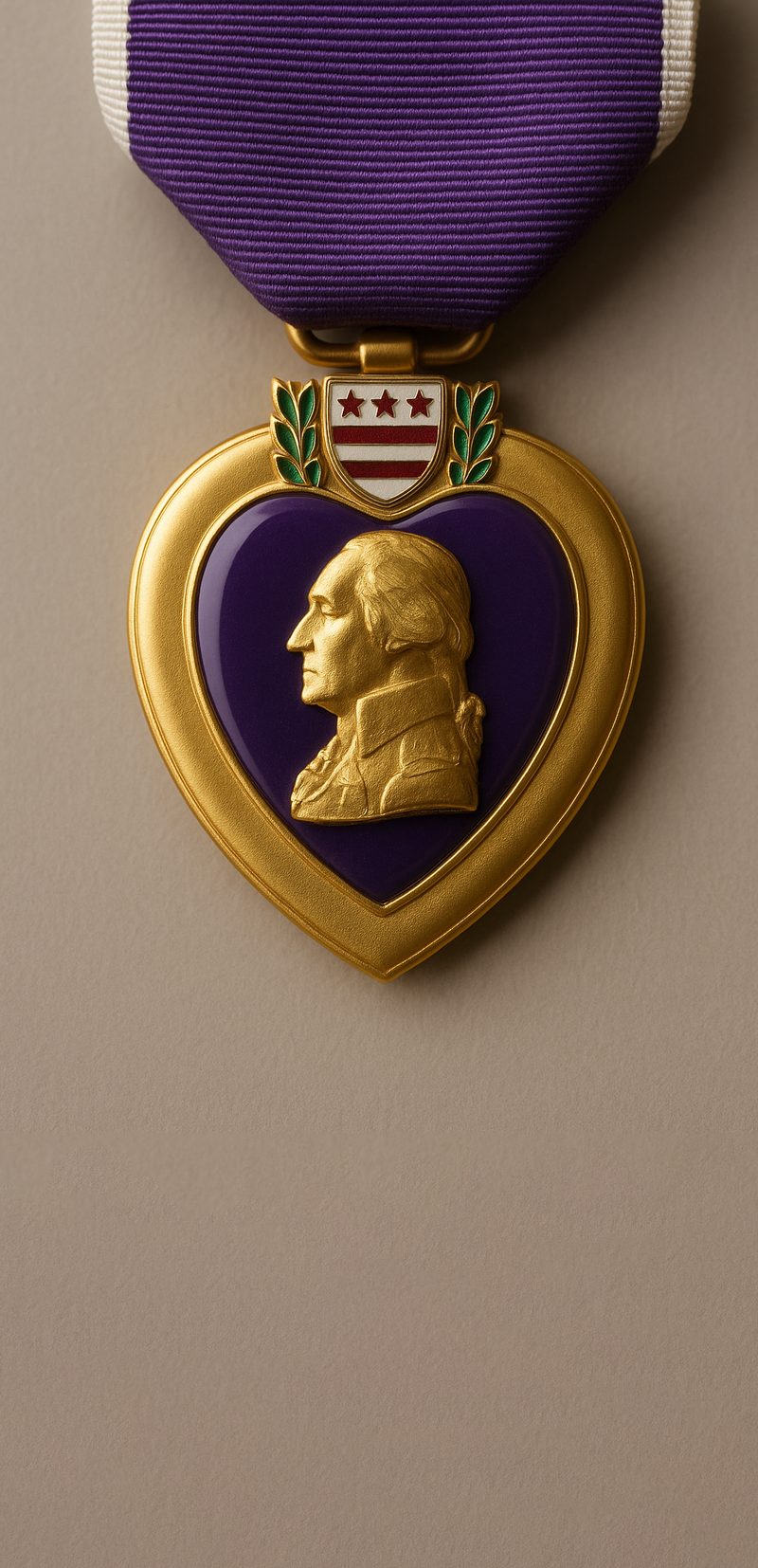
In 1782, near the end of the Revolutionary War, George Washington, as commander-in-chief of the Continental Army, awarded what he named the Badge of Military Merit to three of his officers. This simple purple ribbon became the forerunner of what became the Purple Heart. Over 150 years later, the medal was redesigned. The heart-shaped, one-and-three-eighths-inch brass alloy is purple and gold, bearing a profile of Washington on the front. “For Military Merit” is inscribed on the back.

For a limited period of time during the Second World War, The Purple Heart was awarded to those not only wounded in action but also those exemplifying meritorious service. When Congress established The Legion of Merit, however, President Franklin Roosevelt and the War Department determined that The Purple Heart medal would only be for members of “the US Armed Services who, while serving under competent authority after April 5, 1917, has been wounded [or] killed … in any action against an enemy of the United States.” Because The Purple Heart extends to any branch of the military, in World War II alone over one million individuals qualified for the award. In the foreign wars since, more than five hundred thousand more members of the military have been honored with the sacred medal – a fitting tribute for service under fire but one every soldier would prefer to avoid.

One of the more prominent individuals granted the award was John Fitzgerald Kennedy, who was in command of a PT-109 patrolling waters near the Solomon Islands in the Pacific Ocean. In the complete darkness of the early morning hours of August 2, 1942, a Japanese destroyer rammed the 80-foot vessel, slicing it in two and igniting its engines. Two of the 13 crew members were killed instantly. Many were severely burned. Lieutenant Kennedy suffered back injuries which plagued him for the rest of his life. As the pieces of the patrol boat sank, life jackets kept the 11 survivors afloat. Over the next five hours, the men were ultimately able to make their way to the shore of one of the remote islands. Kennedy was able to tow “Pappy” McMahon, the most seriously wounded, by clinching his teeth to a strap from McMahon’s vest and slowly swimming the three miles to land. A day later, Kennedy carved a message on a coconut, “11 alive, need a small boat,” and handed it to two of the natives of a nearby island. In a stroke of good fortune, the message made its way to a New Zealand infantry patrol, who soon came to the aid of the survivors. Sadly, the Purple Heart awarded John Kennedy for his injury was not to be the family’s last. A year later, his older brother Joe Kennedy, Jr., died when his Navy airplane exploded in a combat mission over Europe. To date, the only United States president to receive The Purple Heart is JFK.

Closer to home is the story of Tennessee’s James Oliver Cunningham of the USS Eagle 56, one of 60 patrol boats built by Henry Ford during World War I and designed to chase and destroy German submarines. Never placed in service during the Great War because of difficulties in maneuverability, only eight of these were utilized in the Second World War. On April 23, 1945, only 15 days before Victory in Europe Day, Eagle 56 was lost off the coast of Maine. Of the 62-man crew, only 13 survived. Cunningham did not make it. At a hearing before a Naval Board of Inquiry, five of the 13 survivors testified that they had seen a red and yellow emblem on the sail of an enemy submarine at the time of the explosion. Nevertheless, the Board classified the loss due to an explosion of a boiler. The Rear Admiral who reviewed the Board’s findings, later wrote, “at least equal evidence [tends] to support the conclusion that the explosion was that of a device outside the ship, the exact nature of which is undetermined. It might have been an enemy mine or an enemy torpedo.” Despite this observation, the admiral upheld the Board’s determination. In consequence, none of the sailors qualified for The Purple Heart.

Some 75 years later, the wreckage of Eagle 56 was discovered in frigid waters five miles off the coast of Maine. A civilian dive team featured in a recent Smithsonian Channel documentary made a video of the sunken vessel at its depth of approximately 300 feet. Its boilers were fully intact, confirming that was not the source of the explosion. Moreover, the release of a classified report more than a half-century after the wreck established that the Navy had information that German submarine U-853 had been operating outside of nearby Rhode Island during the spring of 1945 and, further, had sunk a bulk cargo ship shortly after the Eagle 56 disaster. The classified report indicated that on May 6, 1945, 13 days after the loss of Eagle 56, Navy and Coast Guard ships had found and destroyed the U-853 submarine. Its markings of a red horse and a yellow shield corroborated with the testimony of the five witnesses at the Board of Inquiry that had taken place so many years before. To its credit, the Naval Historical Center in 2001 had concluded the sinking of Eagle 56 was actually a combat loss. Purple Hearts were, therefore, awarded to the three survivors then living and the families of those, like Cunningham, who had either lost their lives in the explosion or had died before the re-classification.

In Morristown in August of 2019, Cunningham’s sister, Clara Cunningham Osborne, was honored in a ceremony conducted by then First Congressional District Representative Phil Roe, Mayor Gary Chesney, Jack and Mike Fishman of the Citizen Tribune, and other community leaders. Described as a “pillar of their community,” she accepted The Purple Heart tragically earned by her older brother. Osborne, only 11 years old at the time of her older brother’s death, recalled that upon his graduation from high school, he had fulfilled a lifetime dream by joining the Navy. She remembered that during his tenure of service, he sent money to his parents, who lived near Jackson, Tennessee, at the time, so that they could buy him a home there. During a short furlough from active duty and just prior to his death, James Oliver Cunningham was able to tour the home he would never be able to occupy. God only knows “what might have been” for all of those, like James, who gave their lives for The Purple Heart.

→  Swipe for Next Story
InsightsMAY JUNE 2020

Crazy Stuff

While bunkered down avoiding the COVID-19 virus and all human contact, I’ve had very little to do but think. Never have I been so isolated and my mind been so impotent. Then, I began to think of all the crazy stuff we have to put up with as we await the next life. I’ve been thinking about all the crazy rules, stupid reasoning, and crazy procedures that consume us. Better we laugh at stupidity than to suffer it.

For example, take our response to the COVID-19 virus. Obviously, we were late in planning and reacting to the threat of the virus. Late with testing products, masks, and ventilators, according to everyone but the White House. How smart was it to ignore the risks and disband the pandemic preparedness efforts of the National Security Council in 2018? By closing down the pandemic preparedness group, we not only lost all meaningful planning for a global virus threat, but we lost most experts working on saving our nation from a killer virus. You can’t shut down the fire department and run off all the firemen just because we haven’t had a big fire lately.

If lack of planning was not crazy enough, the White House tried to convince us the virus was not a real danger, was a political hoax, would disappear in April, and what a great job the President did in response. My favorite philosopher, John Prine, wrote a song about this type of approach: “If you know there will be hell to pay, put the truth on layaway.”

And then there’s my concern about my dog, Maggie. Her vet ordered a medication for her anxiety. Apparently, everyone around me develops some degree of anxiety, and Maggie is no exception. I went to our pharmacy drive-thru on the corner of health and happiness and the charge was $41. I asked the pharmacy lady to put it on my “Express Pay” (supported by my credit card), and she refused, explaining that Maggie would have to open her own account. “But she’s a dog,” I replied. I’m, of course, thinking dogs have no business accounts, no credit cards, no skills (unless you count bringing each visitor a toy animal), and no money. I explained I was Maggie’s only means of support, but the drugstore was definitely requiring her to open her own account. In the end, I paid cash and drove away thinking what a crazy world we live in.

A friend recently told me of a similar experience purchasing cat medication. The pharmacy required the cat’s date of birth.

Speaking of drugs, can someone explain to me why a doctor places me on a pill for life, then orders it for “no refills”? Worse yet, the doctor and his staff ignore both me and the drugstore when we ask for authorization to refill. I face this dilemma every 90 days and usually have to walk into the doctor’s office to demand a refill in person. It reminds me of the guy who threw the beer party and then locked all the bathroom doors.

I read where the Tennessee legislature is again considering making the Bible the official state book. The bill was rejected last year because it is obviously unconstitutional. This year, the bill’s sponsor stated he was not trying to draw attention to the importance of the Bible as the true word of God, but to honor its contribution to the economy of Tennessee. The sponsor argues that the Bible means a “multimillion-dollar industry” to our state. Just more crazy stuff out of our state legislature.

Did you know that when a jury decides in favor of a seriously injured person, the vote of the jury on damages is ignored if too high and the amount of damages is controlled by the state legislature that knows nothing about the case? This bill is brought to you by the same group that codified your right to eat road kill.

We recently moved to a new home that has all the newest high-tech features, including a tankless hot water system. My first shower was cold, and when I complained the plumber advised that the system has to “learn” about your bathing habits. Sure enough, after several tries there is now hot water if I bathe near the time the system expects. However, we have one bath that only produces cold showers no matter when the hot water is turned on. I guess you might say that our tankless system has a learning disability.

Lastly, how stupid is it to be forced to celebrate your birthday alone with your dog? Hold on everybody. Better days are ahead.

Coronavirus Blues

I’ve got those ole Coronavirus Blues

The only thing I hear is bad news

They say it may not be a living thing

But just a protein molecule turned insane.

I’ve washed my hands until they’re raw

And wear a mask that makes my glasses fog.

Quickly to the store on a shopping caper

Where in the hell is the toilet paper?

These are crazy times and it’s getting old

Now watching Lifetime movies, I’ve stooped so low.

There’s plenty of gas, but they won’t let me go

No work, no income and I’m running out of dough.

I’ve read everything within my reach

Including my old copy ofWar And Peace.

The sports page has no games to carry

So twice a day I read the obituaries.

No sports, no movies, only time to kill

Am I being prepared for a life in hell?

It’s hard to believe all we took for granted

Wouldn’t a Littonburger or Wright’s fried chicken be enchanted?

When will this all be over, there’s a lot at stake

Our doctors and nurses deserve a break

In the meantime, I may turn to booze

To try to get rid of these ole Coronavirus Blues.

—Bob Pryor

→  Swipe for Next Story
FeatureMAY JUNE 2020

Stallings’ Sweet Spot

n unassuming side street off Northshore Drive takes you over Sinking Creek into a small neighborhood. It has no name announcing its presence, and, for anyone who doesn’t live there, it is probably a street overlooked. If you happen down this quiet street, it won’t reveal much to you, as the houses are set far back from the road, concealed by trees and a mounding hill.

I’m the first to arrive at the suburban retreat where pro golfer Scott Stallings enjoys some family downtime when he’s not on the PGA circuit. The long driveway is so smooth and dark that you might mistake it on a moonlit night for a meandering stream. The driveway’s generous parking area to the right of the house accommodates guests, but it is also outfitted with a basketball hoop for fun times with the kids when no guests are here. The driveway continues past the house and passes “the barn” and the playground before reaching its turnaround at the three-car garage on the far side of the house.

Although this traditional Southern house screams “backdoor friends are best,” this is my first meeting with Scott and Jennifer Stallings, so I head for the front entrance. The white exterior is striking amidst the shaded, tree-filled lot. The style of the home is consistent with builder Chuck Atkins’ portfolio of homes. There is something so comfortable and familiar about his homes although they are uniquely crafted to the owners’ needs and lifestyle. This family-friendly farmhouse is no different.

The front porch is wide and deep in true Southern tradition. Its foundation is solidly planted in a natural brown brick topped with natural stone. The base is beautifully offset by wide white wooden siding. The inviting oak door with beveled glass is flanked by matching seating areas, each with two chairs and a table between them. From a seat on the porch, you might think you’re at a cabin in the woods far from city life, but Northshore Town Center with all the conveniences it has to offer is just five minutes down the road.

Both Scott and Jennifer grew up in the Knoxville area but, until about a year ago, they’d been living in Arizona. They purchased this piece of land about six years ago and were out of town through most of the building process.

“Leaving and seeing studs and coming back and seeing a finished product was a pretty cool process,” Scott said. “Chuck’s team and our architect, Jonathan Miller, were great to work with. They provided everything we asked for in our initial conversations. And a lot of people helped us out; Vicki Duncan was a huge advocate for us while we were gone, and she helped with the design process.”

As I knock on the door, I admire large lanterns in varying sizes next to a monogrammed welcome mat. Jennifer greets me with a friendly smile and bare feet, making me feel at home. I immediately notice the amount of light streaming from the back of the house all the way to the front where I stand. The ceilings are tall and the room is open. I can tell I’m in for a treat.

The kitchen is to the left of the front door. The white Shaker-style cabinets blend visually with the white shiplap walls of the living room on the right, which makes the space feel broad, sweeping and uninterrupted. The large kitchen island topped with quartz countertops has a grand feel. A row of industrial-style stools makes the kitchen feel like more of a social centerpiece than a utilitarian space. The stunning range hood in contrasting metal emphasizes that the kitchen is truly the focus of the house. It has plenty of space for family members to help with nightly meals. It also has a small room off the main kitchen that contains Scott’s bar, complete with a small sink that looks out over the side yard.

The long dining table occupies the open space between the kitchen island and the living room and is directly in line with the front door. The bench on one side of the table gives it a casual feel. The long centerpiece accentuates the linear feel of the table, which is echoed by the exposed wooden beams on the ceiling. The fireplace is fashioned from the same stone we saw on the porch. An L-shaped sectional of light oatmeal invites relaxation amid comfortable blue accent pillows and points towards a large flatscreen mounted above the fireplace.

There are large photo portraits on canvas of the two Stallings children that fill this space with love and laughter. The children’s living quarters upstairs can be reached by either of the mirrored stairwells on each side of the home. The stairwells have unique lateral iron railings, and the upstairs hallway’s three windows light the space and match up with each bedroom’s entrance on the opposite side. The girl’s bedroom is traditional pink, but with an understated tone-on-tone vertical stripe and a treehouse-themed bed that makes this little girl’s room anything but ordinary. Her room is complete with a walk-in closet and a bathroom that is outfitted with a small crystal chandelier. The boy’s room is identical in configuration but in a dark blue superhero theme. The upstairs also features a bonus room that the kids use for recreation.

The large master bedroom is on the main level past the stairwell. Plenty of windows maintain the open and light feel of the house. The en suite bathroom offers double sinks and rectangular mirrors. The shower is encased in frameless glass to optimize openness.

The home office is conveniently close to the master suite. The work surface is a wall-to-wall floating bar with expansive windows that allow a view of the activities on the playground out back.

The sliding glass doors on the backside of the living room open to a screened living area composed of two spaces: a child’s dining and crafts table with small aluminum industrial-style chairs and an adult seating area with cushioned outdoor furniture nestled around an outdoor fireplace with another flat screen TV mounted above the mantel. The dark blue cushions complement the blue accents of the main interior living room. The space is kept comfortable on cooler nights with a torch heater.

Scott loves cooking on his pellet grill just outside the screened porch. Not only can guests enjoy the scents of the feast to come, it keeps him close to his guests for uninterrupted conversations.

Scott’s favorite part of the house is his “barn.” This is where he works out and practices golf. His kids have a workout bench so they can spend quality time while learning from his healthy lifestyle. The walls are covered in reclaimed flooring that are printed with the motto he lives by:There are two things you can control every single day – your attitude and your effort.It was this mantra that carried him through a period of poor health about six years ago.

Scott had been diagnosed with acute adrenal fatigue and was struggling with his energy level. In the process of recovering, he changed both his diet and his fitness routine and ultimately found not only better health but an approach to all aspects of his life that he finds essential.

“A lot of things that we try to control we have no control over, but the attitude we have when we approach things – our jobs, our sports, our marriage, children—dictates the end results,” he said. “I tell myself that every single day, and it helps me deal with anything that comes my way—doctors’ visits, a tough diet, whatever it takes to make lasting changes.”

The thing that Scott loves most about his barn is the extra tall garage door that allows him the perfect opening for practicing his drives. Jennifer’s fear was that it was too close to the house. Scott assured her that if he ever hit the house he would quit pro golf. The depth of his lot provides more than ample room to assure no balls will fall on neighboring properties either.

The kids can also play on the playground while their dad practices his swing. The playground was designed and built by a friend of the family. Though it’s the first he had ever built, it’s been so successful that it’s not likely to be his last. The playground is carpeted in mulch made from recycled tires. Scott was pleased with this product, saying that it is soft for the children’s safety and yet stays in place and is relatively clean, even with heavy rainfall.

The expansive yard is another aspect to the home that Scott especially enjoys. “I love the space we have. I love to see the kids running around being kids.”

As they settle back into life in East Tennessee, they are looking for ways to help the community. Scott is involved in helping encourage junior golfers, they’ve worked on projects with Second Harvest Food Bank, and they’re in the process of setting up a family foundation to use to support the community.

“I love where we live, I love the town where we live, and hopefully someday people will be able to say we left it a little better for having been here.”

→  Swipe for Next Story
FeatureMAY JUNE 2020

Today’s Kitchens

o lots of families, the room that embodies ‘home’ is the kitchen. Some of their fondest memories are made in this room. Discovering new foods and flavors, cooking with loved ones, inhaling the scent of fresh-baked goods, enjoying fine spirits with friends—the possibilities of joyful memories that a kitchen can add to your life are endless. So it’s important that one of the rooms you live the most life in is one you enjoy. We asked industry experts about top trends in kitchen remodel projects today.

Flooring and Tilework

What better way to start a home remodeling project than from the ground up? Chris Stephens of Cella Flooring & Design shared his thoughts about current trends in kitchen flooring and backsplash tile.

One huge trend that Stephens emphasized was the move away from tile for flooring in kitchens. A lot of homeowners are opting for hardwood instead.

“I think the biggest reasoning for that is the popularity for more open concept design,” says Stephens. “Whatever’s in the common area tends to flow into the kitchen.”

Stephens also added that luxury vinyl plank and tile has improved in quality and decreased in price. Rather than paying for floors made out of actual hardwood or real tile, you can purchase vinyl options that look like the real thing for a fraction of the cost.

Tile backsplashes are more than just a trend. It’s a timeless feature that isn’t going anywhere. Attribute it to Joanna Gaines and her modern farmhouse motif, but homeowners have fallen in love with handcrafted subway tiles. Traditional subway tiles are 3×6 in. but these more unique options often run wider and taller.

If subway tiles aren’t your thing, natural stone is an option that will never go away. Elaborate statement designs for features above a range or sink haven’t faded from popularity either.

Cabinets

Cabinets can make or break a kitchen’s design. Dick Coffey of Dixie Kitchen Distributors said that one of the biggest trends they’ve seen are homeowners choosing to paint their cabinets rather than stain them.

“Eighty percent of the kitchens we sell have painted cabinets now,” says Coffey. Homeowners are opting for a craftsman style: very clean lines, recessed panels, and “all different colors of paint.” Coffey says the popular color choices for the last couple of years have all been greys. White cabinets also continue to be popular.

Another big trend is replacing cabinets with deep drawers. “Every single kitchen we do has the deep drawers, and even medium-priced drawers have the soft-close feature,” he said. “We also see some customers choosing to do without overhead cabinets, or glass doors on wall cabinets. Some, especially those with Craftsman-style houses, opt for floating shelves on the walls rather than cabinets.” Under-counter lighting and lights inside cabinets with glass doors are popular as well.

Coffey emphasizes that Dixie Kitchen can give a custom look to any kitchen, cutting cabinets in any price range to size, adding feet to them or legs to islands. “People bring us pictures of kitchens out of magazines, and generally those are very expensive kitchens. We can give them that look at a price they can afford,” he said.

Countertops

Oscar Fowler at Rocky Tops Marble & Granite agrees that today’s trends in countertops align with trends in cabinets and tilework. Homeowners are looking for minimalistic options. Neutral balanced colors and simple patterns reign supreme. “For those customers being budget friendly, granite with white, gray and hints of brown are working well,” says Fowler, “Quartz with whites and grays are working for those who know what they want and are willing to spend a little more.”

Waterfall edges are popular with some homeowners. It is a seamless countertop edge that extends the countertop material down the side of cabinetry to the floor. It adds a modern, luxurious touch to a kitchen’s design.

Make sure that no matter what countertops you choose, they’re fabricated and installed by professionals who can continue to service your countertops after installation is complete, he advised.

Appliances

The last pieces to the puzzle of a kitchen remodel project are often the appliances. Mark Patterson of Patterson’s Home Appliances has seen several large trends increase in popularity over the last couple of years.

Smart appliances have only grown more and more popular over the last couple of years. Now you can tell your oven to start preheating as you’re leaving work for the day. Refrigerators can send you a photo of what’s inside them while you’re out grocery shopping.

Patterson also is beginning to see colorful appliances hit the market. “They’re starting to catch on as an accent piece.” Also big are custom range hoods in colors, hammered metal or featuring gold accents.

Induction cooktops are big; Patterson says they are quicker, safer and more effiicient than gas. He’s also seeing interest in pro ranges pick up. Pro ranges are wider than traditional 30-inch ranges and have the industrial feel of Wolf or Thermador ranges.

A huge trend that’s worth the investment is built-in appliances. While it’s a higher-end option for your kitchen remodel, the appliances themselves hold their value a lot longer. Patterson recommends American-made products in general, simply because they tend to be longer-lasting.

Project Coordination

As you might imagine, with all of the above elements to consider, kitchen remodels are complicated projects that involve a lot of coordination.

Ron Bills with Providence Builders of Tennessee has seen his fair share of home remodel projects, and he was able to share some important factors to keep in mind. You want to take into consideration why you’re remodeling. Is it to create your dream kitchen on your dream property? Or to increase the value of your home before putting it on the market? The answer to those questions could heavily influence the design decisions you make.

Bills says that one of the biggest reasons he sees for homeowners launching a kitchen remodel project is the desire for a modern, open-concept kitchen in an older home. According to Bills, one of the best decisions in these situations is “to truly gut the kitchen and start over.” This allows you to create a space that works long-term.

Hiring a contractor to make sure all of the elements work together is key. From the design process to plugging in the last appliance, every part of a kitchen remodel is about doing things in the right order for a high-quality kitchen you can enjoy for years to come.

Your Dream Kitchen

Making choices about backsplash designs and built-in appliances can be big and scary, but with guidance from professionals, a kitchen remodel project can truly transform the heart of your home and increase your home’s value for generations to come.

Cella Flooring & Designis a premier flooring source for the Knoxville area. They provide high-quality design and installation services, including hardwood, carpet, stone and tile flooring. For more information, please visit their website atcellaflooring.com.

Dixie Kitchen Distributorshas been a pillar in the Knoxville community since 1966. They offer cabinet options and packages to fit any budget. For more information, please visitdixiekitchen.com.

Rocky Tops Marble & Graniteprovides superb customer service and over 400 different natural stone selections in over 100 different colors. No matter what you’re looking for in a countertop, they can help you find it. For more information, please visitrockytopsmg.com.

Patterson’s Home Applianceshas served the Knoxville area since 1965. They’re proud to only sell and install appliances manufactured in the USA and will work with you to find the option that best fits your needs, budget, and lifestyle. For more information, please visitpattersonsappliances.com.

Providence Builders of Tennesseetakes pride in the process of building. Their top goal is always to work closely with their clients from concept to finished dream home. For more information, please visitprovidence-tennessee.com.

→  Swipe for Next Story
BusinessMAY JUNE 2020

Hooked on ‘Ponics

The weather is always perfect here, 68 degrees. Pristine plants flourish all year long in crisp, refreshing air. Even the water tastes better here. It’s a piece of heaven carved into a hilltop in Lenoir City.

Whoever wrote “Corn won’t grow at all on Rocky Top” obviously never met Ryan Cox. “We can grow 600 types of crops,” he says. Right now, corn isn’t one of them, but there are plenty of other fruits and vegetables growing here, along with several species of fish that thrive in an aquaponic paradise he calls HATponics.

“HAT” stands for “Hydro-Aqua-Terra.” A combination of fish, water, soil and plants creates a containable, self-sustaining environment. The symbiotic relationship of fish and plants differentiates hydroponics from “aquaponics” because it eliminates the need for additives required in water alone. They foster the natural processes that occur in every lake, stream and river, cultivating an ecosystem that reduces the impact on global resources and provides clean, nutritious food in a seemingly unlimited supply.

From this picturesque hilltop that was once weed-filled and eroded, Cox orchestrates a global business that provides nourishment on five continents and in 22 countries. HATponics was recognized in 2013 as one of the Tennessee Ten, the top ten businesses picked from the state’s accelerator programs as the most promising new ventures. HATponics moved from Chattanooga to Lenoir City in 2018, relocating scientists, engineers, equipment, fish, dogs, and a rescued calico cat from a trip to Jamaica.

How was the seed of this ambitious idea planted? “Inspiration comes from the strangest places, and you’re never really ready for it,” he said. A serial entrepreneur with several business ventures under his belt, he watched the movieBeyond Bordersand wanted to contribute to the world’s humanitarian efforts. He set out to invent the first portable, aquaponic system so he could deliver farms to people instead of delivering beans and rice that might be pillaged or would run out. With a sustainable fish and vegetable farm, the supply would become endless. He’s dropped “HATs,” the portable farms, into areas of need from inner cities to outer regions of the world. The idea of the company is to be able to respond quickly and use existing resources. That’s how you become the mecca for a new manna.

He often partners with churches, schools, and nonprofits to fund, develop and maintain programs and send students near and abroad to help others in dire need. Their work becomes part of a bigger picture of balance, relationships, and synergy between plants and fish, communities and schools, people and planet.

The COVID-19 pandemic interrupted his efforts but also created an immediate local need. HATponics was able to pivot its business resources within 48 hours, shifting its focus to help fill the void in local food distribution through an online virtual farmer’s market that provides a fresh food resource and connects local growers to consumers. HATfresh.shop features many of the favorites of Nourish Knoxville’s farmers markets for pickup or delivery.

Along the way, he has turned to teenagers, both interns and volunteers, to provide creative ideas to his team. “Why not look to the children for answers? Children are better dreamers. Plus, it’s the problem of the future generation to address a growing population with depleted or polluted resources. What they learn and gain from being part of the solution gives them the confidence that they can change the world.”

He describes his product as “more organic than organic.” His produce requires no additives, pesticides, or added fertilizer. As for the fish, they are certified by Cleanfish and sustained in clean water that is full of the natural nutrients that are part of the system. Pests don’t have to be controlled. Minnows, ladybugs and beneficial bacteria do that. The water is heavily oxygenated, which makes the air seem better on the Lenoir City hilltop.

As Cleanfish defines its certification, “Upstream is where every CleanFish begins. It starts with a person and an idea. It starts with the brave choice to walk a different path, to turn away from how things are to how things should be.” That’s a good definition of Ryan Cox and HATponics.

The HATponics headquarters delivers 6,000 pieces of produce a week and cultivates 16,000 fish. Each plant and fish has a destination. The fish may restock streams and rivers or go to conservationists who are repopulating endangered or overfished species.

All the rainy weather in our region is good for business. It means Cox won’t tap into ground water for at least a year. The 16,000-gallon reservoir is full, keeping 300,000 gallons of water in constant motion.

It is, in part, all the water that helps to hold the temperature to a perfect 68 degrees. The solar panels are digitally controlled. It’s all monitored in the Cloud. Cox can gauge the conditions of all fish, plants, water, temperature and air for HATs around the world, ranging in size from that of a kitchen counter to a football field.

Although the primary focus is on local and world hunger, it takes resources to monetize that huge effort. In the world after COVID-19, HATponics can resume its efforts to cultivate test beds for tailor-made ingredients for restaurants and invite the world to come for “glamping” in glamorous campsites. In experimental testbeds and on the hillside, more exotic offerings are being cultivated. Thousands of berries and fruit trees will burst into bloom on the terraced hillside, richly nourished with filtered fertilizer from the fish tanks inside.

Running a global effort calls upon Cox’s background in international relations, business, and growing up in an agriculture family, though he swore he would never go into farming himself. It also helps that he speaks six languages fluently. But, he says the universal language is math. “Aquaponics is a math problem.” It’s a balancing act of fish body weight and plant requirements. The ultimate equation is to make it possible for water and power needs to equal zero.

During its first year in Lenoir City, HATponics transformed a craggy mountaintop into paradise operating at full capacity and coordinated HAT farms that help feed 7 million people. With an increasing demand for HAT and sustainable farming facilities, an engineering division was opened to complete $1 million in construction projects for communities, businesses, and residential clients. They fed hungry manatees that ate 200 pounds a day at a rescue program in Seaworld, developed exotic ingredients for the restaurant industry, hosted international guests who were taking their ideas to help nonprofits abroad and set up the first commercial HAT farm in the Dominican Republic. Cox’s goal, he said, is to feed 30 million people by 2030.

“I found my soul in this…. I found my soul by helping a father feed his 8-year-old daughter who could not eat most store-bought food.” The girl visited with her parents during a home-school tour. She was sensitive to many additives, fertilizers, chemicals. Her father came to him in tears to help find a way to feed his child. They established their own aquaponic food system at home. “If I can keep their daughter from going to the ER once a month, it’s worthwhile.” He’s also helped cancer patients who needed safer, cleaner food during the COVID-19 crisis. The food is grown in a controlled environment and harvested by only two people. Fewer hands, fewer risks.

The food nourishes the body and it grows the minds of children who help solve the problem of world hunger. For Cox, HATponics nourishes his soul.

→  Swipe for Next Story
VeteranMAY JUNE 2020

A Veteran’s Heart

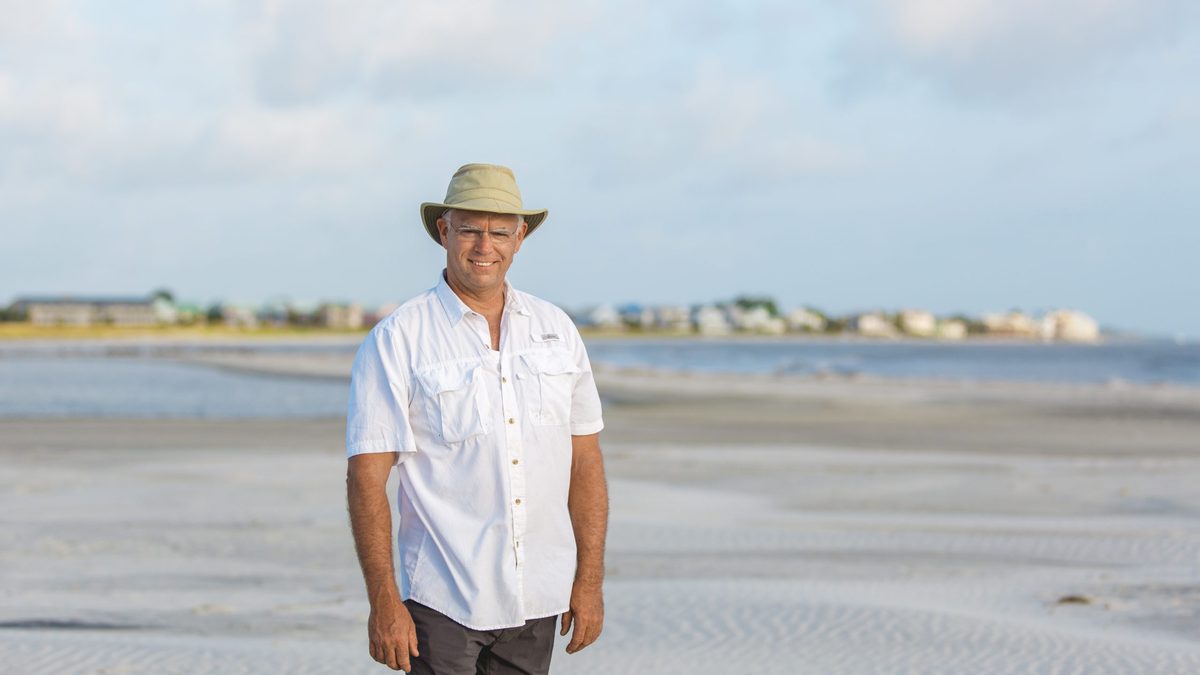
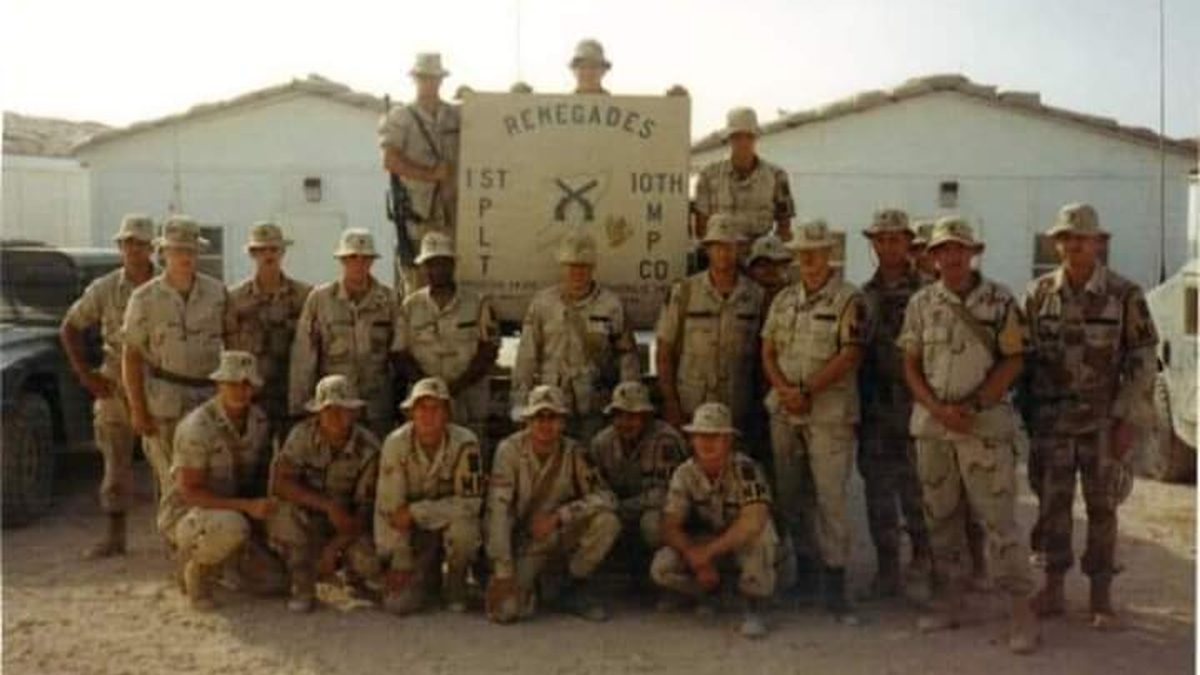
Jason Bush’s enlistment started in a familiar way. At the end of high school, he did not want to attend college, nor did his family have the means to send him. Instead, Jason reached out to the Marines and the Army to find out what each branch of the military would be able to offer him and ultimately enlisted in the Army. And so, in October of 1992, he left for basic training and Military Police School at Fort McClellan in Alabama. From there, he was stationed at Fort Drum in New York where a world of uncertainty waited for him.

Upon Bush’s arrival in Fort Drum in the spring of 1993, his unit, the 10th Mountain Division, wasn’t doing much in the way of typical military work. “We literally broke ice on sidewalks” for two weeks. He adds, “to top it off, it was just after the Blizzard of ‘93.” The unglamorous work provided little pretext of what was soon to come.

Meanwhile in Somalia, unrest and violence were becoming more and more commonplace as the country’s civil war reached high intensity. The United States forces were undertaking an operation called Operation Gothic Serpent, one of the main purposes of which was to capture Mohamed Farrah Aidid, the leader of the political group the Somali National Alliance. Just months after signing a disarmament agreement, Aidid’s forces killed 24 Pakistani soldiers, leading to more unrest in Mogadishu and a United Nations resolution calling for the arrest and trials of those involved in the massacre.

In October 1993, Bush’s platoon was on an MK-19 range when his battalion commander called them over and informed them they were being deployed to Mogadishu, Somalia. That same day “when we arrived at the barracks, we turned on CNN in time to see American soldiers being dragged through the streets of Mogadishu,” he recalls. Just over a week later, he was on his way there.

“Upon arrival in ‘the Mog’ we came off the plane ‘hot’, meaning the guns were mounted on our trucks and we were ready for anything,” he remembers. “During the next several months, my platoon was involved in several hostile situations. Quite a few come to mind, but I only really talk about a couple.”

In sudden breakouts of violence “I guess the initial reaction would be shock,” Jason says. “But then your training kicks in and you just react. We had three team members per vehicle — driver, gunner and team leader. Each had a specific role in any situation,” giving each team member room for some type of survival-mode clarity.

The Battle of Mogadishu, which inspired the book and filmBlack Hawk Down, became one of the most infamous battles of the Somali Civil War, with casualties and carnage the likes of which had not been seen in any American conflict since the Vietnam War. Its fallout led to even more devastation and unspeakable atrocities in the area, much of which Jason had to witness firsthand. “It included receiving sniper fire, ambushes and riots,” until, finally, he was sent back to the United States at the end of the conflict some six months later.

The excitement, so to speak, did not stop there. In September 1994, Bush’s entire platoon was again given orders to deploy, this time to Port-au-Prince, Haiti. There they “were in a few hostile situations,” he says, “but nothing like Mogadishu.” Instead, his platoon did crowd control to prevent riots and patrolled the mountains. He was later recalled to Fort Drum where he completed the rest of his military service doing regular Military Police duties, like patrolling the base and training for future deployments, ultimately leaving the Army in September of 1997.

Upon his return to civilian life, Jason got involved in announcing the women’s semi-pro football team, the Knoxville Lightning. “That led to announcing for the East Tennessee Lightning men’s team, which led to ownership of the East Tennessee Bombers,” another semi-pro football team. During his experience within the sports community, he made several important contacts, one of which was Mike Goins. “[Goins] was going to play football for us, but decided to pursue other ventures.”

One of these other ventures was independent wrestling promotion. “Mike contacted me because he was familiar with my business management with the Bombers. He asked that I join him as an owner of the wrestling promotion enterprise. We discussed things and Xtreme Mountain Wrestling Alliance was born.”

XMWA has since become popular in the region, having many well-attended events throughout the year. “It’s really just a hobby,” Jason concedes, “but it’s fun and the fans enjoy it so we continue to do it.” Its popularity is quite apparent when attending the events and watching the videos online. The raucous environment rivals that of large arena wrestling events, although the crowds at XMWA events are perhaps even more involved. The events also give back to the community, with the group hosting a benefit match to raise money for a child who had recently had a heart transplant.

The hard work he has put into his civilian life doesn’t end there. Jason has taken his ability to bring people together and used it to take care of something from his past. His own experiences with war and the toll it takes on a person, coupled with the lack of resources for some veterans, led him to create A Veteran’s Heart, an organization he started with the goal of helping troops that have returned from war.

“It started because I wanted to help veterans suffering from PTSD, anxiety, depression,” he says, almost out of a sense of duty. And Bush says the goal of A Veteran’s Heart is “to eventually become a nonprofit,” but this distinction doesn’t seem to matter too much to him. Instead, he sets his sights on the bottom line — helping veterans, saying “In reality I just want veterans to know that there is someone to talk to, a place to keep up with statistics and see some humor after the hell we went through.”

And so, on the 22nd of every month, Jason and an ever-evolving group of veterans meet up and have a place to relate to one another. “We just hang out and chat, drink coffee and eat donuts. It’s growing and I love it.” They share stories and talk about the things they have seen and had to do, but the group also provides some normalcy for these men. The Veteran’s Heart Facebook page is full of humor about deployment life and discussions on how much better we could and should be treating veterans. Jason has given them an environment of understanding. Some things you just have to experience to get.

You can tell it means a lot to him to give back to the same people he fought alongside, or his predecessors and successors of wars before and after him. Its expanding reach is undeniably an earned point of pride. None of his fellow soldiers from the days in Mogadishu or Port-au-Prince have dropped in yet, “but nothing has surprised me,” he says.

But if one of them did walk in, it’s safe to say he would find a place of acceptance, fun and help — or, at the very least, a feeling of community and camaraderie reminiscent of their military days.

Reading settings

Changes apply to this page only unless remembered.