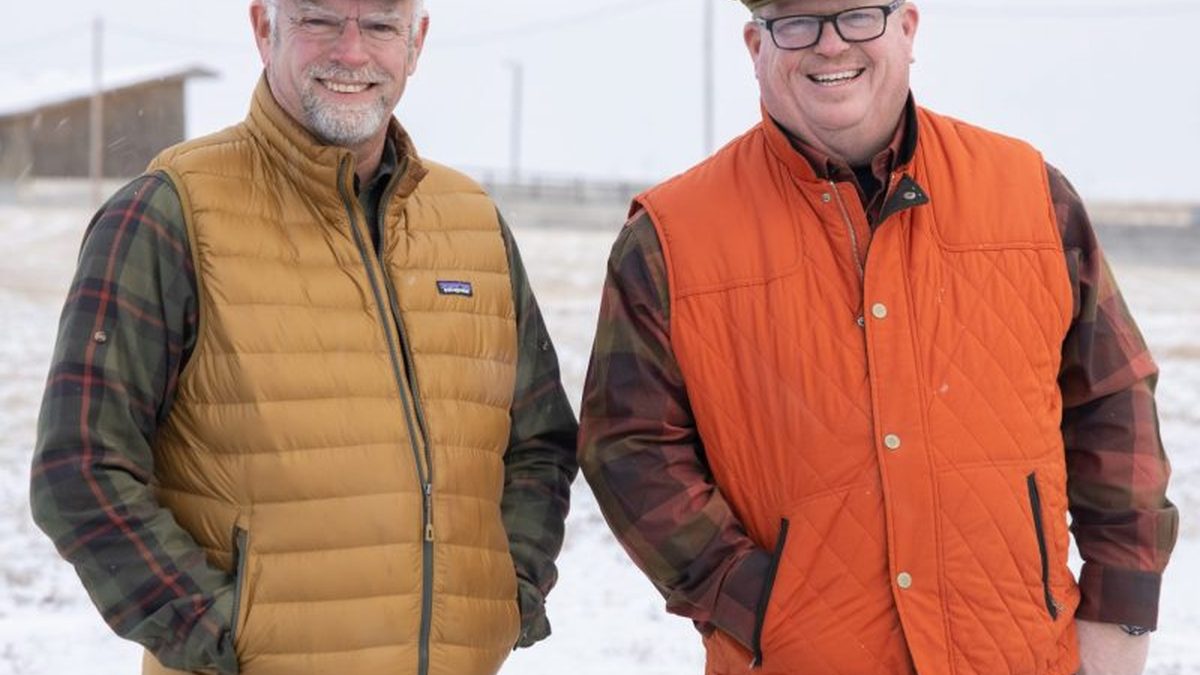
Everyone loves food. Some of us just seem to love it more than others. And that especially applies to certain types of foods. Growing up, I loved mac and cheese; to me it’s just one of those classics. So, when Sean Finley brought out appetizers during my duck hunting trip and announced that one of them was fried mac and cheese balls, well he had my attention. I honestly knew better than to put one on my plate, much less take a bite. Like a drug, it was an instant addiction. But isn’t that what great chefs do? They create these wonderfully addictive taste creations that you just must come back for again and again. So, I will credit Sean with getting me inspired for the upcoming food issue.
With COVID-19 and the changes that came along with it, there have been less opportunities to sample the creations of our local food geniuses. And last year, the pandemic caused the cancellation of our annual Top Chefs event, a real bummer for everyone. So, as I sat there marveling at Sean Finley’s creations, I was thinking about this year’s food issue. Was there any way we could hold the Top Chefs event and keep everyone safe?
And then it hit me. If we couldn’t bring people together to experience the chefs, why not send the people to them?
All of the restaurants are doing everything they can to keep patrons safe, and they all want to compete for the title ofCityview’s Top Chef. So I decided, why not. And after a meeting with the staff and a few calls to chef friends, it was decided: while we wait for the dreaded COVID-19 to leave, we would hold this year’s event in the restaurants. Each chef will design their entrée and dessert entry and offer it to patrons as a special. Those who choose to try it will be able to vote and rate how they think the chef performed. You can expect to see each of the entries in advance of the publication this year. They will be online and on social media. Everyone who participates will be entered to win dinner for two at the winning chef’s restaurant.
We hope you will all get out and visit the participating chefs to see just what they are cooking up this year!
Bon Appetit.
→ Swipe for Next Story
Arts & CultureMARCH APRIL 2021
A Colorful World
Story by Susan Alexander
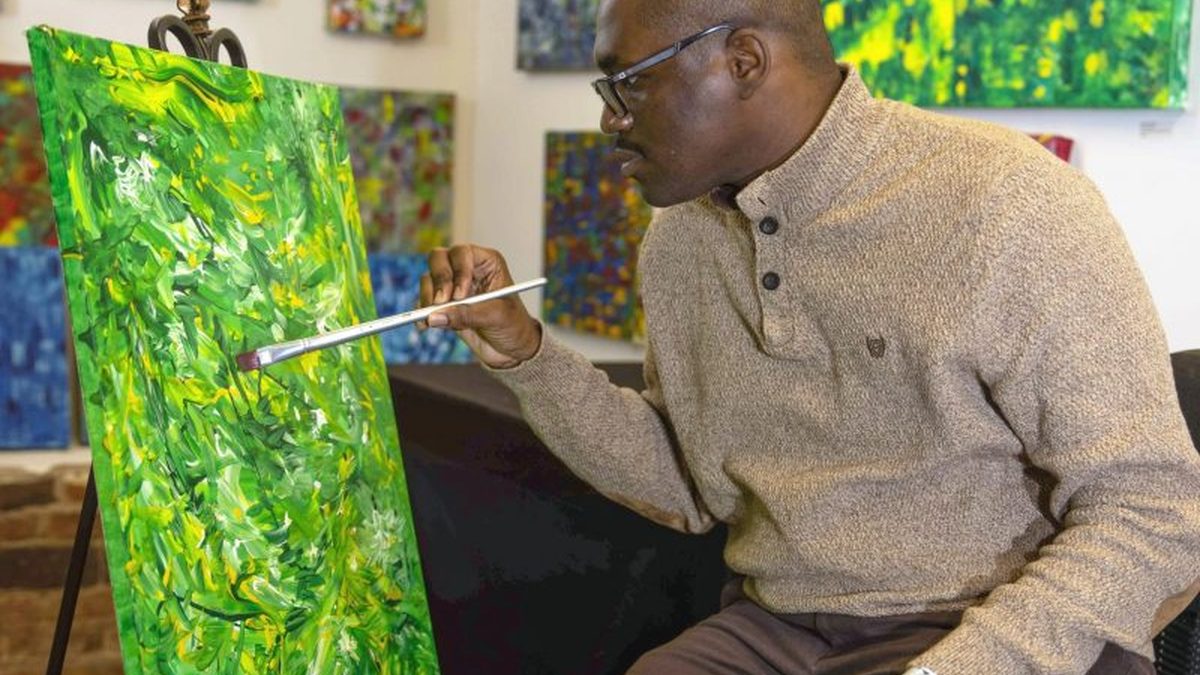
Derrick Freeman’s influence as an artist radiates from the studio he maintains on the lower level of the Emporium Center downtown. Freeman, 30, has autism and has been expressing himself from a very young age through his vivid abstract paintings. From his studio and on his website,derrickfreemansart.com, Freeman sells original art, prints, notecards, bookmarks and, most recently, scarves, created through a partnership with Geneva Galleries Inc. His work is also available at the gift shop in the Knoxville Museum of Art.
From the fall of 2019 until this past September, 16 pieces of his work were on exhibit at the Sensory Arts Pavilion within the Els Center for Excellence campus in Jupiter, Florida. Founded by pro golfer Ernie Els, the foundation offers resources and programs that are leading examples of what can be available to people with autism spectrum disorder.
Freeman’s art also inspired his mom, Angela Freeman-Hunter, to create a nonprofit called Our Place Art Organization. Freeman-Hunter, who works in the special education department at Powell High School, created Our Place to enrich the lives of people with disabilities through the arts. Before COVID-19, it offered camps and workshops to explore creative disciplines, including art, music, dance and gardening. Recently, some of their programming has been presented online.
The youngest of three children, Freeman was an active, talkative baby until he was 2, when he was diagnosed with autism. Within a year, art became his preferred form of communication. As a teen and adult, his work has been exhibited around Knoxville and the state. He’s had a solo exhibit at the McMinn County Living Heritage Museum in 2010 and at Lipscomb University in 2012; in 2015 his work was included in the Community Partner Art Exhibition at the Frist Center for the Visual Arts in Nashville.
Freeman says his paintings and the bright colors he favors make him happy. Though the bulk of his work is abstract, he has also created many of his own versions of the Mona Lisa, which he finds inspiring. When he’s not painting, he works at the Arby’s restaurant on Papermill and volunteers at The Muse.
→ Swipe for Next Story
DepartmentsMARCH APRIL 2021
Serendipity & Success
Story by Susan Alexander
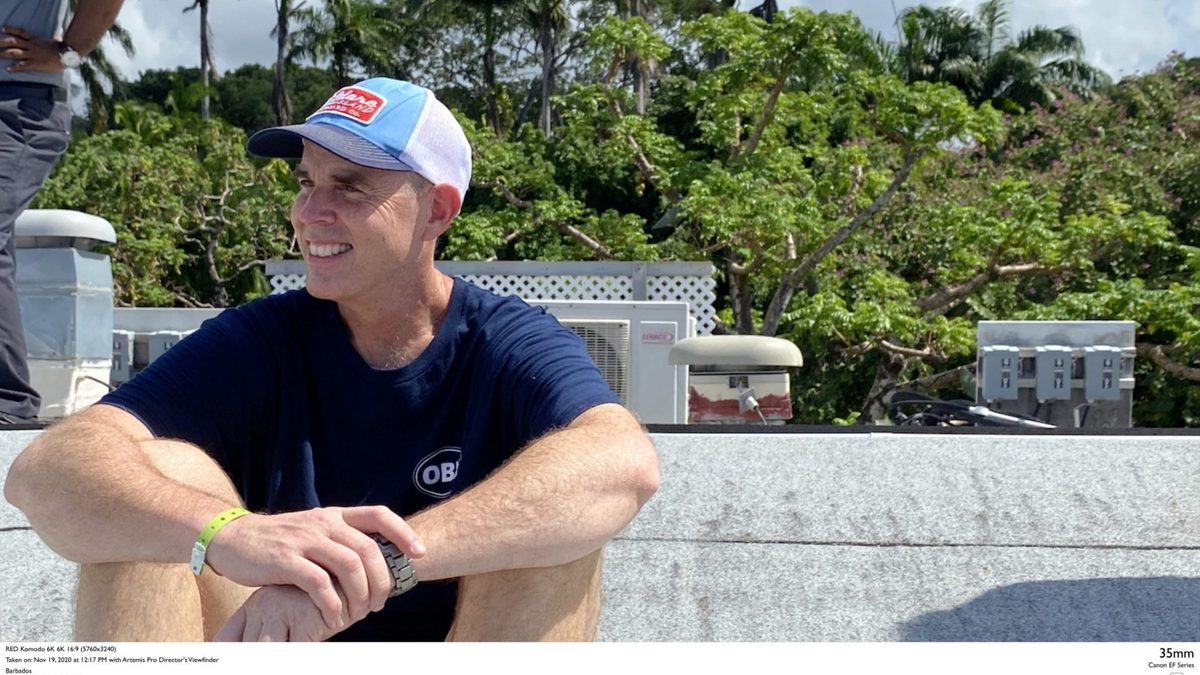
Knoxville writer Shannon Burke is busy working on the pilot for his second show for Netflix.
With four novels under his belt and a successful first season of the Netflix seriesOuter Banks, Burke is busy finishing the pilot episode of another possible series,Blue Ridge. He and co-writer Josh Pate have also completed the second season ofOuter Banks, and with luck, it will air by the summer.
His success never ceases to surprise him, he says. An English major who graduated from the University of North Carolina at Chapel Hill, he was a writer plugging away at his fiction while also working as a medic in New York City when a Hollywood director, through a mutual friend, came upon an unpublished copy of Burke’s first novelSafelight. “He called me up and wanted to produce it and asked me to come to L.A. to work on the script. It was the first job I had as a writer, and then the book got published, and since then I’ve kept publishing fiction.
“I almost can’t believe it worked,” he says. “It was sort of a lark, then one thing led to another.”
He moved to Knoxville in 2001 to be with his two boys when his ex-wife accepted a teaching position at UT. But it was the Tarheel connection that later led to his Netflix series.
“I knew Josh Pate through a mutual friend, and he was also a UNC grad. In 2017, when Carolina won the NCAA national championship, we connected during the playoffs. Josh had readSavage Country(another of Burke’s novels) and suggested we do something together, so we started kicking around ideas. And they evolved intoOuter Banks. It’s a teen mystery series, and it involves kids who are without power after a hurricane, and later a treasure hunt. We pitched it to six places and got two offers and ended up going with Netflix. They order a pilot episode, and if they like it, they order the series.” Netflix did, and Burke and Pate went to work.
Outer Bankswas filmed on the docks and in shacks in the Low Country marshes around Charleston, South Carolina, and Burke and his boys were on hand for the filming. His sons were extras in a few scenes and, being in the demographic the show is aimed toward, sometimes critiqued early cuts.
“It was a real hit, which is very satisfying and a little bewildering. It sort of doesn’t seem real,” Burke says. In fact,Outer Bankswon a People’s Choice Award for Bingeworthy Show last year for its first season.
“People are always asking me how to make it in this business, and my own career seems so unplanned, I don’t know how it happened,” Burke says. “There’s no magic way to break in. Just keep writing and get confident in your craft. And bit by bit, things start happening.”
→ Swipe for Next Story
MusicMARCH APRIL 2021
Fear Not
Story by Chris Blue
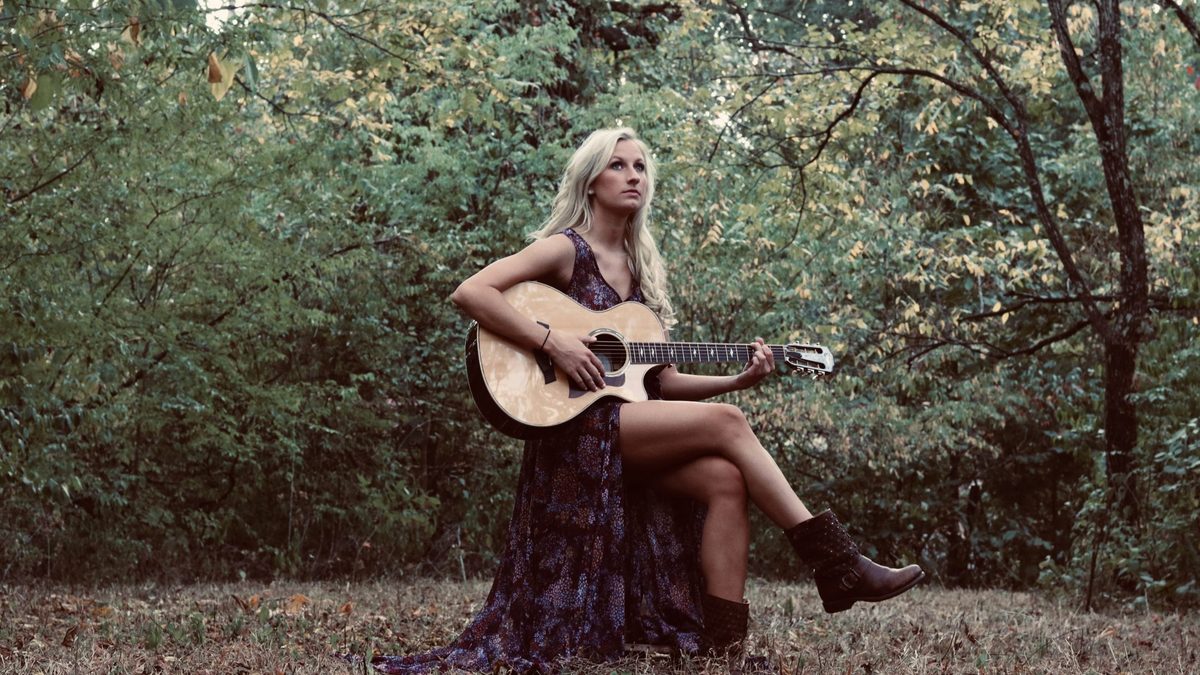
Singer-songwriter Chelsea Berry has always kept faith, family and country music close to her heart. This Maryville, Tennessee, native grew up singing in her church choir, but never imagined embracing the bright lights of stardom. However, that all changed when a Sunday church solo left everyone in tears. Now, this 30-year-old couldn’t imagine her life without country music at the helm.
Chris Blue: Have you always been interested in music?
Chelsea Berry: I grew up around music. When I was a baby, my mom would come up to my room and there my dad and I were, just listening to music. As I got older, my dad would take me to bluegrass festivals. In my older years, I never wanted to sing in front of people, but it wasn’t until my music director, Wesley Brown, said, ‘Chelsea, you’re going to sing a song this Sunday,’ that I thought, okay maybe I can get used to this.
It’s safe to say your dad, your choir director, God inspired you to jump all the way in. What artists would you say inspire you now?
I grew up around bluegrass. I remember listening to Ricky Scott, Alison Krauss, and John Denver. My dad would play those records, and I knew every word to every single one of the songs. Being from East Tennessee, Dolly Parton. And currently, Carrie Underwood. She kind of taught me how to sing. I would listen to her voice and say, ‘I want to sing like this.’
And how would you describe your sound?
I just got into the studio last year and recorded my first EP with Travis Wyrick, who produced it. When I first started writing that summer, I knew that I wanted to write music that told a story; that’s country music. I knew I wanted those country elements because it’s where I’m from. It’s what my voice tends to go to.
What is your goal as a country music artist?
The Grand Ole Opry. If I get to that point and sing on that stage, what a dream come true. The next step is getting to Nashville, singing at The Listening Room, Whiskey Jam, The Bluebird Cafe. As a country artist, those are places that stick out. I also want to start co-writing, to get better as a songwriter and expand my creative process.
And if you could collaborate with one artist in 2021?
Dolly Parton. She’s just legendary. I want to be the kind of artist she is. I have a lot of energy, and I want to bring that to my shows.
What are your favorite and least favorite parts about being an artist?
Singing is my number one love. My favorite part is when people come up to me afterward and say, ‘That song really touched me,’ or ‘Did you write that?’ or ‘Where can I buy that?’ Those kinds of things mean a lot. I’m still getting used to the late nights, so what’s going to be hard once I start doing a lot of shows is just keeping my voice healthy.
What’s the best advice you’ve received so far?
When I was in the studio,Travis always said to me, ‘Fear not,’ because for me fear was one of the things that stopped me from pursuing things. Once I realized God had given me something, I just had to get over that because God was going to help me through it. Now when I start to get timid about something, I remind myself to not let fear get in the way of my dreams.
And what advice would you give to the next generation?
Persevere and don’t give up. Some things have happened for me this past year because I didn’t give up, I kept reaching out to people. If you really want it, if you really want to pursue your dream, whether it’s singing, acting, teaching, whatever, don’t give up.
Very positive and very true. So tell us what’s next for Chelsea Berry.
I think that I’d like to get back into the studio. I’ve had the opportunity to write more music and grow as a writer, and I’d like to record some of those songs. And going to Nashville, performing and promoting my music. You know how this industry is; it’s just people. One door opens another. I feel like I’ve been very blessed to have so many people that want to help me. That’s what’s so humbling about it. You can’t do it on your own; you have to have people who believe in you.
If you could say anything to those people who have believed in you from day one, what would it be?
Thank you for having faith in me and my music and encouraging me to chase this dream. There are days that I think, I don’t know if I can do this. But really it’s those stable people in my life that keep me going and remind me why I’m doing what I’m doing.
→ Swipe for Next Story
PoliticsMARCH APRIL 2021
Wordcrime & Punishment
Story by George Korda
The widespread pursuit of finding those guilty of past thought or deed transgression is ever present in modern society. Part of the “cancel culture” wars, this theme saw the University of Tennessee make national and international news shortly before 2021’s start. This notice came not through groundbreaking scientific achievements, remarkable research accomplishments, or even paying football coaches or athletic directors to not coach or direct athletics. Instead, it resulted from someone very young saying something very stupid.
Some of the headlines: “2020: The Year Universities Surrendered Completely to Cancel Culture” (Forbes); “A Racial Slur, a Viral Video, and a Reckoning” (The New York Times); and “Attorney accuses university of ‘caving in to hysteria’ by kicking out white student, 18, over video…” (Daily Mail).
The story: when she was 15, a Virginia high school student, excited to have gotten her driver’s learner’s permit, made a three-second Snapchat video of herself saying, “I can drive, n******.” A fellow bi-racial classmate came into possession of the video and held it for three years. He posted the video—which soon went viral—after the girl was accepted to UT, where she would be a cheerleader. Complaints poured in to the university to do something. It did: it canceled her.
Said UT, “The university takes seriously our commitment to fostering a Volunteer community that values equity, inclusion, and that promotes respect for all people. We have a responsibility to support our black students and create a place where all Vols feel safe…following a racist video and photo surfacing on social media, Athletics made the decision not to allow a prospective student to join the Spirit Program. She will not be attending the university this fall.”
Such actions aren’t exclusive to UT; it’s happening at universities across the country. In today’s social and political environment, a quotation from George Orwell’s prescient classic,Nineteen Eighty-Four, which brought us the concept of thoughtcrime (a variation of which can be considered wordcrime) was a warning: “You had to live—did live, from habit that became instinct—in the assumption that every sound you made was overheard, and, except in darkness, every moment scrutinized.”
There’s no disputing what the then-15-year-old said was wrong. A question is, why say something so offensive? Was there a racially offensive intent? An attempt to be cool? Is there anything in her history that suggests the former or the latter? Why don’t we know?
It appears more important to “do something” punitive rather than explore the reasons—and ways to overcome—the use of such words by young people. Maybe they’re getting mixed messages. For example, a Google search of “lyrics containing the term n*****” (without the asterisks; one must be careful what one writes) might be a shock. It’s probably confusing to kids to see the word promoted as cool here, but able to rip from you your life’s dream there.
How far back should wordcrime be policed? The student who kept for three years the video of the 15-year-old said he wanted to remember that he “taught someone a lesson.” But what lessons are universities teaching, to foster racial harmony and create teachable moments, or the opposite? If schools reject students for racist comments, it would seem to call for a review of social media histories of all students, incoming and present, to ensure they have not made offensive statements. Why not extend the investigation as well to faculty and non-white students?
Furthermore, if someone is guilty of thoughtcrime at 15, why not guilty at 14, 12, or 10. How low can you go? The age of accountability is indeterminate in an age ruled by instant outrage and immediate retribution. The present societal situation is described in the 1966 then-counterculture anthem, “For What It’s Worth,” by Buffalo Springfield. Originally criticizing an oppressive older generation, the lyric takes on new meaning today: “Paranoia strikes deep; into your life it will creep; it starts when you’re always afraid; step out of line, the men come and take you away.”
A 15-year-old stepped out of line, and three years later her dream was taken away. Another takeaway: UT—and its counterparts across the country—are missing the opportunity to teach instead of punish.
→ Swipe for Next Story
InsightsMARCH APRIL 2021
Unexpected Gifts
Story by Bruce Fox
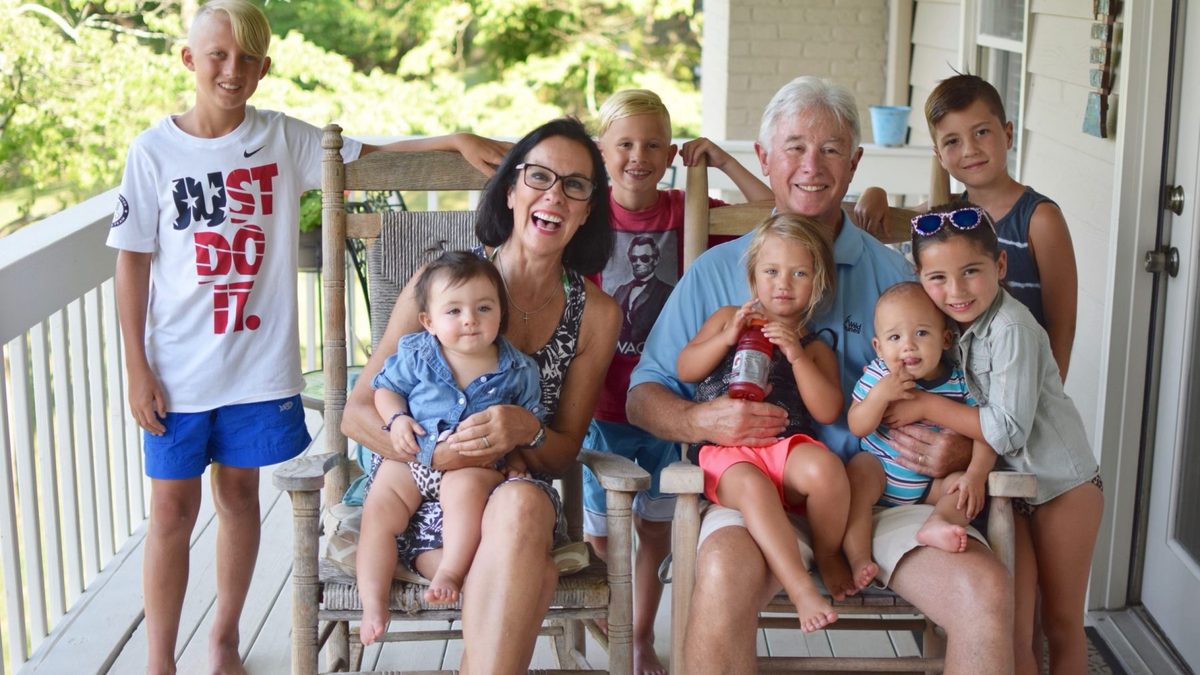
I know for all of us, the past year has been both challenging and life-changing. COVID-19 took my dad just before Thanksgiving. My mother, both brothers, and my wife all contracted the virus and, thankfully, survived. I deeply empathize with all those who have lost someone during this time. So how then through all of that has the pandemic given us a gift?
My family and I have always been close, but as you can imagine with six children, their spouses, and 13 grandchildren, we are also people with extremely full schedules. We all have our own activities and social life. And while we stayed in touch before the pandemic, we were not always intentional about getting together other than for normal family vacations.
However, the pain, anxiety and isolation brought on by this new paradigm has caused me to turn inward and develop a much larger appreciation for things I once took for granted. It has brought me closer to my wife, Mary Jane, and together we are spending more time than ever with our children and grandchildren. Not all of that time has been face to face, but thanks to video-chatting, it has happened nonetheless.
Social isolation can be devastating. As we navigated through our losses, it became clear that what was left is ever more precious. So I encourage you, despite whatever you’re going through right now or have gone through this past year, look for the silver lining and share your time in whatever way possible with those you love.
→ Swipe for Next Story
DepartmentsMARCH APRIL 2021
Perfection!
Story by John Alunni
Stepping into Vida, Knoxville’s new Pan-Latin restaurant on Gay Street, it’s hard not be impressed. Owners Jim and Lori Klonaris, who have been working the restaurant lane for the last 25 years, have transformed the bottom level of the Holston Building into a high-end dining experience. All of the Klonaris’ undertakings have been well-received, from Kalamata Kitchen in the early years to their more recent ventures in Café 4 and Kefi, and it was clear upon visiting that Vida would not be the exception.
Crystal glasses and soft-folded napkins rest on tables waiting for patrons to arrive. Intricate light fixtures draw the eyes up to the towering ceilings. Artwork by well-known names drape the walls, as gold railings and accents shimmer along a marble bar. Everyone here is dressed in cocktail attire. A look out the window you’ll find green space instead of buildings, a sight not found when dining elsewhere downtown. The space is chic and sophisticated.
I imagined the food would be up to the same standard. Executive Chef Jon Gatlin, a Knoxvillian who holds a culinary degree from Le Cordon Bleu Atlanta and formerly of the Oliver Royale on Market Square, has created a menu reminiscent of big-city dining at its finest.
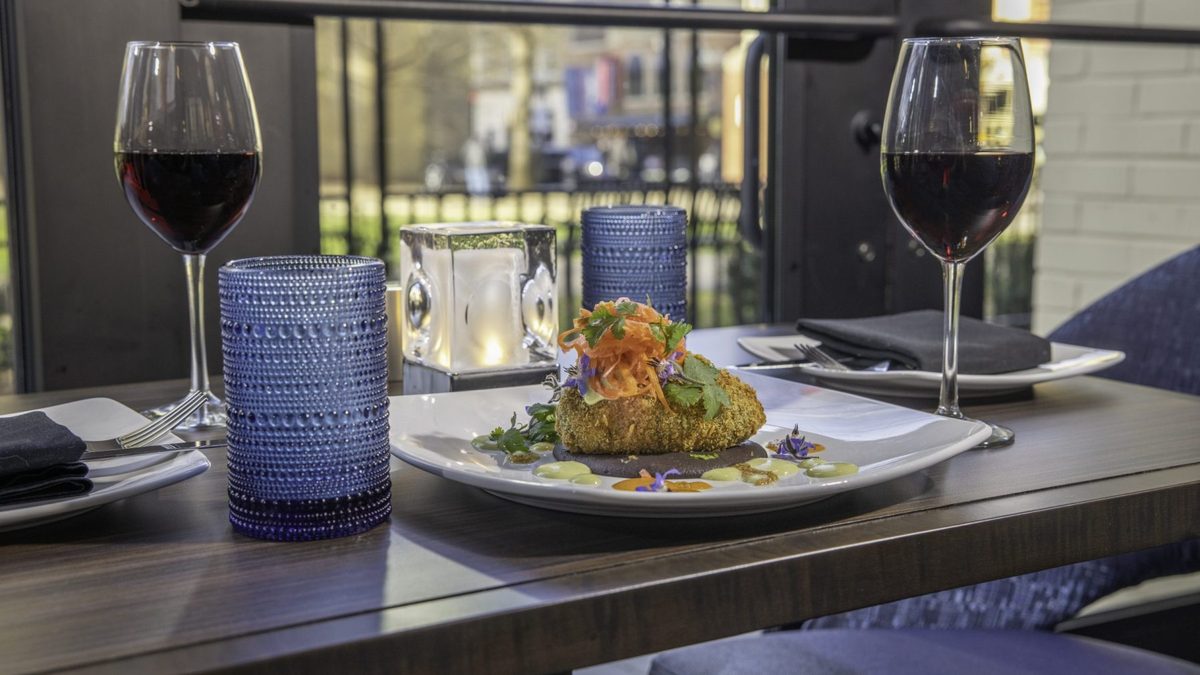
Our first course was a Chile Relleno consisting of a perfectly blistered and breaded poblano over a creamy and rich black bean puree. The pickled slaw served on top of the pepper worked flawlessly with this dish, adding a cool flavor. The cheeses within were delicious and melted perfectly. All this along with the cilantro lime crema dotted on the plate worked well together creating a delectably fresh experience.
The beef short rib, cooked by being submerged in duck fat at 225 degrees for eight hours, was a scrumptious plate. The tender meat was served with a horseradish crema, arugula (which was hard to find on the plate), manchego cheese, demi-glace, and a parmesan polenta. The entire dish was flavorful and executed well.
Empanadas with house-made pastry and filled with a beef confit came next. Dipped in the romesco sauce, these little gems were absolutely delicious, mild in flavor, but with just the right amount of seasoning.
We were brought ceviche next, consisting of soy, fish sauce, and sesame oil marinated diced ahi tuna, kiwi, avocado, and a marinated seaweed salad. This dish was well thought out and mild in flavor. I would have enjoyed a crispy pita or toast point with it to offer some varying textures.
Our evening ended with a chocolate bowl filled with fresh berries and ice cream. The server lit a gravy boat filled with homemade caramel and rum on fire in front of us and slowly poured it over the fruit. Still on fire, the chocolate bowl began to melt, creating a sweet and delightful slurry. The flavors were outstanding; the display spectacular.
Chef Jon’s prowess in blending flavors is exceptional, as is his presentation. Fresh micro-greens and edible flowers add a nice touch to the overall plating and arrangement of his dishes, creating art that patrons take pause to admire before diving in to savor the flavor.
Vida lived up to the environment the owners have created. The staff is professional, poised and polite, and the dishes featuring fresh-made, clearly chef-driven foods rank among the best. Vida is a must visit for anyone looking for an artful and tasteful high-end dining experience, and if time permits, don’t leave without getting a drink at the Vault downstairs, a complimentary experience not to be missed.
→ Swipe for Next Story
Dining GuideMARCH APRIL 2021
Delicious New Eats
Story by Susan Alexander
One wouldn’t think the past year was the ideal time to open a new restaurant, but that didn’t keep these six new enterprises from opening around town. With varied menus and atmospheres ranging from video game center to romantic wine bar, there’s much to explore among them. Bit Burger
Bit Burger, in Windsor Square Shopping Center in West Knoxville, specializes in craft burgers, unique appetizers, sandwiches and milkshakes. Enjoy the 80s and 90s nostalgia in the dining room while digging into cheese curds, hot honey chicken or pierogi and sausage, or tackle one of their big burgers, like the Mega Man, with Havarti cheese, thick-cut applewood bacon, caramelized onions, and the house white BBQ sauce on brioche; or the Cabbage Patch, two seasoned patties, Havarti cheese, roasted Brussels sprouts, crispy shoestring onions, and ranch sauce on brioche. Have room for dessert? Try fried Oreos or Cotton Candy Cheesecake! West Knoxville: 151 N Seven Oaks Dr. (865) 770-0290 facebook.com/bitburgerknoxBarrelhouse by Gypsy Circus
Gypsy Circus Cider Company’s Barrelhouse is the region’s largest cidery taproom with 40 taps of Gypsy Circus’s products and local craft beers. You might sip The Raindancer, a semi-dry, fresh-pressed cider with champagne characteristics, or The Queen of Swords, a semi-sweet, full-bodied cider with a rich apple aroma. The Barrelhouse also features a production facility for its barrel-aged wild yeast ciders. The Bohemian restaurant, also part of the property, serves a menu of tasty snacks and bar food, some infused with its ciders. Try some pork sliders or a Bang Bang shrimp bowl, or share some cider bread and cheese dip with friends. A variety of tacos and nachos are also available. Old North: 621 Lamar St. gypsycircuscider.com/barrelhouse-by-gypsy-circus-knoxville35 North
Combine the culinary variety available at a food truck park with a bar well stocked with bourbons and whiskies, craft beers and wine, throw in an indoor-outdoor courtyard and a large wood-burning fireplace, and you have 35 North, recently opened in Farragut. At least three food trucks are scheduled per day and more than 250 spaces across three rooms, two outdoor areas and a stadium-seating picnic area allow visitors to spread out and relax. It is open seven days a week, opening at 11 a.m. Food trucks currently on the schedule include Penne For Your Thoughts, Big Kahuna Wings, Taste N See BBQ. Wood Oven Eats and Pizza Amoire. Farragut: 11321 Kingston Pike (865) 671-3535 the35north.comQ Korean Steakhouse
At Q Korean Steakhouse off of North Peters Road, the customer has the choice of being the chef. Fresh marinated and unseasoned meat are grilled at the table. Options include everything from pork belly to beef short ribs to shrimp or squid. Can’t decide? Choose one of the combos that allow you to sample a little bit of everything. Side dishes include spicy rice cakes, kimchi and soup. Beverages include soft drinks and beer. West Knoxville: 8851 Town and Country Cir. (865) 474-1486 koreansteakhouse.comThe Appalachian
Executive Chef David Rule brings a modern approach to traditional Appalachian ingredients and dishes with an emphasis on smoky flavors. Previously with Blackberry Farm, Dancing Bear Lodge and partner at the Walnut Kitchen, his menu features starters such as Blue Crab Spoon Fritters and Beer Battered Okra and mains that include White Cheshire Pork Tenderloin with Cornmeal Pudding, House Sausage and Peach Chutney; and Rainbow Trout with Crowder Pea Succotash, Crispy Onions and Herbs. Sevierville: 133 Bruce St. (865) 505-0245 theappalachianrestaurant.comDiamondjack Wine Bar
Maryville native Micah Talley and his wife Rachel opened Diamondjack in 2020 after he spent time working in such culinary destinations as Blackberry Farm, McCrady’s Tavern and J.C. Holdway. They share the desire to celebrate life’s greatest moments, and at Diamondjack, that means with a wide selection of wines, as well as beer and nonalcoholic options; munchies that include Cast Iron Brie with Honey, Chili Flake and Bread; meals like Seared Flat Iron with Yuka Fries, Creme Fraiche, Herbs and Pecorina; and for dessert, Luxardo Cherry Tart with Creme Fraiche and Mint. Make it a double! Maryville: 298 Highland Ave. (865) 977-0323 diamondjackwinebar.com
→ Swipe for Next Story
DepartmentsMARCH APRIL 2021
The Knoxonomist
Story by Cityview
I just caught my 14-year-old son playing Minecraft while an animated GIF of himself attended his remote class! He’s losing interest, not turning in his assignments, and quite honestly, I’ve tried everything. What’s next, boarding school?
—Karen
Dear Karen:
The Knoxonomist knows that every generation thinks it is harder for them than their parents. Why, the Knoxonomist’s own mother tells of walking five miles to school, through the snow, every day, uphill both ways. He knows this because he has heard the story one too many times. The Knoxonomist loves to regale his own children with tales of childhood antics and struggles, often embellishing to make his point. It is not only the right of each parent to do so, but a responsibility to let the little ones know just how easy they have it.
The Knoxonomist vividly recalls the magical transformation that typically occurs around early teen-hood as the ego blooms. The Knoxonomist suspects your youngin’ mysteriously came up with this scheme after binge watchingFerris Bueller’s Day Offand the entire series ofHome Alone, fueling his testosterone-clouded adolescent mind with the idea that he is smarter than both you and his teachers. While that may be true, there is more at play here than meets the eye; there is an unseen antagonist lurking in the back of your home drama.
The Knoxonomist suspects your own parents have aided your son in this ruse, paying you back for the hormone-drenched agony you caused them in your adolescence. Yes, they have waited patiently for decades to take their revenge. “Bless your heart, you were a perfect child!” may come from their lips, but it is only a thinly-veiled distraction as they work on the modern day drama about to unfold in your home. They are no doubt snickering quietly during your frantic evening calls about your son’s apparent free-for-all. The time has come to take back control.
Take away your son’s phone, and then frequently and unexpectedly drop him off at your parents’ home at times when you know they have other plans. Don’t forget to say, “Bless your hearts, you are perfect grandparents.” Without his precious device to occupy him, your adolescent will begin to drive them crazy. The Knoxonomist recommends throwing in other fun comments when they complain like, “Nut doesn’t fall far from the tree,” or, “So thankful you’re still young enough to help raise him.” They will quickly recognize your superiority and stop fueling the little brat to deceive his teachers.
But alas if you don’t win this round, take heart. Your son will grow up to be a fine man, marry, and give you grandchildren. And that, my dear Karen, is where you may seek your own revenge, as you teach those precious little hellions the tricks of the trade then send them home to your son to unwittingly render your revenge for the hell he is putting you through. Just be careful not to fall prey to the same scheme you are putting your own parents through. Perhaps you can come up with your own animation to fool him into thinking you’re not home.
→ Swipe for Next Story
DepartmentsMARCH APRIL 2021
On Good Behavior
Story by Cityview
For successful socialization, the trick is starting young
Many pet owners resist going to dog parks for fear of their own dog misbehaving. So what is dog park etiquette? We all have to remember that none of our dogs will be reading this article and, for their pet parents who do so, it will be difficult to communicate this to their dogs.
First and foremost, remember that our dogs will not behave as we do—and that can be a good thing. Sniffing butts is in, hackles up is out. In order for your dog to learn this, socialization must begin during the critical 10-18 weeks of age. I know that many puppies are still going through their vaccine series during that time and that many veterinarians instruct pet owners not to take their pets to the dog park until two weeks after the last vaccination. And they are correct, as parvovirus is such a deadly disease for puppies.
There is a risk, however, to your pet’s well-being if it is not well socialized during this time. In fact, having behavior problems is the number one killer of dogs in the U.S. Dogs in large numbers are turned into shelters every day and potentially put down for problems of aggression—often fear-based and often due to poor socialization. So with this in mind, I am all for puppies going a little earlier to the dog park than recommended. Just know the risks and decide for yourself.
If it’s your dog’s first trip to the dog park, take him or her at a time when there’s likely to be less activity. Go to the dog park with a friend who also has a dog. Consider taking an obedience class so your dog will learn to listen to you. Make sure your dog is on a heartworm and intestinal parasite prevention medication. And for adult dogs, make sure they are up to date on vaccinations. Finally if your dog is sick—especially with a condition that might be contagious, like a cough or diarrhea—then stay home.
→ Swipe for Next Story
JurisprudenceMARCH APRIL 2021
Legacy of Leadership
FDR ‘lifted the nation from its knees’
Story by Gary Wade
merica teetered on the brink of disaster. The stock market crashed in 1929. Banks began to fail. During the one-term presidency of Herbert Hoover, industrial production in this country fell by 47 percent. The gross domestic product declined by 30 percent. Unemployment reached 23 percent. The country suffered from the throes of the Great Depression. In 1932, Franklin Delano Roosevelt, while hiding the crippling effects of his bout with polio, promised economic recovery through a “New Deal.” He advocated the end of Prohibition. With a campaign that featured the upbeat song “Happy Days Are Here Again,” Roosevelt won in a landslide. President Hoover received less than 40 percent of the popular vote.
On February 15, 1933, three months after his election and less than three weeks before the administration of his oath of office, Roosevelt traveled to Miami to address some 20,000 members of the American Legion. Accompanied by Chicago Mayor Anton Cermak, FDR had spoken only briefly from the back of his open car when five shots were fired in his direction. Although not the target of the assassination attempt, Cermak suffered a mortal wound to the chest. His final words to Roosevelt are engraved on his tombstone, “I’m glad it was me, not you.” Reportedly, Lillian Cross, a bystander, had spoiled the would-be assassin’s aim by striking his arm with her pocketbook.
Giuseppe Zangara, an unemployed bricklayer, had purchased a revolver for $8 at a local pawn shop. When questioned by authorities after his arrest, he explained that he hated “the rich, the powerful, and all presidents.” Charged, tried, and convicted of his crimes, Zangara was executed by electric chair within a year. Had he been successful in his effort to murder the President-Elect, history would have changed course.
Inaugurated March 4, 1933, President Roosevelt, having majorities in the Senate and the House, was able to pass massive legislation designed to cure the nation’s woes. His work created the Federal Deposit Insurance Corporation, the Social Security Service, the Securities and Exchange Commission, and the Civilian Conservation Corps. Hallmarks of his “first 100 days” in office included the implementation of Unemployment Insurance, the Farm Credit Administration, Child Labor Laws, and other social programs. Of importance to this region, on May 18, 1933, FDR signed the Tennessee Valley Authority Act, creating an entity designed to tackle flooding, manage forests, and spur the economy by the production of electricity. Further, on June 15, 1934, the Great Smoky Mountains National Park officially opened. Whereas funding originated with $5 million from North Carolina, Tennessee, and private gifts, which was matched by a grant authorized by John D. Rockefeller, Jr., Roosevelt allocated another $1.5 million in 1935 to
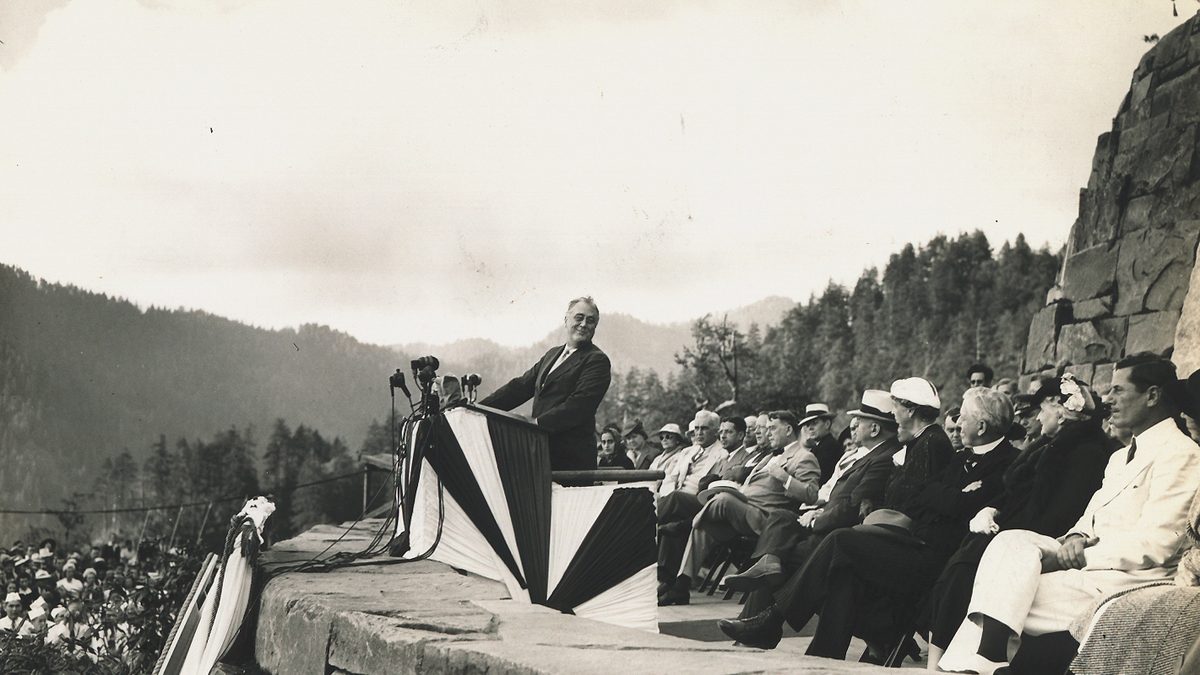
make sure the Smokies met the minimum number of acres to qualify for park development. He visited the Smokies for the first time within a year and then returned on September 2, 1940, to dedicate the park “for the permanent enjoyment of the people.” To date, FDR has been the only President to have set foot in the most visited national park in America.
In 1936, FDR, who had connected with the American people through his periodic “fireside chats” on public radio, won a resounding re-election victory. Troubles, however, were not at an end. The following year, the economic recovery suffered a setback. Frustrated when a divided, nine-member Supreme Court struck down some of his legislation as unconstitutional, FDR met opposition when he sought Congressional approval to increase the size of the high court with his own nominees. During the legislative debate on this “court packing issue,” Justice Owen Roberts, who had consistently voted against upholding the constitutionality of New Deal legislation, changed course. In a 5-4 decision approving a minimum wage law, Justice Roberts (no relation to the present Chief Justice) held with the majority – “the switch in time saved the nine”, some said, perhaps preserving the sacred role of an independent judiciary from either executive or legislative branch influence. The crisis over, FDR’s proposal never got out of committee in the Senate. His popularity had declined, but only temporarily.
By the election of 1940, Europe was at war, placing the United States and others on the threshold of world war. Although FDR won decisively, his margin of victory in the popular vote was less. As our country professed neutrality in the European conflict, Roosevelt quietly prepared for the worst. Congress authorized the first peacetime draft in American history. The United States supplied ships, planes, weapons, and ammunition to aid in Great Britain’s defense. Gallup polling confirmed a change in the mood of our country, indicating that the people supported this assistance even at the risk of war. Then, in September of 1941, a German submarine fired on the USS Greer off the coast of Iceland. Meanwhile, diplomatic relations between our country and Japan had become tense. Finally, on Sunday, December 7, Japan, suspicious of our country’s motives in the re-location of the Pacific Fleet from California to Hawaii, attacked Pearl Harbor, “a day which will live in infamy,” the President lamented on the following day. Within minutes after his speech, Congress declared war against Japan.
A few days later, Hitler’s Nazi Germany declared war on the United States. Americans responded. FDR’s leadership, in partnership with Allies Joseph Stalin of Russia and especially that of Winston Churchill, ultimately brought victory in World War II. Sixteen million Americans, later described as our nation’s “Greatest Generation,” served in the military over the four-year fight. In the end, our country emerged as a superpower, no longer isolated from world affairs.
The strain of the war, however, took its toll on the health of the President. On April 12, 1945, five months after his election to an unprecedented fourth term and less than three months after his inauguration, FDR died at age 63 of a cerebral hemorrhage. His body was transported by train from the “Little White House” in Warm Springs, Georgia, first to Washington, D.C., and then to his final resting place in Hyde Park, New York. Hundreds of thousands of Americans stopped to pay tribute, lining the train tracks along the route north. As the funeral procession passed along Pennsylvania Avenue in our capitol city, a reporter looking for a story observed a man sobbing uncontrollably. “Sir, sir,” he asked, “did you know the president?” “No,” he answered while struggling to regain his composure, “but he knew me….”
While some might say that the personal life of FDR did not always merit admiration, his service to his country as a public figure earned universal praise. In this critical era of American history, second in importance only to the Civil War, a eulogist described the nature of his influence: “He lifted himself from his wheelchair, to lift the nation from its knees.”
→ Swipe for Next Story
InsightsMARCH APRIL 2021
Going to the Doctor
Why is the build-up to being seen more work than the appointment?
Story by Robert Pryor, Sr.
I don’t know about you, but I dislike going to the doctor. It’s not because I’m afraid of needles or even the dreaded prostate exam. My aversion is to the medical forms and procedures now in common use by doctors’ offices.
It seems as I get older I’m spending way too much time making doctor’s appointments and keeping them. I also get too many robo telephone calls from either a doctor’s office reminding me of an appointment or from Walgreens alerting me that I need to buy more pills. And every doctor has a recording to remind me to arrive an hour early. Don’t do it. It’s a total waste of time because the doctor will only be running late, and you will just sit there for an hour-and-a-half (or more) before you get called back. The “arrive early” request is a sure signal they have developed new forms for you to fill out.
Speaking of forms, why do I have to complete new forms at every visit? Did you ever notice that when you are given the clip board with 20 pages of forms to fill out, each page requires you to repeat the same identifying information? I’m thinking of having a stamp made of my name, address, Social Security number, telephone number, smoking habits, etc. How many times do I have to tell them that my mother did not have a pacemaker, but did occasionally smoke and drink alcohol? This all seems unnecessary, especially in my podiatrist’s office and 45 years after my mother’s death. Where do doctors get these forms? Most of them have nothing to do with the nature of their practice. Should my orthopedic surgeon with a sub-sub-specialty in the thumb need to know if I have ever had a ringing in my ears? The answer is: yes. My ears ring or hum all the time and have since 1985, but what does that have to do with my right thumb pain?
It’s possible doctors really just want to know about our health insurance or our ability to pay their bill, but are embarrassed to give us a one-page form providing that information because it would appear too avaricious. Trust me, I understand the need to be paid and would gladly fill out a one-page form with only two questions: Do you have health insurance, and, if not, how do you expect to pay the doctor? What they should really just ask is, “What’s in your wallet?” Just leave all the other stuff about my grandmother and my nervous breakdown out of it.
Of course, all the papers you have to fill out and sign warn you about the importance of privacy and how careful your doctors are to make sure nobody knows that you are receiving medical treatment or what your medical problems might be. Everything is top secret until you enter the doctor’s office and go to the receptionist. From that point on, you are processed in a way guaranteed to reveal your confidential information. In a doctor’s office just last year, I signed in and saw the names of everyone seated in the waiting room. Thank God. You see, I’m bad at remembering people’s names but good at remembering faces. I read over the sign-in sheet to see if I recognized a name in order that I might be prepared to greet my old friend when I turn around to take my seat. Now I not only know my old friend’s name when I see her face, but I know she has urinary problems.
As I sat and waited to be called back to see a doctor one day, the receptionist called out my full name loudly. Now everyone in the room put down theirCityviewmagazine to see what I looked like. “Yes, I’m here,” I replied. She asked, for all to hear, “Mr. Pryor, are you still being treated by Dr. Overholt for dry skin and itching?” Now my secret is out. Yes, I use Dove soap. It reminds me of the guy who ran a café in downtown Knoxville years ago. He would take your order at the counter and then call out your selections when ready. He did not mark orders by name or by number. When he was ready, he would simply say, “Who ordered the double cheeseburger with extra mustard, potato salad,
bowl of beans, and double chocolate cake?” I would slink up to the counter and embarrassingly claim my feast acknowledging the applause of my friends and fellow lawyers.
I recently took a retired friend to lunch, and we timed our stop on the way back for his sleep doctor appointment. When we walked in, there were approximately 10 patients waiting in various stages of rest. As we approached the counter, I loudly announced, “I’ve brought my friend in for his appointment, but I feel he should withdraw from the program.” Now that I had everyone’s attention, I said, “I don’t think he needs any sleep treatment today because he fell asleep twice in the car on the way over here.”
Just remember, what you think is the waiting room is just the “first” waiting room. Don’t be fooled because there are more waiting areas when you advance into the inner sanctum. These secondary waiting rooms are where they ask the same questions you answered on the forms. The last time I was again asked if I smoked cigarettes, I told the nurse, “Only after sex, and I haven’t bought a pack of cigarettes in several years.”
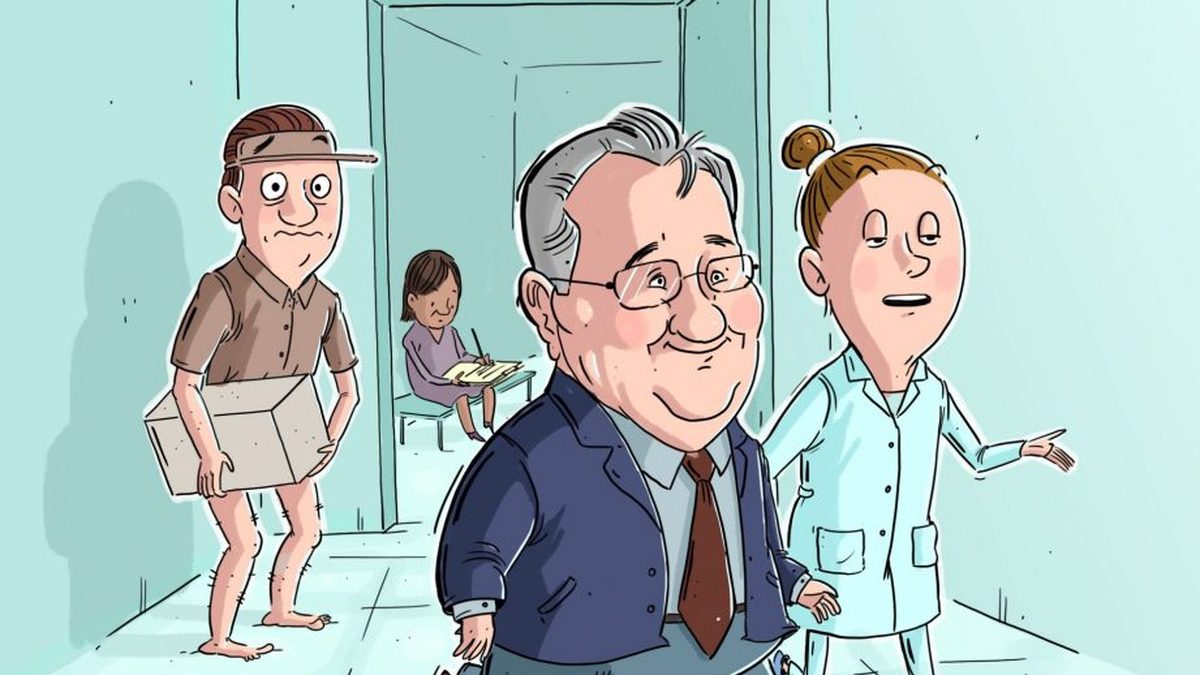
Then there’s the pants situation. I don’t know about you gals, but all medical providers make us guys remove our pants at some point during the visit. I think it’s some kind of medical requirement. I was seen one time in the emergency room with my first and only case of vertigo, and the male triage nurse warned me three times before I arrived at the examination room that I would be required to remove my pants. Sure enough, when we finally arrived at the examination room, off came my pants. I think that was his favorite part of the job. Reminds me of the guy with a runny nose who was told in the doctor’s office to go into Room 3 and take off all of his clothes. Reluctantly, he complied only to notice another naked man in the corner of the room. “Why is it they make me take off all my clothes when I only have a runny nose?” The man in the corner replied, “You think that’s crazy? I’m just here to deliver a package.”
This, of course, brings me to my number one complaint about going to the doctor. I have eight doctors, and I haven’t really seen any of them in over a year. I don’t know where they are. Perhaps they are busy making new forms. I can’t seem to get past the nurse practitioners or physician’s assistants. Don’t get me wrong, I’ve met a few doctors in my time, and in some cases I prefer their professional assistants. Some assistants are friendlier, smarter, and more informative, but sometimes you just want to see the doctor to be assured that he or she knows who you are and why you are coming to their office. Frankly, I prefer lady doctors. Unlike their male counterparts, they probably paid closer attention in class and they’ve all got that great intuition that we men can only envy. Pardon me for being sexist, but I think it’s easier to talk to a woman about medical matters.
In any case, the assistant comes in and typically asks, “Well, what are we here for today?” I always want to respond with, “Why don’t you read the three-paragraph narrative you made me write in the waiting room? And my mother didn’t have a pacemaker.” I feel uneasy when these mid-level assistants treat me without even talking to the doctor. I hear that at the end of the day the doctor is supposed to go over all of the assistant’s charts. Sure. But I could have been given a pill and be dead by then. It’s the same feeling I get when in the middle of a flight the captain comes strolling down the aisle asking if everyone is enjoying the flight. “Yes, but who the hell is flying the plane?”
→ Swipe for Next Story
FeatureMARCH APRIL 2021
Healthcare Transformed
Story by Matthew McGarry
For David Kiger, home healthcare is a very personal matter. “My mother needed some help at home and her health was declining,” he recalls. “My siblings and I, of course, tried caregivers. After giving several a try, we finally found one that delivered the care my mom needed and wanted.” The caregiver made his mother’s life different, better, and he recalls the moments where they held her hand, consoling her when she needed it.
Kiger was inspired. He recognized how critical it was to be able to access care without ever leaving your house. “The experience with my mom made me realize that home monitoring devices are useful, not just to seniors with health issues or medical conditions, but to any individual who wants to watch their own health from home.”
Kiger founded Maryville-based Comet MD. The company couples telehealth with home monitoring devices—such as blood pressure cuffs, blood sugar monitors and oxygen sensors—to help patients monitor their health. The data from the devices is transmitted to a Comet MD nurse practitioner who monitors the readings and can take immediate action when necessary.
A changing landscape
Kiger’s company is just one example of how physicians and companies are tackling healthcare in this country right now. Today’s healthcare is a brave, new world, with innovation bringing about monumental changes in the way we live. We’ve seen this transformation before in the way we bank—financial institutions all but abandoning in-branch service in exchange for online convenience—and we’re witnessing a similar transformation in healthcare. Medical practices are shifting to offer expanded telehealth offerings, and companies, such as Comet MD, are becoming an updated option for individuals to access healthcare from home. And while this transformation has been in the works for years, COVID-19 has certainly quickened its pace.
From the younger individual who seldom sees a physician to the senior citizen who relies on regular home healthcare visits, Americans are now benefitting from this updated form of care delivery. An early 2020 physician survey from research firm Deloitte showed that right before COVID-19, physicians use of virtual health was gradually on the rise but many felt they didn’t have what they needed in their practices to make a more intense shift. “Most physicians were not intending to use many virtual health solutions, and those who were, for the most part, had only gradually increased their usage,” the survey results showed. The Centers for Disease Control and Prevention analyzed data from four of the largest telehealth providers in the United States and by late March 2020, telehealth visits had already increased by 154 percent, compared to that same period in 2019. When the pandemic hit full-force, however, things shifted even further. The intent to “go virtual” increased dramatically.
In an effort to help Americans stay safe while accessing needed healthcare, the U.S. Centers for Medicare and Medicaid Services (CMS) made temporary changes to telehealth regulations. By declaring a public health emergency, the secretary of the U.S. Department of Health and Human Services (HHS) was given the authority to waive certain telehealth restrictions for the duration of the emergency, and CMS gave other flexibilities through waivers provided in the CARES Act.
According to CMS, the changes included removing requirements that a patient must be an established one before initiating a virtual visit and receiving remote monitoring services, allowing for payments via smart phones and audio-only phone calls, modifying and simplifying consent forms and allowing telehealth visits to take place in both the patient’s and the clinician’s home, and payment parity for virtual or telephone visits.
CMS says these regulations will last until the end of the public health emergency. But while these flexibilities will likely be pulled back or modified when the emergency is declared over, telehealth is here to stay. Many expect CMS to take into consideration what was learned during the emergency and adopt many of these flexibilities on a permanent basis as we move beyond the pandemic. Telehealth is now poised to become a central part of the healthcare delivery system.
“Like the pivot we’ve had to quickly make in education—from in person to remote learning—telehealth suddenly found itself on the front burner,” says Richard Briggs, cardiothoracic surgeon and Tennessee State Senator. “There is no doubt that Tennesseans love telehealth. We need physicians, regulatory agencies, insurance providers, the state government, and others to continue to work together and make it work for everyone.”
The benefits and challenges
The value of having telehealth in place is immense, especially during a pandemic. And having companies working in this arena alongside physician practices is an added bonus. “Individuals in need of healthcare, seniors in particular, need to have a comfort level with their physician,” says Kiger. “Many have had the same physician for years and years. In addition, they need easy, cost-effective access to at-home monitoring devices.”
These are just a few of the things Kiger and his team are tackling in their work. Cheri Racine, a certified family nurse practitioner who works with Kiger in the telehealth side of his business, says the opportunity to use this burgeoning form of healthcare has been critical: “I know that what I do gives my patients not just health care advice, but both comfort and confidence.” Racine provides medical advice to patients who aren’t able to access their primary care doctor and monitors their vital signs using the at-home devices. “We do not want to take away anything from the primary care physician,” Kiger says. “We want to help bridge the gap between medical and non-medical care while helping patients maintain that personal, comfortable relationship with their personal physician.”
No one is less surprised by the prediction of telehealth as a central component of our healthcare system than Briggs, who laconically sums up his opinion on it with three words: “Patients love it.” That’s not to say he feels telehealth is not without its challenges.
“Under ordinary circumstance, the strides that telehealth has made in the last several months would have taken years,” Briggs says. “I am still very concerned, however, about both the remaining challenges and the availability of quality healthcare to many Tennesseans.”
This is an important point to make. Even with the increased use of telehealth, there are still many roadblocks that remain. “Many in Tennessee still do not have access to the quality care they need, particularly in areas such as cardiology and mental health,” Briggs says. In addition, there are concerns around appropriate physician compensation and Medicare reimbursement, as well as issues around HIPAA confidentiality. Even broadband is a challenge. Many want to use telehealth, but basic internet access is limited, something not always considered as the use becomes more widespread.
“The goal is to bring quality healthcare to everyone in the state and, ironically, those who are in the most need are still not getting the care they need…all because of internet access,” Briggs says. “We’re working on that right now and hope to see drastic improvements in the very near future.”
A helpful tool
As the use of telehealth continues to grow across the country, other home health industries continue to as well. Sophisticated, wearable monitoring devices—something that’s not new to the health and wellness landscape by any means—have become increasingly used. Yes Apple watches and FitBit-like devices, but also wearable devices that monitor heart rate, blood pressure, blood sugar, even electrocardiograms. According to research from Business Insider Intelligence, use of these devices increased from 9 to 33 percent in the United States in the last four years. This same research predicts that that number is only expected to grow: “The total installed base of fitness tracker and health-based wearables in the U.S. will grow at an annualized rate of 10 percent to surpass 120 million by 2023.”
Deloitte predicts that by 2040 healthcare will look entirely different: “Through science, data, and technology, we will be able to identify diseases earlier, intervene proactively, and better understand their progression to help consumers more effectively and actively sustain their well-being.” The focus will be on wellness, with the goal to promote healthy living and increased access to high quality care.
Even with all the innovation, do we have a clear picture of home healthcare’s future? Not yet. Care providers are encouraged by the recent, positive changes in telehealth, but still have concerns. Regulation and compliance, physician compensation and practice revenues, the availability of telehealth care, and the ability to maintain that personal physician-patient relationship are all challenges which industry professionals are working hard to address. One thing, though, is clear to all: As the focus shifts from a traditional healthcare model to a model driven by data sharing, sophisticated health monitoring devices and widely available telehealth services, Tennesseans can definitely look forward to living healthier, happier lives.
→ Swipe for Next Story
FeatureMARCH APRIL 2021
Refined Cabin
Story by Mary Leidig
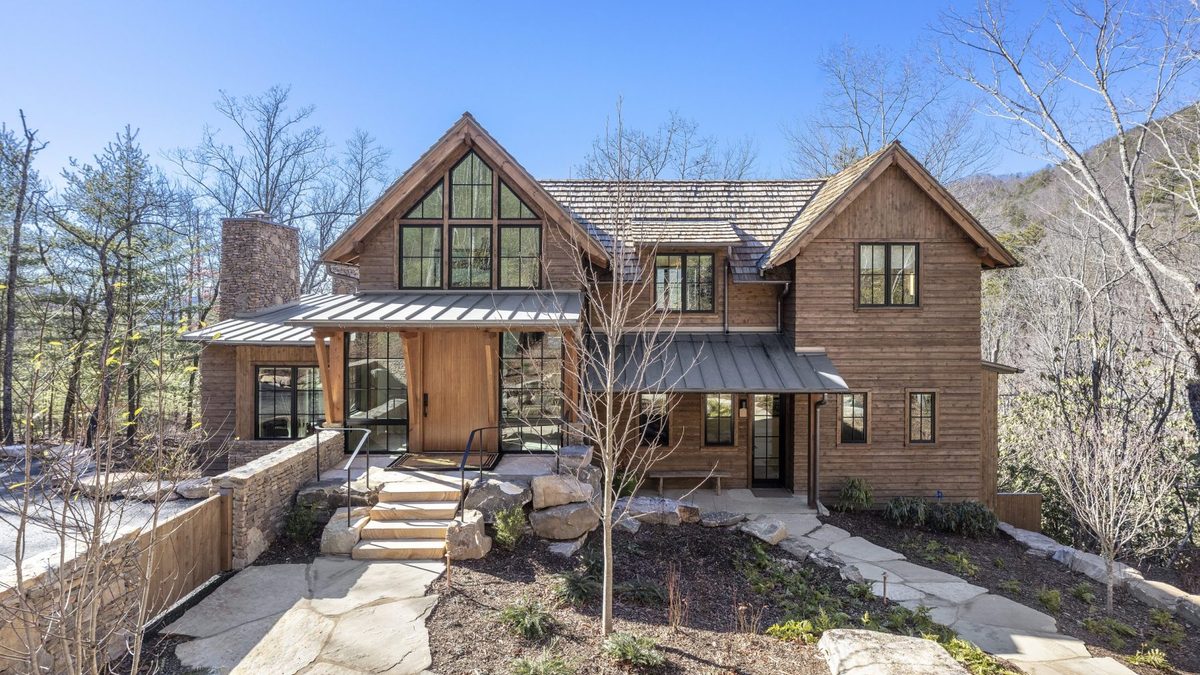
Tables made locally from pre-Civil War seasoned wood, walls showcasing one-of-a-kind art and a unique table created from an International Harvester truck grill—these pieces begin to tell the story of an inspired getaway in the Smoky Mountains. But it is nature—breathtaking views, and gorgeous design and building materials—that stars in this rustic and elegant new mountain home, say homeowners Maria and Ed Newman.
“The outdoors inspired this house,” says Maria, a Knoxville gastroenterologist. “We’re in, but we’re out. Even when we’re inside, we are surrounded by the outdoors.”
From the moment the couple walks through the front entrance, they enjoy a majestic floor-to-ceiling view that spans the length of their two-story mountain-side home in the Smoky Mountains. The world seems to stop.
It’s mid-January, and the couple’s first full weekend in their new mountain retreat, built in about a year at Blackberry Mountain Development in Walland, Tennessee. It also happens to be the couple’s wedding anniversary. “It’s really a great weekend here—just being here. We love being together, hiking and no technology,” says Maria.
“This place has a wonderful palette with light-colored walls and light wood floors—different from what one might think of in a traditional mountain cabin with darker wood. It’s warm and a temple to our family along with the cool architectural elements of the home,” says Ed, a nephrologist. “We wanted to walk in the front door and be drawn down to see the valley.” Their design and building team made this happen, he says.
Busy in their individual medical practices, working and living in Knoxville, the Newmans sought a space surrounded by nature to recharge and to gather with their children, Julia and Jack, who are now in college. Their new mountain home transports them to such a space. And there’s plenty of room at Blackberry Mountain.
Blackberry Mountain Resort and Development embraces the dark sky concept of protecting the natural sounds and night skies. Nature is a guiding force in building and design of the homes, cottages and their surrounds. Blackberry Mountain is the sister property of Blackberry Farm. Both resorts sit just north of the Great Smoky Mountains National Park. The website describes the resort as being “immersed in the mountain.” The Newmans would agree. “We can see the ridge line this morning, and last night we saw a sky full of stars—just so visible,” said Maria. “Our home blends right in.” This night sky unpolluted by light allows a transcendent experience in nature.
Building a house is always challenging, and building one on a steep ridge line in the Smoky Mountains during a pandemic made for a unique experience for the couple and for their design and construction team.
“Maria and Ed liked to meet on site, and we liked that. It made our collaboration for the project even better for looking at unusual circumstances,” says Fred Trainer, builder and owner of F. E. Trainer Construction, Inc., a Knoxville-based firm.
“I think we were lucky,” says Maria, smiling. “This project in the mountains was so much harder to build than our Knoxville home, of course. And Blackberry Mountain has its own rules for development in addition to the challenging topography here.”
Ed expected building on the mountain to be harder. “I thought it would take longer than the one year it has taken. And we’re 99.99 percent complete. We had some experience with this team. We knew who we wanted to work with.”
The synergetic team included interior designer Judy Gooch, of Judy Gooch Interiors; Jonathan Miller, owner of Jonathan Miller Architecture & Design; and Fred Trainer, founder of F.E. Trainer Construction.
The Newmans had worked previously with Gooch and Miller, and their first experience custom building a house with Fred Trainer has been a great one, says Ed.
Jonathan Miller’s vision for a project “boils down to values rather than style.” Miller and his team listen diligently to their clients, and the Newmans were no exception.
“We care about people. We’ve invested in our clients, and they’re investing in us. We’re not perfect, of course, but if we really go the extra mile in the journey, we’re going to end up creating something for clients that they love,” Miller says.
Miller and the Newmans worked together on their home in Knoxville with great success that resulted in an enduring friendship as well. “It was very gratifying to be called back on this project,” he said.
“Jonathan is a kindred spirit for me. He knows where we want to get to and helps make it happen. He likes unexpected corners, and special angles and windows,” says Ed. And by the way, the two men like to sometimes draw on napkins to imagine something for a space or design.
As part of its vision on the firm’s website is the phrase “Glass = Light.” Miller and his team love taking new modern home styles with high ceilings, open plans flowing from space to space, unusual glass windows, high technology and “wrapping it all up in a traditional style.”
With the Newman house, the architect wanted to create a seamless feel between indoor and outdoor space. “We work hard on little tricks that allow us to maximize light in a home design. When you enter this home, you’re looking down the mountain range and can also immediately see all the space in the home that has this contemporary vibe. From the living room and dining areas, glass doors slide open to the large porch. The space just looks like it is part of the environment,” says Miller.
Judy Gooch calls the approximate 2,400-square-foot home modern, rustic elegance. “The Blackberry Mountain home is my third project with the Newmans. I know them and their likes. This is not your typical mountain home. It’s a totally custom home that includes one master suite, two more bedrooms, one bunk room and three-and-a-half baths, and it is designed with the Newmans’ guidance,” says Gooch. “This is a true great room where the living area, dining area and kitchen are all one big space. Simple sophisticated lines, furnishings made to last and pieces that tell a story really make this a reprieve from the Newmans’ busy work days.”
Gooch says even the photos upstairs are meant to reflect the Newmans’ travels —vistas of national parks the family has visited over the years.
“Judy worked with our style,” notes Maria. “She also tries to recreate what our vision is. She listens and is an enabler for us.”
Furnishings in the home are by Bennett Galleries, Braden’s Furniture, Laws Interiors, The Handmade Table and O.P. Jenkins. David’s Abbey Carpets and Floors supplied all background finishes, tile and flooring. Cabinetry from Dixie Kitchens and honed soapstone countertops by Stonecraft Inc. complete the modern feel in the kitchen.
Two stunning and unusually long wood tables from The Handmade Table add rustic touches to the home’s great room and screened porch, and are made from old, seasoned pine and oak—perfect for family gatherings that Maria and Ed love.
Gooch, licensed by the state of Tennessee as an interior designer since 1991, helped launched what is today the Family Consumer Sciences Department at Carson-Newman University. “I love residential work,” says the Oak Ridge-based designer, who completes 24 hours of continuing education every two years. “This house with the Newmans, Jonathan Miller and Fred Trainer has been very special and lots of fun.”
For this team, listening to their clients is a top priority, and the Newmans say the contemporary, elegant style and attention to the natural environment stand out with their finished home. Even the outside screened porch is enjoyable for most of the year, says Miller. “With infrared heating systems on the porch, you can really enjoy outdoor living, which is something important to Maria and Ed,” he said.
“Everything, too, is natural. This means real wood, real stone, metal and cedar roofing,” says Miller. “Blackberry is all about this with their development standards, and it fit right in. Angled walls and use of steel in the fireplace are also unusual and make the home feel contemporary.”
In building homes his clients want, Fred Trainer and his team enjoy using sustainable materials. “Working at Blackberry is unique as they want to protect the trees and the environment, and the grade on the property was not too tricky. Feeding off the vision of the homeowners, architects and designers, we’re the how-to-do-it part of a project,” Trainer says. “We got to use natural materials—like cedar on the exterior, and it’s such a great product. Everyone loves working with cedar. It just smells so good.”
The Newmans were thrilled with how Trainer and his team executed Jonathan Miller and Judy Gooch’s vision. “Fred brought a fresh perspective and was a perfect fit,” said Ed.
“We really appreciated the opportunity to work with the Newmans,” Trainer said. “Deadlines and budgets are always part of homebuilding, and on balance this home turned out beautifully.”
This team of architects, designer and builder agree the home looks and feels tucked away in the mountains with a delightful entrance—like it’s always been there.
And it’s what Maria and Ed wanted from the beginning.
“We’ve been able to travel with our children and enjoy eco-tourism and vacationing at national parks. We love to get out in nature, and we have the Great Smoky Mountains National Park—a wonderful park—right in our backyard that we wanted to enjoy more,” says Ed.
A home in the Smoky Mountains simply made sense. “That meant getting intentional about spending more time with family in these mountains,” says Maria. For the couple, getting to be out in nature and go hiking are the best family experiences.
Blackberry Mountain Development provided their answer. With the Blackberry Mountain Development concept of “dark skies,” the Newmans know they will always feel like they are in the middle of nature, with a minimal footprint and not part of a residential development. The concept calls for the use of fixtures that cast little or no light upward and is part of Blackberry Mountain’s building requirements.
According to its website, Blackberry Mountain offers 95 lots that have been created for the development as well as 2,500 acres of permanently preserved wilderness.
Additionally, Blackberry Mountain includes a resort guest component with cottages and homes available to rent. Resort amenities for its club members include broad offerings of outdoor centers and activities such as yoga and a fitness center, swimming, fishing, canoeing, kayaking and tubing as well as 20 miles of hiking trails and mountain biking track trails.
Unusual dining experiences include the Firetower, a “hike-in” restaurant built around a 1950s restored lookout tower located at the peak of the mountain that offers sweeping mountain scenery.
On this January morning, Maria and Ed are enjoying what feels most unique about their home. “We’ve got this really amazing screened porch that is 46 feet long and 14 feet wide, with cypress tongue-and-groove flooring,” says Ed. Large windows and floor-to-ceiling glass doors make the great room and the porch feel like one huge room. “We don’t ever feel like we’re in a box,” he says.
“We’re going to spend a lot of time here because we come here to be outdoors, and our new house blends right in,” says Maria.
This embraces nature by design.
→ Swipe for Next Story
Non-ProfitMARCH APRIL 2021
Stronger Together
Story by Rebecca Whalen
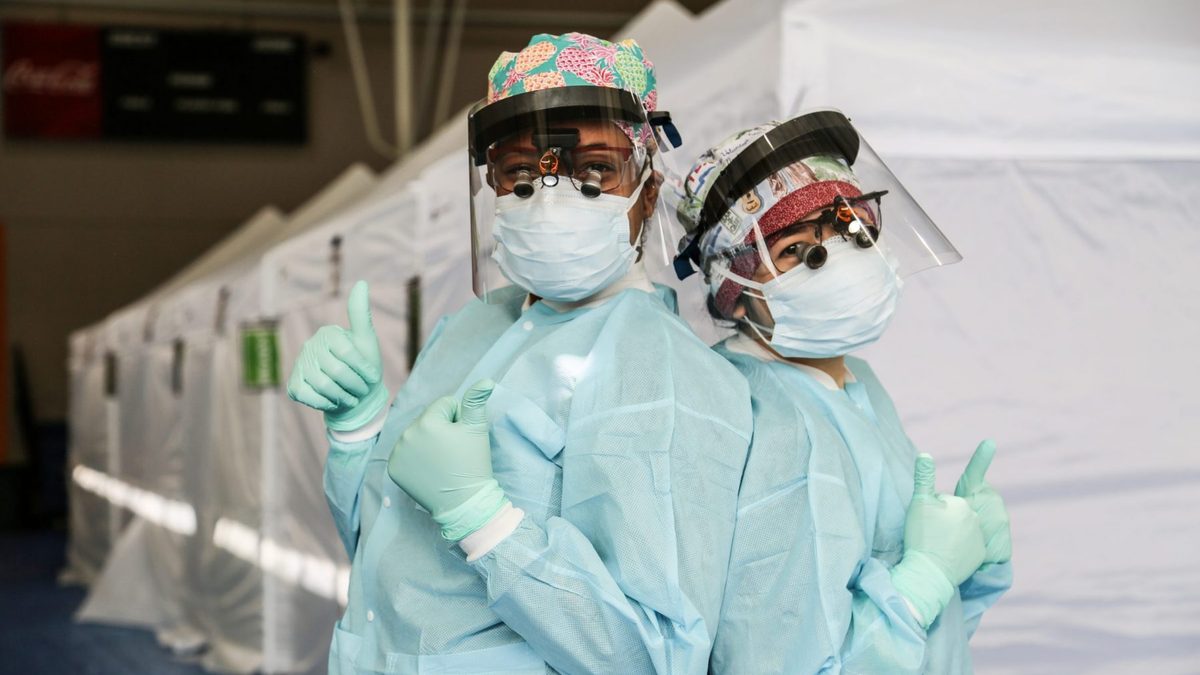
It’s an early Friday morning in February, and the Jacob Building in Knoxville has transformed inside. The sun has not yet risen, and yet people have been here working since 5 a.m. A team arrived Thursday to prepare the expansive setup. Volunteers and staff members are masked, wearing varying amounts of personal protective equipment, as they go over duties with their teams. White tents, 10’ by 10’ in size, cover the main floor, each connected to a special filtration system. Out front, check-in tables are ready with thermometers and COVID-19 questionnaires close at hand.
Outside, masked families, seniors, middle-aged couples, and neighbors are waiting to receive their text to enter. Some have been there since mid-day Thursday to ensure they would be seen. They’ve come for free dental, vision and medical care, and that’s exactly what they’ll receive at this clinic by Remote Area Medical.
In a matter of three days, 700 people receive care; more than 200 of them receiving vision care alone. Dental cleanings and x-rays are performed, women’s health exams and pap smears are carried out, flu shots are given, mental health counseling is available, osteopathic manual treatments are undergone, skin cancer consultations occur, and the list goes on. But even with all of this work, there is not a single cost to the patient. They do not need insurance or to fill out extensive paperwork. They simply arrive, give their name, and receive care.
From an outsider view, this clinic seems too good to be true, a once-in-a-lifetime opportunity that might never come again. However, for Remote Area Medical, it’s just another weekend, another opportunity to fulfill its mission to prevent pain and alleviate suffering by providing free quality healthcare to those in need.
An Important Mission
Remote Area Medical, or RAM as many know it, was founded in Knoxville in 1985 by England native Stan Brock, to address the lack of adequate healthcare in today’s world. Having spent time early in his life in a village in South America where the closest doctor was a staggering 26 days away, Brock vowed to one day make healthcare accessible for remote locations.
After a successful career in television and film (most notably hosting the show, “Mutual of Omaha’s Wild Kingdom”), Brock formed RAM in Knoxville and got to work helping international communities access healthcare. Then an airborne organization, Brock and his team of volunteers would parachute into communities lacking access, airdropping food and supplies when necessary. But as the 90s rolled in, the mission came much closer to home. Local communities began contacting Brock, requesting help for their constituents. And so, the local clinics were born, providing dental, vision, and medical care (veterinary care, too) free of charge to neighbors far and wide.
“Stan built relationships all around the world,” says Jeff Eastman, the organization’s CEO. “But Stan, he was so humble.” Eastman joined RAM originally as a volunteer, building a close relationship with Brock during that time. After one year on staff, Brock asked Eastman to take the helm as his first CEO, ensuring that the organization lived on beyond him, knowing very well that people will always be in need.
Brock passed away in 2018, but Eastman says, he spent his final five years tackling projects with RAM that he always dreamed of working on: supporting inhabitants in South America (which inspired him to found RAM), assisting migrants in Greece, and providing hurricane relief. Amidst this work, he remained heavily involved in the regular goings-on of the clinics. “When Mr. Brock said, ‘We’re going to do this,’ you better believe that everything dropped. He was always one to find new ways to do things, to provide free health care.”
Critical Clinics
Over the years, more and more of RAM’s work has been focused on clinics. “When we first started, we were doing around 10 to 12 events a year,” says RAM Chief Operations Officer Chris Hall. “And then a year prior to COVID, we were close to 100 events happening in a year.”
Joe Ann Heck is one of the neighbors who has attended a clinic. Early last year, Heck, a Morristown, Tennessee resident and grandmother to nine, attended a clinic in Knoxville with two of her friends. She was in critical need of dental care. She and her friends arrived after midnight and stayed in the car until about 4 a.m. when they got in line. By 6 a.m. the clinic opened and hundreds were lined up seeking care.
“I had always said, ‘I’m going to go to get my teeth pulled,’ but I was always too scared to get it done,” she says. But even with the anxiety, she went in and received the care she needed. Heck had 27 teeth pulled that day, a move she said may have saved her life. “I couldn’t afford to go out and get every one of my teeth done; that’s thousands of dollars.” But having lived with crumbling teeth for years, thanks to RAM she was finally free from pain.
Heck’s story isn’t unusual. It’s just one of thousands each year. In 2018 alone, with a nearly $5 million budget, RAM served 40,309 adults and 4,498 children, providing roughly $15.4 million in free healthcare. “We know there’s always a need. We know RAM’s not going to be able to completely fill that need, but we know we will be able to fill a lot of gaps,” says RAM Clinic Coordinator Tiffani Yvette Carrasco.
When communities reach out to RAM with an interest in hosting a clinic, Carrasco and other clinic coordinators get the ball rolling. The clinic date is ideally chosen 12 to 18 months in advance and then RAM and the local community have their tasks, securing a venue, solidifying their community host group, recruiting volunteers, promoting to the community, and so on. All of the work is done to ensure a two-day clinic, which can see hundreds, goes on without issue.
Shifting for COVID
RAM carries on Brock’s legacy of care and innovation, continuing to approach RAM work the way Brock would have. And this past year has been no exception. When the pandemic reached the United States in early 2020, RAM’s work shifted. The in-person clinics were postponed as the team reevaluated how they could safely provide free healthcare to communities. “We looked around and said how can we make a difference,” Eastman recalls.
The work shifted. Volunteers and staff went to work manning COVID-19 testing sites, helping to test more than 60,000 individuals. Then the organization launched telehealth, something that had been on the back burner for a while. And amidst this work, RAM spent three months coming up with new systems and procedures for their clinics. “Prior to COVID, RAM’s philosophy was to get as many people in the building at one time as we can,” says Hall, adding that it tended to yield more patients treated. But when COVID-19 hit and the large gathering of people was no longer an option, the team went back to reinvent their process, redesigning all of it in-house with the help of trusted volunteers. By August 2020, the clinics returned.
Instead of open clinics with chairs upon chairs filling up a school gym or church auditorium, medical suites with negative air pressure and Hepa air filtration units cover the floors. And the way people are checked in, something seemingly simple, had to change entirely. Patients now don’t have to wait in a line. Instead, they are texted when it is their time to check in, which controls the flow of people, ensuring everyone can be screened before entering.
A clinic that might typically have 20 chairs might now have 8. A clinic that might typically have 60 to 80 chairs might have 20 or 30. And all across the clinic, sanitation and safety are even more of a priority than before. “COVID and the pandemic continues. The challenges from it continue,” Hall says, “but we have done a very good job of adapting how we care for patients.” Many of the changes will stay, he adds, even when the pandemic settles.
The Ever-Critical Volunteers
The number of patients that RAM is able to see at each clinic is based off of the number of providers present. RAM has historically recruited volunteer providers who are at or nearing retirement along with student providers. However, with COVID-19, typical recruitment efforts were thwarted. Providers who are 65+ are deemed “high risk” for COVID-19 and many schools stopped their students from volunteering this academic year. As a result, the strategy had to change but, “the team was adaptable, flexible and really went after it,” Hall says.
It has been challenging, but the clinics are happening and the volunteers keep coming back, like Keith Forsyth, who has been volunteering with RAM for the last four years, after two decades as a nurse. “I love being a nurse. I love being with people and taking care of people and providing and meeting their needs to the best of my ability,” he says. A serious back injury and 13 surgeries over the course of a few years left Forsyth unable to work a job he adored. He took a chance and volunteered for a RAM clinic during a particularly challenging time in his life, and while his back pain still existed, what the volunteering did for his spirit superseded that pain. “It just changed my whole attitude,” he says. “I just kind of feel like it was more of a calling, to be more of a true servant.”
Since then, he has volunteered for a dozen clinics and was part of the RAM crew that handled COVID-19 testing and flu shots last year. “There is so much that goes on behind the scenes,” he says.
And he’s right. Volunteers make up most of the person-power of a clinic. The RAM staff is about 44 people strong, but with so much work to do and so many communities to serve, there may only be three to four staff members present for a clinic. They are joined by hundreds of volunteers who help with everything from the planning and setup through to the execution and cleanup. In a single year, just under 18,000 volunteers give their time to this work.
Health care professionals are critical, of course. But so are the volunteers who register patients when they arrive, ensure patients know where to go, serve food and water, set up and manage sterilization, clean, and are trained to make glasses in the mobile eye lab. RAM exists because of the volunteers, and with the changes that the pandemic brought, those volunteers are even more critical. Eastman says one of their biggest need areas right now are with “core volunteers,” who guide, train, and lead other volunteers.
“We want to make sure that our volunteers have a good experience,” Eastman says. “We’ve got the resources and the tools on the ground for them when they come. They’re giving us one of the most valuable things that they have, which is their time.”
Looking Ahead
COVID-19 has changed things for the world. From Carrasco’s perspective, the pandemic has widened the gaps they are seeing. “It was critical before, but the pandemic has heightened a lot of people’s concerns health-wise,” she says. Many have lost access to health insurance, and the challenges that RAM has always addressed seem to have only gotten worse. “It’s made it really difficult for our patients.”
The 2021 calendar is filling up with one- to two-day clinics scheduled across East Tennessee, Florida, Virginia, Kentucky, Pennsylvania, New York, Ohio, Iowa, and Georgia, among others. And as the staff and volunteers prepare for these clinics, they will be reminded of the impact. “Right now, in a time where so much is divided in the world, this is a true opportunity to show compassion to people,” Hall says, “and really show that we’re here together, we’re stronger together and we want to be strong and help each other out as much as we can.”
If interested in volunteering or supporting the work of Remote Area Medical, readers can visitwww.ramusa.org.
→ Swipe for Next Story
FeatureMARCH APRIL 2021
COVID Recovery
Story by Susan Alexander
The United Way of Greater Knoxville was one of the surprise recipients of a sizable donation from philanthropist MacKenzie Scott at the end of 2020. The nonprofit received a $10 million, unrestricted donation — larger than its annual allocations budget of about $6.5 million to $7 million. Matt Ryerson, president and CEO of the organization, talks about the gift and his priority list for how it should be spent.
Cityview: This gift was unexpected, correct? Tell us how you learned about it.
Ryerson: The first thing that happened was I got an email—just three or four sentences—telling me that someone was interested in our work at the United Way and considering making a significant contribution and would I be available for a phone call to discuss it. My first thought was, okay, was this some sort of a scam from a prince in Nigeria? So I sent it to our CFO who said it didn’t look like a scam and there was no harm in talking to them, so I scheduled a phone call. But I didn’t write down the time it was scheduled on my calendar. I was driving when my phone rang; it was an out-of-town number and I remembered the call. So I pulled into a McDonald’s and decided to order a hot fudge sundae in the drive thru lane while we talked. The woman who called must have known I was relatively cynical initially, but the more we talked, the more legitimate things sounded. It was an hour-long phone call in the McDonald’s parking lot. I kept thinking, ‘This isn’t the right place for this!’
A few weeks later, our CFO sent me a screen shot of the deposit. It was too good to be true. And it’s an unrestricted gift, which runs counter to the general trends in the philanthropic world. You always dream of the donor who believes in you and wants to invest in your work and get out of the way. That kind of endorsement is super exciting and empowering. And what I’m really excited about is they want to be updated. We want to show off the impact that gift is having in Knoxville. We’re anxious to put this money to work.
C: In 2019 your annual report said you had a $6.5 million allocations budget. How did you do in 2020?
Ryerson: 2020 was a great reflection of our community. In the spring when COVID-19 came home, we did a response fund drive strictly for COVID-19 work and received over $1.1 million in gifts. My internal fear was, come campaign season, I could lose that money, but it was the right thing to do. It turns out the spring campaign did not affect it at all; our goal was $8.5 million, and we have cleared $8.7 million with several thousand outstanding. And that speaks to the philanthropic spirit of this community. We earned the name Volunteers; there is something in the DNA of the people in East Tennessee and the people who are attracted here because of that spirit.
C: What are your priorities for the $10 million gift?
Ryerson: There are a couple areas we’ve been investing in and will prioritize going forward:
One is stable housing. The current moratorium on evictions and foreclosures will end, and when it does, we’ll see a spike in crisis housing situations. Prior to the receipt of the gift, we established House Knox to help people navigate the challenges of locating sustainable housing long term. It’s very complex when you’re simply buying a home; when you’re homeless, it’s way more so.
Two is access to food, an issue that spiked during COVID-19. We need to help people get access to the right kinds of foods. While we don’t experience much starvation here, we do have problems with people in need of stable good food rather than highly processed unhealthy foods; we can improve on that.
Third is accessibility to affordable child care. Many of the working poor have trouble getting ends to meet, and one of the greatest expenses, higher than housing even, is licensed child care. It’s going to be a major priority; we’re having conversations with some great partners about accessibility to affordable licensed child care, especially from birth to third grade. That’s when it’s so important that they be safe and secure, in a relational situation with some education components.
Suicides, drug overdoses and feelings of isolation have seen an extraordinary spike in 2020, so we see a need for more mental health supports. And transportation is a real key for people seeking financial stability, so that’s also on our list.
And finally, a lesson learned from 2020, we must accelerate our work in diversity equity and inclusion. People of color have way too often been left behind. We have designed that as an overarching theme in all of our work. It should be part of the DNA in everything we do.
That’s where it’s going to land, and it’s going to start very quickly.
C: So what’s the timeline on seeing this roll out?
Ryerson: A lot of the CARES Act money will carry us through the first quarter. Our goal is by April we can bridge the gap many people will experience so we don’t allow the benefits cliff to happen. We’re starting with diversity equity and inclusion; we’ve convened a diverse group of leaders to discuss that and how to use that money wisely.
I took this job in November of 2019 and many people I talk to sound sympathetic that I stepped into it just as a massive event changed our world. I have consistently tried to reframe that. When I got into the nonprofit world, I got into it to help people. The truth is if you ask any nonprofit person where they wanted to be in 2020, they wanted to be in the trenches. Is it hard? Yes. But when I lay my head down on the pillow at night, I know this is what I want. And I know I’m not alone in that.
The year 2020 was about COVID relief. I’m hoping 2021 is about COVID recovery. We want to position our people this year to be in a better place for tomorrow. I feel it in the air; we are creating hope and energy and excitement that we’re turning the corner.
→ Swipe for Next Story
FeatureMARCH APRIL 2021
What’s Your Score?
Story by Matthew McGarry
It’s no secret that the last year has left many Americans feeling uneasy about their financial health. Between the demands of work (or looking for work), and the stressors found at home as a result of social distancing, health concerns, and virtual learning, Americans barely have time to cope with their present, let alone address their future. A May 2020 Investments Study on Market Sentiment by Fidelity confirmed it: roughly half of the people surveyed said they were concerned about their finances, but didn’t have time to focus on financial planning.
However, that is beginning to change. In a new year with new hope, Americans are beginning to focus on a much more optimistic future; and with that, the health of their wealth. While the Fidelity study showed that people were indeed struggling, it also brought to light that the challenges of the pandemic were encouraging some to rethink how they managed their money. And staying on top of your credit report is one important tool to help do that. Your credit report contains information about your payment and credit history, and it’s what creditors, lenders, even other businesses use when they consider you for a line of credit or a loan.
For those of you who have not yet established credit, there are some tried-and-true ways to get started. When you’re new to the world of borrowing, one way to get a toehold is to apply for a secured credit card. It is called secured because it is backed by the cash that you deposit upfront as security. That deposit amount—typically a minimum of $200—becomes your credit limit, or the total amount you are allowed to charge to your card. You can use your card just as you would any other: for retail purchases, to make payments, and to pay bills. Secured credit cards aren’t meant to be used forever, rather to build your credit enough to qualify for an unsecured card—a card without a deposit and with better benefits.
When selecting a secured card, be sure to choose one with a low annual fee and make sure it reports payment data to all three national credit bureaus: Equifax, Experian and TransUnion. These agencies provide information about your credit use to lenders. The reports are used to build your credit score. Cards that report to all three bureaus allow you to build a more comprehensive credit history.
That’s not the only way to establish credit, though. You can also apply for a loan or a credit card using a co-signer. Often a parent or sibling, your co-signer must be a person with good credit because they are guaranteeing the lender that you will make prompt payments on your loan or card, and if you don’t, your co-signer will assume that responsibility. There are downsides to this approach, however. Although banks will often write co-signed loans, most major credit card issuers don’t issue cards with co-signers.
Perhaps a simpler and more palatable option is having a family member or significant other add you as an authorized user on their card. Doing so adds that card’s payment history to your credit files, so you’ll want a primary user who has a long history of paying on time. Being added as an authorized user can reduce the amount of time it takes to generate a credit score. You don’t have to use—or even possess—the credit card at all in order to benefit from being an authorized user.
A credit card, secured or unsecured, falls into the category of revolving credit, a line of credit that is being extended by the lender with no determined end time. The balance due increases with use and is due at a set time each month. If the entire balance is paid at that time, no interest is charged on that balance. You only accrue interest on the balance if you don’t make a current balance payment by your due date.
There is a second kind of credit you will likely run into which is installment credit, which takes the form of a loan that offers the borrower a fixed, or finite, amount of money over a specified period of time. Think student loans, auto loans, and mortgages. Unlike revolving credit, you know at the outset how many monthly payments, or installments, you will need to make and how much each payment will be.
Both types of credit impact your credit score. Lenders like to see that you have both, as it demonstrates that you can manage the many different obligations that come with borrowing. However, one type is a bit more impactful, says Jason Holliman, President of Citizen’s National Bank. “While, as a community bank we’ll consider a number of factors, we are interested in revolving credit and seeing that a customer can manage their money effectively, making payments of various amounts at different times.”
While installment credit shows that you can pay back borrowed money consistently over time, revolving credit does more; it shows that you can take out varying amounts of money every month and manage your personal cash flow to pay it back. And that is what lenders are most interested in seeing. It’s the most direct route to establishing good credit and the ability to borrow.
Sandra Parsons, branch manager with Bank of England Mortgage of Knoxville, says that equally important to payments are balances. “Keeping card balances low contributes to keeping credit scores up,” Parsons says. “When we’re looking at mortgage applications, we like to see card balances under 50 percent of the credit limit. Under 25 percent is even better.”
Once you’ve established some credit, your focus should be on maintaining a good score. If you hope to emerge on the other end of this pandemic and downturn with a credit score that will serve you well, make every effort to make even minimum payments on time. Credit scores are greatly impacted by late or missed payments.
Next, prioritize your debt. If for any reason, you are having difficulty meeting your monthly debts, contact your lenders and see if they are open to making some type of payment accommodation. If you can pay some of your bills but not all of them, prioritize your debts based on their two different types: secured and unsecured. Paying secured debts, or debts secured by an asset such as mortgage and auto, first ensures that you do not lose your home or vehicle. Unsecured debts are not tied to any particular asset, though lenders can take other actions to get you to pay, such as sending it to a collections agency to handle. Keep in mind that collections remain on your credit report for a minimum of seven years.
This leads right in to the final suggestion that you monitor your credit closely. It became a little easier this past year to monitor your score, as the three national credit reporting agencies have made weekly access to monitor your credit report free through April. These reports are available through AnnualCreditReport.com. Your report will start with a summary of your accounts, the type of accounts (installment or revolving), and a quick overview that includes your oldest and most recent accounts, the average age of your accounts, your length of credit history, and your credit filing status. It will also tell you how many credit inquiries you’ve had, public records, and collections recorded. Your report then takes you into your specific accounts, balances, payment history by month, delinquent payments, if any, and your outstanding balances. Along with each account, you’ll also be provided that lender’s contact information.
Should you find any inaccurate information in your report—information such as accounts that were really closed but show open with balances, or credit inquiries that you’ve not made and could perhaps point to potential fraud or identity theft—you can take action in a timely manner and limit your exposure. Check for errors such as misspelled names and addresses or other inaccurate information as these could indicate someone else’s information was accidentally entered into your report, or again be a sign of fraud. Monitoring your report might also bring to your attention any collections you missed, and if you feel the information to be inaccurate, you can dispute it. Generally, dispute directions can be found right at the top of your report in the form or a phone number, website or mailing address.
Credit scores usually range from 300 to 850, and contrary to popular belief, you don’t have just one. That’s because lenders can report to any or all of the major credit bureaus, so each might have different information about you in their credit reports. As a result, each report can generate a different score. When you apply for credit, lenders need a fast and consistent way to decide whether or not to loan you money. And in most cases, they’ll look at what is known as your FICO Score.
Calculated by the data analytics company, Fair Isaac Corporation, FICO scores help lenders make smarter, quicker decisions about who they loan money to. They also help borrowers get fair and fast access to credit when they need it. According to a 2018 study by the Mercator Advisory Group, more than 90 percent of lending decisions are made using FICO scores. So be sure to monitor this score, too.
Put simply, credit scores matter. They determine the loans available to you and the interest rates you pay. They are used by insurers to set auto and homeowners insurance premiums; landlords use them to select tenants; service providers use them to determine deposit amounts. But you have the ability to influence your score by paying bills on time, not carrying too much debt, and making smart credit choices.
Which brings us to our final important point, which is that where you go for credit matters. “What community banks can offer is their relationships in the community,” Holliman says. “While we offer the convenience of online banking, our relationships with our customers are what we focus on. If a customer is having trouble managing their debt, or doesn’t have a perfect credit score, we’re here to work with them.” Parsons echoes the sentiment. “I’ve been doing this for 20 years now. Sometimes I’ll work with a client for up to two years, advising them and guiding them, before they can get into a home. It’s what we community bankers do.“Find a place you trust.
Less-than-stellar credit isn’t always a deal breaker. But paying cash isn’t always an option, either. In those instances, if you’re smart about how you borrow, you can make the most of the money you have, as well as protect the future health of your wealth.
→ Swipe for Next Story
FeatureMARCH APRIL 2021
Pottery: Mud-Made Art
Story by Susan Alexander
The potters whose work is featured on the following pages have one surprising thing in common: ceramics is something they stumbled into as an elective at school, and almost immediately they fell in love. “I was sunk, like that day,” one of them recalls. “I thought, yeah, this is going to be hard to not do.”
Now none can imagine a life that doesn’t involve messing with mud.
Beyond that, each potter has followed their own path and developed their unique style. A tiny ladybug distinguishes Ellie Kotsianas-Christner’s work. Ericka Ryba likes a neutral palette and clean farmhouse style. Michael Robison leans toward Celtic designs and carvings of leaves and trees.
These three potters offer just a sample of the range of styles available from Knoxville-area craftspeople. More can be found online at The Maker City’s website, themakercity.org, or that of the Foothills Craft Guild, foothillscraftguild.net. With any luck, many local potters will be found selling at local markets and craft fairs soon. Ericka Ryba | Providence Road Pottery
Before Ericka Ryba took up pottery and teaching—she’s the art teacher at Coulter Grove Intermediate School in Maryville—she completed culinary school and worked in food service.
“Out of that came a desire for a different lifestyle,” she says, referring to the long hours and weekend and holiday shifts that come with the territory. “I felt like the loneliest girl in America.”
So she went back to school for a master’s degree in fine art and fell in love with ceramics along the way. “It’s a challenge,” she says. “It keeps you humble. There’s always something to learn.”
About six years ago she started selling her pieces under the name Providence Road. “I had grown up on Providence Road in Maryville and I went to Providence, Rhode Island, for culinary school, and then there was the meaning of the word ‘providence’ that spoke to me,” she says. Her work is functional pottery with a muted color palette and an understated classic style. “I focus on surface design and texture.” She balances her time between pottery and her day job, taking her weekends and school breaks to stock Providence Road. “It’s a passion I enjoy, so it’s not hard to get in the studio.”
Ryba sells her work at Jacks of Knoxville and Whimsey and a Dream in Knoxville as well as at markets when they’re available. Her website iswww.providenceroadpottery.com.Ellie Kotsianas-Christner| Bug Pottery
As with other local potters who fall in love with ceramics, it was an elective class that led Ellie Kotsianas-Christner to her career. She was majoring in advertising at East Tennessee State University when a ceramics class turned her head—and her career direction—to pottery. She has been a part of Knoxville’s Mighty Mud ceramics studio for about eight years, teaching classes, managing social media and creating her own work, which she calls Bug Pottery. Its signature is a tiny ladybug that she adds to nearly every piece.
“When I was a kid, my parents called me ladybug, then shortened it to bug, and that’s been my nickname,” she says. “I didn’t like the idea of using my name for my business, but calling it Bug Pottery is like using my name.”
Kotsianas-Christner creates two lines of work for Bug Pottery: a line of decorative vases inspired by nature and everyday functional ware—serving pieces, dinner sets, etc.—which customers can customize by selecting the glaze they want to see in their home. She sells from her website,www.bugpottery.com, at the gallery at Mighty Mud and, when able, at craft shows and markets.
“I love taking a lump of dirt and turning it into a fully functional form,” she says. “You go from something dirty and sticky to something tangible and pretty that you want to hold and use.”Michael Robison | Michael Robison Pottery
Michael Robison’s path as a potter has woven and twisted much like the Celtic designs he carves into his work. But passion for the craft centered every move.
A Knoxville native, Robison set out to get an engineering degree when an elective class at East Tennessee State University led him to ceramics. “I was sunk, like that day,” he says. “I thought, yeah, this is going to be hard to not do.”
After ETSU, Robison apprenticed with a potter in Jonesborough and then taught classes and had a studio at William King Regional Art Center in Abingdon, Virginia. Later he taught at Virginia Intermont College in Bristol, while also supporting his family with odd jobs, including teaching pottery at a senior center in Kingsport. A job as a ceramics instructor in Boston, Massachusets, took him north, but he returned to East Tennessee and finally back to Knoxville.
He rented space for several years at Mighty Mud ceramics studio before building one of his own at his home. Since 2010 he’s sold at festivals and shows regionally and across the country. His website iswww.michaelrobisonpottery.com.
→ Swipe for Next Story
FeatureMARCH APRIL 2021
In the Blind
Story by Nathan Sparks
It’s just before dawn when we step out of the truck. The peaceful murmuring of the North Platte River creates a pleasant background to the sound of our boots on the frozen ground. It’s so perfect; it’s almost like a dream. But it’s not just cold, it’s Nebraska cold, perfect for ducks. We are on the west bank of the Platte near Minatare, Nebraska. The sky is overcast, and it looks to be a promising hunt. The decoys are already floating in a nearby eddy, and the retriever is in his box at the end of the blind.
The cold biting at my face will be short-lived though, as this is a gentlemen’s duck hunt, and the heated tub blind is close by with hot coffee waiting. My hunting partners, Donnie Fain and his son Austin, settle into one end of the blind as I position myself about midway next to lodge manager Peggy Wolfe, who has agreed to hunt with us to make sure all of my questions are answered. Our photographer, Alexis Greene, and our guide, Ross Juelfs, are already vigilantly watching the sky for ducks heading out to feed. I warm my hands next to a heater, a stark contrast this is to the scene just an hour before as I sat down to breakfast in the High Adventure Company’s North Platte Outpost lodge.
The lodge is actually an old cattle sale barn that has been converted to a full-service outpost. Its large, laminated beams rise upward more than 30 feet to its peak, creating an almost sanctuary kind of feel. If duck hunting were a religion, the North Platte Outpost would be its church. The mark of a world-class outfitter, in part, is the level of service and hospitality they offer, and Sean Finley, the director of operations, has honed this to an art form. Our meal of aged hand-cut New York strips, eggs, fruit, and homemade biscuits will be just right for our outing today. Sean outlines the day’s activities and although breakfast is terrific, right now, what I want to see are some ducks, and after this breakfast, I am sure to be waddling to the truck just like a fat corn-fed mallard.
The blind is comfortably equipped with small propane heaters, and I am enjoying the camaraderie of my new friends. Ross has been calling and hunting ducks around here since he was eight years old, and his mastery is bringing them right to us. The lanyard holding his duck call is filled with bands from previous hunts, one of the marks of a seasoned guide. Perhaps we will be lucky enough to get one today.
Donnie and Austin are a classic father and son duo. Watching the two of them interact was reminiscent of times I spent with my dad, times I wouldn’t trade for anything. Donnie is quiet and reserved with a soft-spoken agreeable nature, the kind of guy you find yourself leaning into, not wanting to miss what he has to say. Austin, on the other hand, is full of exuberance, coupled with his own uniquely acerbic humor. I am never quite sure what will come out next, but I do know that I haven’t laughed this much or this hard in years. What is fascinating to see is the genuine appreciation each of them have for the experience they are sharing. With nothing to worry about, they are able to spend their time focused on the joy of creating memories that will last a lifetime.
High Adventure Company manages this facility we are on for the Weinreis family, and it is unquestionably one of the very best—if not the premier—mallard hunting locations in the country. The Weinreises are a family of seven brothers, and together they own 5,000 acres at this cattle ranch—one of many they operate—which covers about four-and-one-half miles of the North Platte River. They have committed one-and-a-half miles of that to a waterfowl sanctuary creating a refuge like no other where thousands upon thousands of ducks and geese rest each day. This refuge is never hunted and seldom disturbed. Sean describes how it works: “Thirteen blinds surround the sanctuary, where the guides can call in the ducks as they come and go to feed.” It’s a perfect setup. As Sean says, “We don’t shoot birds on the pass, on the swing, or on the feed line. We only shoot birds that are called in properly, with their feet set over the decoys right in front of you, so we’re not educating big groups of birds that are on the pass by shooting at them. We rest the river on Wednesdays and Sundays, so we retain our birds the entire season, which most places can’t say they do.” This type of experience may not be typical in the hunting industry, but it is the standard here. John Burrell, President and CEO of High Adventure Company, maintains that level in his operations because he wants the best for his customers.
Following a productive morning, it is back to the lodge for lunch before the afternoon hunt. After that fantastic breakfast, I can’t wait to see what “Chef Finley” will bring to the table. I am blown away as an Axis Venison Burger with confit of rabbit is placed in front of me, with melted Mexican muenster cheese, onion rings, and Korean BBQ Sauce stacked on top. It is served on a toasted Hawaiian bun with lettuce and tomato. A side of homemade kettle chips completes the plate. The meal is mild and flavorful. I finish every last bite.
Aside from his talent as a chef, one of the things I enjoy about Sean is how easily he changes roles: one minute a world class chef, the next an avid sportsman with his share of stories to tell. It’s a great part of the experience having the opportunity to listen to his tales.
Sean has an impressive amount of experience in the hospitality industry, everything from planning simple wedding receptions to leading food service operations at Camp Atterbury, Indiana, during the Iraq war where he oversaw 1.3 million meals per month. But when it comes to wild game, Sean Finley is in a class all by himself. He loves game dishes and consistently comes up with inspired creations unexpected in taste and feel on the palate.
On our second day on the North Platte, we meet guide Scott Bodamer. Donnie and Austin have a history with both of our guides, but Austin seems especially happy to be giving Scott some friendly grief. What a hoot these two are. Whatever Austin comes up with, Scott holds his own and somehow manages to make it even funnier, and that just prompts Austin to take it even further. I get so caught up in how funny it is that I forget to turn on my recorder, which honestly might be for the best.
One of John’s mottos is, “Don’t guide the guides,” so I am anxious to see these gentlemen in action. But what I really want to know is how well they can speak duck. In my opinion, the real art of being a successful guide on a duck hunt is being able to call in the ducks as they are passing by, and each guide has their own signature technique. I remember my dad’s way of doing, what he called, “a feeding chuckle,” and when Scott does a similar call I can feel my father there with me. The way this trip has pulled the past into the present for me is simply magical. As Sean says, the guides at the North Platte Outpost are second to none, and it is easy to agree.
The duck hunting is so good here that bagging a limit early in the day is pretty much a given occurrence. To round out the afternoon we add on pheasant hunting. Chukar is also available, if you prefer, and you can even opt for some trout fishing in the private spring creek. There is never a shortage of things to do at the outpost.
After the hunt, we clean up at the lodge and gather in the bar for cocktails and appetizers. Sean’s team goes to every extreme to ensure every one of us is completely satisfied and happy and that includes serving up some amazing food at dinner and delivering a top-notch level of service in the process.
Dinner is definitely one of the main events of the day. Sean comes out and describes the meal he has prepared in every detail. The complexity of the ingredients is stunning. Take for example the ale braised lamb shank, an all-day preparation served with pearl onions over yukon gold mashed potatoes and honey roasted tri-color carrots. I give it five stars on taste and presentation, but my favorite is without a doubt the confit of rabbit over sweet potato gnocchi in a brown butter sauce and southern collard greens, garnished with pomegranate seeds. The flavors are simply spectacular. There is never a moment when one of the staff is not in attendance in the background.
It isn’t until after dinner and a few bourbons that I really get to know Donnie and Austin. The stories flow more freely as the libations do, and I gain a new level of respect for not only my hunt mates, but how masterfully Sean has set everything up so we are completely comfortable. I feel at ease sharing my life stories and hearing Donnie and Austin’s in return. When things finally settle down at the outpost, Sean joins us to share some of his own experiences. Listening to these guys is like taking a trip around the world in the comfort of an easy chair. The entire experience is simply a treat, a much needed reprieve from the goings on of the world, and I only hope more people consider embarking on this adventure.
→ Swipe for Next Story
FeatureMARCH APRIL 2021
Ramping Up for Camps
Story by Susan Alexander
Summer camp means different things to different people. For some, summer camp is a week in a cabin in the woods, complete with canoeing on the lake and toasting marshmallows around the campfire. For others, it’s a day camp to concentrate on improving athletic skills or learning how to sculpt or practice acting on stage. For still others, it’s a mishmash of fun: games and field trips, swimming and crafts, ropes courses and more.
For all summer campers, the chance to meet new friends and do something new spells fun. Now is the time that summer camps are getting organized and accepting registration for Summer 2021.
Christian Academy of Knoxville is gearing up with a wide range of summer camps. Many are athletic in nature, ranging from baseball and basketball to tennis and track. This summer a group of CAK rising seniors created a lacrosse camp for middle schoolers in the hopes of attracting more girls to the sport. Olivia Keller, Sydney Jewell and Julia Stauffer are organizing the lacrosse camp as their capstone project, the service project CAK upperclassmen are required to complete for graduation.
CAK also sponsors many special interest camps that range from musical theater to cooking. A new one on the list this year is a STEM camp for grades one through four, led by CAK teachers.
Julya Johnson, director of marketing and communications for CAK, says their camps’ motto is Faith Friends and Fun. Each camp incorporates Biblical values and prayer as part of its programming.
So too do the programs at Long View Ranch in Mosheim, Tennessee, east of Knoxville near Morristown. Long View hosts weeklong residential camps as well as day camps on its 135 acres overlooking the Smoky Mountains, as it has since 1999.
A nonprofit run by an independent board of directors, Long View Ranch’s goal is to share the gospel of Jesus, says executive director Matthew Nasekos. He also says that, as a father of seven, his focus when hiring staff is on a person’s love of children, enthusiasm and willingness to have fun with them.
“Kids tell us it’s the best week of their summer. Some say it’s the best week of their life,” Nasekos says with a laugh. Activities include horseback riding, water skiing and tubing, canoeing, paintball, archery, woodshop, ropes courses and much more. Its name implies that in addition to the long view to the Smokies, the camp impacts participants for “the long view, for eternity,” he says.
Camps follow the health guidelines recommended by the state of Tennessee and the CDC, according to both Johnson and Nasekos. Last year, following COVID-19 guidelines, Long View campers “didn’t even have the first sniffle,” says Nasekos. “It was our healthiest summer in history.”
A summer camp experience can be fun and exciting for kids — and also helpful for busy parents by providing activities that are positive and productive while school isn’t in session. Here are some tips for choosing the right one(s) for your kids.
1.Is she ready for camp? Decide if your child is ready for camp — especially if you’re considering a residential experience — and really interested. Has she spent time away from home with friends or relatives? And done it comfortably? Most residential camps cater to kids age 7 or 8 and up. Day camps are available even for preschoolers.
2.Consider his interests and personality. What does your kid enjoy? Competitive sports or something creative? A structured environment or something with free time built in?
3.Talk to the camp director about any questions you may have. What’s the camper/counselor ratio, for instance? How is the camp dealing with COVID-19 restrictions? What kind of training does the staff receive?
4.Discuss the opportunity with your child. Be positive about the fun she’ll have and the things she’ll get to do. But don’t sweep away issues or concerns she may have. Try to put her mind at ease and emphasize the strengths and skills that she has going into the experience.
5.If possible, invite a friend of his to join him for the summer camp. It will ease any concerns about homesickness or not knowing anyone. If that’s not possible, be enthusiastic about all the new friends he’ll meet!
→ Swipe for Next Story
FeatureMARCH APRIL 2021
Whiskey All the Way
Story by Nathan Sparks
This story begins in 2006 with two brothers and their father on an outing to pick up a side of beef. The town is Greenbrier, just 20 miles north of Nashville. One of the brothers, Charlie Nelson, walks over to a roadside historical marker while the other two are getting gas and to his astonishment sees his name. He reads about his great-great-great grandfather and the old distillery he founded more than 130 years ago, its metal tiered warehouse located just one mile to the east.
The family picks up their meat from the butcher and they ask about the distillery. And there, sitting just across the street, they see it: the original whole barrel warehouse still standing, the original spring still flowing. They drink from the spring and perhaps don’t realize that they’ve just stepped into the next chapter of their lives. They make a stop at the nearby Historical Society, and the hairs raise on Charlie’s neck as he stares at two original bottles of Nelson’s Greenbrier Distillery Tennessee Whiskey with his name on them. He looks at his brother Andy, and together, they realize that this was what they were meant to do. They were going to bring the original Tennessee whiskey back into production.
A History of Whiskey
The Nelson story actually begins in Germany in 1850 when Charles Nelson, the namesake, sells the family’s soap and candle factory. He converts all of the family’s possessions to gold—which he has sewn into the lining of his clothes—and sets sail with his wife and six children aboard the Helena Sloman bound for America. Sadly, the father never makes it. During a storm, the steamer sinks and as a passing ship attempts a rescue, the lifeboat that the namesake is on capsizes, and with the sewn-in gold weighing him down, he doesn’t survive. The rest of the family arrives in New York penniless and mourning the loss of the family patriarch.
The oldest son, Charles, finds work as a candle maker. He later moves the family to Cincinnati where he works as a butcher. But it’s his move to Nashville just before the Civil War and his leap into the wholesale grocery business where things start pointing toward whiskey. “He had three great selling products,” says Charlie, recounting the family’s story, “coffee, meat and whiskey.” You can guess what ended up happening there. “He was one of the first to bottle and sell whiskey, rather than selling it by the barrel or the jug,” Charlie says.
Charles sells the grocery business and throws himself in to his best-selling product, buying Greenbrier Distillery in 1870 along with a patent for the improved distilling method. He expands and changes the name to Nelson’s Greenbrier Distillery. By 1885, more than 2 million bottles of whiskey are coming out of the distillery annually and being sold all over the world.
When Charles passes away in late 1891, Louisa, his wife, takes the helm, making her one of the only women of her time to run a distillery. The business continues to thrive for the next 18 years, but as history would have it, that wouldn’t last.
While the 18th Amendment, which banned the manufacture, transportation and sale of alcohol, isn’t ratified until 1919, Tennessee is one of the few states who puts statewide laws into effect even earlier. It is 1909 when the sale of alcoholic beverages is banned in the state. The distillery succumbs to the new legislation and shuts its doors.
The Comeback
Fast forward to today and Charlie, Nelson’s Greenbrier President and CEO, lights up when he talks about his family’s legacy. He and Andy spent three years researching and planning, and exactly 100 years after its closing, the brothers re-formed the family business.
“We didn’t know about the business, and we had never made whiskey before,” Charlie says. So when they began, the first step was learning the trade from the best there was out there. “We were able to meet with a lot of the folks in charge at almost all the distilleries in Tennessee and Kentucky, and a bunch of them knew a little bit about the history of my family’s distillery.” As Charlie and Andy would come to learn, the whiskey distilling community is tight-knit with a great amount of respect for the history of the tradition. They were also filled with knowledge of what it would take to make this work. “Every conversation that we had with these experts, they said, ‘All right, there are two things that you need: patience and you’re going to need even more money,’” he recalls. Patience they had, but the money? Well, that was a different story.
They needed a guide on this journey. And in no time found one: Dave Pickerell, a former Maker’s Mark master distiller who had been doing some consulting. “He’d been in the business so long himself that he knew the nuts and bolts of distribution, hospitality, and most everything else it takes to run a business of this kind,” Andy says. “But he was a master distiller to his core.” Pickerell loved the details and engineering of what the Nelsons were doing, chiming in on the plant makeup and providing knowledge of the big picture of sales and hospitality. But most of his work was on distilling, leaving the Nelsons to dive in to the money side of things. “It was a little young and naive at the time,” Charlie says. “I thought, man, we know some people with some money; we’ll be able to raise a few million dollars in a few months.”
However, a little more than two years went by and they hadn’t raised a penny. “We had plenty of potential investors come to us wanting more control than we were willing to give them,” Andy says, “or with ideas for our business that they required in order for them to give us their money.” Like making vodka. Whiskey has to age, so the brothers remember investors pushing them to make vodka or an un-aged product to make quick money while it did. Andy’s reaction: “While that’s what plenty of distilleries do, it didn’t appeal to us.” Vodka was never part of the Nelson business model and with a desire to stick as close to the history of their family business as possible, they declined.
So they put up everything they owned—including their parents’ house—to guarantee a loan, and started work with a contract distillery, sourcing barrels, and creating the Belle Meade Bourbon, one of 30 labels that Charles Nelson produced in the 1800s. The bourbon was the bridge to building their own distillery. “After Belle Meade was on the market for about a year or so and people could see we were having some success in the market, they were more willing to invest in our idea,” Andy says. Once they raised enough to build the distillery, the whiskey business finally began, with Andy at the helm as Master Distiller.
Refining the Recipe
The goal from the start was to recreate the whiskey recipe that great-great-great grandfather Nelson created. However, it’s not as if the recipe sat waiting for them when they entered the distillery that first time back in 2006. So they got to work.
Searching through city and state archives—and a surprisingly large number of local newspapers—the brother found records that helped them piece together the Nelson original. “We found a bunch of records, including tax documents and purchase receipts, that indicated the amounts of each grain that Charles Nelson purchased at a time,” Andy recalls. “From this, we were able to piece together a pretty accurate tally of the grain bill he used.”
Nelson was a bit of a pioneer in the Tennessee whiskey category. His recipe called for wheat. “It’s much more common for American whiskeys to be made with corn, rye, and barley,” Andy says. But it made sense; wheat was much more commonly grown in Tennessee. “It created for us a natural and immediate point of differentiation from the start, and yet again, was something we didn’t have to invent in the modern day.” Filtering the product through Sugar Maple charcoal was another game changer.
With the recipe recreated and their drive for success at its peak, the Nelson brothers laid down their first barrels of whiskey in 2014. “The first batch may not have been the most technically-sound made batch, but it probably had the most love put into it,” Charlie says. And while production was slow at the start, things ramped up as the years went on. Today, the distillery produces a few thousand cases a year.
A Long Road
If ever there was a story of the entrepreneurial spirit and perseverance, this is it. It took 13 years before the first reborn bottle of Nelson’s Greenbrier Tennessee Whiskey went onto the shelf. And as Charlie says, it wasn’t without its unexpected moments. When Belle Meade Bourbon came out, a story by theWashington Post—which the brothers thought would be just about the family’s history—zeroed in on the bourbon’s sourcing from out of state. And in the story, a source called their business model “flawed.” The brothers were unsure what this would mean for their potential investors.
“We were still raising money at the time, and I thought it was over. There’s no recovering from this,” Charlie recalls. But Andy’s line, “There’s no such thing as bad press,” proved true. When the article came out, a potential investor—who they were sure would back away—called the brothers and told them they were in. “After that experience, I learned nothing is ever as bad as it seems, and nothing’s ever as good as it seems.”
It was October 1, 2019 when the whiskey finally hit shelves. Charlie sat in the parking lot of a liquor store that morning 20 minutes before it opened, waiting anxiously to go in to be the first customer to buy a few bottles. He stopped at a few other stores on his way to the distillery and did the same. After a busy day, he got home that night and poured himself a glass. Shockingly as he was about to take his sip, he burst into tears. Thirteen years of hard work, reaching for a dream that seemed so possible and yet filled with such challenge had finally brought them to this moment. “It was the best glass of whiskey I’ve ever had.”
Paving a Road
Inside Nelson’s Greenbrier Distillery, the 1870 patent sits on display on the wall, along side original price sheets and handwritten letters from the Nelson history. The first modern barrel, filled on August 16, 2014 and signed by Charlie and Andy, sits full in a rack in the barrel warehouse—a visual reminder that with time and persistence, anything is possible.
The story began with a family seeking a new life in a new country, amidst the heartache of losing their patriarch, and while we are more than 170 years removed from that beginning, the level of connection felt between past and present couldn’t be more real. Each year around July 4, Charles Nelson’s birthday, distillery staff pay Charles a visit, toast his memory and pour some out for him at his grave. “We take a lot of inspiration from what he did and who he was, how he conducted himself and how he ran his business,” Charlie says. “He paved the road. Not just for us, but for Tennessee whiskey as a category and a lot of American whiskey in general.”
What might he think today of his great-great-great grandsons recharging his dream? Well, I guess we will never know. But something tells me he’s on board. “It’s hard to know exactly what he would think of our business today, but I have to believe he would be proud of us,” Andy says. “Learning his staggering rags to riches story and his drive to succeed, I can only imagine he’d appreciate what we’re doing.”
→ Swipe for Next Story
VeteranMARCH APRIL 2021
Welcome Home
Story by Phil Newman
Standing in the shadow of the Vietnam Veterans Memorial in Washington, D.C., Jim Petress notices another graying man a few steps away and recognizes the familiar black ballcap, the patch-adorned vest, and the somber eyes staring quietly at the rows of names etched into the sloping wall of polished granite.
Petress approaches and greets his fellow vet with two words: “Welcome home.”
The man smiles, nods, and responds in kind.
Almost 46 years have passed since the end of the war in Vietnam—56 years since Petress, a longtime Knoxvillian, shoehorned his slender-yet-battle-ready frame into the USS General LeRoy Eltinge and shipped out to the “sandbox” of Cam Ranh Bay, Vietnam, to begin two tours of combat in steamy jungles and marshy lowlands. Yet that two-word greeting shared among fellow veterans resonates with them as deeply as if the soldiers had just arrived home this morning.
Welcome. When they hear it, or say it, the bond is instantaneous. Home. In three short syllables, they know: You get me, and I get you.
“It means a lot,” says Petress, who moved to Knoxville in 1990 to work in medical care after retiring from a 26-year career in the U.S. Army that included not only combat in Vietnam, but also stints as a medic, physician’s assistant, battalion surgeon, flight surgeon, and cardiovascular perfusionist (operating heart-lung equipment).
“We weren’t welcomed home from Vietnam then—but that was the time. We have been welcomed home since.” (It’s perfectly acceptable for civilians to offer the same greeting to Vietnam vets, Petress notes.)
Father Figure
The Pig. Peaches. John Wayne. Peet. Gunner. Those are among the nicknames Petress (sounds like, yep, “peaches”) picked up during a multifaceted military career that began with his eager enlistment at age 17 in 1964.
Life had been anything but peachy for a boy from “a broken home” who was “pretty much on my own at age 14” and often in trouble. Born in Chicago but reared in Jackson, Michigan, Petress recalls a difficult home life that left him fending for himself. Anyone who doubts how profoundly a non-parental adult can influence a child should have met Pete Kelly—a name that still brings a smile to Petress’ face 60-plus years after Kelly, a World War II paratrooper, served as a father figure to Petress in the absence of his own father.
“He was a friend of mine’s uncle, and he was a man’s man,” Petress says of Kelly. “He was tough on me, but I liked being over there because we could fish and hunt. I needed that, because I wasn’t a very good kid. I was able to go back later and tell him, and his children, what a difference he made in my life. At the end of the line, when the Lord says, ‘You ran a good race’—he ran a good one.”
Petress had written in a 6th-grade essay that he wanted to be a Marine someday, but on his 17th birthday when the recruitment office told him he had to be 18 to enlist, “I basically went down the hall to the Army and they said they would take me at 17,” he recalls with a chuckle.
The Heat (and Humidity) of Battle
Petress’ first stop was basic training in Ft. Knox, Kentucky—where he survived marches up and down Heartbreak Hill and was tasked with “dry-shaving” fellow recruits who hadn’t properly shaved before assembling—and then Ft. Benning, Georgia, for Advanced Infantry Training (AIT), jump school, and Ranger school. His last assignment before Vietnam was at Ft. Campbell, Kentucky, where he joined the 101st Airborne.
The fighting in Southeast Asia was just beginning to brew when Petress enlisted. His first thought when he heard he was being shipped there was: “Viet-what? Where’s that?” Upon arriving, his thoughts turned to: “I never want to be this hot again.” The steamy conditions were stifling.
Worse, of course, were the casualties of American soldiers that began to mount. During 1965’s Operation Hump in War Zone D—later memorialized in the Big and Rich song “8th of November”—the American losses included Petress’ friend Mike Medley, who was found bayoneted through the hand and shot in the head, indicating that he had been brutally executed.
“Mike was a great guy in a similar situation to me: he had quit high school because he wanted to join the military,” Petress says. “So, you’ve got friends that you lost, or they got hurt real bad. It bothers you.”
In June 1966, Petress and fellow 101st Airborne soldiers took part in Operation Hawthorne, a 19-day battle in which U.S. losses tallied 48 killed and 239 wounded. It was one of the times he most doubted his chances of surviving. “You never want to think that. You go in thinking it’s always going to be somebody else. But when you’re in the thick of it, and it gets really bad, you think, well, maybe it’s my time now.”
Petress did survive and return home. He had wed in 1966 while on leave. Still only 20, he was honorably discharged from the Army in 1968 and returned to Michigan, where a short-lived auto-factory job (“I hated it”) gave way to earning a GED and attending junior college on the GI Bill. He studied nursing and went to work in a local hospital, but it wasn’t to his liking. When a recruiter suggested he rejoin the Army, Petress initially laughed it off but then warmed to the idea. “I kind of liked the structure of the military, so I thought, why not?”
As the 1970s dawned, Petress began phase two of his military career with a focus on medicine. After repeating basic training as the “old man” (age 24), Petress went to the U.S. Army Academy of Health Sciences in Ft. Sam Houston, Texas, for combat-medic training and stayed on as an instructor, having been designated a specialist. He taught Special Forces and Basic Combat medics while working toward a degree in Health Care Management.
In 1978, he applied to the Army’s physician assistant (PA) program, was rejected, spent time in Korea as ward master at the 121 Evac Hospital, applied again, was accepted, and in 1979 began the Army Physician Assistant Program through Creighton University.
After completion, he became a battalion surgeon for the 101st Airborne—his division during Vietnam—and also completed an aviation course at Ft. Rucker, Alabama, to become a flight surgeon.
While serving as a PA, Petress became interested in the field of perfusion and completed a course through Penn State University to become a cardiovascular perfusionist. CPs run circulation equipment such as the heart-lung machine during open-heart surgeries and other procedures requiring artificial circulatory or respiratory support. In this new role, he was stationed back at Brooke Army Medical Center at Ft. Sam Houston where he worked until retiring in 1990.
East Tennessee Transplant
Petress had made a number of friends in military medicine, some of whom found their way to Knoxville. When one of them, Dr. Robert Helsel, invited him to consider a job opening here, Petress leapt. He was smitten when he arrived. “What’s not to like about Knoxville?” says Petress, who enjoys the outdoors and the hospitality. “People are a little bit friendlier down here.”
Petress is co-founder (with three cohorts) of Smoky Mountain Perfusion, which provides heart-lung services via Tennova Healthcare. Most of his immediate and extended family now live in Knoxville as well, which affords Petress cherished opportunities to spend time with his children and grandchildren.
He has kept in touch with his military life by joining fellow vets in cross-country Harley rides that end at the memorial in Washington, D.C. (He typically joins them mid-journey.) He also has sought opportunities to encourage other veterans, especially younger ones from more recent wars in Iraq and Afghanistan. “They have it tougher than us, in some ways, because they can be in combat on Monday and back home on Tuesday. They don’t have time to decompress.”
‘A Good Man’
As he prepares to retire from the perfusion business in June, Petress reflects on his journey from a troubled youth to an accomplished military veteran, respected medical professional, and friend to many in East Tennessee and beyond.
“I’m very grateful for the country I live in,” he says, “and I’m grateful to the military. I’m a high school dropout who got two bachelor’s degrees and a master’s. It was all because of the military. They gave me the life I have today and the friends I have. We are blessed as a nation, even during difficult times. I’m very grateful for this community. I’m thankful to live in Knoxville, where people appreciate what they’ve got.”
Among the friends Petress values is Richard Briggs, M.D., a longtime, prominent Knoxville heart surgeon who now serves as a state senator in the Tennessee General Assembly. The feelings between them are more than mutual.
“Jim is a perfect example of how a patriotic young man can enter the military to serve our country, take advantage of educational opportunities, and leave with skills to benefit him and the community,” Briggs says. “He exemplifies the military creed of duty, honor, and selfless service to our country. I have known Jim for 35 years. I have the highest respect for him as a fellow soldier and as a colleague in the operating room saving lives. He is simply a ‘good man.’”
Reflections in The Wall
Petress has a serene disposition, laughs easily, and is able to reflect on his service in Vietnam with a philosophical perspective. The only times his voice catches and his smile fades are when he talks about visiting the Wall in Washington.
“Shew. That’s tough. That is very tough. It’s…surreal,” he says of the monument that opened in 1982, bearing more than 58,000 names. “When you look at a name and you realize you were with him, it’s…” He pauses and sighs, adding, “Every time I go, I look for my friends.”
Petress appreciates the statue of three soldiers across the plaza (added in 1984), looking toward the granite wall that memorializes their fallen comrades. They remind him of his time walking side-by-side with brothers in battle.
“I was also very happy to see them build one for the nurses,” Petress says of the bronze Vietnam Women’s Memorial, added in 1993. For Petress, the symmetry between military and medical is especially poignant, since his career has spanned both realms.
As he looks into the caring eyes of the nurse kneeling at the front of the statue, he can almost hear her whispering to the bandaged soldier in her arms: “Welcome home…”