FeatureChef Robert McDonald | Bistro by the Tracks
FeatureChefs Chris Cummins & Noah Goodfriend | Point B
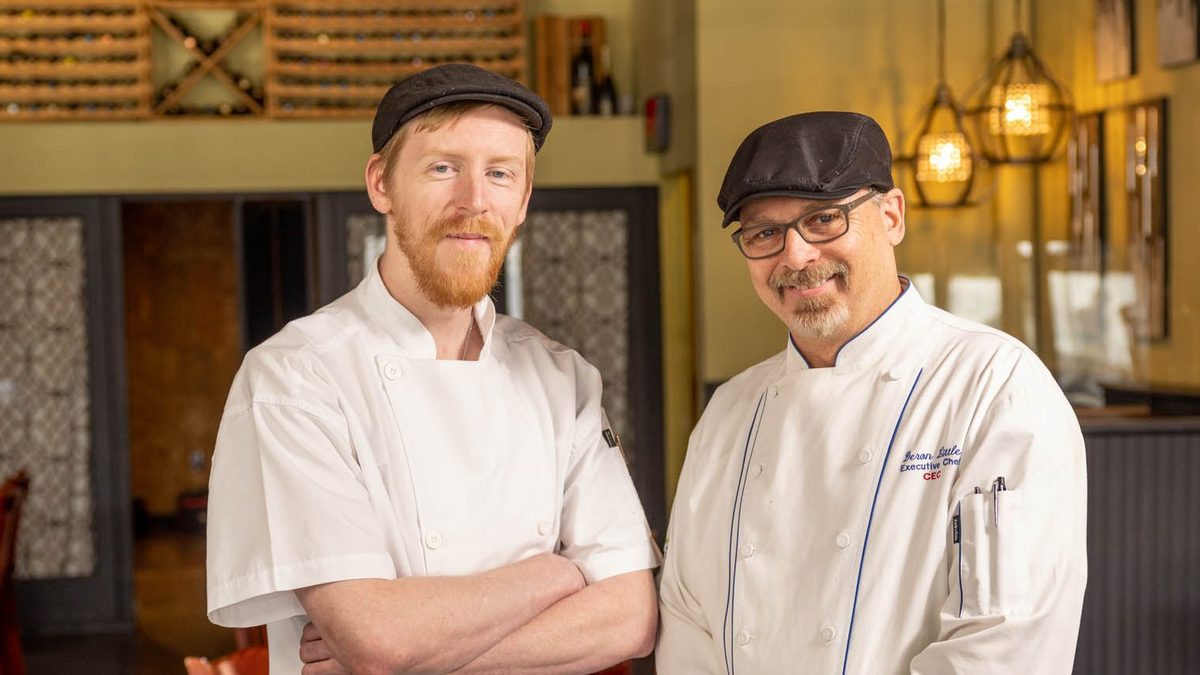
FeatureChefs Deron Little & Austin Altena | Seasons Innovative Bar & Grille
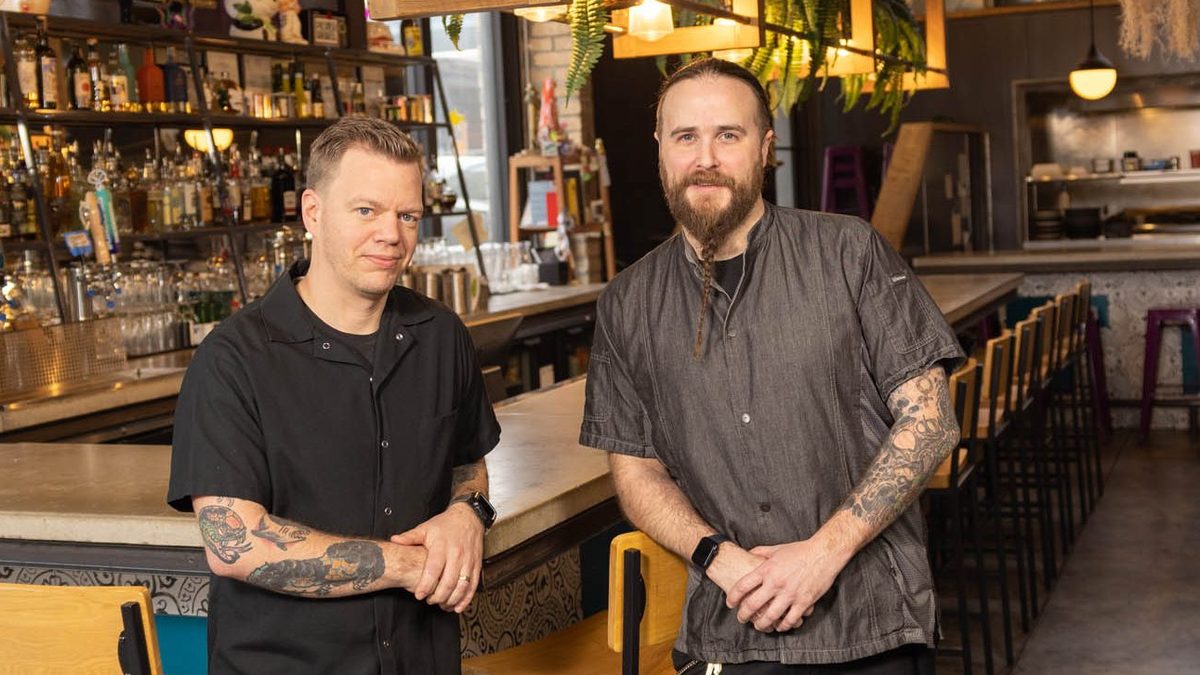
FeatureChefs Jesse Newmister & Lucas Trombley | Tako Taco
FeatureDo the Hustle
FeatureSurgical Precision
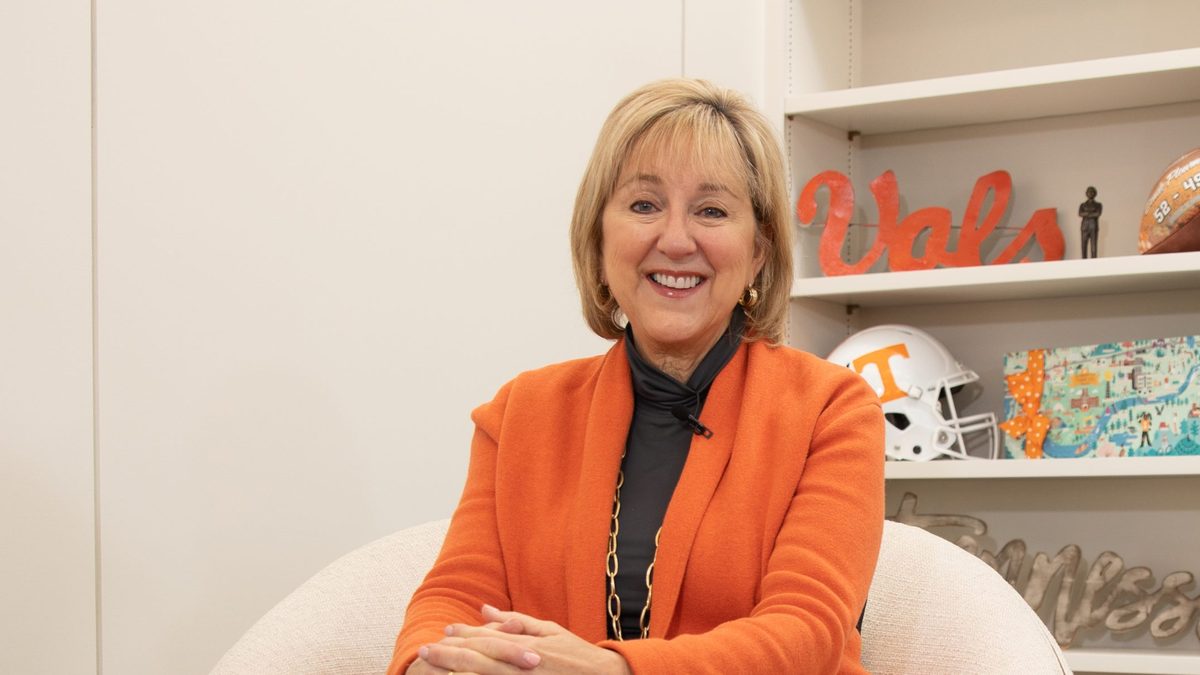
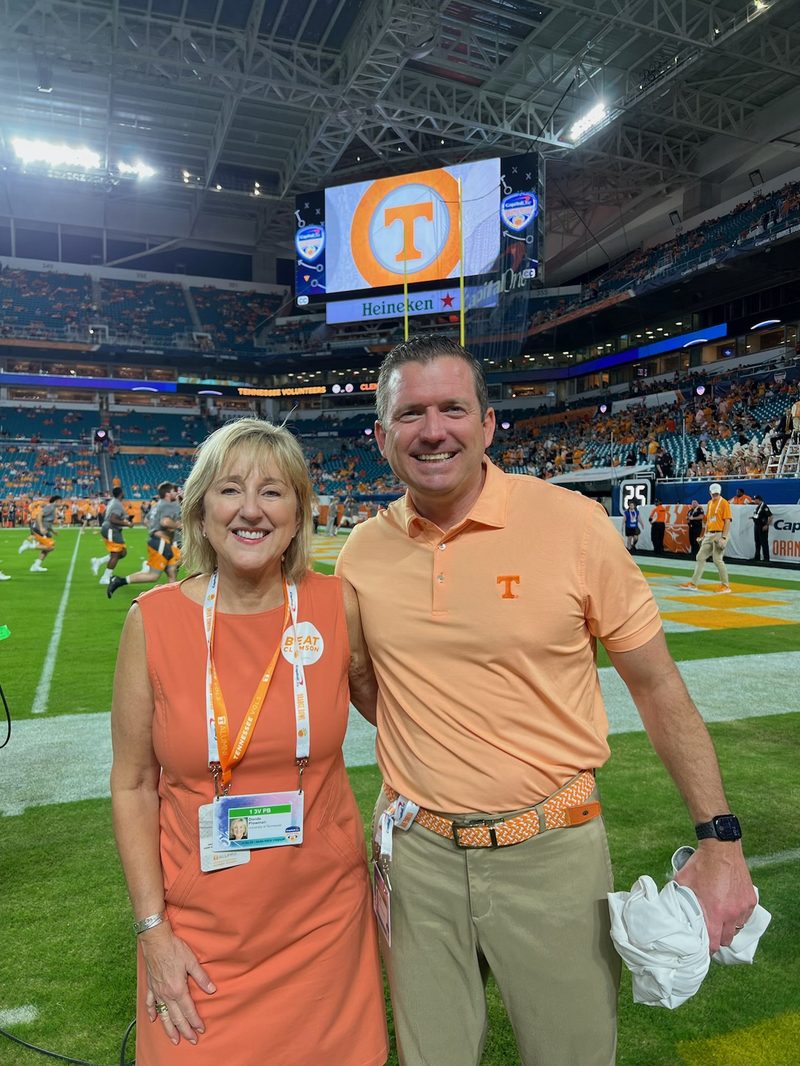
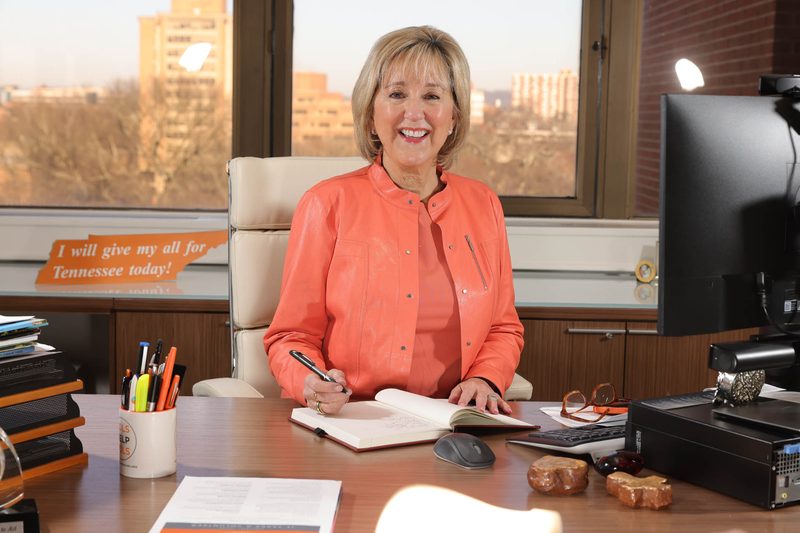
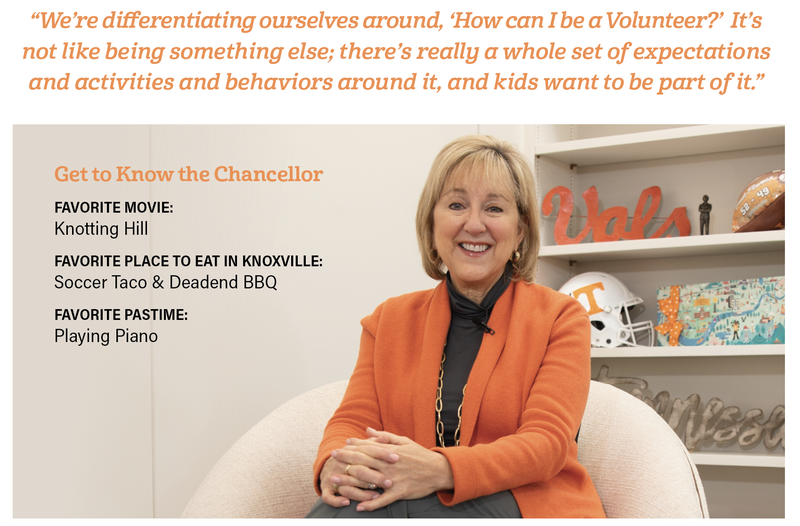
PeopleTalking with The Chancellor
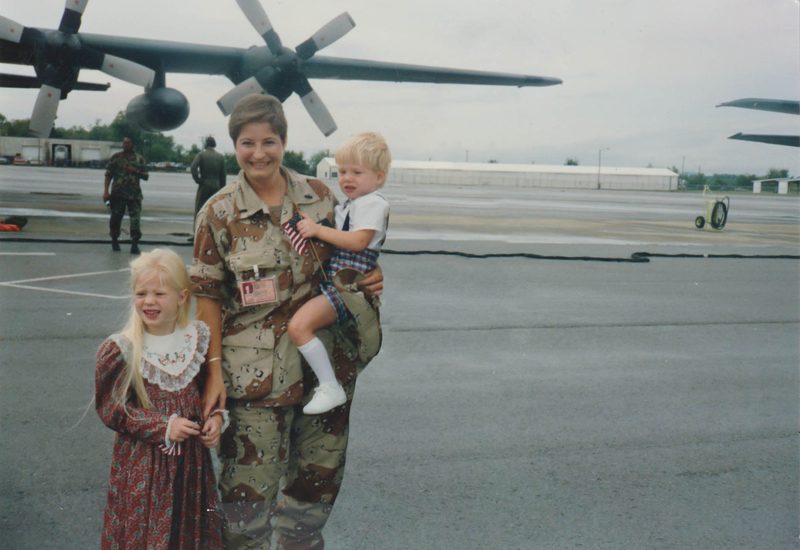
VeteranTo Save a Life
Reading Settings
100%
Mar / Apr 2023
Swipe to read →
Vol. 39 · Issue 2 | March April 2023
The PublisherMarch ’23 – From The Publisher
Departments
Arts & CultureDyeing to Create
MusicZoë Nutt
PoliticsNearly Dead, Mistakenly
InsightsExperts Required
DepartmentsUrban Wilderness Gateway
Departments[B]abylon Revisited
Dining GuideMexican? Yes, I can!
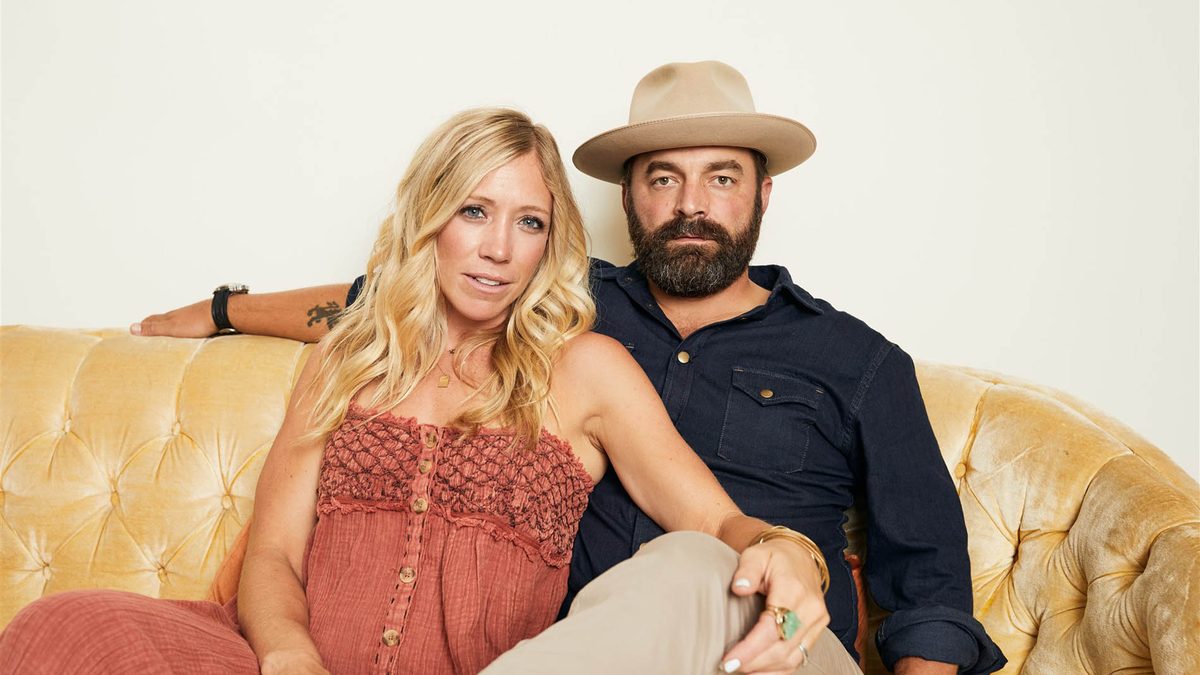
DepartmentsDrew & Ellie
Features
JurisprudenceTaking Its Toll
InsightsHealthcare Hassles
FeatureA Punch to the Gut
FeatureAging Gracefully
FeatureMarch Madness
FeatureModern Magic
Top DocsTop Docs 2023
Non-Profit“Yes, And….”
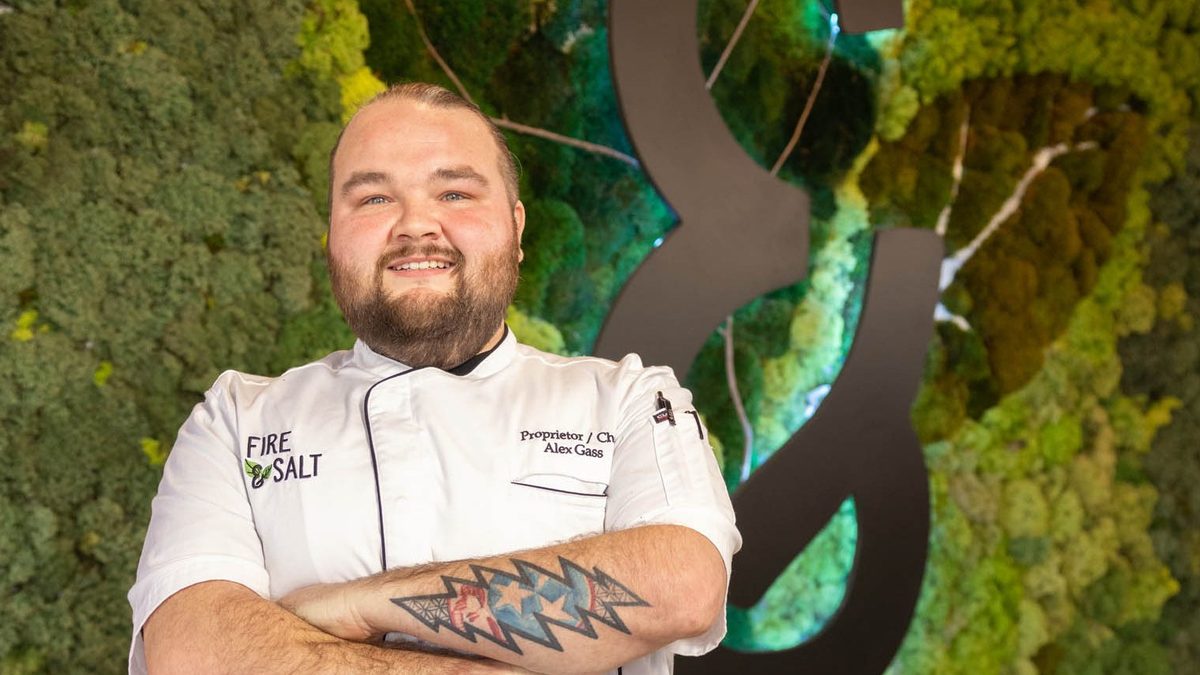
FeatureChef Alex Gass | Fire & Salt
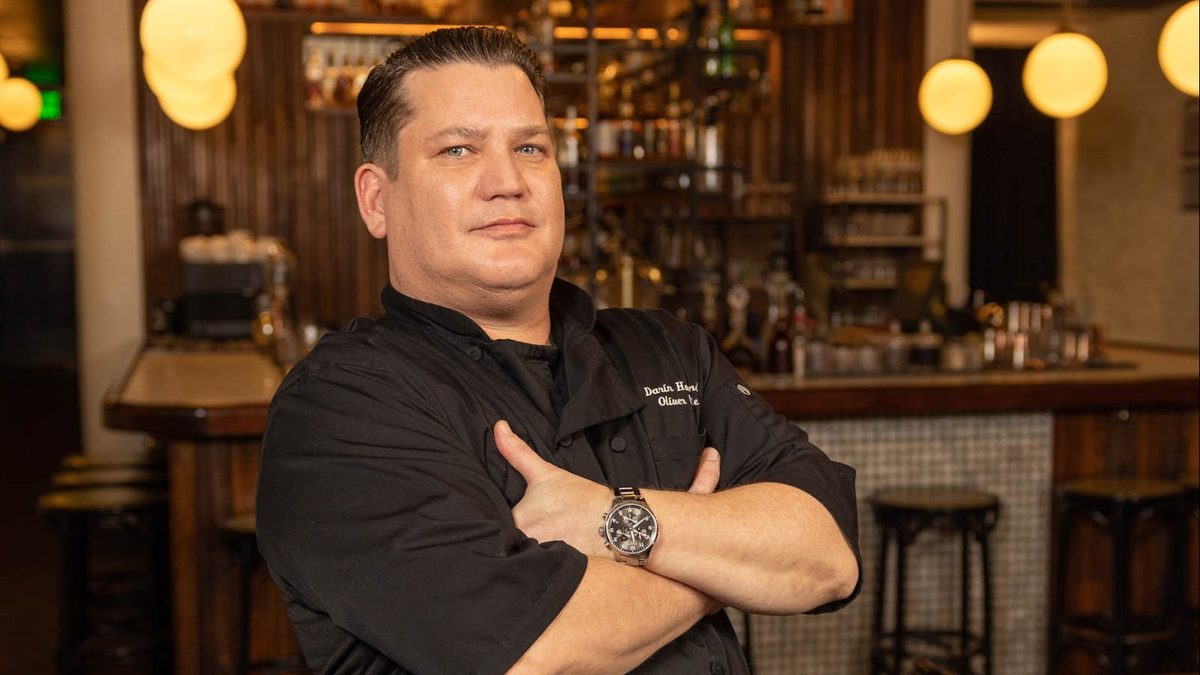
FeatureChef Darin Hoagland | Oliver Royale
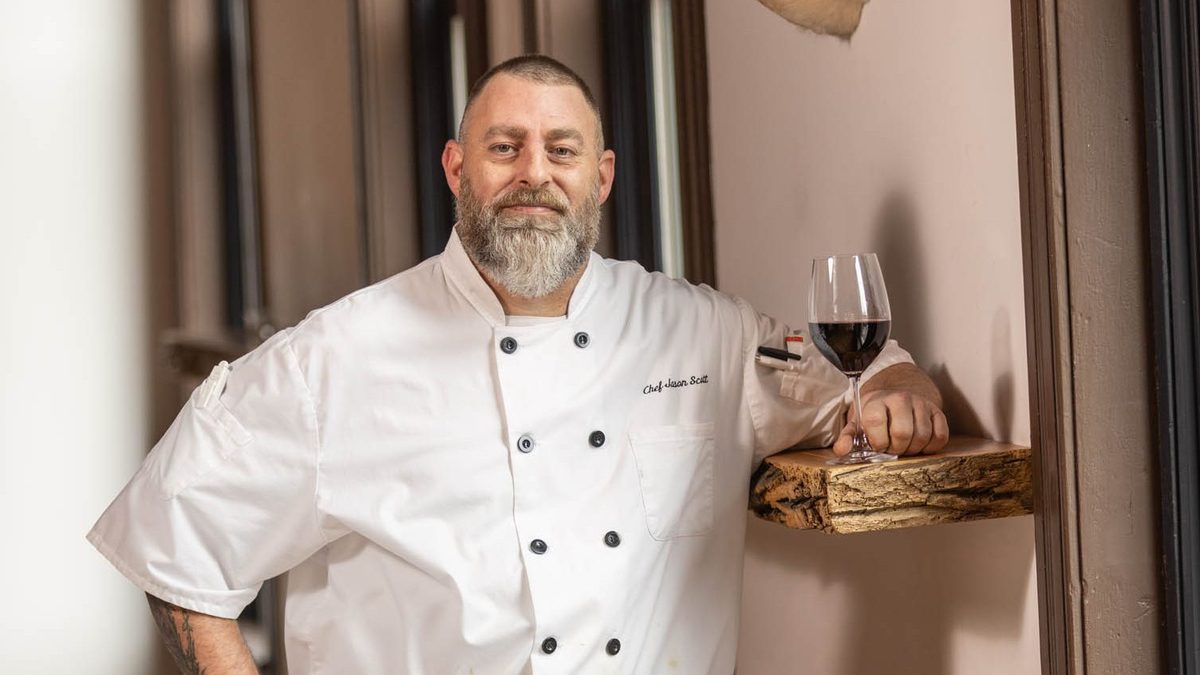
FeatureChef Jason Scott | Lonesome Dove
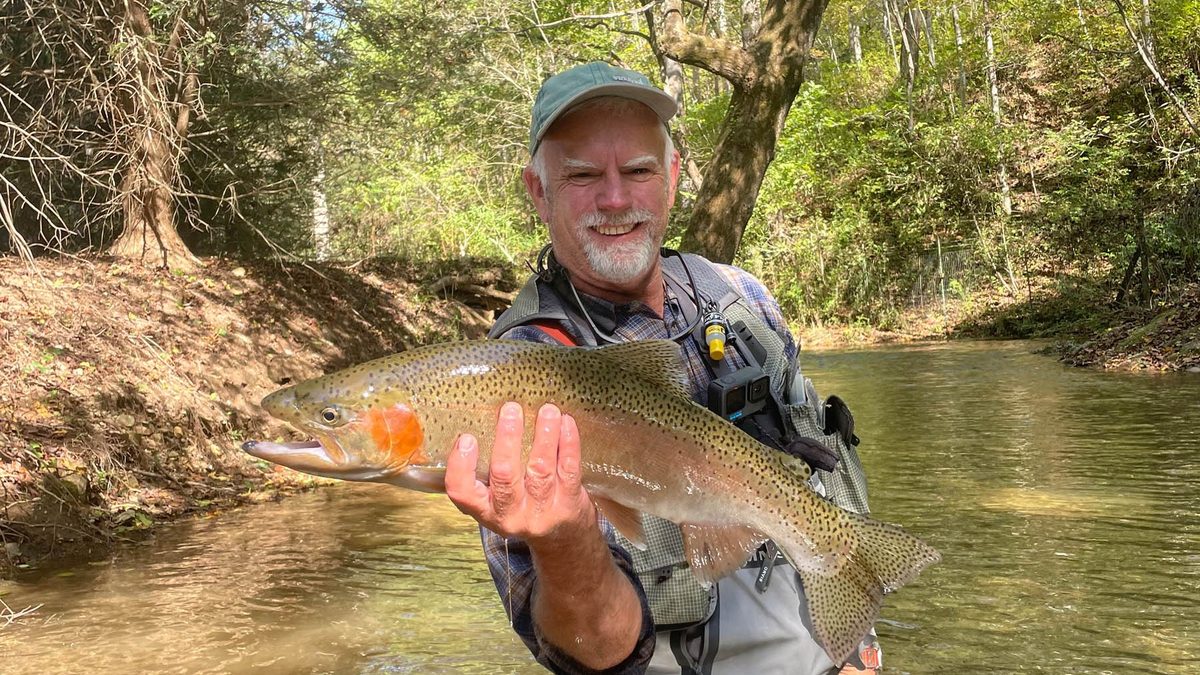
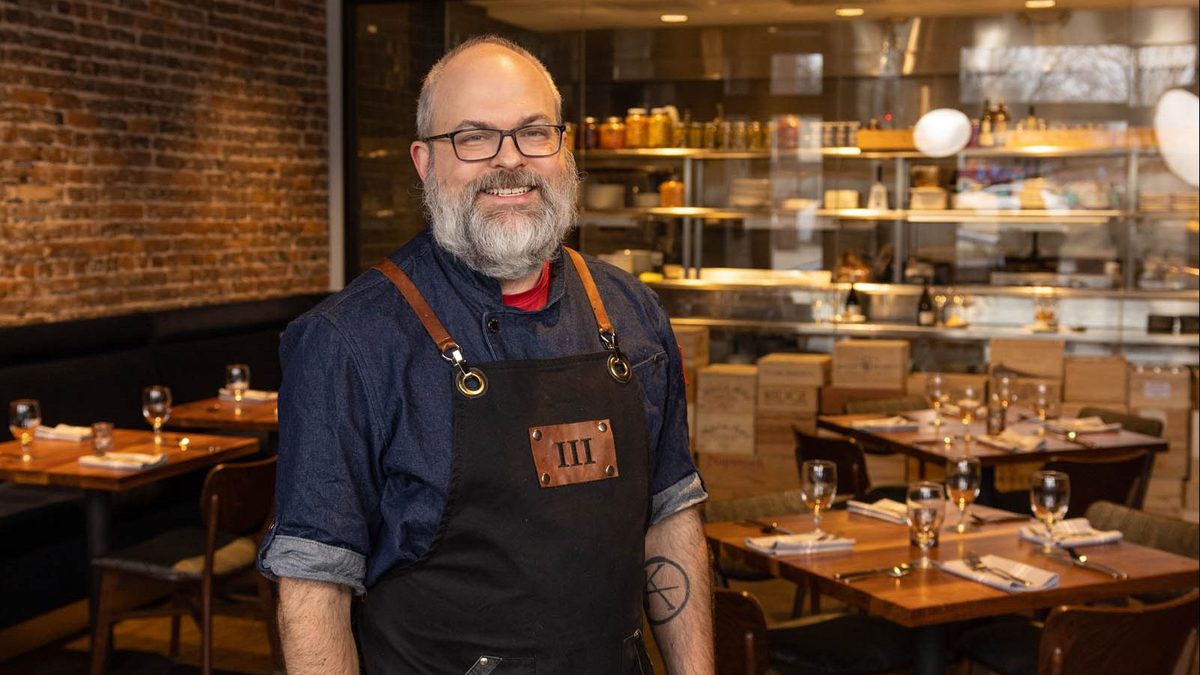
FeatureChef Robert McDonald | Bistro by the Tracks
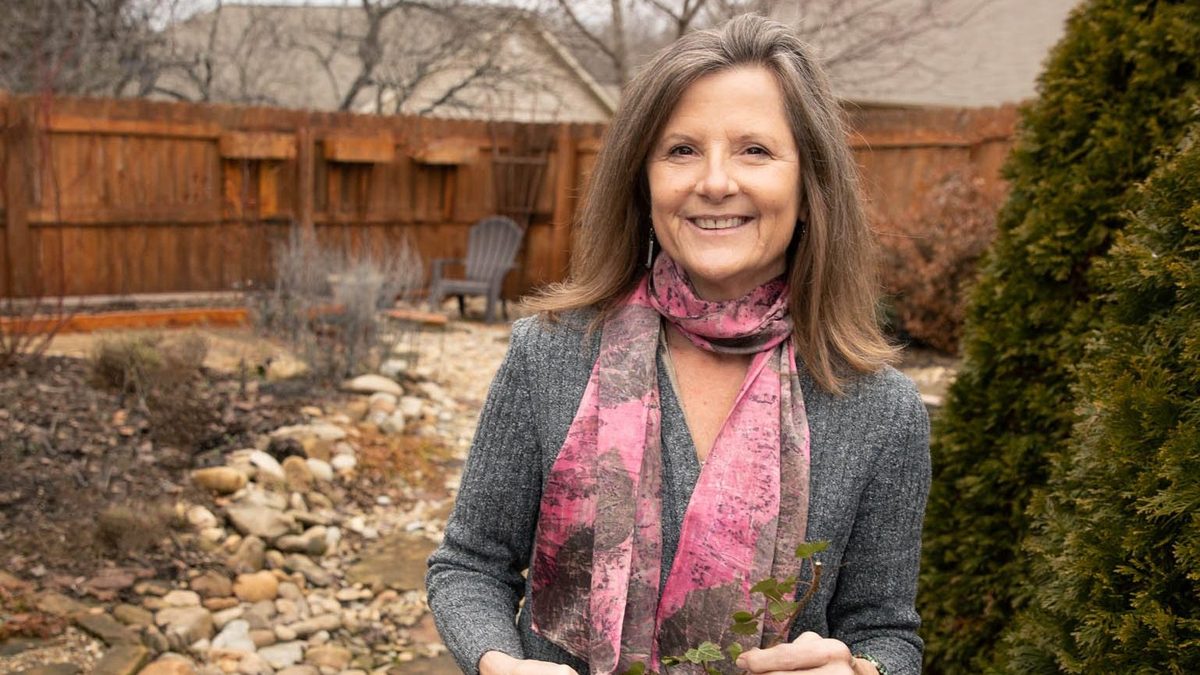
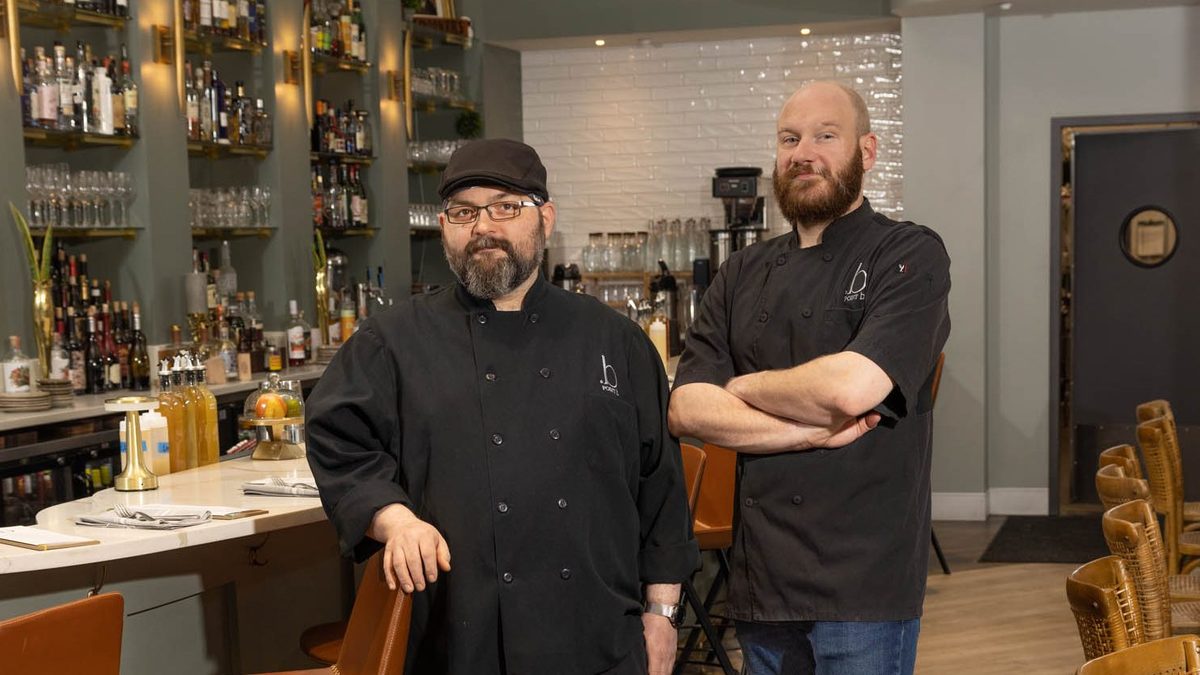
FeatureChefs Chris Cummins & Noah Goodfriend | Point B
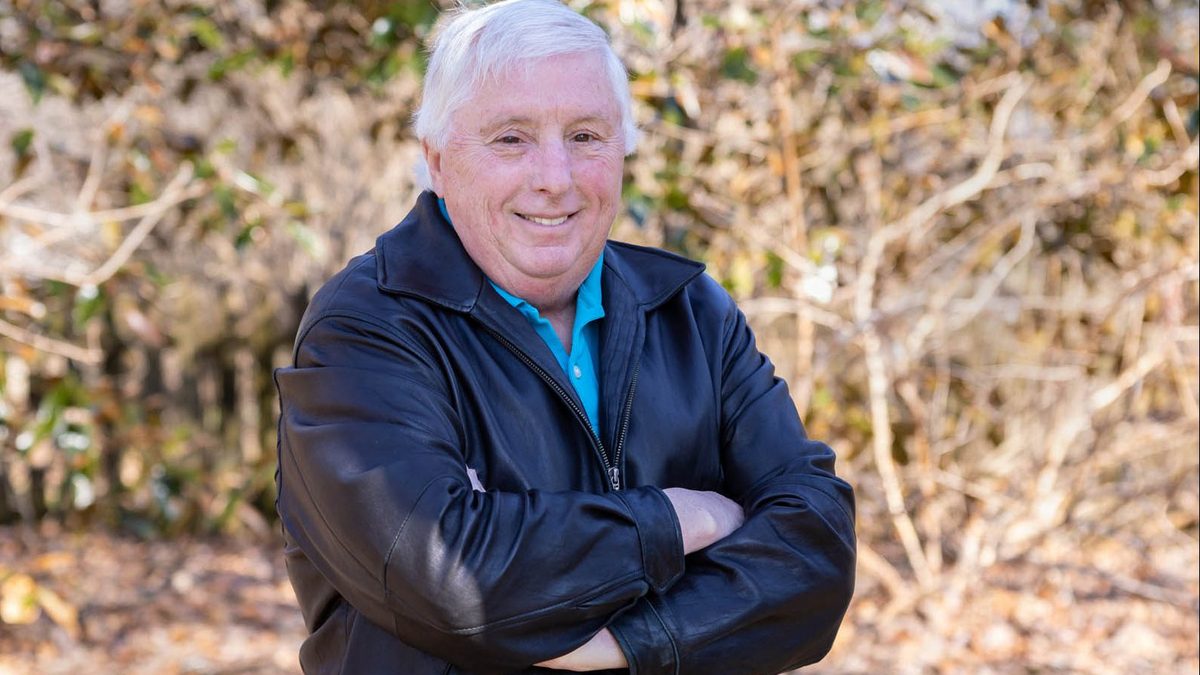
FeatureChefs Deron Little & Austin Altena | Seasons Innovative Bar & Grille
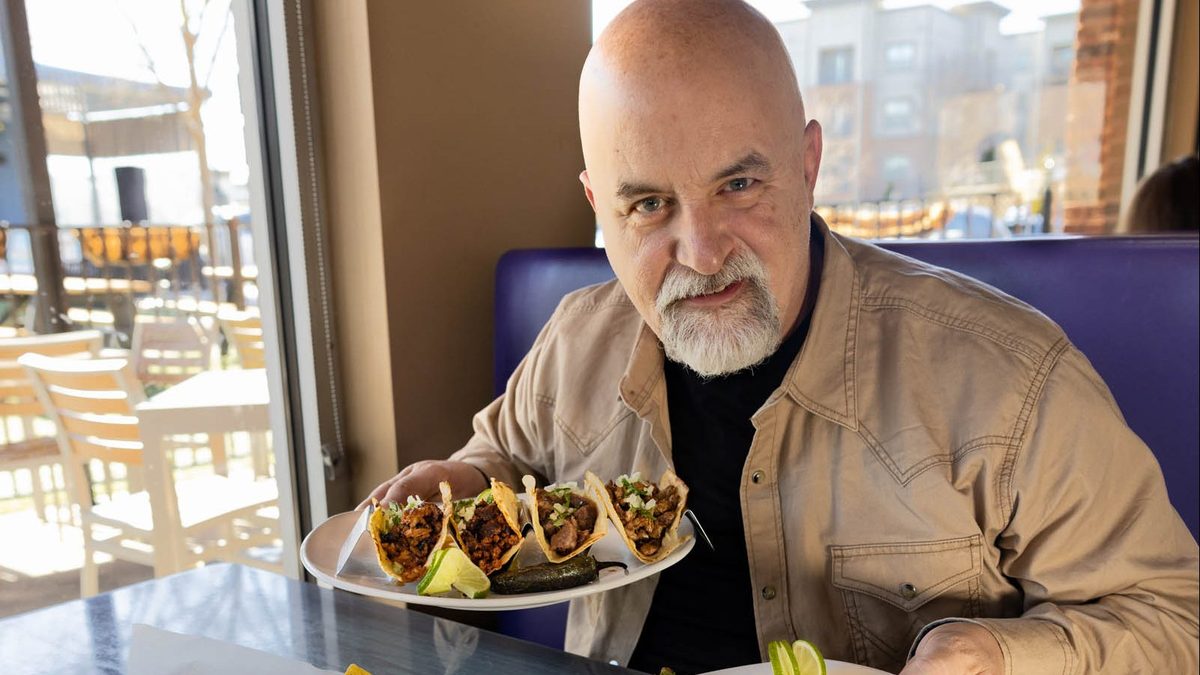
FeatureChefs Jesse Newmister & Lucas Trombley | Tako Taco
FeatureDo the Hustle
FeatureSurgical Precision
PeopleTalking with The Chancellor
VeteranTo Save a Life
→ Swipe to start reading
The PublisherMARCH APRIL 2023
March ’23 – From The Publisher
Dangerous Things
Story by Nathan Sparks
I remember when I learned I might have an attention deficit disorder. I was shocked. But then I laughed out loud. But not for the reason you might suspect. It was true. I had lots of challenges paying attention as a child. The rewards given back in the day were usually with the rod, and I was not spoiled; of that, there is no doubt. Attention deficit was the ‘strange angel’ on my shoulder. Mix in a goodly amount of OCD, and hell, I was off to the races.
I often fell asleep in class. Or, in the alternative, I fantasized about my next adventure. The teachers went so slow it bored me to death—well, almost. But once I was free from the confines of the classroom, I challenged myself in every way possible. I wanted to learn as much as possible about anything. One must find a tool to overcome the inability to focus. For me, that tool was to stay busy. I would choose a task and then repeat it over and over and over. And often, when it felt mastered, I would set it down. Move on to another thing to learn.
Sometimes even being busy was not enough. The more intense and dangerous, the less likely I would lose focus. So, we ran the whitewater rivers, climbed rock, camped alone in the forest, fished, hunted, and got into every kind of mischief imaginable. We did dangerous things because they were exhilarating. The term adrenaline junkie didn’t exist back in the day. But we didn’t care about monikers. What we cared about was learning. We wanted to explore our limits. We were somehow more alive when everything was on the line.
I have built a paradigm for life based on the idea that I am unwilling to accept something is unobtainable. For me, that’s deciding if the pain of achieving the goal will be worth the price of admission to the show. Every time in my life that I lose that vision, I get into a rut. And, as a friend once said, the only difference between the rut and the grave is the dirt in your face. For me, happiness is solving the problem at hand, no matter how difficult.
Today, we as a society face a problem with our children and younger generations. They haven’t been given the freedom to fail. I can’t see any of that fire in the eyes of our youth as they double-thumb their way through the mindless world of the tiny screen. They often operate with an unconscious incompetence and an expectation that when they fail they will be miraculously regenerated. The problem is we don’t live in a video game, and there is no free lunch.
There is no substitute for the thrill of victory, no better teacher than the agony of defeat. They need to experience the taste of blood in their mouths after a bad fall. There is no amount of participation trophies that can make up for the real experience of failure, “not bad” is never good enough.
The bigger question is how we help them turn the corner. They live in a soft world, and they are soft. But it will not last. The day will come when things will not be as easy. The day will come when those who are not prepared will suffer. It has been said that you either have to be smart or tough to survive in the world. Clearly, the really smart ones are both. Let’s open their door to success.
One of the greatest gifts a parent can give a child is freedom. For the parent, it is frightening. They ask, “Why would I let my child do something that might hurt them?” The reason is that is how they learn. Doing dangerous things carefully is how they learn. The joy of success enriches their desire to try more. The pain of failure teaches how to approach the situation with more respect. Of course, I didn’t realize just how much freedom my parents allowed until I became one. The challenge we all face is to be as brave as my parents were and allow our children to do dangerous things. Thanks Mom and Dad for that gift.
→ Swipe for Next Story
Arts & CultureMARCH APRIL 2023
Dyeing to Create
Debbie Alley transfers nature to fabric for abstract botanical prints
Story by Susan Alexander
Where nature and science and art collide is where Debbie Alley’s creations live.
The silk scarves, linen napkins and wall art she makes begin with a walk in the woods or in her West Knoxville backyard. A redbud leaf, a dogwood bloom, maybe a fern or some moss will catch her eye. “I’m a total texture nerd. Details and colors are so engaging to me.”
Once home with her discoveries, she sandwiches them between layers of natural fibers and processes them in a hot water dye bath that contains iron or copper. The process, called eco printing, causes the tannins in the leaves and flowers to react and print on the natural fibers. It’s something she learned through Silk Painters International at Arrowmont School of Arts and Crafts in Gatlinburg. Once the images are dried and pressed flat, she scans them to create a digital file suitable for enlargement and printing onto fabric, paper, and other materials.
A lifelong artist who got her start sewing at her grandmother’s side, Alley created and sold custom quilts while her two boys were growing up. Later she worked as a graphic artist for Pilot, and then at UT as a human resources consultant before returning full-time to her own artwork about a year ago.
She calls her pieces abstract botanicals. “I love working with redbud leaves; they make a beautiful heart,” she says. “We’re so fortunate here to have so much foliage. I love all the hardwoods: sweet gum, walnut, hickory, sycamore, maple…”
In addition to transferring nature’s bounty, she dyes her fabric, leaning toward pale yellows, pinks and lavenders, ivory and browns. She enjoys treasure hunting for vintage linens at thrift stores to create napkins too pretty to use at the dinner table.
Her work can be found at the District Gallery and soon at Artisan Woodworking in North Knoxville. She’ll participate in ArtXtravaganza at Webb School in early March and other shows later in the year. Looking ahead, she’d like to move further into home decor. “I would love to see these designs on bedding and lampshades and tabletops. There are so many options with print on demand. Sweet gum and magnolia would make beautiful wallpaper. We’ll see what happens. I went to High Point Market a few years ago. That’s where I want to be.”
Forging a music path through passion and perseverance
Story by Chris Blue
Sitting down to talk with Zoë Nutt was nothing short of inspirational. Hers is a story of tenacity and perseverance, of chasing dreams no matter how out of reach they might feel. A rising star in the music industry who is quickly making a name for herself locally, Zoë’s journey to success has not been the easiest, but her determination to lead her life with purpose has propelled her forward.
Growing up in Knoxville, Zoë wasn’t always the kid who knew what she wanted to be. “I was always nervous and shy as a kid,” she says. “I was the bedroom poet type, always writing something in my room, drawing something, coming up with a poem or lyrics.” She stumbled into music by auditioning for a high school musical and later taking voice lessons. Through these, Zoë discovered her love—and talent—for performing.
She went on to study classical music at Belmont University in Nashville. While there, Zoë found a supportive environment for her interest in commercial and alternative music. She was able to experiment with different genres until an eclectic sound,hersound, emerged. However, the competitive Nashville music scene made it difficult for her to stand out, as did her schooling. “I almost finished my full degree in classical music at Belmont and found that I was pretty sad and not enjoying my musical career,” she says. “With classical music, there’s a perfectionism around it. And it was something I was realizing is not how I want to express music personally.” She found a new perspective through a difficult break-up. It was through this tough time that she wrote her first songs and was accepted into a songwriting program.
While she doesn’t hail from a “music family,” two particular people in her life laid the groundwork for her eventual emergence in the industry. Her grandmother performed in a traveling family band when young, and while Zoë didn’t grow up with this experience, she always appreciated the story. “That was something that was always fascinating,” she says. Couple that with a father who spent car rides analyzing the meaning behind the lyrics of the songs they listened to, and Zoë found herself with places to turn for inspiration. “My dad was not afraid to share songs with us and get us asking questions,” she says. “The funny part about all of this is I’m hearing impaired, so listening to lyrics actively is not the easiest thing for me. But he imparted the importance of not just how you sing, but what you’re saying.”
Zoë is deaf in her right ear. She has been since she was 8. But she found her hardest days in college just after she had made the switch from classical music to songwriting. “That first semester of school and songwriting class, I woke up one day and I couldn’t hear anything out my only working ear, my left ear,” she recalls. “I knew no one and I couldn’t hear any more, so a lot of that semester was me trying to figure out what was wrong with me.” She didn’t give up, though. She buckled down, taught herself what she needed to do to pursue the life she planned. “I had to reteach myself how to hear, how to really closely listen to things and do a lot of guessing,” she says.
Earlier this year, Zoë took to social media to document one of her most positive chapters: getting her cochlear implant, a surgically implanted electronic device that improves hearing for those with hearing impairments. She invited followers to walk with her through the journey as a hearing-impaired musician, through to her surgery and recovery. “That’s been a lifeline and a godsend,” she says of the implant.
Zoë’s journey is a testament to the fact that success doesn’t come easy and often requires patience, persistence, and the courage to pursue your passions despite the obstacles that come your way. And those messages can be found within the chords and lyrics of her music.
Her EP, released just this past January,”Say What You Want to Say,” tells the story of being true to oneself and not being afraid to be who you are. Her son “Rescue” commends people for reaching out to say they need help. “There’s nothing shameful about it,” she says. In “Wildflower” she tells the story of being more than what is perceived on the outside. “Wildflowers can grow just about anywhere,” she says, adding that she wanted to remind herself and other women that they can be both beautiful and tough.
When you look up the name Zoë, you’ll find it is Greek for “life with God.” “It came from my parents,” she says. “They chose the name as a reminder to live one’s life with God. My middle name, Eve, also has a biblical meaning.”
A talented singer and songwriter who has overcome many challenges to reach where she is today, Zoë performs throughout the region and writes songs in her spare time. With her unique sound and style, she’s definitely one to watch in the music industry.
Like a beacon of hope in a sea of uncertainty, Zoë’s music reminds us that with hard work, perseverance and faith, we can achieve our dreams. Follow along with Zoë on her journey atzoenutt.com.
→ Swipe for Next Story
PoliticsMARCH APRIL 2023
Nearly Dead, Mistakenly
Ratings and Certificates of Need keep hospitals under the microscope of the public eye
Story by George Korda
They came really close to killing you,” said a hospital’s diagnostic treatment department chief. His eyes would have looked like sunny-side-up eggs had the irises been yellow. Several years ago, feeling as if each heartbeat was a stab wound, I went for a seven-hour stint in a Tennessee hospital emergency room and was diagnosed with pericarditis, an inflammation of the pericardium, the thin saclike tissue surrounding the heart. Pericarditis hurts. Big doses of ibuprofen eliminated the pain, but my heartbeat didn’t return to consistent rhythm.
A month later, at 2 a.m. on a Sunday morning, I awoke with heartbeats racing so fast I couldn’t count them. At 3 a.m., off to the emergency room. The ER doctor, speaking by phone with a cardiologist, brought me several medication doses to try to restore my heart rhythm. Nothing worked. I was admitted as a hospital inpatient. At about 7:30 a.m., I rolled over on my back. A nurse appeared. “Mr. Korda, are you all right?” I answered, “I feel bad.” My wife, who’d been sleeping in the room’s reclining chair, awoke. She saw nurses gathering at their hallway station, and wondered who was in trouble. Then, they raced into my room, bringing medicine, other equipment, and a defibrillator.
They went to work on me, moving quickly, but not hastily. They were giving directions, responding to each other, all with grave looks on their faces. They were doing some fussing, too, but not at each other, rather about the doses of medicine I’d been directed to take a couple of hours earlier. All the medication to get my heart under control had coalesced, and it was driving to dangerous depths my blood pressure and heart rate. As I recall, the bedside monitor showed my blood pressure somewhere near 60-40, well below the danger line of 90-60, as the National Heart, Lung and Blood Institute explains on its website: “If your blood pressure drops too low, your body’s vital organs do not get enough oxygen and nutrients. When this happens, low blood pressure can lead to shock, which requires immediate medical attention.”
I realized I might be dying. This was how it was going to end? With me helpless, silent, with desperate people desperately trying to save my life? Then, I wondered why I wasn’t terrified. Instead, I was strangely unafraid, which I attributed to my Christian faith. I looked again at the nurses. “I feel bad,” seemed like such pathetic last words, but I was too weak to say anything. With that, I felt myself drifting into unconsciousness…
Sometime later, I don’t know how long, my eyes blinked open. The nurse was there almost immediately. Numbers on the monitor showed my blood pressure still lower than normal, right at about the baseline numbers below which might lead to danger. “How do you feel?” the nurse said. “I feel better,” I answered. Then came the question uppermost on my mind: “Did my heart stop?” She smiled and said, “It paused.” That seemed a distinction without a difference. The nurses saved my life. But what had occurred in the ER wasn’t meant to hurt me: the doctors had been trying to help. Had I died, that would have been another distinction without a difference.
A medical error—however unintended—would have been the culprit. A 2016 report on medical errors in the publication The BMJ cited medical errors as possibly America’s third leading cause of death, which was variously estimated at 250,000 to 440,400 a year. The report sparked great debate about patient safety and health care quality. One result: ratings organizations and sites that score medical quality and safety, even a patient’s experience, who make those reports public. The Leapfrog Group is one of the best known, and grades hospitals according to results of safety surveys and practices, (www.leapfroggroup.org/ratings-reports). Among other respected sites are Hospital Compare (hospitalcompare.io) and the Joint Commission’s Quality Check (www.qualitycheck.org).
The Leapfrog Group publishes safety grades on 3,000 hospitals. Fifteen Knoxville-area hospitals are listed: eight have ‘A’ grades, seven have a ‘B’. Among Hospital Compare’s information is quality of care, emergency services, hospital-associated infections, mortality statistics, and cost. Quality Check gives detailed rundowns on scores of quality issues of Joint Commission- accredited providers. The Joint Commission is America’s largest healthcare accrediting organization.
Ostensibly for patient protection, health care is among America’s most highly regulated industries. But certain regulatory aspects may inadvertently
be problematic, such as the Certificate of Need process, through which a government-created entity decides when, or if, a health care facility can be built or expanded. Thirty-five states, Tennessee among them, have laws associated with this process. Tennessee’s Certificate of Need, the state says, “is a permit for the establishment or modification of a health care institution, facility, or service at a designated location,” and, “seeks to deliver improvement in access, quality and cost savings through orderly growth management of the state’s health care system.” But it’s not universal: as of 2021, 12 states had eliminated such laws.
Even if approved, this effort adds time and cost to any applicant. Is it worth it? A 2020 analysis of 90 published articles on Certificate of Need laws, found on the National Institute of Health’s National Library of Medicine, says though findings are uncertain and need further study, “The literature provides mixed results, on average finding that CON increases health expenditures and overall elderly mortality while reducing heart surgery mortality. Our cost-effectiveness analysis estimates that the costs of CON laws somewhat exceed their benefits…”
A Nashville Tennessean Sept. 22, 2022 op/ed weighed in on Tennessee’s Certificate of Need law. While lauding such changes to the regulations that exempt from the law “health care services and facilities in economically distressed counties without existing hospitals,” the piece nevertheless maintained that the Certificate of Need law should be repealed altogether: “CON laws thus have a counterproductive effect: protecting entrenched interests by limiting the number of medical providers and services offered in a given area. Naturally, that limitation of health care supply further increases costs and decreases access.”
While competition is typically understood by Americans to drive down costs, some argue that the opposite is true of health care. An example: different providers both purchase expensive technology, meaning both feel they must raise costs to justify the investment. The arguments for and against health care competition are made endlessly. But if competition weren’t important, there’d be no justification for safety, quality, and patient experience ratings, all of which enable Americans to choose – competitively – which facilities they prefer.
Health care is a multi-billion-dollar industry that by 2028 is projected to account for one in every eight new Tennessee jobs. More importantly, our lives are in these folks’ hands, sometimes figuratively, often literally, as I learned as a result of a medical crisis I had no inkling I’d ever experience. It’s good for Tennesseans to know how their health care providers rate, and the process by which they’re able—or unable—to provide new or expanded services. And it’s incumbent on Tennesseans to make use of these sources. For safety’s sake.
Then came the question uppermost on my mind: “Did my heart stop?” She smiled and said, “It paused.” That seemed a distinction without a difference. The nurses saved my life.
→ Swipe for Next Story
InsightsMARCH APRIL 2023
Experts Required
When the chips are down, you don’t need opinions you need facts.
Story by Bruce Fox
There is certainly no shortage of opinion in our social media fueled world. But as technology increases I wonder about the general decline of expertise. Look anywhere online and somebody will tell you they have the answer to any problem for the price of just a few dollars. That can be entertaining but should not be confused with expertise.
Expertise is essential in today’s world, and the responsibility that comes with it is significant.”. Lawyers like myself often use experts to determine if a case has sufficient merits. Before accepting the case, we want an unbiased opinion of the facts from a true expert. It is not uncommon for a client to come to a meeting seemingly knowledgeable about a particular matter. Usually that is based on a bit of google research. Undoubtedly, it is helpful for them to have some basic knowledge of the subject. But being knowledgeable is far different from being an expert. Knowledge is more general and can be learned in various ways, like the internet, while expertise is a specialized skill. Obtaining expertise requires years of education, training, and experience in a specific field. Being an expert also comes with a significant responsibility. It requires the individual to have a deep understanding of their field, but more importantly, to reliably share that expertise with others.
In today’s society, fake experts have become prevalent with the advent of the internet and artificial intelligence software. Ask ChatGPT to compose an article and in mere seconds it will. Does that constitute expertise? I don’t think so. But make no mistake, it can be very helpful in collecting information, the problem comes in verifying that information and that is where an true expert’s experience comes into play.
If experts were to disappear, it would have significant consequences for society. Experts provide specialized knowledge, and ensure accountability. Without experts, there would be a lack of credibility, as anyone could claim to be an expert without the necessary knowledge and skills. This would lead to a loss of trust in institutions like our legal system. Decision-making would be based on opinions rather than evidence. Experts also contribute to the development of society by providing innovative solutions to complex problems. Without experts, progress in various fields would be significantly hindered.
When you find yourself in a pinch, it is certainly helpful to become more knowledgeable. Just remember there is no substitute for an expert when you need one.
→ Swipe for Next Story
DepartmentsMARCH APRIL 2023
Urban Wilderness Gateway
Hidden in Knoxville’s backcountry lies a landscape worthy of exploring
Story by John Quillen
If weekend traffic is any indication, Knoxville’s investment in the Urban Wilderness Gateway Park proved a success. Build it and they will come, indeed. Bikers from all over the country gather to disappear on the famous South Loop that takes them through four pocket wilderness areas.
Expect some strange sights in Knoxville’s backcountry. A boat on dry land and a bus sawed in half are part of the landscape here. When I saddle up on the mountain bike, these are just common waypoints. It used to be that a 12-mile lap from Baker Creek through William Hastie Natural Area, Forks of the River, and Ijams was enough to check my cardio box for the day. However, these Fellini-esque objets d’art are what make this truly a South Knoxville ride.
On the rare days of no rain, I have learned to veer right after passing Anderson School. Huge hardwoods flank hollers that see little traffic when the skies are blue. This part of the Urban Wilderness is called Trans Farm, and we locals bomb that back section with reckless abandon. Watch out, though. Deceptively smooth and cruisy appearing, there are big dips with creeks to slow you down or go head-over.
It’s kind of difficult to find at first, which lends to the appeal. Pass a little lending library (you heard me correctly), turn right and parallel a branch of Burnett Creek. Then jump it. Dodge brambles and briars in the warm months and keep an eye out for Cujo, a dog that sometimes escapes his fence. These are the landmines we willingly suffer to have something to ourselves. Persevere and your reward is single track with all the speed you are willing to pedal.
There’s only one thing left to do before saying goodbye to trails with names like Chain Ring and AC/DC. Gingerly I lift the glass case propped up here in the woods, the envy of any school kid pried from a joystick. This lending library needs an old, retired hardcopy ofCaptains Courageous, rescued from obscurity in my basement. I think Kipling would have approved.
→ Swipe for Next Story
DepartmentsMARCH APRIL 2023
[B]abylon Revisited
Point B is a little bit of Paris in Knoxville
Story by N. Brooks Clark
Owner Daniel Goss likes to tell both the long and the short versions of the founding story of Point B. The condensed version starts in the dark days of the pandemic lockdown in March 2020, when Goss had to furlough the employees of the Downtown Grill & Brewery, including himself. Some employees asked, “What should we do?” Goss replied, “We’re all at Point A. We’re like ducks. We keep moving forward, and at the end of this, there’s going to be a Point B.”
Much as Charlie, F. Scott Fitzgerald’s protagonist in the novelBabylon Revisited, cannot escape his past, Goss uses his past to inform the present. “Our neighbors said, ‘You should start a restaurant and plan for all the ducks to go to work there.’ And that made perfect sense to me.”
Goss and his wife Cyndie, an interior designer, used Fitzgerald and the Jazz Age as inspiration for the restaurant’s interiors, a warm and inviting mix of muted gold, gray, and Mediterranean blue. Cyndie envisioned the Gatsby-like bar with soaring shelves, a brass bar rail, and lighting that could have come straight from French architects Perret and Sauvage.
Speaking of the bar, much of the allure for the after-work crowd is an extensive, 2022 Best of Knoxville wine list, a prodigious array of bourbons, ryes, and whiskeys, and an ever-evolving menu of craft cocktails. Some are signature concoctions, headlined by the Charleston Fizz (Tito’s vodka, raspberry and peach liqueur with muddled orange, local honey, topped with Prosecco). Others are seasonal offerings, and we could not resist the Genepy Suisse Miss of post-modern cacao, Genepy Alpine and coffee liqueurs, cream, and absinthe, garnished with fresh-grated nutmeg.
With an eye to families, Point B offers Mocktails for kids, who feel trés sophistiqué sipping a Kickstand (golden chai tea with fresh lemon juice and honey simple syrup) or a Rosemary Citrus Smash (house-made rosemary simple syrup, orange simple syrup, and lemon simple syrup with muddled orange and soda water).
A low, deep-blue banquette separates the bar area from the dining room, allowing diners to enjoy the energy and activity at the bar while providing a quieter dining space. The banquette was clearly the place to be for the after-work crowd and was full of happily chatting patrons during the evening.
Perfect as starters or to share with your group, Point B offers six sampling boards, served on surfaces crafted locally by the father-son woodworking team of Tom and Dustin Day. You’ll find the traditional charcuterie array of meats, cheeses, pickled vegetables, and preserves here, but we went for the Tongan-influenced Uncle Koli’s Nacho board of wontons, pulled pork, BBQ sauce, mushrooms, mozzarella, cotija cheese, ham, avocado, cilantro, crema, and sweet Thai chili. It was amazing.
The menu—orchestrated by Chefs de Cuisine Chris Cummins and Noah Goodfriend, and Sous Chefs Brandon Ebeling and Spence Bender—features a remarkable and eclectic selection. Owner Goss is proud to source locally from Simpson’s Meat. Our winner was the Harissa steak, marinated in harissa sauce with street corn and crushed potatoes. Goss gets his wild-caught salmon from an eco-sensitive Norwegian team that makes the salmon dishes among Point B’s most popular, both the main dish and served atop a salad of organic greens, avocado, cucumber and cherry tomatoes, pistachios, pomegranate seeds, croutons, and caper dill vinaigrette. Ask him how the Norwegians use underwater laser-equipped drones to keep the salmon healthy.
In the winter months, heated clear-plastic bubbles in the patio area provide privacy and an outdoor experience. These bubbles are quite cozy, and if you ask, Goss will turn on the snow machine, surrounding your bubble with white flurries, like a movie set.
Point B evenings can end with a trip back to camp—a S’mores board with a tabletop mini-campfire (Sterno inside a tiny cast-iron fire pit) for roasting marshmallows to go with Graham crackers and chocolate. We couldn’t resist the bourbon banana pudding of house-made bourbon cream banana pudding topped with house-made whipped cream and wafers.
Whether you are looking for a cocktail and a nibble, or a nice meal with family and friends, you’ll feel right at home at Point B.
→ Swipe for Next Story
Dining GuideMARCH APRIL 2023
Mexican? Yes, I can!
From burritos and tamales to ceviche and everything in between, Knoxville’s Mexican cuisine is not to be missed.
Story by Marc Anthony
When an ethnic food becomes a staple of American cuisine, we all benefit from the world’s flavors and cultures. East Tennessee is home to as many Mexican restaurants as any place you’ll visit between here and Ciudad Juarez. Join me as we feature flautas, spotlight salsa, and taste tacos from hearty traditional to trendy new recipes.
Soccer Taco
Wait? They made a restaurant with two of my favorite things? Soccer and Tacos! I’ve watched hours of international futbol and eaten scads of Mexican favorites at the many Soccer Tacos around Knoxville. Many of my Saturday mornings have included Huevos Al Gusto, wait for it, Con Chorizo! Surprised? Don’t be! And yes, they have Lengua (tongue) Street tacos on the menu for the adventurous. We got a sneak preview of the extensive summer drink menu that’s going to rock your world highlighting rum, vodka, gin, and tequila libations. Possibly the most progressive and unique Mexican menu in town makes Soccer Taco a weekly tradition. Bearden, Market Square, & Northshore |soccertaco.com
Casa Don Gallo
Casa Don Gallo has a sign above the door and on the wall that says: Love, Tacos and Margaritas. You drop that comma and you have my mantra. I love tacos and margaritas. So of course I ordered the Arroz con Pollo and the CDG version of the Mexican pizza. I treat myself to one Mexican Coca-Cola per year to flash me back to before the New Coke fast one was pulled on us all. It was the perfect compliment to the Ceviche Vallarta consisting of shrimp, avocado, lime juice, onions and cilantro. All types of tacos pervade the Casa Don Gallo menu and the center-standing bar can start AND finish your evening with a panoply of margaritas. Rocky Hill |casadongallomex.com
SoKnoTaco Cantina
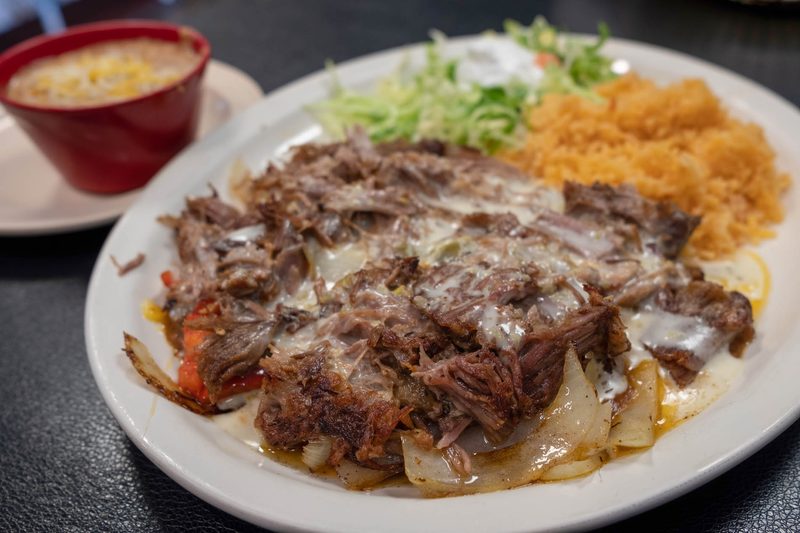
Mezclar La Carne. Article over. Thanks for stopping by. Chorizo mention number 2. And, oh, what a mention it is. I kick myself for not entering this wonderful restaurant previous to this visit, but I’ll be back. The art director of this magazine wanted photographs of two entrees per restaurant so I guess I just had to order the amazing Tamale platter. When a tamale has to be smothered into submission with all sorts of chili and cheese, you know they’re hiding something. SoKnoTaco serves tamales just as God intended, plain and perfect, and the cornmeal was straight outta Jalisco. Don’t be me, waste “Kno” time getting to SoKnoTaco. South Knoxville |soknota.co
Porton Mexican Kitchen
I love when a restaurant you have driven past a hundred times reaches out and grabs you by the taste buds. Nondescript, store-front and not in a high traffic area is where you will find Porton Mexican Kitchen in west Knoxville on Middlebrook Pike. You’re going to see chorizo mentioned several times in these reviews of Mexican restaurants because that’s my jam. On this open faced street taco, mounds of spicy Mexican pork served on a double corn tortilla was perfectly seasoned and swarmed with onion and cilantro and was an absolute delight. And because I’m eating for two (always), the Enchiladas Rancheros were a carnitas lover’s dream. Enter the porton at Porton! West Knoxville |portonmexicankitchen.net
Habaneros Mexican Grill
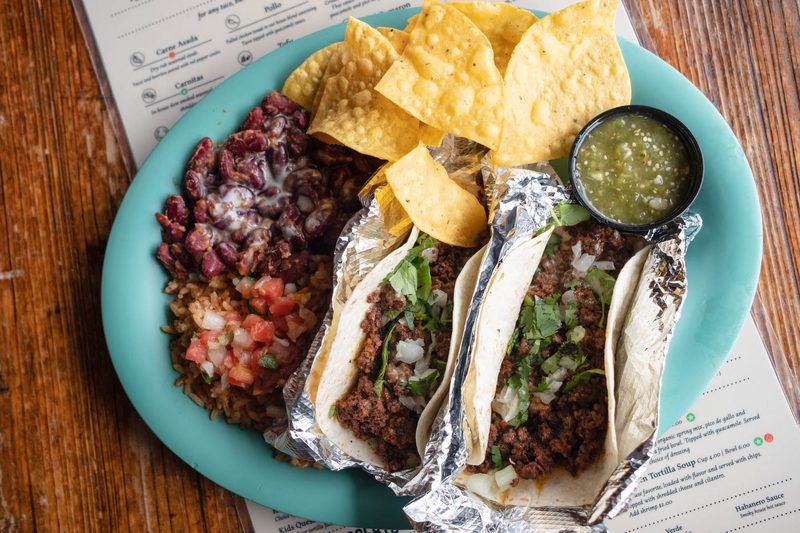
If you just want to eat Mexican food served straight up, hot and tasty with no frills, Habaneros is your place. Hearty and bountiful traditional meats wrapped in warm and fresh tortillas with south-of-the-border style side dishes are for the pure traditional Mexican food lover. I could eat refried beans and Mexican rice until the beef chimichanga came home and my plate was flooded with them. This style of Mexican cooking begs for the perfect cerveza and my Modela Especial wasn’t far from my plate. With nightly specials and a fully stocked bar, Habaneros needs to be in your Mexican restaurant rotation. East Knoxville, Fountain City & Clinton | (865) 253-7754
And Don’t Forget to Visit…
Chez Guevara
If a tourist shows up in Knoxville and they ask a long time resident where to get some Mexican food, the answer will invariably be Chez Guevara. If there is a Knoxville Mexican restaurant that benefits from word of mouth more than CG, then let me know. It’s not well lit, it’s not known for it’s decor and some might even call it a “hole in the wall” and yet, try to get a table there on a weekend night—or any night for that matter—as they are barely open 30 hours a week. Originally named La Paz, Chez Gee has staff members who have been there for more than 30 years and that has to speak for something in a restaurant that has spoken for itself for so long. West Knoxville |facebook.com/chez.guevara.knoxville
Tako Taco
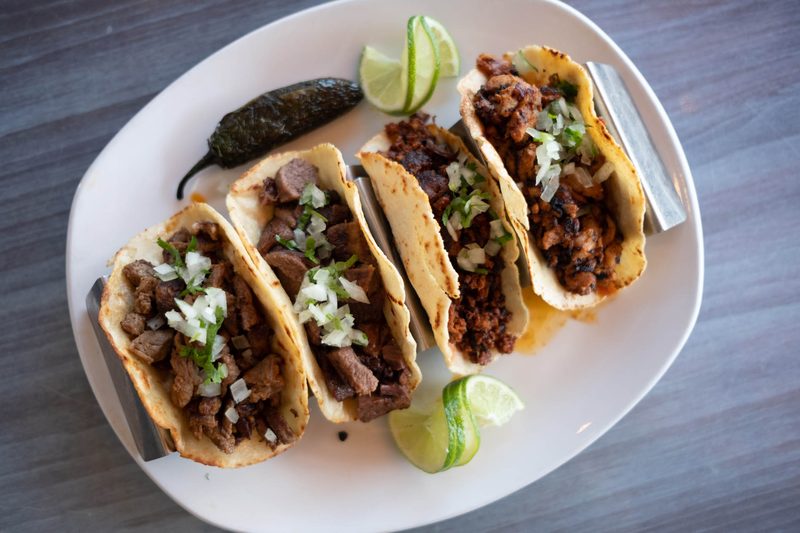
You don’t often hear the word eclectic linked to a Mexican restaurant, but when you come across tacos that involve octopus, lamb, braised pork collar, duck eggs and several other ingredients I had to look up, all I knew was that I better dive in teeth first. What an awesome experience and my taste buds danced like they’d strapped on a poncho and a sombrero. Tako Taco elevates the concept of elevated Mexican fare to a whole new elevation. And yes, those are octopus tentacles decorating the menu giving you a clue that you are going to experience Mexican like you have never before. Old City |takotacoknox.com
→ Swipe for Next Story
DepartmentsMARCH APRIL 2023
Drew & Ellie
Drew and Ellie Holcomb Get Back to their Roots
Story by Rebecca Whalen
Bijou Theatre | March 23rd, 24th, 25th | 8 p.m.
Drew and Ellie Holcomb’s story as a duo span a few decades. Drew and Americana band, the Neighbors, released their first album in 2005 and have been performing ever since. Ellie, who played with the Neighbors from 2012 to 2019, has since gone on to become a well-known name in Christian music. But amidst all the success, they still come back together each year to tour as a duo, keeping the Marble City forever on their list of stops. With a new single together, and a new take on their annual tour, the Holcombs are ready to bring East Tennessee three nights of folk-rock bliss.
Cityview: Tell us about your new single, “Bones.”
Drew Holcomb: Every line is like a photograph. I really wanted a song that was a back and forth between Ellie and I, that captured all the idiosyncrasies of a relationship and how people see each other through these light-hearted metaphors. And when I played it for Ellie, she just fell in love with the song and got it immediately.
CV: What does that creative process look like?
DH: People assume that we write a lot of songs together. But I bet over our careers, we’ve probably written fewer than 10 or 12 songs together. We create very differently, so it takes a lot of work for us to actually sit down and finish a song. Ellie’s melody first; I’m lyric and narrative first. We didn’t write a single song together for about six or seven years, so it’s been fun to kind of get back in the habit of that.
CV: What can folks expect from the tour this year?
DH: We wanted to kind of slow it down this year. So we thought, let’s pick six cities and specifically six venues that we really love. They might be places that we’ve outgrown if we’re playing in a city for one night, but if we stay for a couple nights, it makes sense to sort of camp out there. The Bijou has been a huge part of our story from the beginning—and it’s one of my top five favorite venues. We had kind of outgrown it—we now play at the Tennessee [Theatre], which is also an incredible venue—but we thought if we stripped this tour back to its origins, which is just the two of us, we can play these rooms and every night can be different. Between our separate careers and our career together, we have well over 140 songs to choose from. Just the two of us on stage, a lot of storytelling, a lot of fun.
CV: For our readers who might not know about your beginnings here, can you fill them in?
DH: Ellie and I met in Knoxville. We were both students at UT. I started a music career shortly thereafter; she was teaching at Fulton High School in her graduate program. That’s when we got engaged, and I convinced her to move to Nashville. Knoxville was one of the places I was playing pretty often. I was playing at Barley’s, Downtown Grill, Preservation, New City Cafe. But the Bijou was the goal venue at the time. It was probably 2008 when we first played it. Since then, for a decade, we played the Bijou almost every year. It’s been a very important place for us, one of the places where we felt our success in a way that gave us a vision for continuing to do this and making more music. It became a home venue for us.
CV: What are you looking forward to being able to do together in the three days you’re in Knoxville?
DH: Knoxville is one of the cities we’re bringing the kids—Ellie’s brother and his family live in Knoxville—so we will have a lot of cousin time when we’re there. We’ll go to some of our favorite places to eat. We may take the kids to the national park one day and show our kids the places we used to go and enjoy when we were in college.
Could new road options save the unending congestion in our beloved Sevier County?
Story by Gary Wade
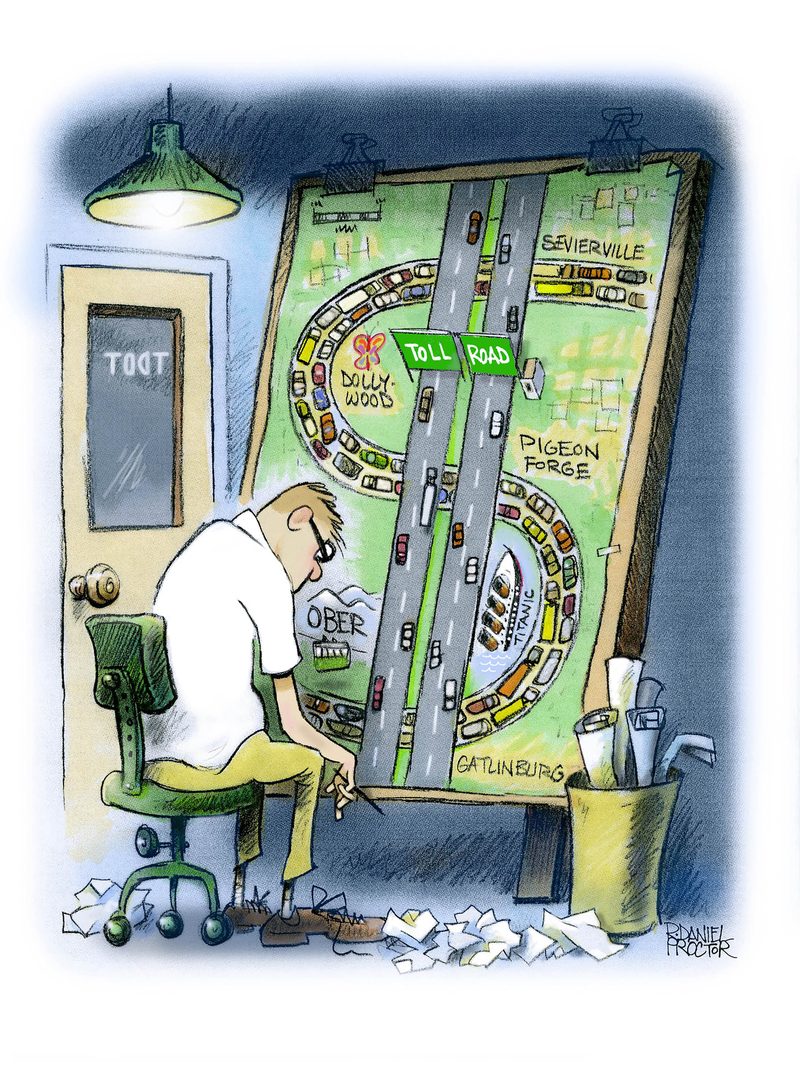
Over the years, many travelers have gladly paid for the privilege of driving the toll road to Disney World in Florida. Ditto on travels through the mountains of West Virginia to places like the Snowshoe ski resort. For those states, it makes sense—sort of like a house mortgage or vehicle financing. Like many other states that have also adopted this means of road construction, Florida and West Virginia have chosen to have a toll road sooner rather than later and to require their out-of-state users to help retire the debt. Easy access to their attractions benefits the bottom line of local businesses and especially does so for states like Florida, which, like Tennessee, have no income tax and rely almost entirely on sales tax collections to underwrite governmental operations.
Our most recent governors were quick to recognize and promote the tourist industry as perhaps the most lucrative investment for a state which places a premium on low taxes. Memphis has tourism and so do Chattanooga and Nashville, but no city in the state relies more on its vacationers than Sevierville, Pigeon Forge, and Gatlinburg in Sevier County. Since 2015, the extension of Veteran’s Boulevard (better known as the main access road to Dollywood) to State Route 66 at the Wilderness development has been the top priority for the Sevier Transportation Planning Board, an official body consisting of all the mayors and city managers in the county. Their elected officials in the Senate and the House of Representatives are fully on board. Consensus like that among local leaders is rare in any community.
Visitors who must travel through downtown Sevierville and negotiate their way through the unrelenting congestion along Dolly Parton Parkway are frustrated by the lack of response—so far—from the Tennessee Department of Transportation (TDOT). Sevierville’s city manager, Russell Treadway, describes the corridor named for its favorite country music star as “a major concern, operating with poor levels of service and unmanageable amounts of traffic.” Mayor Robbie Fox illustrates the point with current data: “In October of 2022—as compared to 2021, which was a bumper year in tourism—the number of vehicles on Highway 66 near Smoky Mountain Knifeworks increased to 1,924,226—over 62,000 per day as compared to some 58,000 in October of the prior year!” Even though the cities and the county have agreed to pay all engineering costs for the design of the extension and to underwrite the purchase prices for necessary land acquisition, little or no progress has taken place during the first term of Governor Bill Lee of Franklin, who has promised to make roads a priority in his last four years in office.
In fairness, Tennessee faces an annual shortfall of between $2.5 billion and $3.5 billion each year as the necessary expenses for roads are no longer supported by its revenue from gas taxes. As more electric vehicles travel the roads, the gap will widen. Studies by TDOT and the Tennessee Advisory Commission on Intergovernmental Relations have pointed out the problem. The question, of course, is the solution.
If those in power believe the state cannot afford the recent $100 million estimate for construction from Veteran’s Boulevard just to the Wilderness properties on Highway 66 or the $200 million more for an extension to a new I-40 exit, there is a lawful alternative. In 2007, the legislature passed the Tennessee Tollway Act, a statute designed to allow TDOT to explore tolling as an option for new highway and bridge construction. In response to the legislation, TDOT studied the issue. Stipulations for consideration at that time were as follows: (1) the toll must be for new construction; (2) there must be alternative routes available without a toll; (3) there must be public support; (4) local elected officials must be supportive; (5) a project must be in the state’s Long Range Transportation Plan; and (6) management of the project, as financed by the issuance of state bonds, must be by TDOT’s commissioner.
With these conditions, established so many years ago, TDOT considered a 9.9-mile roadway from I-40 terminating at Dolly Parton Parkway at its intersection with Veterans Boulevard. While the statutory criteria were met, TDOT backed away because of the high costs. Obviously, costs have not gone down since then, but visitation to Sevierville, Pigeon Forge, and Gatlinburg have skyrocketed. Of major significance, last year Dollywood, still going and growing as ever, had over 3 million guests. The Great Smoky Mountain National Park, the nation’s most visited by far, posted a record high at over 14 million visitors in 2021 with even more when the official count comes in for 2022—great for the local economy but a serious overload for a park designed for a 1934 population. Local officials estimate increases in those numbers for both in this year.
Recently, the Governor announced plans to add a toll lane in and around Nashville and perhaps other overly congested areas. In theory, only drivers who have paid for the privilege can access the speed lane. For the large cities, that might help, but not so for travelers in Sevier County. Through Sevierville—in particular, the existing developments along Highway 66, the 441 Parkway, and the 411 Dolly Parton Parkway—the addition of a toll lane would provide no relief. Costs would be prohibitive. The number of traffic lights alone would make that option impractical.
Years ago, those in Knoxville often took day trips to the Smokies, stopping along the way at popular eating places like the Apple Tree Inn, Trotters, and Green Valley in Pigeon Forge and Ogle’s Buffet, Brass Lantern, and the Open Hearth in Gatlinburg. Now, many who live in this area find other things to do, resorting to a memorable quote of the New York Yankees’ Yogi Berra, “Nobody goes there anymore; it’s too crowded.”
Long ago, Tennessee adopted a “pay as you go” policy for its Department of Transportation. That means that the state will not borrow dollars to build roads. Most in the state’s House and Senate are aware of the need to address traffic issues but also oppose any increase in the gas tax. The result is deadlock. Some have argued that toll roads, which do require an increase in the state debt, are unconstitutional. That is simply not so. Courts in New York, Virginia, and Missouri have confirmed the constitutionality of toll statutes like that in Tennessee. Toll roads depend on user fees, not taxes. Even conservative states like Texas have chosen to make use of tolls to underwrite essential road construction.
As the second leading sales tax collector in the state in 2021, Sevier County, which was number one in collections during COVID 2020, is a major contributor to the state’s annual budget, sending an estimated $350 million to state coffers for 2022. Its growth continues at exponential levels. When it comes to state roads, Sevier County needs relief.
If a “toll lane” is not feasible in Sevier County, a toll road is. The development now under construction by the Eastern Band of the Cherokees at Interstate-40 Exit 407 and the other planned growth at that intersection means that the 120 gas pumps at Buc-ee’s Travel Center will be working full-time. Congestion on 66 will be a mess. Let’s hope that the leadership in our state can ensure that travelers in these parts have somewhere to drive rather than just sitting in a traffic jam.
→ Swipe for Next Story
InsightsMARCH APRIL 2023
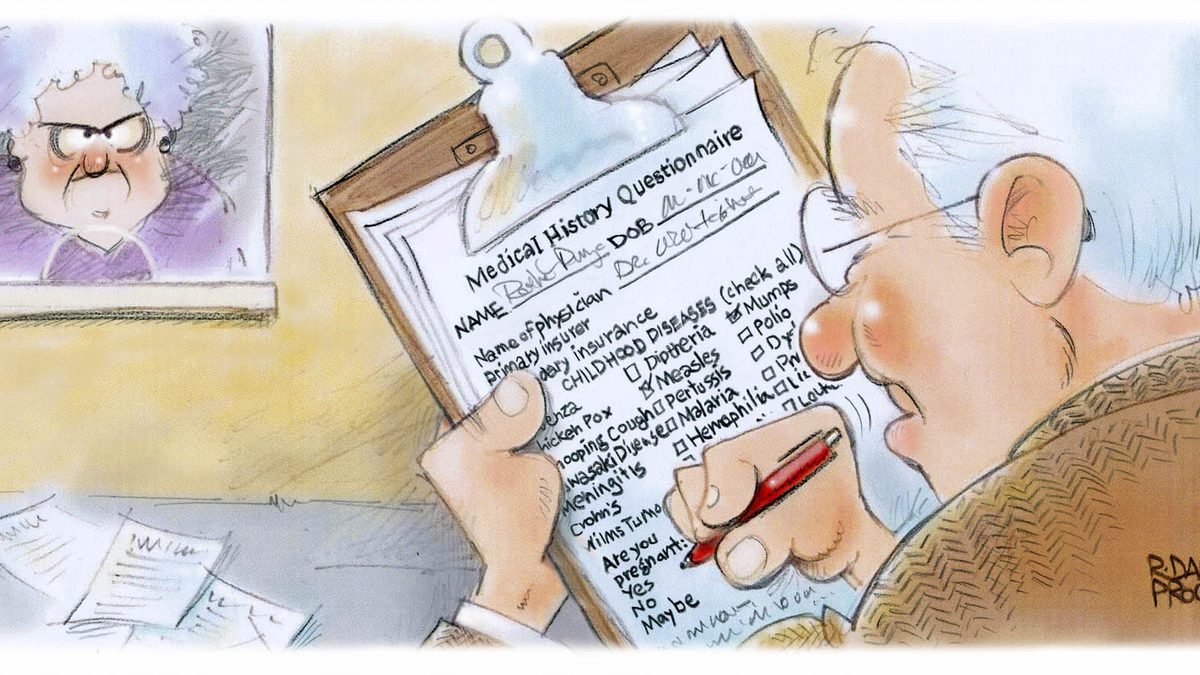
Healthcare Hassles
The painful process of completing a seamingly endless number of forms
Story by Robert Pryor, Sr.
As a salute to the “Top Docs” listed in this edition of Cityview, I thought I should share with you a few of my personal experiences with medical providers during the past year. As the regular readers of “Pryorities” know (and I understand there may be three or four of you), I have a deep-seated loathing for all the forms we are required to fill out to receive medical care, especially those thick stacks required on the first visit to a doctor’s office and, again, on the first visit of each year.
I was handed a thick stack last year in the office of one of my many doctors and noticed everyone in the waiting room was working diligently on their stack writing on clipboards that kept sliding off of their laps. Separate forms were included seeking my personal identification information, health insurance, care contact preferences, family members, emergency contacts, pharmacy addresses and phone numbers, family medical histories, and, finally, four pages for reporting my entire medical history, including every illness from birth, every surgery, every doctor, every hospital, and, worst of all, every medication and dosage properly spelled. You just want to walk out at this point, and this is just my dentist’s office.
I usually start off completing medical forms by printing very neatly under the assumption the information is important and perhaps someone will compliment me on my penmanship. Even though nothing has changed in my life or medical care since I last filled out these same forms a few weeks ago, I try to do it neatly including complete responses. Every page requires a new report of my name, address, birth date, and Social Security number. Why not just once? By the end of the forms, my spirit and my wrist are wasted and you can hardly read a word of my writing.
One of my forms last year asked, “Do you have a history of gaining weight?” I laughed out loud and showed the question to the woman sitting next to me who was engrossed in her own forms. We both laughed and I responded, “Yes, a long history. I started out at just 7-1/2 lbs.” I like to give unexpected answers to the questions in medical forms to see if they read them. No medical provider has ever mentioned my unusual responses or gratuitous critiques on their forms.
My all-time worst medical form experience was last year when I was required to change doctors due to the death of my previous specialist. As you get older, that becomes a problem and you find that most of your doctors either die or retire leaving you to start all over again. In advance of my first appointment, I received in the mail a large stack of medical forms to complete before my first visit. I dutifully completed the forms at home over a two-day period of time assuming they would serve as the baseline resource for my future care.
When I arrived at my new doctor’s office, I was confronted with a disagreeable receptionist who was barking orders to other members of the staff and patients. When my time came to approach, I announced my name and that I was a new patient. “Did you fill out your forms?” the receptionist asked coarsely, as she jerked them out of my hand, along with some of my personal papers I was carrying. She looked down at the top page and asked, “What did you do before you was a lawyer?” Now, the entire waiting room was listening in their boredom, intently waiting for my answer to such an unseemly question. Loudly, to match the level of my inquisitor, I asked, “What’s that got to do with it?” “Well, we need to know your employment history,” she explained. I responded to illustrate the stupidity of questioning me beyond the forms and in front of a crowded waiting room. “Well, early on I was a tap dancer.” “A tap dancer?” “Yes, and damn good one, I might say.” “What else have you done?” she went on. “Then later I was the first Elvis impersonator and opened shows for Bill Haley and his Comets,” I explained, hoping to bring this farce to a conclusion. Undeterred, she continued, “Did you serve in the military?” The question was asked so impertinently the entire waiting room began to laugh and moved in closer to hear my response. “No, I had a deferment.” “A deferment?” she asked. “What kind of deferment?” Now was my opportunity to cut off this intrusive and unnecessary public interrogation.
“A ventriloquist deferment,” I responded. “What? What is a ventriloquist deferment?” Then, with the attention of everyone, I explained, “You see, there were so few of us ventriloquists in the U. S.—only four or so in the country—they were afraid if one of us got killed in combat, it would wipe out the entire skill.” With that, she dropped her pen, the probing interrogation ended, and I took my seat to await my appointment.
If you have called a doctor’s office lately to get an appointment or talk to the nurse, you know that the phone is answered by a recording which leads you along by inviting you to press the number for the correct extension. But, first, the recording advises that if you are calling about an emergency to hang up and call 911.
Do you think a lot of people with bullet wounds, traumatic amputations, or strokes actually call their doctor’s office first? You wouldn’t think that this is a big problem. Calling your doctor’s office is the worst place you could call in the event of an emergency. You could bleed to death or lose consciousness before you could ever talk to a human.
Of course, anytime you call your doctor’s office, you are put on hold for about 20 to 30 minutes while a recorded statement continuously reminds you of how important your call is to their practice. Finally, you get to talk with someone who directs you to the patient portal, whatever that is. I tried a patient portal one time, and it immediately asked for a password I did not have. Early in my experience with computers, I remember reading that I should never use the same password over and over. I was instructed to use a new password for every app, website, or doctor to avoid being hacked and all of my information about my big and tall purchases being stolen. Unfortunately, I followed that advice and can’t remember any of my passwords. I usually just give up when I’m trying to contact my doctor.
My medical life is also complicated by the fact that I’m a bit of a hypochondriac. I believe in going to the doctor for help, but I always get frustrated when I can’t ask a simple question and get a simple answer. Speaking of simple, I prefer simple doctors who do not try to complicate the situation. There are fewer and fewer of that kind because so many have developed such a large ego you quickly learn that it is “all about them.”
Have you noticed lately that your nurses have nurses? Most of my treatment is three tiers below my doctor, but I must admit I have encountered some nurse practitioners who are quite caring and helpful and better than my doctor.
As a lawyer who spends a great deal of time assisting clients in evaluating medical treatment and damages that may be caused by medical malpractice, I have a great deal of respect for most of the physicians and surgeons who serve the Knoxville area. Knoxville has a very high standard for medical and surgical treatment, and we patients have every right to demand the best of our doctors in keeping with the area’s high standard of care. I hope your doctor made the list this year, but, if not, don’t worry because he or she is probably also very skilled.
We are very fortunate in the Knoxville area to not only be blessed with good doctors, but we also have some outstanding medical services and facilities in most specialties of medicine. U. T. Medical Center continues to be our leading academic center for teaching, treatment, and research and consistently ranks first in Knoxville and second in the state. Parkwest Medical Center apparently leads the rest of the pack, including the other Covenant and Tennova hospitals. How lucky we are to have a great Children’s Hospital and other specialized care facilities like the Dowell Springs Medical Complex, the new East Tennessee Behavioral Health Hospital at Dowell Springs, the Patricia Neal Rehabilitation Center moving to its new home in west Knoxville, the new Knoxville Rehabilitation Hospital on Middlebrook Pike, and the planned addition to Tennova North Knoxville Medical Center in Powell. Knoxville, it seems, is becoming a major medical center and is leading the way in the southeast.
Notwithstanding my personal frustrating encounters with the medical profession, we all should be proud that we live in a city with so many good doctors practicing in outstanding and state-of-the-art facilities.
→ Swipe for Next Story
FeatureMARCH APRIL 2023
A Punch to the Gut
Intro by Nathan Sparks
Story by Sara Pugh
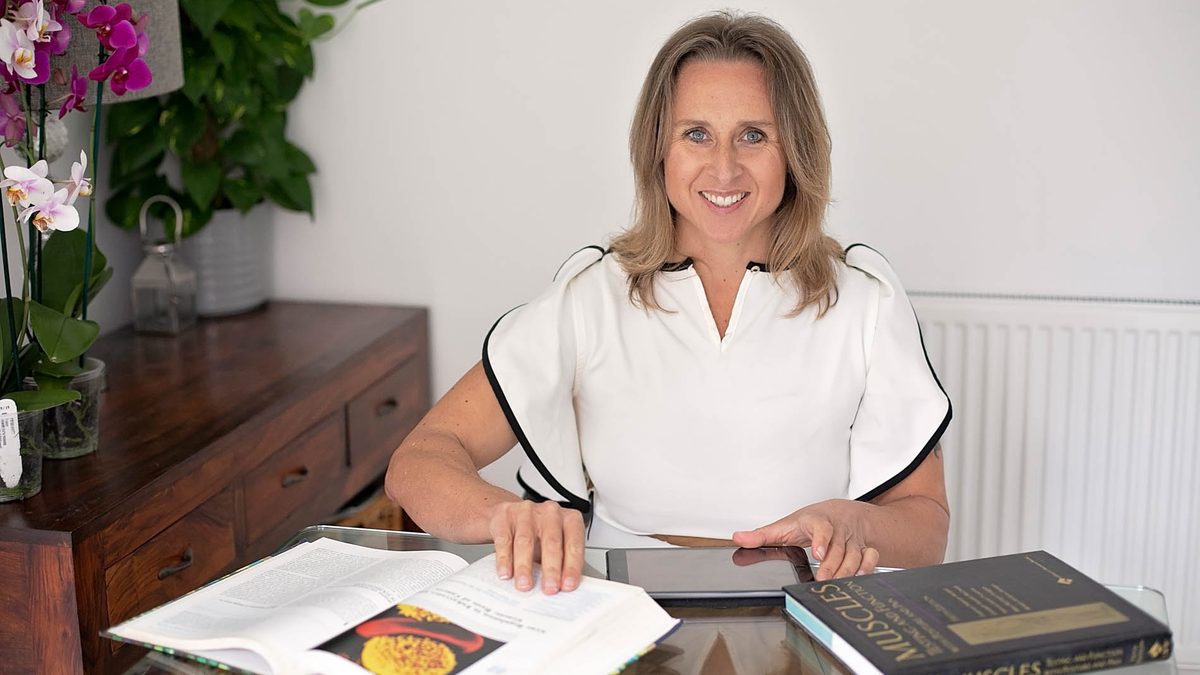
It was early fall last year that I happened upon Sara Pugh’sTikTok channel. A UK-based biochemist, Sara’s videos were engaging and informative, consistently encouraging me to consider aspects of my health that I hadn’t been considering. Finally answers to questions that I had, from what seemed like a reasonable and reliable source. As we prepared for our health issue, I reached out to Sara across the pond and asked if she would join us this issue for a guest column on one of her most popular topics. Through email and Zoom calls and many hours of time difference, Sara presents us with this 101 piece on gut health, an opportunity for us to learn from one another whether we’re just across town or on an entirely different continent.
Is your gut health really affecting your mood, immune system and metabolism? Why have I written this for you? A 2018 study published inThe American Journal of Gastroenterologyfound a staggering 61 percent of Americans suffer from chronic digestive diseases or gut issues such as IBS, constipation, bloating, or abdominal pain.
Millions more suffer from mysterious mood disorders, metabolic problems, and immune system dysfunction that stem from a gut problem. This is a classic example of ‘find the symptom, look for the problem somewhere else.’
I want to show you the link between your gut health and overall health, and give you some bite-sized practical tips on improving them.
A whirlwind tour of your gut
To be accurate, your gut is your gastrointestinal tract, also referred to as your intestine or bowel. The cells in your gut are only one layer thick, and this is both good and bad.
This is good because it’s easy for nutrients like amino acids, vitamins, and minerals to cross quickly into your bloodstream and be taken to different organs.
This is bad because it is easy to damage such a thin layer of cells, and this can result in problems like inflammation or a leaky gut, which I will dive into shortly.
Fortunately, the cells in your gut renew very quickly. In about three days, your body can grow a brand new gut lining—if you provide it with a ‘healing environment.’
The brain-gut axis
Your brain and gut are connected by the vagus nerve and this is known as the “brain–gut axis”, so your gut is often referred to as your second brain.
The vagus nerve is part of your parasympathetic nervous system which is rest and digest or ‘calming’, the opposite of the sympathetic nervous system which is fight or flight or ‘stress’.
The vagus nerve controls a vast array of crucial bodily functions along with digestion, mood, immune response, and heart rate.
Immune system and leaky gut
Your immune system health is tied to your gut health in another way. If the cells in your gut become damaged, the spaces between the cells can widen and your gut can become what we might call “leaky”. If your gut is leaky, little bits of partially digested food particles can escape into your bloodstream.
Your immune system then fires up and attacks the food particles, which could have just been the toast you ate for breakfast. One of the aftermaths of this battle between your immune system and the food particles is inflammation. If you have lots of food sensitivities and the list is growing, it is likely you have a leaky gut.
Inflammation is a perfectly normal process in the body, especially when it is dealing with a real infection or helping you heal. When inflammation is present when it shouldn’t be or present all the time, this is when problems start. For example, chronic inflammation can lead to joint pain, skin problems, premature aging, depression, and metabolic problems like type 2 diabetes and obesity.
The gut microbiome
Approximately 100 trillion micro-organisms (most of them bacteria, but also viruses, fungi, and protozoa) live in your gut. This is your microbiome, and it’s an ecosystem or community of microorganisms that help you digest food as well as produce thousands of biochemical products that consequently influence your health.
Your gut microbiome can influence your mood, appetite, weight, energy levels, immune system, mental clarity, and certain food cravings, especially for sugar.
The idea of ‘good and bad’ bacteria can be a bit misleading as emerging data shows that having a diverse microbiome with lots of different species of bacteria is what is important for health. Variety is the spice of life.
Interestingly, scientific studies showed lower gut microbiome diversity resulted in more disease and higher body weight
Your gut microbiome is flexible so you are not stuck with a bad one, like a bad hand in poker. It changes if you change your daily habits
Let’s look at what you can do to improve your gut health based on what you have just learned about your gut.
Maximize Your Nutrients
Undigested food hanging around in the gut can cause gas and bloating as well as robbing your body of important nutrients. Here’s what you can do:A good quality broad-spectrum digestive enzyme can be very helpful for improving digestion. Chewing each mouthful of food 30 times also helps digestion and helps prevent overeating.
Protect Your Gut Lining
There are ways you can protect your gut lining by simply managing what you put into your body, such as:Food Additives – Avoid an emulsifier called Carrageenan as it is known to irritate the gut. Check the ingredients of foods like yogurts, milkshakes, creamy sauces, ice cream. Alcohol – Alcohol damages our gut lining so cutting down or giving it up could help prevent leaky gut. Stress – Cortisol is a stress hormone and if you have high cortisol for long periods of time it can cause leaky gut as well as make you feel awful. Making time to exercise, have a massage, go out in nature, meditate or soak in the bath will help with stress levels.
Strengthen Your ‘Gut Clock’
All your organs including your intestines have their own biological clocks as WHEN an organ performs a task matters. Your body clock being out of sync means your brain doesn’t know what time it is, and this is a stressor to your whole body, including your gut. Some things to consider:Eating late in the evening or before bed puts stress on your gut as it likes to rest in the evening same as you. Eating late also disturbs your sleep, and sleep is vital for healing. Seeing the sunrise and sunset, going outside for light breaks, as well as avoiding screens two hours before bed helps strengthen your body clock.
Fight Inflammation
Processed foods and gluten from wheat are gut irritants and avoiding these can be very helpful if you suffer from gut issues. Simply eating too often also causes inflammation as the act of digesting food is an effort for your gut. Studies have shown that some people in the US and UK eat 8 – 9 times a day, which is far too often. Your gut and your teeth need regular rests from food, and fasting is a safe and natural way to do this. This might be a 12-hour fast if you are new to fasting or several days if you are a seasoned faster.
Master Your Microbiome
Probiotics are live bacteria taken as supplements, usually in capsule form. Probiotics can be beneficial, especially if you have recently used antibiotics. They help replace the useful bacteria in your gut that were killed by accident by the antibiotics. Some ideas for you if adding probiotics to your diet:Live fermented foods such as kefir, kimchi, and kombucha are probiotics. They can be purchased or made at home. If you use probiotics it’s a good idea to change brands every two months to make sure you don’t end up with a few species of bacteria dominating your gut and reducing diversity, thus creating a new gut issue.
One more thought on your gut…
Studies have shown that red and infrared light are healing and beneficial to your whole body, not just your gut. Sunlight contains both red and infrared light, but a good quality low flicker rate red / infrared light can be used on your stomach if you don’t want to go shirtless in the sun.
I hope you feel you understand why gut health is such a buzz word these days. Remember that even making one or two changes can help you have a happier, healthier gut.
→ Swipe for Next Story
FeatureMARCH APRIL 2023
Aging Gracefully
What to Expect When You’re Aging
Story by Oana Harrison
As a kid, I thought being 40 was old. Fast forward to present time and I’m, well, old by that definition—and lucky to have that option. Someone wise once said that getting old beats the alternative, and although I agree, I am now adjusting to a new physical reality of myself and making conscious efforts to stay healthy inside and out.
Nostalgically, many of us can recall the days when we could scarf down an entire pizza or donut dozen without any or much detriment to our waistline, or when we could run for miles without getting winded, or when we kneeled and bounced back up without sound effects—you get the idea. As we age, our capabilities diminish naturally. However, as 19th century French writer Jules Renard put it: “It’s not how old you are. It’s how you are old.” Our focus should be on living the best and healthiest life at any age.
So, what is aging? Aging is commonly defined as the accumulation of various destructive changes occurring in cells and tissues that are responsible for the increased risk of disease and death. According to a paper published in 2000 inNature Reviewson Leonard Hayflick’s cellular aging discoveries, while the human life span—the maximum number of years a human can live—remained unchanged for the past 100,000 years (around 125 years), life expectancy—the maximum number of years a human expects to live—has increased by 27 years during the last century, especially in Western countries. In addition, our quality of life improved as we eliminated infectious diseases occurring in our youth, and as we continue to learn more about age-related degenerative factors.
Theories of Aging
Ancient philosophers like Aristotle pondered on the nature of dying, and theorized that aging was a process by which bodies gradually become dry and cold—moisture, he postulated, was the key to staying young. If only that were true, Southerners would be forever young! Emperors also searched for youth elixirs unsuccessfully, some of them managing to poison themselves in the process. Alas, scientists stepped in and started researching the matter in the 1900s. Studies from that time resulted in discoveries that there wasn’t a sole culprit and generated more than three hundred theories on how we age! Here are a few popular ones, according to the American Federation of Aging Research:
Theevolutionary senescenceis the most accepted theory of aging. The theory states that genes that are beneficial early in life and support the reproductive success of an individual are favored over genes that are beneficial later in life; the body doesn’t have the capacity to repair age-induced cellular damage.
Thefree radical theory of agingblames oxidative free radicals, the toxic byproducts of cell metabolism. Free radicals that are not neutralized by antioxidants can damage DNA, proteins, and mitochondria.
Thecross-linking/glycationhypothesis states that with age, our proteins, DNA, and other structural molecules develop inappropriate cross-links to one another. Enzymes normally neutralize damaged proteins but not the cross-linked proteins. Some research suggests that cross-linking is at least partially responsible for our wrinkles, age-related cataract, atherosclerosis, and Alzheimer’s disease.
Theneuroendocrinehypothesis looks at the connection between the nervous system and endocrine glands, which produce hormones. The
hypothalamus in our brain controls the pituitary gland, which regulates other major glands and their release of hormones. Age reduces this system’s functionality, which can negatively affect our metabolism, insulin processing power, blood pressure, and sleep quality.
According to thetelomere theory of aging, our cells have a limited number of divisions. As we age, the telomeres—specialized DNA sequences responsible for cell renewal—shorten and eventually disappear, as cells run their course.
Slowing Down the Process
The bottom line is that there are many causes for aging and more research is necessary to gain a deeper understanding of this intricate process. The human body is complex, and as such, any changes we make might have both desired and undesired effects. That same paper inNature Reviewson Hayflick and his discoveries states that gerontologists and biogerontologists “have an obligation to emphasize that the goal of research on aging is not to increase human longevity regardless of the consequences, but to increase active longevity free from disability and functional dependence”. In other words, quality of life comes first, rather than longevity.
It is important to keep in mind that aging is a natural stage in one’s life, and not a disease. We should familiarize ourselves with what is a normal part of the aging process and what we can do to help ourselves stay in optimum shape. So, what can we expect when aging?
The first thing that most of us notice as we age is how our skin changes, particularly the appearance of wrinkles and sunspots. Internally, our cardiovascular system is at the top of the list: as we age, the arteries get stiffer and the heart needs to work harder. We lose bone density and muscle strength, we might experience troublesome digestion, and our metabolism slows down. Joints get less nimble and sore. Our eyesight and hearing might slip, and our memory too.
Since aging is inevitable, what can we do to experience a healthy aging process? General advice provided by physicians is nothing surprising: get regular health checkups, stay physically and mentally active, choose your caloric fuel wisely, protect your skin, hydrate, manage stress, and avoid alcohol and tobacco.
For most of us, the first thing that comes to mind when we think of anti-aging help is cosmetics, since our exterior appearance is what people notice first. But there is much more to keeping youthful, and a lot of it can be addressed internally.
Beyond our physical being, a healthy mind and happy soul play a role in our overall well-being. A Harvard medical study that started in 1938 and span over a period of 80 years revealed that being joyful and having good human relationships had a significant impact on longevity and health. “Good relationships don’t just protect our bodies; they protect our brains,” said Professor Robert Waldinger, the latest director of the Harvard Study of Adult Development, in a recent TED talk. Those who kept warm relationships got to live longer and happier. “Loneliness kills,” he added. “It’s as powerful as smoking or alcoholism.”
In the followingCityviewmagazine issues, we dig deeper into the subject of aging, talk with experts, and explore different anti-aging tools available to you in the Knoxville and East Tennessee Area, such as:
Nutrition and supplements:An unhealthy diet that is rich in fats and sugars causes inflammation of neurons and inhibits the formation of new neurons. This can affect brain power and contribute to brain disorders like depression. Adding the right supplements to a healthy diet can make all the difference.
Physical and mental fitness: We look at great low-impact exercise options to help us stay in shape, like walking, swimming, and social dancing. Some ways to flex our mental muscles: learning new skills, reading, and playing mind games—well, games that sharpen cognitive abilities, that is.
Hormone replacement therapy(HRT) started in the 60s and gained popularity in the 90s. Initial studies showed that the detriments outweighed the benefits; however, new studies showed that the use of HRT in younger women or in early postmenopausal women had a beneficial effect on the cardiovascular system, reducing coronary disease and all-cause mortality.
Osteopathic estheticsprovide nonsurgical holistic anti-aging treatments, like manual lymphatic drainage and craniofacial technique to fight wrinkles and broken capillaries; IV therapy can deliver hydration, vitamins, minerals, and antioxidants directly into the bloodstream, giving your body a boost of health.
Skincareis a must even when young. As we age, our skin loses collagen and elastin, becoming thinner and more prone to wrinkles. We explore different ways to help us save face, from facial creams laden with peptides or retinoids, to cleansers, toners, masks, exfoliators, and more. The options can be overwhelming while the results might not. We talk with experts to help us navigate the beauty counter wisely.
Aesthetic medicineprovides cosmetic procedures such as dermal fillers, chemical peels, microdermabrasion, Botox, and laser skin resurfacing.
Surgical optionsinclude body contouring or liposuction, neck lifts, eyelid or chin surgery that can minimize the effects of aging and offer a more youthful look.
→ Swipe for Next Story
FeatureMARCH APRIL 2023
March Madness
With a stunning victory over No. 1 Alabama, the Vols came together as a team.
Story by N. Brooks Clark
With 7:42 to play in the first half against No. 1-ranked Alabama, UT guard Santiago Vescovi dribbled down the left side of the key facing several defenders and lofted a high-arced alley-oop lob into space, high and away from the Bama big man. From out of nowhere, UT’s Finnish forward Olivier Nhamkuoa soared high, extended his right arm, palmed the ball and slammed it home. When his feet hit the floor, he bent his knees, clenched his fists, and howled in triumph. “It was fun,” said a grinning Nkamhuoa after the 68-59 upset.
The intensity of that play will echo during March Madness, along with UT’s relentless defense. Already the nation’s No. 1-ranked defense, the Vols ratcheted their pestering to another level against the Tide, forcing 19 turnovers and keeping Bama to just 17 field goals (its least of the season) and 35.4% shooting from the field (its second lowest).
The D starts with pig-tailed sophomore point guard Zakai Ziegler. Named to last year’s SEC All-Defensive Team, he had a transformational game in a 70-59 comeback win at Mississippi State. With alternate point guards Tyreke Key (fever) and Vescovi (tweaked shoulder) out for the game, Barnes told Zeigler he had to play 40 minutes. Regaining his composure after five early turnovers, Zeigler found a new level of intensity as a floor general, scoring 24 points, six rebounds, four assists, and three steals. Against Bama Zeigler had eight assists and no turnovers. “He’s got to be in the conversation as one of the best point guards in the country,” said Barnes. “What he’s doing now is making his teammates better.”
The big Bama win came with starters Josiah-Jordan James (sprained ankle) and Julian Phillips (tweaked hip flexor) out for the game. Starting in place of James, 6’4” forward Jahmai Mashack was assigned to guard 6’9” freshman Brandon Miller, a likely NBA lottery pick. Despite his five-inch deficit, Mashack held Miller to 15 points while getting three rebounds, two assists, and three steals. In Mashack’s 27+ minutes on the floor, the Vols outscored Bama by nine points, giving him the best +/- margin of any Vol. “Brandon Miller is a pretty good player,” said Zeigler. “But when Jahmai is locked in, it’s hard for anybody to score on him.” Said Vescovi, “His energy is contagious. We’ve got to have that contagious energy all the time.”
Playing in place of Phillips, Jonas Aidoo, 6’11” with a wingspan out of Jurassic World, had 12 points, 11 rebounds, and three blocks. Vescovi ended up with 15 points, including three 3s, and eight rebounds against Bama; 7’1” Serbian forward Uros Plavsic was strong in the paint, scoring 10 points, including a three-point play that gave Tennessee a 56-47 lead with just over five minutes left.
Darkest Before the Dawn
Like Churchill’s Britain, Rick Barnes’ Volunteers have faced dark hours, including the two games before Alabama. At Vanderbilt, they lost 66-65 on a 35-foot Hail Mary at the buzzer. Fifteen seconds earlier, Julian Phillips had an open shot that would have sealed the win. “I asked him why he didn’t dunk the ball,” said Barnes. “He said he didn’t know.”
Against Missouri, the Vols fought back from 17 points down, only to lose on another last second trey. Vescovi, usually 100% on free throws late in games, missed a couple in both games. “Santi felt bad,” said Barnes. “Against Missouri, he left the three-point shooter [on the last play]. He knew it. But after those two gut-wrenching losses, these guys didn’t splinter. They stayed resilient.”
On February 18, James and Phillips were still out for UT’s 66-54 post-Bama heartbreak at Kentucky, when the shots, including free throws, simply wouldn’t fall.
Phillips, a McDonald’s All-America freshman, like Zeigler had a coming-of-age transformation at Mississippi State. “He slashed, sliced, and soared on offense,” wrote Mike Wilson of the News Sentinel. “He guarded ferociously. He rebounded tenaciously.” He ended up with 19 points and 11 rebounds and named as the SEC Freshman of the Week. “Just trying to turn up my aggression,” said Phillips.
When the Vols’ offense gets into its flow, seven players can make a good number of their three-pointers. For the Vols to have success in March Madness, James and Phillips must provide the spark to get the offense in its rhythm. “To get anywhere in the NCAA tournament,” said a hoops-savvy former KYS co-coach of mine over dinner, “you’ve got to have that one guy. The question is, can James be that one guy?”
→ Swipe for Next Story
FeatureMARCH APRIL 2023
Modern Magic
A contemporary dream comes to life through clean lines and colorful accents
Story by Mary Leidig
Sondra and Tory Wimbs talked for years about a “dream home.” They lived 33 years in a house in Memphis they bought after seeing it in a “Best of Home Show” magazine. They worked and raised their son Joshua in a house always full of music—all while filing away scraps of paper for the future.
They talked about how their lives flowed, what they loved to do at home, how they cooked, entertained, how natural light would move, what was comfortable, modern and spacious. Tory had spent many years working with Bassett Industries, and Sondra retired in 2021 after working in property management in Knoxville, Florida and Memphis with Alco Management. Now that dream home seemed within reach. Sondra had family in Knoxville. This felt right.
“When we bought our home in Memphis, it had lots of wallpaper, stucco and columns. We knew this about it and took all the floral wallpaper down and completely renovated it, tripling the size of our patio,” says Sondra from her brand-new home in Knoxville.
The Memphis house became new again, with a redesigned open floor plan, a contemporary look and new flooring. They began to visualize what they wanted.
And then there were the paper folders. They were now thick with photos of furnishings in every imaginable color, style and material. Collecting them began years before their Knoxville dream home would become a reality in 2022.
As that wish list grew in Memphis, they would revisit those folders to see if they still liked what was inside them. Would this work in Knoxville?
Many Zoom Calls Later
Now they would build a home from plans in their heads and from six hours away. Literally.
“We began this in 2021, buying the property and picking a team, and we just built the house from Memphis on Zoom,” Sondra says, smiling. “Right from the start, Mike Stevens, our builder, our interior designer Paula Clancy and our architect Amy Driskill bought into that plan with us.”
Then began many Zoom and Facetime meetings, back and forth traveling to Knoxville and some sluggish supply chains related to the COVID pandemic. Their 4,305-square-foot, 2-story custom home was coming together.
The design came alive in colors of black and white, highlighting the contemporary interiors they loved. Pops of color and Italian brands throughout elevated the couple’s paper file of “must haves” to a new level.
“We both agreed on our choices, and we knew we wanted a clean, open fresh look and feel,” says Sondra. “That never changed.”
Tory and Sondra spent more than 30 wonderful years planning every aspect and finally creating their perfect home. By summer 2022, the house was finished, and their dreams were now part of every room. Tory became ill before the house was completed and passed away shortly after they moved in. Sondra continues to enjoy the memories of planning their new home.
Dreaming of a Home
Many months earlier the couple was picking a designer, builder and an architect—a totally happy experience Sondra loves talking about.
Their builder Mike Stevens already knew Sondra well. “Sondra knew she and Tory could lay out their life’s dreams for this home,” said Mike, who owns Mike Stevens Homes. “I wanted to listen and make sure I created that vision for them.”
Finding designer Paula Clancy, owner of Nouveau Classics, was a little different. They found her after a random search. “We looked up contemporary designers online, and Paula’s name came up. By then Tory and I had picked out most everything for the house. Paula helped everything all fall in place,” says Sondra.
This was going to be a home full of music for lots of family and friends of all ages to enjoy—community spaces in a home. And it would be a home all about the outdoors.
A House Full of Music—Inside and Out
“We just followed their wishes,” says Mike. “Tory and Sondra stressed to us they wanted the patio and pool area to be used year round.” The stunning result involved three overhead gas heaters and a custom-built kitchen designed for outdoor conditions, geared to easy winterization.
Loving a house full of “all kinds of music” meant installing speakers outside too.
The couple loved to cook, and they dreamed of lots of places for entertaining with a great room and kitchen that flowed into the outdoors. “This always meant the most to us,” says Sondra.
Where did the home design come from? “Inside our heads and our folders,” says Sondra. As they shared with the team their vision for a modern space inside and a more traditional outdoor area, the architect’s floor plan drawing was nearly exactly what they wanted. An inviting great room as well as an angular ceiling in the kitchen made it into the first drawing.
Years of brainstorming made the difference for Sondra and Tory. The first photo that made it into their files inspired the new home’s entrance. The front door and foyer of white tile with circles and squares of black came to life.
The home is essentially white—a bright white with polished white tile downstairs and gray tile upstairs. The theme extends to the kitchen’s white cabinetry. The large island is black and beige granite, and an easy gathering spot. Electronic white shades and a few white drapes dress windows throughout, giving the home both a bright and calming feel.
The home’s landscaping is minimal, with showstoppers being the pool, its three lit fountains and tall pots of rosemary and lavender.
From the start they knew an elevator for Tory’s mother would be part of the home. Nothing dramatic in design, and in fact “if you didn’t know there was an elevator, you’d never guess,” said Sondra.
“Elevators are becoming more and more common in homes,” says Mike. “I knew that carrying the design through with the grand tile entry had to be just perfect.”
The glass stairwell and panels with stainless rails and polished tile steps make for a big, open feel at the top of the second floor.
In keeping with their favorite colors, the brick home is painted white with black accents. The backyard is visible at the front door as windows completely line the back of the home downstairs—making the view seem endless.
“It all just fits in a big neighborhood near Pellissippi Parkway on Clingman’s Dome Drive that is diverse, eclectic and close, and where neighbors are open and heartwarming,” says Sondra.
It’s Not Just About the Furniture
Much of the home’s furniture and accessories for the 4 bedrooms, 3 ½ baths, Tory’s office, great room, kitchen, outdoors and more come from Italian brands. Brands Paula Clancy knows well.
“This is where Paula brought so much to us,” Sondra says. The couple knew they wanted contemporary, but that was it. “We had no idea of what brands to choose.”
Paula Clancy is no stranger to listening to clients. The designer opened a retail contemporary furniture store in Knoxville’s Old City during its energetic renaissance in the late1980s and 90s. She quickly found a niche in Knoxville’s marketplace and has since owned a store in Bearden and now in the heart of downtown on south Gay Street.
It all goes back to Paula creating Barbie houses as a little girl. “I loved doing it when I was young, and by working hard as I grew up I’ve made a wonderful life. I have the best job in the world.”
“It’s not just about the furniture,” Paula says. “The space that comes together promotes a great feeling. I get to work with great people like Sondra and Tory.”
Getting to know them meant “I learn their style and help take them to a new place and bring the ideas to life.” A close friendship surpassed the professional relationship she cultivated with them. “We just got each other immediately after we met. You have to click, and this was so easy with them.”
Paula’s signature modern style matched theirs, so she looked to European/Italian furnishings and statement pieces to complement the home in a way that wouldn’t overcrowd. This included designing a wine niche for Mike to build in Tory’s office and choosing the pool’s Italian tiles in hues of blues, greens and whites.
Paula wanted to bring out the personality of this couple to make the spaces feel comfortable, warm and inviting—just like them.
Knowing that black and white can be stark, she brought in wood for specific places for warmth, as well as textures in pillows and colorful artwork. “It all flows, and it’s playful,” she says. Minimal, but not like a museum.
Original artwork from American artists, special wall sculptures and pedestal pieces feel gallery-like. An Italian dining table of exotic zebrawood is actually underneath glass and pulls together the look of the expansive great room and kitchen. The kitchen’s white quartz countertops and an island that is granite swirled black, white and beige feel both dramatic and warm.
And about that elevator? Paula wanted it to be a surprise when entering. With a black and white interior in wallpaper, its abstract of trees is soothing, modern and organic.
That Special Speakeasy
Every custom-designed home project surprises its owners. One of the best for Tory and Sondra came about in Tory’s new office. When a safe that was in the original plan got moved, a wall area presented an opportunity. “I said why don’t we make a wine closet—like a speakeasy,” said Paula.
For Mike Stevens, coming up with something special is part of the job. “Sondra actually showed me a picture of a wine rack she saw on Pinterest. As fate would have it, we had just built that for another client.”
Unique cubbies show off a wall of wine, spirits and Tory’s momentos—like fishing reels and other pieces that belonged to Tory’s father and grandfather. The wine closet is small and a perfect part of the office to have a conversation about. “There was a lot of excitement about this office, and the wine closet was Sondra’s gift to Tory,” said Paula. “There are spaces in peoples’ homes that can be like this, that are an expression of the homeowners. This was a very special time with them, and I’m so glad I had that with Tory and Sondra.”
Building Trust to Build a Better House
For Sondra and Tory Wimbs, trust and listening have always mattered in their lives. Building a home in Knoxville with their design and construction team was no different. “Whether we were looking at countertops on Facetime or meeting in Knoxville, there was always wonderful collaboration.”
For Mike Stevens, keeping lines of communication open with clients is key. “Building for out-of-town clients has become a big part of our business.”
Paula Clancy knows a good designer will incorporate clients’ special tastes. “Getting to know Sondra and Tory helped me do this. They gave me great creative freedom,” she said.
Home in Knoxville
For Sondra Wimbs, this dream home is a little bittersweet. “As I look around, I see Tory in so much of the house. In that outdoor kitchen, at our coffee bar, office and wine closet, I see him. I’m so glad to see these mountains and be back in Knoxville, which always felt like home. And now this neighborhood, too, makes it feel like home to me.”
→ Swipe for Next Story
Top DocsMARCH APRIL 2023
Top Docs 2023
Story by Cityview
We owe a lot to our doctors and their medical teams, which is why we’re elated each year when we get to call them out in such a robust and special way.
We started the Top Docs listing back in 2002. At the time, our publisher, Nathan Sparks, saw an opportunity to recognize the medical community, calling upon physicians to vote and recognize their peers that deserved some regional recognition for their work. That year, we featured 21 medical categories and recognized a total of 66 physicians. It took up half a page in the issue.
Fast forward to today, 22 years later, and you could say our section has grown. This year, we once again connected with our region’s doctors to call out the doctors who have gone above in beyond in their respective medical fields to help you, our readers, navigate the complex world of health. We asked them: Who of your peers are the best in their disciplines? Who would you send your family to if they needed medical attention? At the end of their voting period, we were left with this exceptional list, a snapshot in time of the physicians making a change in Knoxville.
We are blessed in East Tennessee to have the level of medical care that we have. A couple final notes about this exceptional list. They have been ranked as simply the top group of physicians in their fields, so you can feel confident in choosing any of the names listed in any category for any of your health needs. So for the 2023 calendar year, we present East Tennessee’s Top Docs of 2023. We hope you stay well this year as you venture into all the adventures that life brings you, and with these physicians on your side, that shouldn’t be hard. Be well, and stay well!
Allergy & Immunology
Anesthesiology
Cardiology
Cardiology, Electrophysiology
Cardiology, Interventional
Cardiovascular Disease
Critical Care
Dentistry
Dermatology
Emergency Medicine
Endocrinology
Family Practice
Gastroenterology
Genetics
GeriatricMedicine
Gynecologic Oncology
Gynecology
Hematology/Oncology
Hospice/Palliative Care
Hospitalist
Hospitalist, Internal Medicine
HyperbaricMedicine
InfectiousDisease
InternalMedicine
Maternal& Fetal Medicine
Neonatology
Nephrology
Neurology
Obstetrics/Gynecology
Ophthalmology
Otolaryngology
Pain Medicine
Pathology
Pediatric Cardiology
Pediatric Critical Care
Pediatric Dentistry
Pediatric Dermatology
Pediatric Emergency Medicine
Pediatric Endocrinology
Pediatric Gastroenterology
Pediatric Hematology/Oncology
Pediatric Hospitalists
Pediatric Infectious Disease
Pediatric Neurological Surgery
Pediatric Ophthalmology
Pediatric Orthopedics
Pediatric Otolaryngology
Pediatric Physical Medicine & Rehab
Pediatric Psychiatry
Pediatric Pulmonology
Pediatric Sleep Medicine
Pediatric Surgery
Pediatric Urology
Pediatrics
Physical Medicine & Rehabilitation
Podiatry
Psychiatry
Pulmonary Medicine
Radiation Oncology
Radiology
Radiology, Diagnostic
Radiology, Interventional
Rheumatology
Sleep Medicine
Surgery, Colon & Rectal
Surgery, General
Surgery Neurological
Surgery, Oral & Maxillofacial
Surgery, Orthopaedic
Surgery, Plastic
Surgery, Thoracic
Surgery, General/Vascular
Surgery, Vascular
Urgent Care
Urogynecology
Urology
Allergy & Immunology
If pollen makes you miserable and seafood gives you hives, turn to allergy and immunology doctors for relief.
Jane Conley, MD
The Allergy Asthma and Sinus Center, PC
Donald Ellenburg, MD
Allergy & Asthma Affiliates
Robert Overholt, MD
The Allergy Asthma and Sinus Center, PC
Marek Pienkowski, MD
Pienkowski Allergy Clinic
Tidence “Ty” Prince, MD
The Allergy Asthma and Sinus Center, PC
Jeffrey Schlactus, MD
The Allergy Asthma and Sinus Center, PC
Andrew Singer, MD
Allergy & Asthma Affiliates
Michael Springer, MD
The Allergy Asthma and Sinus Center, PC
Joseph Wisniewski, MD
The Allergy Asthma and Sinus Center, PC
Anesthesiology
Count backwards from 10… Anesthesiology deals with caring for patients before, during and after surgery, as well as in intensive care and emergency medicine.
Daniel Bustamante, MD
University Anesthesiologists
Jack Chavez, MD
University Anesthesiologists
Gordon Collins, MD
American Anesthesiology of TN Parkwest Hospital
Craig Combs, MD
University Anesthesiologists
Robert Craft, MD
University Anesthesiologists
Michael Flynn, MD
University Anesthesiologists
Samuel Mcilrath, MD
American Anesthesiology of TN Parkwest Hospital
Jeffery Ollis, MD
American Anesthesiology of TN Parkwest Hospital
Jeffrey Queen, MD
ETCH-Children’s Anesthesiologists
Cardiology
Cardiology deals with the disorders of the heart, including congenital heart defects, coronary artery disease, heart failure, and electrophysiology.
Raj Baljepally, MD
University Cardiology, PC
Stuart Bresee, MD
University Cardiology, PC
James Cox, MD
University Cardiology, PC
Jerry Crook, MD
University Cardiology, PC
Malcom Foster, MD
Tennova Heart
Jeffrey Hirsh, MD
University Cardiology, PC
David Huntsinger, MD
University Cardiology, PC
Jeffrey Johnson, MD
University Cardiology, PC
Joseph Liu, MD
University Cardiology, PC
Ayaz Rahman, MD
Cardiology Associates of East TN
Benjamin Shepple, MD
University Cardiology, PC
Carmelo Venero, MD
University Cardiology, PC
Nicholas Xenopoulos, MD
Cardiology Associates of East TN
Cardiology, Electrophysiology
Electrophysiologists focus on the electrical system of the heart. They study and treat irregular heart rhythms with medicine, a pacemaker, cardiac ablation or surgery.
James Cox, MD
University of TN Medical Center
Jeffrey Hirsh, MD
University Cardiology, PC
William Mahlow, MD
University of TN Medical Center
Cardiology, Interventional
An interventional cardiologist treats heart and blood vessel conditions using nonsurgical, catheter-based procedures and imaging techniques.
Raj Baljepally, MD
University Cardiology, PC
Stuart Bresee, MD
University Cardiology, PC
Venero Camelo, MD
University Cardiology, PC
Malcom Foster, MD
Tennova Heart
Tjuan Overly, MD
University Cardiology, PC
Ayaz Rahman, MD
Cardiology Associates of East Tennessee
Cardiovascular Disease
A cardiovascular disease specialist focuses on diseases of the heart and blood vessels and manages conditions such as heart attacks and abnormal heart rhythms.
Jeffrey Hirsh, MD
UT Medical Center
David Huntsinger, MD
UT Medical Center
Jeffrey Johnson, MD
UT Medical Center
Bret Rogers, MD
UHS–Cardiology Group, LLC
Benjamin Shepple, MD
University Cardiology, PC
Carmelo Venero, MD
UHS–Cardiology Group, LLC
Critical Care
Doctor needed, stat! Critical care docs deal with seriously or critically ill patients with conditions that may be life-threatening.
Paul Branca, MD
University Pulmonary & Critical Care
John Callison, MD
University Pulmonary & Critical Care
Tina Dudney, MD
University Pulmonary & Critical Care
Jared Kravitz, MD
University Pulmonary & Critical Care
Michael McCormack, MD
University Pulmonary & Critical Care
Elise Schriver, MD
University Pulmonary & Critical Care
James Shamiyeh, MD
University Pulmonary & Critical Care
Francisco Soto, MD
University Pulmonary & Critical Care
Arseniy Tsapenko, MD
University Pulmonary & Critical Care
Dentistry
Although primarily associated with teeth, dentistry includes other aspects of the head and face complex, including muscular, lymphatic, nervous, vascular, and anatomical structures.
Jonathan Bradshaw, DDS
Heritage Family Dentistry
Dr. Steven Brock, DDS
Dental Images
John Coulter, DDS
Coulter Family Dentistry
Robert Kelso, DDS
Robert M. Kelso Family & Cosmetic Dentistry
G. Drew Osborn, DDS
Foothills Pediatric Dentistry, PC
STRESS RELIEF FOR CHILD PATIENTS “Beyond just specialized fellowship training in pediatric specific surgery, everything about our practice is oriented toward a child, whether it be the design of the office, the people that we hire to interact with children, nurses that want to work with children, equipment specifically made for smaller patients, and then an understanding and approach to their child as our patient to try to help it feel more comfortable and less stressful and create less anxiety for the child—and as a result for the parents, too….It’s not just the procedure, it’s the entire interaction with the child and the family that leads to alleviating that stress and helping them have the best experience they could have.” —Dr. John Little, Pediatric Otolaryngology Children’s ENT Specialists
James Pickering, DDS
University General Dentists
Joseph Rainey, DDS
University General Dentists
James Williams, DDS
Turkey Creek Dental
Olcie Wilson, DDS
University General Dentists
Andrew Young, DDS
Knoxville Dental Center
Dermatology
Turn to a dermatologist with conditions involving the skin, hair, and nails, including acne, eczema, psoriasis, and skin cancer, among others.
Elizabeth Anderson, MD
Knoxville Institute of Dermatology
Lawrence Bushkill, MD
Knoxville Dermatology Group
Matthew Doppelt, MD
Southeastern Dermatology
Elizabeth Ergen, MD
Dermatology Associates of Knoxville
Carley Fowler, MD
Knoxville Center for Dermatology and Plastic Surgery
Kimberly Grande, MD
Skin Wellness Center
Matthew Hanggi, MD
Knoxville Dermatology Group
Edward Primka, MD
Dermatology Associates of Knoxville
Cynthia Kang-Rotondo, MD
Greater Knoxville Dermatology
Meredith Overholt, MD
Skin Wellness Center
Quyn Rahman, MD
Knoxville Institute of Dermatology
Emergency Medicine
Got a problem you need help with NOW? Emergency medicine is concerned with the care of illnesses or injuries requiring immediate medical attention.
Frederick Ergen, MD
Fort Loudon Medical Center
Leonard Lamsen, MD
University of TN Medical Center
Patrick O’Brien, MD
Southeastern Emergency Physicians LLC
Joseph Peeden, MD
East TN Childrens Hospital
Fred Wenger, DO
TeamHealth Southeastern
Jeffrey Zurosky, MD
Parkwest Medical Center
Endocrinology
Endocrinology deals with the endocrine system, its diseases, and hormones. Conditions like diabetes, thyroid disease, growth issues and infertility are treated by endocrinologists.
Thomas Doty, MD
Endocrinology Consultants of East TN
William Law, MD
Endocrinology Consultants of East TN
Daniel McCammon, MD
Endocrinology Consultants of East TN
Gregory Moffitt, MD
Endocrinology Consultants of East TN
Casey Page, MD
Endocrinology Consultants of East TN
Amit Vora, MD
Endocrinology Consultants of East TN
Family Practice
Unlike other specialties, family practice physicians are qualified to treat most ailments and provide health care for people of all ages.
Raye-Anne Ayo, MD
Family Health Center
Amy Barger Stevens, MD
University Family Physicians
Daniel Cox, MD
Lakemoor Family Physicians
Shelly Durbin, MD
Family Physicians West
Brad Flaming, MD
Emory Family Practice
Anthony Florian, MD
Rocky Hill Family Physicians
Amy Forsee, MD
Rocky Hill Family Physicians
Julie Jeter, MD
University Family Physicians
Randy Pardue, MD
Trinity Medical Group
Amy Rosine, MD
Fountain City Family Physicians
Gastroenterology
Gastroenterology is the branch of medicine focused on the digestive system and its disorders. Colon cancer screening by a gastroenterologist is important for fighting cancer.
Youhanna Al-Tawil, MD
GI for Kids, PLLC
Mark Anderson, MD
University Gastroenterology
Jeffrey Brown, MD
Knoxville Gastrointestinal Associates
Sarkis Chobanian, MD
Gastrointestinal Associates
Meade Edmunds, MD
Edmunds Gastroenterology
William Ergen, MD
Gastrointestinal Associates
Sangeeta Gulati, MD
University Gastroenterology
John Haydek, MD
Gastrointestinal Associates
Maria Newman
Gastrointestinal Associates
Carlos Rollhauser, MD
University Gastroenterology
Ramanujan Samavedy, MD
University Gastroenterology
Thomas Young, MD
University Gastroenterology
Genetics
Genetics is concerned with the study of genes, genetic variation, and heredity in organisms. It can help explain why some diseases run in families.
Ilse Anderson, MD
University Genetics Center
J. Hamm, MD
East TN Children’s Hospital Genetic Center
Geriatric Medicine
Geriatric medicine focuses on health care of elderly people. It aims to promote health by preventing and treating diseases and disabilities in older adults.
John Carroll, MD
UT Hospice and Palliative Care
Monica Crane, MD
Genesis Neuroscience Clinic
Cynthia Pearman, MD
UT Hospice and Palliative Care
Gynecologic Oncology
Gynecologic oncologists treat women’s cancers and complex benign gynecologic diseases, including cervical cancer, endometriosis, fibroids and ovarian cancer.
Jonathan Boone, MD
University Gynecologic Oncology
Larry Kilgore, MD
University Gynocology Oncology
Kristopher Kimball, MD
University Gynocology Oncology
Gynecology
Gynecology deals with the functions and diseases specific to women and girls, especially those affecting the reproductive system.
Tammy Baker, MD
Tammy Baker, MD
Susan Dodd, MD
Womens Care Group
Allison Eaton, MD
University Womens Specialists
Christine Gale, MD
East TN Children’s Hospital Pediatric and Adolescent Gynecology
Hematology/Oncology
Someone is likely to be referred to a hematologist-oncologist because an abnormality was detected during a blood test.
David Aljadir, MD
University Cancer Specialists
Antony Charles, MD
University Cancer Specialists
Hesamm Gharavi, MD
Tennessee Cancer Specialists, PLLC
Wahid Hanna, MD
Hanna Cancer Associates
Daniel Ibach, MD
Tennessee Cancer Specialists, PLLC
Ross Kerns, MD
Tennessee Cancer Specialists, PLLC
Mitchell Martini, MD
Tennessee Cancer Specialists, PLLC
James Mosley, MD
University Interventional Radiology
Timothy Panella, MD
University Cancer Specialists
Hospice / Palliative Care
Hospice and palliative care focuses on symptom management, relief of suffering and end-of-life care.
Cynthia Pearman, MD
UT Hospice and Pallative Care
John Vannoy, MD
Internal Medicine Associates
Hospitalist
A hospitalist practices in a hospital and works to treat patients with a variety of illnesses and injuries.
Christie Carringer, MD
UT Hospitalists
Michael Carringer, MD
UT Hospitalists
Deborah Franklin, DO
UT Hospitalists
Benjamin Helms, DO
UT Hospitalists
Jano Janoyan, DO
UT Hospitalists
Jason Kennedy, MD
UT Hospitalists
Ryan Kerr, MD
UT Hospitalists
Claude LaCharite, MD
UT Hospitalists
Mary Nelson, MD
UT Hospitalists
Nathan Smith, MD
UT Hospitalists
Hospitalist, Internal Medicine
An internal medicine hospitalist sees patients for the duration of a hospital stay, as opposed to in outpatient settings.
Michael Carringer, MD
UT Hospitalists
Kimberly Morris, MD
UT Hospitalists
Janet Purkey, MD
UT Hospitalists
Hyperbaric Medicine
Hyperbaric medicine is a treatment used to speed up healing of carbon monoxide poisoning, gangrene, stubborn wounds, and infections in which tissues are starved for oxygen.
Lee Carder, MD
University Wound Care and Hyperbaric Center
Vaughan Hall, MD
Mobile Hyperbaric Centers, LLC
Ryan Unger, MD
University Wound Care and Hyperbaric Center
Infectious Disease
Infectious disease docs have been busy over the last year. They are trained to make the right diagnoses for dozens of infectious diseases and organize treatment plans.
John Adams, MD
Knoxville Infectious Disease Consultants
Ernest Kemp, MD
Knoxville Infectious Disease Consultants
Jeffrey King, MD
Knoxville Infectious Disease Consultants
John Narro, MD
University Infectious Disease
Lori Patterson, MD
East TN Childrens Hospital
Mark Rasnake, MD
University Infectious Disease
Russell Smith, MD
University Infectious Disease
Internal Medicine
Internal medicine deals with the prevention, diagnosis, and treatment of internal diseases. Internists, as they’re also known, generally treat adults.
Amy Bentley, MD
Internal Medicine Associates–Bentley & Hall
Daniel Ely, MD
Faculty Internal Medicine
James Hurst, MD
Summit Medical
M. Douglas Leahy, MD
GI GENIUS “GI Genius is an artificial intelligence computer assisted program that enhances the detection of adenomatous polyps which are pre-cancerous polyps…We were the first practice in the state of Tennessee to implement this and the only practice in Knoxville to have this. It helps us in regard to picking up smaller or flat polyps that potentially could be missed without this….The obvious goal of screening colonoscopy is to detect polyps which are the precursors to colon cancer. Here is a device that is of no cost to the patient.” —Dr. Meade Edmunds, Gastroenterologist Edmunds Gastroenterology
Internal Medicine Associates–Leahy & Allan
Kimberly Morris, MD
University of TN Medical Center
Jennifer Piel, MD
Family Physicians West
Nathaniel Piel, MD
Faculty Internal Medicine
Janet Purkey, MD
University of TN Medical Center
Huet Rocio, MD
University Internal Medicine
Maternal & Fetal Medicine
Maternal–fetal medicine, also known as perinatology, focuses on the health concerns of the mother and fetus prior to, during, and shortly after pregnancy.
Kimberly Fortner, MD
High Risk Obstetrical Consultants, PLLC
Mark Hennessy, MD
High Risk Obstetrical Consultants, PLLC
Bobby Howard, MD
High Risk Obstetrical Consultants, PLLC
Lynlee Wolfe, MD
High Risk Obstetrical Consultants, PLLC
Neonatology
When babies are born ill or prematurely, a neonatologist is likely to oversee care in a neonatal intensive care unit.
John Buchheit, MD
Knoxville Neonatal Associates-Pediatrix
Tara Burnette, MD
Regional Neonatal Associates
Mark Gaylord, MD
Regional Neonatal Associates
Malinda Harris, MD
Knoxville Neonatal Associates-Pediatrix
Keri Lattimore, MD
Regional Neonatal Associates
John Meadows, MD
Regional Neonatal Associates
Nephrology
Kidney function and disease is the focus of nephrology. It stretches from dealing with diet and medication to kidney replacement.
Kendra Hendon, MD
Knoxville Kidney Center, PLLC
Ritu Khanna, MD
University Nephrology
Ross Nesbit, MD
University Nephrology
Edward Newman, MD
Knoxville Kidney Center
James Ogrodowski, MD
Renal Medical Associates
Denise Rivers, DO
University Nephrology
Urath Suresh, MD
University Nephrology
Neurology
Neurology deals with disorders of the nervous system. Neurologists treat diseases of the brain and spinal cord, including epilepsy, stroke and Parkinson’s disease.
Michelle Brewer, MD
Knoxville Neurology Clinic
John Dougherty, MD
UT Knoxville Neurology Clinic
Alexander Hartmann, MD
University Neurology
Steven Rider, MD
University Neurology Cole Neuroscience Center
Randall Trudell, MD
University Neurology Cole Neuroscience Center
Megumi Vogt, MD
University Neurology Cole Neuroscience Center
Brian Wiseman, MD
University Neurohospitalists
Obstetrics/Gynecology
Obstetrics and gynecology deals with both pregnancy and childbirth and the health of the female reproductive system. It’s commonly known as OB-GYN.
Leonard Brabson, MD
Tennova Women’s Health Specialists
Lisa Buckingham, MD
University of TN Medical Center
Stephanie Cross, MD
University Women’s Specialists
Kimberly Fortner, MD
High Risk Obstetrical Consultants
Periclis Roussis, MD
Fort Sanders Perinatal Center
Erin Saunders, MD
Fort Sanders Obstetrical & Gynecological Group, PC
Walter Schoutko, MD
University Women’s Specialists
Jaclyn Van Nes, MD
University Women’s Specialists
Shenika Welch-Charles, MD
University of TN Medical Center
Nikki Zite, MD
University Women’s Specialists
Ophthalmology
Ophthalmology deals with the diagnosis and treatment of eye disorders. Ophthalmologists also can perform surgery on the eyes.
Nicholas Anderson, MD
Southeast Retina
Andrew Anzeljc, MD
Baptist Eye Surgeons
John Dawson, MD
East Tennessee Eye Surgeons, PC
Paul Froula, MD
University Eye Specialists
Herbert Glatt, MD
University Eye Specialists
Joseph Googe, MD
Southeastern Retina Associates–Weisgarber Office
David Harris, MD
University Eye Specialists
Frank Murchison, MD
Baptist Eye Surgeons
R. Keith Shular, MD
Southeast Retina
Otolaryngology
Otolaryngology is a subspecialty that deals with the surgical and medical management of conditions of the head and neck.
Leslie Baker, MD
Greater Knoxville ENT Associates
Elise Denneny, MD
Greater Knox ENT Associates, PC
Richard DePersio, MD
Greater Knoxville ENT Associates
William Horton, MD
Greater Knox ENT Associates, PC
John Little, MD
Children’s Ear, Nose & Throat Specialists, PLLC
Mark Overholt, MD
Ear, Nose & Throat Consultants of East TN, PC
Christopher Rathfoot, MD
Greater Knox ENT Associates, PC
R. Mark Ray, MD
Children’s Ear, Nose & Throat Specialists, PLLC
Allan Rosenbaum, MD
Greater Knoxville ENT
Pa in Medicine
A pain medicine specialist treats pain caused by disease, disorder, or trauma. They often see patients with pain in the back, knee, head, hip, and neck.
Jason Buehler, MD
University Anesthesiologists
James Choo, MD
Pain Consultants of East TN, PLLC
Donald E. Jones, MD
Pain Medicine of the South
Elmer Pinzon, MD
University Spine & Sport
Matthew Vance, MD
University Anesthesiologists
Christopher Vinsant, MD
American Anesthesiology of Tennessee, PC
Pathology
Pathology studies the causes and effects of disease or injury by examining bodies and body tissues and performing lab tests.
Frank Beuerlein, MD
Innovative Pathology Services
Lisa Duncan, MD
University Pathologists, PC
Michael Dyer, MD
Innovative Pathology Services
Alan Grindstaff, MD
University Pathologists, PC
William Konomos, MD
Innovative Pathology Services, PLLC
Stuart Van Meter, MD
University Pathologists, PC
Laurentia Nodit, MD
University Pathologists, PC
Jeremy Vincent, MD
Innovative Patholgy Services
Pediatric Cardiology
Pediatric cardiologists diagnose and treat heart problems in children and work with pediatric surgeons to determine the best interventions.
Yvonne Bremer, MD
East TN Pediatric Cardiology
Jeffory Jennings, MD
ETCH–Knoxville Pediatric Cardiology
Michael Liske, MD
East TN Pediatric Cardiology, PC
Sumeet Sharma, MD
Knoxville Pediatric Cardiology
Pediatric / Critical Care
Pediatric critical care specialists generally diagnose and treat children who have an unstable, life-threatening condition.
If your child has problems with growth, puberty, diabetes, or other disorders related to the hormones and the glands that produce them, a pediatric endocrinologist may treat your child.
David Nickels, MD
ETCH–Pediatric Endocrinology
Carmen Tapiador, MD
ETCH–Pediatric Endocrinology
Elizabeth Wirthwein, MD
ETCH–Pediatric Endocrinology
Pediatric Gastroenterology
If your child has a digestive system, liver, or nutritional problem, a pediatric gastroenterologist has the expertise to treat your child.
Youhanna Al-Tawil
GI for Kids, PLLC
David DeVoid, MD
GI for Kids, PLLC
Chad Thornhill, MD
GI for Kids, PLLC
Pediatric Hematology / Oncology
If your child or teen has a blood disease or cancer, a pediatric hematologist/oncologist will likely evaluate and treat him.
John Corns, DO
ETCH–Pediatric Hematology/Oncology
TREATING THE ROOT CAUSE “I think increasingly people are realizing, that chronic diseases are caused by lifestyles…That’s becoming less of shocker, but in traditional medicine what we have tended to do is treat the branches of disease rather than the root. We use all these medicines to treat blood sugar, cholesterol, blood pressure, and treat the numbers rather than saying well what was the fundamental cause of this, now lets address it and pull this disease out from the root, using food, exercise, sleep, and now what were calling ‘the cultivation of peace’ (which we used to call ‘stress reduction’) using these things like medicine.” —Dr. Randy Pardue, Family Practice Trinity Medical
Jennifer Hamm, MD
ETCH-Pediatric Hematology/Oncology
Shahid Malik, MD
ETCH–Pediatric Hematology/Oncology
Ray Pais, MD
ETCH–Pediatric Hematology/Oncology
Pediatric Hospitalists
Pediatric hospitalists are pediatricians who work in hospitals caring for children in many hospital areas.
Julia Arana, MD
ETCH–Children’s Pediatric Group–Inpatient Service
Shannon Cohen, MD
ETCH–Children’s Pediatric Group–Inpatient Service
Kristin Farr, MD
ETCH–Children’s Pediatric Group–Inpatient Service
Priya Gyani, MD
ETCH–Child Neurology Services
Joni Oberlin, MD
East TN Childrens Hospital
Deann Holbrook, MD
ETCH–Children’s Pediatric Group–Inpatient Service
Jeanann Pardue, MD
ETCH–Children’s Pediatric Group–Inpatient Service
Amit Patel, MD
ETCH–Children’s Pediatric Group–Inpatient Service
Kristen Sheets, MD
ETCH–Children’s Pediatric Group–Inpatient Service
Pediatric Infectious Disease
If your child has a persistent disease caused by an infectious agent, a pediatric infectious disease specialist can help your pediatrician diagnose and treat your child.
Pediatric neurosurgeons treat issues in a child’s nervous system as well as head and spinal deformities. Issues they address include spina bifida, skull deformities, and birthmarks.
Karsten Gammeltoft, MD
ETCH–Child Neurology Services
Anna Kosentka, MD
ETCH–Child Neurology Services
Jennifer Savage, MD
Neurosurgical Associates PC
Jessica Sheah, MD
ETCH–Child Neurology Services
Pediatric Ophthalmology
Pediatric ophthalmologists diagnose, treat, and manage children’s eye problems, as well as prescribe eyeglasses and contact lenses.
Gary Gitschlag, MD
Knoxville Pediatric Opthamology
Chris O’Brien, MD
Bright Eye Consultants
Allyson Schmitt, MD
Knoxville Pediatric Opthamology
Pediatric Orthopedics
Pediatric orthopedics focuses on children’s musculoskeletal problems including limb and spine deformities, gait abnormalities and bone and joint infections.
John Crawford, MD
Knoxville Orthopaedic Clinic
Curtis Gaylord, MD
Knoxville Orthopaedic Clinic
Cameron Sears, MD
Knoxville Orthopaedic Clinic
Pediatric Otolaryngology
A pediatric otolaryngologist cares for children with conditions of the ear, nose and throat, including those related to breathing, swallowing and speech.
Michael J. Belmont, MDChildren’s Ear, Nose & Throat Specialists, PLLC
John Little, MDChildren’s Ear, Nose & Throat Specialists, PLLC
Joe Graves, MD
ETCH–Pediatrics ENT Services
R. Mark Ray, MD
Children’s Ear, Nose & Throat Specialists, PLLC
Pediatric Physical Medicine and Rehab
Pediatric rehabilitation medicine helps children with brain injuries, cerebral palsy, spinal cord injuries, neuromuscular disorders, and musculoskeletal conditions.
Nadine Trainer, MD
ETCH–PICU
Pediatric Psychiatry
Pediatric psychiatrists specialize in the diagnosis and treatment of disorders of thinking, feeling and/or behavior affecting children, adolescents, and their families.
Michael Greer, MD
Pediatric Psychiatry
Gordon Greeson, MD
Helen Ross McNabb
Lee Naramore, MD
Parkway Psychiatric Service
Pediatric Psychiatry
John Robertson, MD
Center for Family Psychiatry
Pediatric Pulmonology
Pediatric pulmonologists treat children from birth to age 21 with breathing problems or a problem with their lungs.
Safina Kureshi, MD
ETCH–Pediatric Pulmonology & Respiratory Care
Eduardo Riff, MD
ETCH–Pediatric Pulmonology & Respiratory Care
John Rogers, MD
ETCH–Pediatric Pulmonology & Respiratory Care
Pediatric Sleep Medicine
Pediatric sleep medicine experts diagnose sleep disorders in children and work with them to ensure the entire family gets a good night’s sleep.
Ehab Mansoor, MD
ETCH–Childrens Sleep Medicine Center
Pediatric Surgery
Pediatric surgery involves the diagnosis and surgery involving fetuses, infants, children, adolescents, and young adults.
Carlos Angel, MD
ETCH–East Tennessee Pediatric Surgery Group
Eric Jensen, MD
ETCH–East Tennessee Pediatric Surgery Group
W. Vaughan, MD
ETCH–East Tennessee Pediatric Surgery Group
Pediatric Urology
Pediatric urologists treat diseases of the genitals or the urinary tract in children, including disorders of the kidneys, ureter and the bladder.
David Hill, MD
ETCH–University Pediatric Urology
David Riden, MD
ETCH–Tennessee Pediatric Urology, PC
D. Smith, MD
ETCH–University Pediatric Urology
Pediatrics
Pediatricians handle the medical care of infants, children and adolescents up to age 21.
Abigail Blackmon, MD
Blackmon Pediatrics
Gregory Blackmon, MD
Blackmon Pediatrics
Cameron Blevins, MD
Knoxville Pediatric Associates, PC
Kurt Brandt, MD
Knoxville Pediatric Associates, PC
Ashley Gilmer, MD
Knoxville Pediatric Associates, PC
Richard Glover, MD
ETCH–Children’s Faith Pediatrics
Joseph Peedon, MD
ETCH–Children’s Pediatric Group
Stephanie Shults, MD
Shults Pediatrics
Lauren Speckner, MD
Knoxville Pediatric Associates, PC
John Wilkinson, MD
Knoxville Pediatric Associates, PC
Deanna Yen, MD
Knoxville Pediatric Associates, PC
Physical Medicine & Rehabilitation
Physical medicine and rehabilitation aims to restore function and enhance quality of life to those with physical impairments.
Michael Craig, MD
Knoxville Orthopaedic Clinic
Bruce Fry, DO
Knoxville Orthopaedic Clinic
Jeffrey Hecht, MD
University Rehabilitation Associates, PC
Donald Lakatosh, MD
Dr. Donald Lakatosh
John Lavelle, MD
Tennessee Orthopaedic Clinic, PC
Elmer Pinzon, MD
University Spine & Sport
Samuel Yoakum, DO
Tennessee Orthopaedic Clinic
Podiatry
Podiatry involves the study, diagnosis, and treatment of disorders of the foot and ankle.
Kelly Bumpus, DPM
Knoxville Footcare, PC
Robert Hancock, DPM
Volunteer Podiatry, PC
David Sandberg, MD
Volunteer Podiatry, PC
Heather Sandberg, MD
Volunteer Podiatry, PC
Psychiatry
A psychiatrist specializes in mental health, including substance use disorders, and can address both the mental and physical aspects of psychological problems.
Sharon Burnside, MD
Laurel Management
Lane Cook, MD
Cornerstone of Recovery
Melanie Fuertes-Hunt, MD
Peninsula Hospital Psychiatry
William Hogan, MD
William M. Hogan, M.D., PC
James Kennedy, MD
Laurel Management
Francis LeBuffe, MD
Dr. Francis LeBuffe
Paul Miller, MD
UT Internal Medicine Psychiatry
Clifton Tennison, MD
Helen Ross McNabb Center
Pulmonary Medicine
Pulmonary medicine concerns the lungs. Pulmonologists generally assist in managing difficult or unusual diseases of the respiratory system.
Paul Branca, MD
University Pulmonary and Critical Care
John Callison, MD
University Pulmonary and Critical Care
Elise Schriver, MD
University Pulmonary and Critical Care
Francisco Soto, MD
University Pulmonary and Critical Care
Radiation Oncology
Radiation oncologists oversee radiation therapy treatments for cancer. They develop and prescribe treatment plans and make sure they’re given accurately.
Sriniva Boppana, MD
Premier Radiation Oncology Services
Grant Clark, MD
East Tennessee Radiation Oncology, PC
Steven Dill, MD
University Radiation Oncology
Joseph Meyer, MD
Neurosurgery and Spine Consultants
Radiology
Radiologists diagnose and treat injuries and diseases using imaging procedures such as X-rays, CT scans, MRIs, nuclear medicine, PET scans and ultrasound.
Donna Culhane, MD
Abercrombie Radiology
Judson Gash, MD
Association of University Radiologists, PC
Garth Graham, MD
Vista Radiology, PC
Christopher Hovis, MD
Vista Radiology, PC
Steven Knight, MD
Association of University Radiologists, PC
Garnetta Morin-Ducote, MD
Association of University Radiologists, PC
Jeffrey Peeke, MD
Association of University Radiologists, PC
John Simmons, MD
Abercrombie Radiology
Scott Wegryn, MD
Vista Radiology, PC
Radiology, Diagnostic
Diagnostic radiologists undertake a range of imaging procedures to obtain images of the inside of the body and then use them to diagnose injury or illness.
Donna Culhane, MD
Abercrombie Radiology
Wayne Eberenz, MD
Abercrombie Radiology
Judson Gash, MD
UT Medical Center
Jeffrey Peeke, MD
UT Medical Center Radiology
John Simmons, MD
Abercrombie Radiology
Radiology, Interventional
Interventional radiologists not only interpret medical images, but also perform minimally invasive surgical procedures through small incisions in the body.
Bradley Pollard, MD
UT Medical Center Radiology
Peter Kvamme, MD
UT Medical Center Radiology
Christopher Stevens, MD
UT Medical Center Radiology
Scott Wegryn, MD
Vista Radiology
Rheumatology
Rheumatologists treat people with pain and disorders of the joints, muscles, tendons and bones, such as arthritis.
Tonya Baker, MD
Rheumatology Consultants, PLLC
A HEALTHY GUT FOR CHILDREN “I believe the root cause of the majority of health issues in children is stress and diet. The way that healthcare is built, they don’t take care of that. They will take care of major surgeries, interventions, medications…but they will not take care of what’s causing these health issues in children and even in adults. This is what’s causing these health issues. We’re eating the wrong diet…Either people are sitting and doing nothing and not taking enough care of themselves or they are working so much beyond what their body can take…[Parents] need to take care of what I call the brain-gut access. They need to sit down and talk to their kids.” —Dr. Youhanna Al-Tawil, Pediatric Gastroenterology GI for Kids
Jeffry Bieber, MD
UT Rheumatology
Robert Capps, MD
Rheumatology Consultants, PLLC
Christy Park, MD
UT Rheumatology Associates
Gary Klipple, MD
UT Medical Center
Kenny Sizemore, MD
Rheumatology Associates of East Tennessee
Jay Warrick, MD
Rheumatology Consultants, PLLC
Sleep Medicine
Sleep medicine is devoted to the diagnosis and therapy of sleep disturbances and disorders, including insomnia, sleep apnea and narcolepsy.
Rosanne Barker, MD
Barker Sleep Institute
Kevin Martinolich, MD
UT Sleep Disorders Center
Dewey McWhirter, MD
Tranquility Sleep Specialists
Farrukh Siddiqui, MD
Fort Sanders Sleep Disorders Center
Surgery, Colon & Rectal
Colon and rectal surgeons address diseases of the small intestine, colon, rectum, and anus, as well as conditions of the liver, urinary tract, and female reproductive system.
Mark Casillas, MD
University Colon & Rectal Surgery
James McLoughlin, MD
University Surgical Oncology
Gregory Midis, MD
Premier Surgical Associates, PLLC
Andrew Russ, MD
University Colon & Rectal Surgery
Surgery, General
General surgery focuses on the abdomen, including esophagus, stomach, intestines, liver, pancreas, gallbladder, appendix, bile ducts, and often the thyroid gland.
Brian Daley, MD
UT Medical Center
William Gibson, MD
Premier Surgical Associates, PLLC
Keith Gray, MD
University Surgical Oncology
David Harrell, MD
Premier Surgical Associates–North
Michael Kelly, MD
Premier Surgical Associates
Michael Kropilak, MD
Premier Surgical Associates, PLLC
James Lewis, MD
University Surgical Oncology
Jillian Lloyd, MD
University Surgical Oncology
Gregory Mancini, MD
University Surgeons Associates
James McLoughlin, MD
UT Medical Center
Gregory Midis, MD
Premier Surgical Associates
Surgery Neurological
A neurosurgeon specializes in the treatment of nervous system disorders, including trauma, stroke, tumors, and other diseases or infections of the brain or spine.
Todd Abel, MD
UT Medical Center
Richard Boyer, MD
Neurosurgical Associates PC
David Hauge, MD
Neurosurgical Associates PC
James Killeffer, MD
Neurosurgical Associates PC
Joel Ragland, MD
Neurosurgical Associates PC
William Snyder, MD
Neurosurgical Associates PC
Jonathan York, MD
Neurosurgical Associates PC
Surgery, Oral & Maxillofacial
Oral and maxillofacial surgeons treat diseases, injuries and defects in the head, neck, face and jaws. They are trained to administer anesthesia and provide care in an office setting.
Eric Carlson, MD
Department of Oral and Maxillofacial Surgery
Turner Emery, MD
Knoxville Oral & Maxillofacial Surgery, PC
Jack Gotcher, MD
Department of Oral and Maxillofacial Surgery
John Hudson, DDS
Department of Oral and Maxillofacial Surgery
J. Michael McCoy, MD
UT Medical Center
Surgery, Orthopedic
Orthopaedic surgery is devoted to the prevention, diagnosis, and treatment of disorders of the bones, joints, ligaments, tendons and muscles.
Russell Betcher, MD
Knoxville Orthopaedic Clinic
Herman Botero, MD
Knoxville Orthopaedic Clinic
Michael Eilerman, MD
University Orthopaedic Surgeons
Edwin Holt, MD
University Orthopaedic Surgeons
Robert Ivy, MD
Knoxville Orthopaedic Clinic
Paul Johnson, MD
Knoxville Orthopaedic Clinic
James Kimbro Maguire, MD
Knoxville Orthopaedic Clinic
Gregory Mathien, MD
Knoxville Orthopaedic Clinic
Philip McDowell, MD
University Orthopaedic Suregons
Matthew Nadaud, MD
Knoxville Orthopaedic Clinic
William Oros, MD
University Orthopaedic Surgeons
Tracy Pesut, MD
Tennessee Orthopedic Clinic, PC
Matt Rappe, MD
Knoxville Orthopaedic Clinic
Timothy Renfree, MD
Tennessee Orthopedic Clinic, PC
Christine Seaworth, MD
University Orthopaedic Surgeons
Edwin Spencer, MD
Knoxville Orthopaedic Clinic
Konstantinos Triantafillou, MD
University Orthopaedic Surgeons
Surgery, Plastic
Plastic surgery involves the restoration, reconstruction, or alteration of the human body, both reconstructive and cosmetic. Reconstructive can include the treatment of burns.
Ed Breazeale, MD
The Breazeale Clinic
Joseph Chun, MD
University Cosmetic & Reconstructive Surgery
Daniel Fowler, MD
Knoxville Center for Dermatology and Plastic Surgery
Tom Gallaher, MD
Gallaher Plastic Surgery & Spa MD
Jason Hall, MD
Trillium Plastic Surgery
Kathleen Herbig, MD
University Plastic & Reconstructive Surgery
Dean Kleto, MD
Dean Kleto Plastic Surgery
Jay Lucas, MD
The Lucas Center/Cosmetic and Plastic Surgery
Steven Smith, MD
Steven J. Smith, MD, PLLC
Stacy Stephenson, MD
UT Medical Center
Timothy Wilson, MD
East Tennessee Plastic Surgery
Surgery Thoracic
A thoracic surgeon cares for patients with diseases of the chest, generally excluding the heart. About 80 percent of thoracic surgery involves cancer of some sort.
Raymond Dieter, MD
University Heart Surgeons
Thomas Gaines, MD
University Heart Surgeons
Michael Maggart, MD
East Tennessee Cardiovascular Surgery Group
William Walker, MD
Tennova Cardiothoracic Surgeons
Surgery, General/Vascular
Vascular surgery manages diseases of the arteries, veins and lymphatic circulation system by medical therapy, catheter procedures, and surgical reconstruction.
Joshua Arnold, MD
University Vascular Surgeons
Michael Buckley, MD
University Vascular Surgeon
Willard Campbell, MD
Premier Surgical
Michael Freeman, MD
University Vascular Surgeons
Oscar Grandas, MD
University Vascular Surgeons
Kyle Kleppe, MD
University Surgeons Associates, PC
Matthew Mancini, MD
UT Medical Center
Michael McNally, MD
UT Vascular and Transplant Surgeons
Scott Stevens, MD
University Vascular Surgeons
Surgery, Vascular
Vascular surgeons treat diseases of the vascular system. While they perform surgery, they also treat diseases of the vascular system with medicine or exercise.
Joshua Arnold, MD
UT Medical Center
Michael Buckly, MD
UT Medical Center
C. Scott Callicutt, MD
Premier Surgical Associates, PLLC
Michael Freeman, MD
UT Medical Center
Michael McNally, MD
UT Medical Center
Scott Stevens, MD
University Vascular Surgeons
Urgent Care
Urgent care is the diagnosis and treatment of medical conditions which are serious but pose no immediate threat to life and health.
John Carroll, MD
Summit Hardin Valley Internal Medicine
Jay Hammett, MD
East Towne Urgent Care
Robin Huskey, MD
Well Key Urgent Care
John Rooke, MD
Park Med Urgent Care Center
Urogynecology
Urogynecology doctors treat women with pelvic floor disorders. They can help improve quality of life by treating incontinence or prolapse issues.
C. Bryce Bowling, MD
UT Urogynecology
Robert Elder, MD
UT Urogynecology
Michael Polin, MD
UT Urogynecology
Urology
Urology focuses on surgical and medical diseases of the male and female urinary-tract system and the male reproductive organs.
James Bienvenu, MD
University Urology, PC
Paul Hatcher, MD
Urology and Urological Surgery
Edward Kim, MD
University Urology, PC
John Lacy, MD
University Urology, PC
Rebecca Lavelle, MD
Blount Memorial Hospital
Ryan Pickens, MD
University Urology, PC
Christopher Ramsey, MD
Tennessee Urology
Edward Tieng, MD
Urology Specialists of East Tennessee
Wesley White, MD
CONCIERGE MEDICINE “I still don’t think that telehealth works for a cough or a sore throat because I cannot see down the black hole of a sore throat, so there’s some things that still need to be in office, but doing concierge medicine over these last seven years has certainly given patients the liberty and freedom to text a picture, to ask a question, to make it so that I’m a lot more available to them and they get their questions answered a lot sooner….The care is more streamlined when they have easy access to me….It’s given me further insight into what my patients need.” —Dr. Ray-Anne Ayo, Family Practice Family Health Center
University Urology, PC
→ Swipe for Next Story
Non-ProfitMARCH APRIL 2023
“Yes, And….”
CEO moves United Way beyond fundraising to help address Knoxville’s most pressing needs
Story by Susan Alexander
A 27-foot Airstream trailer provided a cool spot for new moms to nurse their babies during a World Breastfeeding Day event hosted by the Knox County Health Department last summer. The same trailer took UT Medical Center staff to Oneida for a health clinic. It served as administrative space during the KUUMBA Festival and a place for performers to change costumes and cool off. And it shows up at Vol Village during home football games, raising awareness with the branding that runs along its length.
The Changemobile, as it’s dubbed, is a 100th anniversary project of the United Way of Greater Knoxville. It’s been rolling since March of 2022, and it encompasses much of what CEO Matt Ryerson sees as the mission of a modern United Way: being out in the community, helping nonprofits serve their clients where they are.
Celebrating 100 years
As the United Way enters its second century of service, it is poised to become a partner with the strategic vision to meet community needs by leveraging resources and responding to data that measures the impact of work being done.
Here’s an example offered by Ryerson: Food security has been identified as one of the pressing needs in the Knoxville area. Though there are lots of food pantries in the county and an extraordinary number of food resources, including community gardens, none of the nonprofits running them has the capacity to determine where agencies may be overlapping or, conversely, missing an underserved population. They can’t measure if different neighborhoods have equal access to nutritious offerings. The United Way can study those considerations and offer ways to better serve the community.
Officially formed on Dec. 2, 1922, the Community Chest, as it was originally called, raised money to help the hungry and the homeless. Its name changed in 1972 and over the years its focus has evolved, too: to better understand local needs, to mobilize volunteers, and to raise awareness and money that is funneled to nonprofits that work to meet those needs.
Its focus today is on “uniting for change.” Ryerson, who took the helm in 2019, says one of the changes has been a greater emphasis on listening to what agencies say are their greatest needs. “We don’t roll in and say ‘this is what you need’,” he says of United Way’s relationship with local nonprofits. “We’re listening to what they say they need.”
When Black-led nonprofits in East Knoxville said they needed funds for their work against gun violence, United Way responded with $750,000 in funds. “They’re doing incredible work, and we need to partner with them,” Ryerson says.
The United Way also merged with the Alliance for Better Nonprofits to provide the training necessary for nonprofit leaders to manage the dollars that come their way. “If we invest dollars in organizations, we have to invest in their capacity to manage the dollars,” he says. He thinks of the new focus as “Yes… and” — an effort to say ‘yes’ to what the United Way has always done, while adding to its value with hands-on assistance.
Another change is a more targeted effort to address the most pressing needs that face people who are struggling. In addition to food security, they also include providing affordable housing for homeless people and the working poor and providing affordable early education and child care. “Single working mothers struggling to pay the bills can’t afford child care that costs $1,200 a month,” Ryerson says.
Community Schools
One of the ways United Way is addressing those issues is through Community Schools. A project launched by the Knox Education Foundation, United Way is set to assume its management at 16 Knoxville schools — 13 elementary and three middle schools — this summer.
The concept is simple: Community Schools is a neighborhood-based initiative that gets parents and neighborhood leaders — pastors, businesspeople and others — involved in identifying the needs of the community. The United Way will appoint a site coordinator at each of the schools to serve as a liaison between the school and the community and to help the United Way and nonprofits bring the resources to bear to solve the challenges that are identified.
“The needs will likely be different at each school,” Ryerson said. “Some may need after-school care or summer childcare. Some might need a food pantry. Others might need a health clinic or mental health counseling. We will work with the principal, with the neighborhood, with the parents to really get those needs met.
“Knox Education Foundation has done an incredible job launching it and building a solid foundation for this community strategy. What we bring is energy and enthusiasm and additional resources. We have a grant-writing team to pursue dollars. A data team to study strategies. A communications team… We really want to see it succeed at a greater level. Our vision would be to expand it beyond 16 schools. In the next three years, we want this to be a world-class Community Schools project.”
“One of the biggest challenges for families is they don’t have access to services: they don’t know who to contact or how to apply, or they don’t have transportation. Community Schools may be the perfect model for how to deliver services. The focus is on accessibility, and moving people from dependency to self-sufficiency.”
Mobility Mentors
Yet another United Way initiative with that same focus is the Mobility Mentor program for which it received $25 million in state funding. Working with core partners, including the YMCA of East Tennessee, the Knox Area Urban League, Boys & Girls Clubs and Centro Hispano, Mobility Mentors connects mentors with families to move them from needing assistance to economic stability, says Brewton Brownlow Couch, United Way’s chief strategy officer. The effort launched on Nov. 1; mentors have been hired and, at the time of this writing, are in the process of being trained.
Jim Dickson, CEO of YMCA of East Tennessee, says the mentoring program is one great example of how the United Way is getting involved in helping to solve community problems. And he credits Ryerson for fostering change.
“Matt has been a breath of fresh air in changing how the United Way functions,” he said. “It still raises money within the community but now it’s also seeking out grants and leveraging those dollars to do a lot more hands-on work.
“Through its efforts, many friendships have been created between the staffs of different organizations. It’s given us a great foundation for doing better work and being more efficient. I’ve worked for the YMCA for 40 years, and I’ve come to realize we can’t do anything by ourselves. The United Way has really helped bring people together over causes we’re trying to have an effect on.”
Change Awards
The United Way’s Change Awards, launched at the tail end of its centennial year, also brought nonprofits together, but with a different mission in mind. Held in December at Mill & Mine, the Change Awards celebrated the work of the nonprofit community and recognized outstanding performers. The program was exclusively for nonprofit staff; there were no donors present, Couch says, so nobody had to be “on” with the people who give them money. “We didn’t want anyone to have to work,” she says. “As a community, we had really been put through our paces responding to the needs of Covid the previous two years. We wanted a night to recognize the great work agencies are doing.” Phyllis Nichols, retiring president and CEO of the Knox Area Urban League, was the first inductee to the newly created Knoxville Nonprofit Hall of Fame. Awards were also given for innovation, for equity and inclusion, for marketing, digital work and fundraising.
“We had a lot of positive feedback,” Couch says. “People enjoyed the recognition and the networking opportunity that came from having nonprofits together. And our sponsors loved being able to participate by purchasing tables on behalf of the nonprofits.”
Creating relationships
Robin Wilhoit, WBIR-TV news anchor, is one of four co-chairs appointed to lead the United Way’s centennial year fundraising campaign. “It’s been a fun experience,” she said. “It’s great to be part of the celebration.”
But, more importantly, it’s given her the chance for a close-up look at the nonprofit world and how they impact lives in the greater Knoxville area every day. “Being part of the campaign, I have a better understanding of how nonprofits and the United Way are evolving,” she says. “The United Way still has a mission to empower nonprofits, but there’s a difference in how they’re going about it. The Changemobile is a great example: it’s around town, spreading a message and being in action, going to the people. It’s a connection at a different level.” She mentioned a tomato plant giveaway last summer where it was put to use. “It’s about connecting and creating relationships and discussions. It’s a way for people to learn about the United Way and the United Way to learn about people. It’s spreading its message in a unique way.”
Fire & Salt Chef and Proprietor Alex Gass grew up in Oak Ridge, helping his aunt, mother, and grandmother feed hundreds at the Kern United Methodist Church. He also cooked with his mother’s catering business and explored the art of smoking meats with his Uncle Jim.
At 12, he worked at a grass-fed organic farm. “That helped me appreciate fresh ingredients,” says Gass. “The farmers that I currently interact with put as much integrity in their growing of food as I do cooking it.”
At 15, Gass started at Big Ed’s Pizza. He opened a couple of Aubrey’s for Randy Burleson, then private cheffed on the road with stars like Elton John, Van Halen, and Widespread Panic. He eventually rejoined Burleson at Bistro by the Tracks, then wowed diners for five years at Walnut Kitchen in Maryville.
Brainstorming names for his new restaurant, Gass recalled wise words that “Simplicity is an arrival point,” which recalled farmers’ wise words that “You don’t need to do too much to good food. It only takes a little fire and salt.” Gass opened Fire & Salt in his hometown in December. Gass met his wife, Jessica, at Oak Ridge High, where he played alto sax in the band. Their kids are Trinity, 12, and Jasper, 5. Alex now plays bass in the jazz-influenced progressive rock band Entente, with Executive Chef Billy Krebs on guitar and his son Gabe on drums. “We are dedicated to art in general,” says Gass. “Our art goes beyond who we are as humans.”
Appetizer:Smoked salmon with spinach, arugula, olive oil, caper aioli, rosemary & tarragon, and charred bread, paired with Il Monticello Groppolo Vermentino
Entrée:Roasted beef tenderloin, rutabaga pave, mushrooms, shallots, raspberry dijon sauce, and frise, paired with Clay Shannon Cabernet Sauvignon
Dessert:Buttermilk pana cotta with black walnut granola and apricot chutney, paired with Biutiful Cava Brut Rose
→ Swipe for Next Story
FeatureMARCH APRIL 2023
Chef Darin Hoagland | Oliver Royale
Story by N. Brooks Clark
Oliver Royale Executive Chef Darin Hoagland’s culinary lineage goes back to his Grandpa Joe Bettencourt, who gave up life as a Yellowstone-type cattleman to become owner and grill cook at Marty’s Inn, a hunter’s restaurant in Newman, California, near Modesto. Joe met his wife, Helen, when she was waitressing there. Their daughter Joyce, Hoagland’s mom, waitressed there, too. “The kitchen, with them, was my comfort spot,” says Hoagland. He went to high school in Bishop, California, in the scenic Owens Valley between the Sierra Nevada and White mountains. Inspired by the movieThe River Runs Through It, he and some friends learned to fly fish, which is still his favorite pastime today.
He lived in San Luis Obispo for a while, until he visited friends in Florida, liked the climate, and moved East. “At a certain point in my life,” he says, “I just decided to become a chef.” He attended culinary school at the Art Institute of Fort Lauderdale, then got his start at Café Maxx in Pompano, Florida, and Fort Lauderdale’s Riverside Hotel and Bistro Mezzaluna.
In 2017, Hoagland missed the seasons (and the fly fishing), so he “spun the globe” and picked Knoxville.
He interviewed with chef John Gatlin and started at Oliver Royale as a line cook. He became executive chef two years ago. “We do upscale original food,” he says. “I keep my southern roots and add fresh seafood and tropical fruits. The folks here give me the creative space to keep it fresh and different.”
Appetizer:Tempura colossal red prawn served with squid ink pasta, napa cabbage slaw, nuoc cham sauce, scallions, cilantro, and Thai basil, paired with Mosel Blauschie Riesling
Entrée:Veal skirt steak with poblano risotto, black bean purée, piquillo pepper peri peri sauce, crispy yucca, and demi-glace, paired with Ricardo del Aguila Spanish Tempranillo Blend
Dessert:Fig and brie braid served with pomegranate molasses, spiced and candied walnuts, and fresh thyme, paired with Saldo Chenin Blanc
→ Swipe for Next Story
FeatureMARCH APRIL 2023
Chef Jason Scott | Lonesome Dove
Story by N. Brooks Clark
Lonesome Dove Executive Chef Jason Scott once wrote in his personal notebook, “If you cook with passion in your heart, success will always follow.” No coincidence that he has “passion” tattooed in red on the inside of his right bicep and “success” in Kelly green on his left.
Scott, 43, was born in Portsmouth, New Hampshire. At the age of three, his dad got a security job at the Kennedy Space Center and moved the family to Florida. Scott’s stepfather shared his love of Louisiana gumbos and etouffees. “He used to say, ‘It’s all about the roue.’ He helped me decide that this is what I want to do with my life.”
Scott started off washing dishes at Carrabba’s Italian Grill in Merritt Island under owner Buzz Karnbach. “He gave me a chance on the line,” Scott says. “He developed my work ethic: put your head down and work; be reliable; be humble.” At Le Cordon Bleu College of Culinary Arts in Orlando, Scott was inspired by instructors like Jason Shenefield: “They have such passion for what they do, from meat fabrication to preparing sauces.”
Seven years ago, Scott moved to Knoxville. He was a catering chef with Aramark at UT for four years, then started as a sous chef at Lonesome Dove and worked his way up. His wife, Kerri, is a paralegal. “She’s my rock, my partner in crime,” Scott says. “We have a 2-year-old, Jayse. He is my inspiration. Before you have kids, you work for yourself. Now, I’m working for him.”
Appetizer:Citrus diver scallop croudo served with pickled serrano peppers, radish topped with fresh lemon preserves, paired with a Nik Weiss Reisling
Entrée:Sage and rosemary elk chops served with a gruyere brie dauphinoise potato and a pomegranate gastrique sauce, paired with a Ken Wright Pinot Noir
Dessert:Cannoli affogato served in a semi-sweet chocolate bowl topped with an espresso bourbon sauce and fried pastry dough, paired with a frozen shot of Tuaca
→ Swipe for Next Story
FeatureMARCH APRIL 2023
Chef Robert McDonald | Bistro by the Tracks
Story by N. Brooks Clark
Bistro By the Tracks Chef Robert McDonald III grew up in Fountain City. His grandfather Bob was a TVA engineer. His father Robert practices family medicine in Spartanburg, South Carolina. Robert III started cooking when his family put in a gas fireplace on their back deck. “I had access to a grill anytime I wanted,” says McDonald. “I’d be grilling burgers, and friends would start coming over.” His next culinary step was on backpacking trips with his dad, cooking Rice A Roni on the camp stove.
At Central High, McDonald was an actor. His senior year he played Marryin’ Sam in L’il Abner. He attended the American Academy of Dramatic Arts in New York City for a year, then returned in 2003 and worked at the Creamery Park Grille.
McDonald was breaking down the grill when he met his future wife, Jennifer. In 2005, they moved to Los Angeles looking for Robert’s big break, then moved back to Knoxville and got married in 2006. They have two kids, Liam, 11, and Audrey, 8. McDonald did some community theatre—his last role was the Butler in Theatre Knoxville’sA Flea in Her Earin 2010—while continuing to pursue his passion in the culinary arts.
“The acting helps you present your work. I love having a stage and having fun and talking to people. I enjoy the opportunity to play a little bit and show off. We try to be different and unexpected with the menu and our wine pairings. We try to branch out and show off a little bit more than the normal bistro fare.”
Appetizer:Fried chicken skins with basil crème fraiche and caviar, paired with Brut Yellow Label
Entrée:Miso-cured salmon, ginger butter, sautéed strawberry and mushrooms, paired with Yealands Estate SV Pinot Noir
Dessert:Sponge cake with mango and white chocolate, paired with Yealands Estate Single Vineyard Sauvignon Blanc
→ Swipe for Next Story
FeatureMARCH APRIL 2023
Chefs Chris Cummins & Noah Goodfriend | Point B
Story by N. Brooks Clark
Noah Goodfriend started bussing tables at O’ Charley’s in high school. He waited at TGI Friday’s and Mellow Mushroom, then applied at the Pizza Kitchen on Northshore. “They didn’t need a waiter, so they put me in the kitchen,” he remembers. “About a week in, I realized I liked it a lot more than being in front.” Goodfriend’s dad, Morty, was a district manager for Goody’s, then owned by Morty’s cousin Bobby before it went public. “My dad spent a lot of time on the road,” says Noah. “That wasn’t the life for me.”
Noah cooked for Dan Goss at Downtown Grill & Brewery in 2007, then moved to the kitchen at Earthfare. “I learned my ‘weird ingredient skills’ in my 12 years at Earthfare,” says Goodfriend, who rejoined Goss for the opening of Point B on April 15, 2022.
As a child, Chris Cummins was always trying to cook his mom dishes, like scrambled eggs, making her think he was always meant to be a chef. “There were multiple times she brought that up,” says Cummins, chuckling. “It took me 30 years to figure that out.”
He went to Pellissippi State for math and physics, worked at the Cigar Shop, then at the Grill at Highlands Row, moving from dishwasher to line cook. He line-cooked at the Orangery, Balter Beerworks, K Town Tavern, and the Wicked Chicken before hearing about Point B. “I like the creativity we do, trying out some weird stuff,” says Cummins. “It’s a lot cooler and more laid back in a positive way than a lot of restaurants I’ve worked at.”
Appetizer:Baked brie drizzled with black garlic caramel sauce, topped with crushed pistachios and bourbon “caviar”, paired with Sonoma Cutrer Russian River Chardonnay
Entrée:Pan-seared sea bass on coconut rice, with roasted peanut rainbow chard, red curry honey sauce, and kiwi-rum foam, paired with Patient Cottat Le Grand Caillou Pinot Noir
Dessert:Espresso-dusted dark chocolate flourless tort with orange-zested white chocolate mousse, and Grand Marnier orange coulis, paired with a Génépy Suisse Miss cocktail
→ Swipe for Next Story
FeatureMARCH APRIL 2023
Chefs Deron Little & Austin Altena | Seasons Innovative Bar & Grille
Story by N. Brooks Clark
Chef Deron Little started Seasons Innovative Bar & Grille in 2013 and made it a perennial Top Chefs contender and winner. “He’s very traditional, very innovative, a purist,” says his protégé, Austin Altena. “He’s also a very good teacher.”
Altena grew up on Lake of the Ozarks, Missouri. His mother, Lisa McBride, owned the 54 Diner, a 50s-themed restaurant, in Osage Beach. It was like the one inPulp Fiction—with waitresses in poodle skirts and waiters combing their T Birds. Austin started washing dishes when he was 10, and by 12 he was making pancakes. When he was 16, they moved to Knoxville to be near family. Altena graduated from Hardin Valley Academy, butchered meat at Food City, was a food runner then kitchen manager at the Carolina Ale House, helped open a Big Kahuna Wings in West Town Mall, then cooked at Sullivan’s on Northshore Drive until the lockdown. In September 2020, Little emailed Altena from Indeed.com, interviewed him, hired him as a line cook, and started his education.
Altena loves camping with his son, Asher, 9, and watching movies. He owns some 400 DVDs—a recent favorite, naturally, wasThe Menu, with all its culinary references. “I watched it twice in two days,” he says.
“About a year ago, Deron gave me the white coat and let me run it,” says Altena, who has been executive chef for about a year. “I’m in it to win it.”
Appetizer:Rabbit roulade & collard greens with snow peas, sage butter sauce, carrot caviar, and micro greens, paired with Caymus-Suisun Winery’s Walking Fool Red Blend
Entrée:Pistachio & coffee encrusted venison chop with parsnip puree, mushrooms, sweet potato, beets, and tomato onion jam, paired with Caymus Vineyards’ Cabernet Sauvignon
Dessert:Chocolate chess pie served with raspberry mousse, crème anglaise, and fresh mint, paired with Red Schooner Voyage Malbec
→ Swipe for Next Story
FeatureMARCH APRIL 2023
Chefs Jesse Newmister & Lucas Trombley | Tako Taco
Story by N. Brooks Clark
Jesse Newmister is a chef comfortable in many genres. Born in Terre Haute, Indiana, he yearned to break away from the regional fare. “Any cuisine that’s not German in Terre Haute is exotic,” he laughs. Newmister was exposed to Filipino and Syrian cuisines in his hometown, along with other international influences from Indiana State. After culinary school at Sullivan University in Kentucky, he worked in Charleston, then moved to Knoxville to help open the Northshore Brasserie.
In 2016, he and wife Margaret Stolfi opened the Asian-fusion Kaizen. Then in 2018, they opened the Latin-focused/Asian influenced Tako Taco adjacent to The Mill and Mine. “I’m enchanted by Mexico,” Newmister says. “Mexican food is more than most of what we in the states generally realize.” The two brought on Lucas Trombley, a Massachusetts native who grew up in Canada, as executive chef. “They needed someone who could run a kitchen and handle large-scale catering around the music industry,” Trombley says. “Catering is my forte.”
Always an admirer of the culinary arts, Trombley attended culinary school at Le Cordon Bleu in New Hampshire in his early 20s. After a stint in California, he found himself working under Newmister at the Brasserie for about six years. He then spent about three years doing tour catering for major acts such as Weezer and Dolly Parton, before rejoining Newmister at Tako Taco. “Working with Jesse and Margaret has been amazing,” he says.
Over the winter, Newmister and Stolfi opened Red Panda Grocery near Kaizen. Then, in January they welcomed Nellie Marie to the world. With the new arrival, “We find time where it is,” says Newmister, sounding like most new parents. “There’s no strategy.”
Appetizer:House made blue corn tostada, ahi tuna, guajillo chili oil, peanut cilantro pesto, and gochujang mayo, paired with Mari Colline Savonesi Frizzante.
Entrée:Prosciutto wrapped barley & kohlrabi chile relleno, stewed white beans, tallegio cream, and beet pickled mustard seeds, paired with Tenute Dettori Vino Renosu Rossi
Dessert:Orange panna cotta milk cake, with toasted pepita creme and Mexican vanilla-cinnamon custard, paired with the Tako Taco House Specialty Margarita
→ Swipe for Next Story
FeatureMARCH APRIL 2023
Surgical Precision
Sometimes all it takes is a fly rod and a quiet stretch of river to renew the spirit
Story by Nathan Sparks
It is nearly noon, and I have temporarily retired my fly rod in favor of a camera, hoping to capture the moment. I stand behind my friend Edwin watching him cast his fly line upstream into a small run, framing the shot to tell the story perfectly. This is a man whose success as a surgeon depends on precision. I watch him carefully place each cast, allowing the tiny fly on the end of the leader to float down to the trout without even the slightest hint of drag. It’s clear that for Edwin, precision creates a sense of joy. I share the feeling. When you are doing your very best, the world just seems to work better. It is a way of life that leads to greatness regardless of your career path. And it’s this passion that drives people like Edwin to strive to be the best no matter the task.
Edwin Spencer is not your typical doctor, not by a long shot. His open style of communication and sometimes lack of political correctness make for a refreshing respite from the world we find ourselves in today. My take on Edwin brings idioms like “facts don’t have feelings” or “it is what it is” to mind. Today we won’t have to filter our words or worry about offending anyone; we can just speak plainly.
We are fishing the best stretch of trout water this side of the Mississippi—the headwaters of the Soque River in Northern Georgia. The sky is bright blue, filled with puffy white clouds, and the gods of trout fishing are smiling upon us this day. I often travel to this stream to experience its fantastic trout fishing, and today it lives up to every expectation. Edwin and I have landed several rainbow trout, two of which were over 24 inches, and I see one jump before it breaks Edwin’s leader, which had to be over 30 inches. Yes, this will be a day to remember.
Times like these create a unique camaraderie. Spending time outdoors with a friend, sharing an activity you love, coupled with the absence of technological interruptions, provides time for expanded conversations. It offers the time to explore questions openly and without regard to who might be listening. So, as we walk from one pool to the next, our conversations wander along a myriad of topics, from faith and family, to the state of our medical community, and the challenges we all face in a post-pandemic society.
Edwin, I have always thought there is a connection between activities like fishing and a person’s chosen career. My greatest peace comes from being in nature and during those moments of repose I often find answers to my most difficult questions. Where do you find your most happy relaxing moments?
“Fishing is very restful, we get to spend time in nature with the Lord, appreciate things we love, and we get to have peace during that time. I try to get balanced and renewed every morning with quiet time with the Lord and Bible study and try to do something physical every day as that makes me better able to deal with and manage the activities of the day. Sometimes, this gives me insight into other aspects of life, including your job; for me, it’s surgery.
“No matter what I am doing, I’ll just let my mind wander and run through cases and go through them several times. I find that helpful. So, whether it is fishing or surgery, as long as you spend the time to plan ahead in your mind, it usually pans out pretty well.”
That echoes something my father believed: to get closer to God, all you had to do was go into nature. But really it’s just like you say, taking time to find the quiet space in the day to reflect is the key. For me there is a kinda zen-like feeling when I am creating something in the shop or tying a new trout fly, I can just get lost in my thoughts for hours. What is your method?
“The intricacy with which you tie trout flies and how well the fly will work is a testament to how much time you’ve put into it. When you’re tying a trout fly, you need to go and get a specimen to study. Then you can ask yourself, how many different materials will it take to make this trout fly look lifelike, and how will I combine them to create the fly? Then you’ve got to test it. It may be a sinking fly that needs to drift naturally in the current or maybe a streamer, and you need to test it and make sure that it looks natural as it moves through the water. And if you study and plan correctly, then it has a good chance of enticing the fish to strike.
“That’s sort of the same thing with surgery. There may be a complex surgery, and I am thinking and strategizing beforehand, formulating a plan of how to do this in my mind—planning out which implants to use and how I will approach the procedure and make my plays. You’re studying, planning, and hoping for the very best outcome for the patient. Being well-prepared helps ensure better outcomes.”
I think we could agree proper planning applies to most of life. Why did you choose medicine?
“Well, that’s a great question. As a child, I was in for a partial ACL tear. The surgeon ‘s interaction revealed a profound direction in life. The intricacy of the procedure led me to want to understand more. That steered me toward a medical career.
“To this day, I consider medicine to be a noble profession. But it takes a lot of effort to get there and stay up to date. You’ve put in all this schooling; you put in all this time, in residency, in fellowship. So you’re fully invested. And if you’re going to be fully invested like that, you want to be fully invested in changing people’s lives. And if you’ve got that drive, you want to be a little different in the way that you change people’s lives. It’s not only in taking care of them; it’s how you manage their care that makes a difference.”
True, no matter the path you choose, it takes a lot of effort to be a leader in your career. You have to be paying attention all the time. Where did the inspiration to step away from the status quo and be an innovator begin?
“I wanted to take it a step further. I thought, let’s utilize what you’re good at, math, science, and design. And I wanted to design something better. Some kids are a little different. As an example, there’ll be a radio or a similar device, and they are wondering how it works. So they want to take it apart and put it back together again. That was me. So, if there was an operation, I would ask myself, how can I kind of get this down to its basic parts and then put this back together again, but better? How can I make this even better? And then you use your engineering background or physics background and hopefully make it even more innovative.
“I was a nerdy kid. And so I think what makes me a little bit different is that I don’t want to just approach the operation. I want to learn how people have done it well and how it’s worked for them. But then I want to learn how to make it better, either through making better retractors, making a better device, making the experience for the patient better. So, we manage all of the different aspects of the surgery with care. So, in a way, it’s just being kind of nerdy about it. Does that make me feel at odds sometimes with the status quo of medicine? Not really. I am just trying to set a standard that improves patient care overall.”
As you were immersed in all of your education, did you ever have a person who became a mentor in your journey, someone that really inspired you?
“One of my mentors wrote a frequently quoted article, ‘The making of a surgeon…some assembly required.’ He was a Navy man and was from the old school and believed in breaking down before building up. Of the five years in residency, two were spent being broken down, one neutral, and two building you back up if he liked you. It was the good ole days when they could get away with dog cussing you and throwing instruments. One of the points in the article was that most surgeons become proficient, some really good, rare ones become great, and only the best are master surgeons. You can tell a master when you see one…they make it look easy. You think after watching them that, hell, I could do that. It doesn’t matter whether it’s a fly-casting master, a baseball fielder, a surgeon, or a surfer…they have one thing in common: they make it look easy. The other thing is that they never tell you they are a master because they don’t need to.
“I think in both surgery and fly fishing, you can strive to be a master, but perfection is unattainable because there is always something to improve. It’s also about enjoying the process of getting there, like fellowship with other fishermen and doctors and designing new flies or operations. The difference is that the operating room cannot match the beauty of a streamside in the fall, like here on the Soque. Trout don’t live in ugly places.”
I had a few of those kind of people myself, and truly I am thankful for the tough lessons they shared. They were hard men who grew up in a hard world. But hard men solve problems and ultimately create a much softer world, and a soft world creates soft men. I think that is where we are today, our youth have gotten soft, and since everything is driven by a cycle, we are probably headed toward some hard times. Looking to the future, perhaps our evolving tech will help offset those hard times and give us something to strive for, something our youth can feel inspired by. You’ve already been a big part of that, with your dedication to research and innovation in your field. How do you find time to research new procedures and design new tools?
“Finding time to do the research and design work is hard. There is very little time as the days are spent seeing patients and operating. Therefore, this is usually done at night and on weekends. Balance in life, work, research, and societal duties can be hard to achieve, and I’ll be the first to admit I’m not always the best at that balancing act, and my wife will have to rein me in at times. Work/life balance is probably the thing I struggle with the most. But in the end, the ultimate goal of improving surgical design through research and innovation, is to create improved patient care. This has to be done, regardless of the cost.”
Talk to me about the rising cost of health care and what you think can be done to maintain top quality care while not seeing costs rise to the point where patients cannot afford it.
“Healthcare costs continue to rise, especially with an aging population. As with most things, this is multi-factorial. In part, physicians have incurred more costs, such as implementing and managing the electronic health record, requiring offices to hire more personnel to input data, including scribes. The insurance companies and CMS have more regulations on what can be billed and how to bill. That requires more billing experts and compliance officers. Medical supply costs (like everything else) have continued to rise, and there are frequent shortages of common supplies such as lidocaine. Staffing shortages, including nurses and surgical techs, make it challenging to meet the surgical volume. The COVID era mandates resulted in many healthcare workers leaving the medical field. Many hospitals are now staffed with ‘travelers’ who make twice the money as previously employed workers. Many of the travelers are good, but what patients don’t understand sometimes is that the best surgeries are done with teams that are familiar with each other and have performed the same or similar cases multiple times together. This familiarity decreases mistakes and waste and improves surgical efficiency, reducing infection rates. The future doesn’t look very good at the moment.”
There must be something that can be done. Aren’t large groups like yours at Knoxville Orthopedic Clinic able to find ways to mitigate these rising expenses?
“All is not lost, but there is a fundamental disconnect. The practice of medicine is complicated and the role of the doctor should be the benchmark for the ultimate in patient care. There is no case I can imagine where an insurance company underwriter or any third payer for that matter, should supersede the opinion and direction of care of the physician for the sake of increased profits.
“To start with, the care of the patient is the responsibility of the doctor. I believe that both myself and my colleagues are always acting in the best interest of the patients which is the paramount covenant of our Hippocratic oath.”
With that in mind, how do we move forward with the best interest of the patient in mind?
“One example would be surgery centers like the one here at KOC. They are a saving grace and are thankfully increasing in number across the United States. Surgery centers can perform operations at a fraction of the cost compared to hospitals.
“Another way that costs could be decreased is by contracting directly with industry instead of third-party payors. In addition, allowing patients to invest in health saving accounts that would roll over and could be matched by employers. Give patients a tax-free way to invest in such an account. The patients would own this health investment account, as opposed to the government or any third party payor.
“In general, I believe patients will be better stewards of their money. In this way, health savings accounts could accrue more money over time, like a 401K, and be used to offset the healthcare costs. Instead of renting health insurance by paying premiums that, if not used, are gone, patients could own some of their health insurance and manage it.
“Regardless, as we all move forward, we need to acknowledge our faith, profoundly love our families and acknowledge the fundamental meaningfulness in God’s plan for each of us and our fellow man.”
→ Swipe for Next Story
FeatureMARCH APRIL 2023
Do the Hustle
Side hustles, also known as gig work or freelance work, have become increasingly popular
By the Book
A side hustle is a way for people to earn extra money outside of their full-time job, and it can take many forms, such as starting a small business, renting out a room on Airbnb, or driving for a ride-sharing service like Uber or Lyft.
Sometimes side hustles grow into something bigger. In the late 1960s, 12-year-old Mike Strickland started putting up lights when touring acts passed through his hometown of Kingsport, Tennessee. Theatrical lighting was a fairly new concept.
“We’d do a show one night for the Beach Boys,” Strickland remembers, “and they’d ask us to do the next night in another city.” He kept up his Bandit Lites side hustle through his junior high and high school years, when his main hustles were playing high school football and basketball. “All the equipment we used was borrowed from the local schools and theatres,” says Strickland, “hence the name Bandit!” Between 1968 and 71, Bandit worked with big names like the Monkees, the Grassroots, Frankie Valli & the Four Seasons, Mitch Ryder & the Detroit Wheels, and on and on.
Strickland hired employees in the Knoxville area and ran the company from his dorm room while attending college and law school at the University of Tennessee. “I was on the road more than in class during that time,” Strickland remembers. “I was lighting director and production manager for Kenny Rogers, and this was during his breakout period.” Today Bandit is a global lighting company with offices in Nashville, San Francisco, London, Hong Kong, Taiwan, along with its headquarters in Knoxville.
Why the turn to side hustles?
A big reason people have turned to side hustles lately is the economic climate. “The shift to remote work during Covid-19 freed up many Americans to pursue their entrepreneurial dreams without quitting their day jobs,” says Marianne Wanamaker, a former White House chief domestic economist and now a UT economics professor and executive director of the Howard H. Baker Jr. Center for Public Policy. “The result was an explosion of new businesses, many of them ‘side hustles’ for the already employed.”
Aaron Crump was a medical scribe thinking about going to nursing school when Covid hit and he and his wife, Amy Crye, welcomed their baby Oliver. Having grown up in New Mexico, Crump had always been drawn to the mosaic stonework of Zuni jewelry. He started going to online jewelry houses collecting pieces he found beautiful, partly as a way to remember his roots. He started finding fine jewelry that he was able to resell on eBay. “My motivation is to do good,” he says. “The goal is to donate 10 percent of the proceeds to nonprofits like the Rotary Foundation to help alleviate poverty. He recently launched his own jewelry websitecaratsforcarrots.com.
Right before Covid arrived, Marshall Goldman, the director of UT’s Allen Jones Aquatic Center, saw that Hot Bagels in Oak Ridge was closing. “I called a buddy of mine who parents had owned a shop and asked them to teach me how to make bagels for myself,” says Goldman, who started cooking bagels out of his house, with help from his mom, Margie, and dad, Mitch, and an old friend Aaron Goodfriend. Another friend handles all the marketing on social media. The business scaled up quickly— “too quickly, maybe,” says Goldman. Today they make some 1,800 bagels a week and deliver to 11 coffee shops, using Toddy’s Backdoor Tavern as a home base.
In the post-Covid economy, many people have continued looking for ways to supplement their income, and the gig economy, which includes side hustles, has grown exponentially in recent years, making it easier for people to find and start gig work.
Another reason for the popularity of side hustles is the flexibility they offer. Many side hustles can be done on a part-time basis, allowing people to keep their full-time job while still earning extra money. This is particularly appealing to parents, students, and people with disabilities, who may find it difficult to commit to a full-time job.
It’s important to note that side hustles can also have downsides. One of the biggest challenges is the lack of stability and benefits that come with traditional jobs. Side hustles can also be time-consuming and can lead to burnout if not managed properly.
Despite the challenges, side hustles can be a great way to boost your income and gain new skills. It’s important to do your research and find a side hustle that aligns with your interests, skills, and schedule. It’s also crucial to be realistic about the time and effort it will take to make your side hustle successful.
A side hustle or a part-time job?
John Shelton Douglas worked as a T-shirt artist for 20 years but after the downturn in 2008 ended up as an instructor at the Apple store in West Town Mall. He found a side hustle doing what he knows—designing T shirts. He plays off pop culture themes, movies, and music and uploads his artwork to the websiteteepublic.com, on which customers browse through shirts designed by countless artists. Teepublic prints shirts on demand, ships them to customers, and pays Douglas a commission. “It’s no fuss, no muss,” says Douglas.
Unlike a side hustle like John’s, a part-time job is a form of employment that typically requires a set number of hours per week and may come with benefits such as health insurance or retirement savings plans. Both a side hustle and a part-time job can provide additional income, but they differ in terms of structure and commitment.
If you are looking for a more flexible schedule and have a specific skill set or interest that you can monetize, a side hustle may be a good option. If you are looking for more stability, and a set schedule, then a part-time job may be a better choice.
Beware Multi-Level Marketing Companies
We all have friends who suddenly appear on Facebook or Instagram saying they are a business owner and selling a product. It’s important to know that according to a Consumer Awareness Institute study of 27 MLM schemes, researchers found that on average, 99.6 percents of participants lost money.
How to detect an MLM operation:
1. High recruitment emphasis: MLM companies often heavily emphasize recruiting new members
2. Income promises: Be skeptical of income claims that seem too good to be true, especially those that don’t have a clear and realistic path to achieving them.
3. Purchase requirements: Watch out for companies that require you to purchase a large amount of inventory or pay steep start-up fees.
4. Complex commission structure: MLMs often have complex commission structures that can be difficult to understand and can make it hard to know how much money you’re actually making.
5. Pressure to buy and sell: Be wary of companies that pressure you to buy products or recruit others, even if you’re not interested.
6. Lack of retail sales: MLMs often rely on recruitment rather than retail sales, which can be a red flag.
7. Pyramid structure: MLMs are often structured as a pyramid, with the majority of profits flowing to those at the top, be aware of the structure of the company you are interested in.
When planning your new business, it’s important to know the rules. You may need a Business License from the County, you’ll need to understand the changes to your Federal tax return, and you may be required to collect and remit State sales taxes. It’s worthwhile to meet with a legal and financial advisor before you start, so you get your new business off on a solid footing.
Don’t get crossways with your day job
Check out your employer’s policy on moonlighting, to be sure you do not endanger your day job. Most employers have no objection as long as you are not working for a competitor. If your side hustle is something that can be done online, it might be tempting to make few posts while at work—don’t do it.
The Bottom Line
Follow your interests and skills, and you can do very well. When choosing a side hustle, it’s important to consider your interests, skills, and experience. You should also research the market and determine the potential for profitability. Try a “test flight” with friends—would they be willing to pay for the service or product you offer? Is the price right? Is there a lot of competition? It’s important to create a plan and set goals for your side hustle, and to be prepared to put in the time and effort required to make it successful.
→ Swipe for Next Story
PeopleMARCH APRIL 2023
Talking with The Chancellor
Donde Plowman joined the University of Tennessee Knoxville in 2019 with big plans, and nothing’s going to stand in her way of achieving them—innovative initiatives, exceptional sport teams, and unbridled growth abound.
Story by Nathan Sparks
Over the last year,Cityviewhas been following the University of Tennessee athletic teams closely as they broke records and excelled in team pursuits. We’ve watched coaches make an enormous difference in the lives of their student-athletes. We watched former non-sports fans engage in UT athletics and become that much more excited to cheer “Go Vols!” We’ve watched new programs come to the university, new buildings in the process of being built, and a momentum here that the university is ready to take the next step. To top it off,Forbes Magazinerecently ranked UT as one of the top large employers for the second year in a row.
At the top of all of this local change is Chancellor Donde Plowman, a former Haslam Business School dean with a love of the cuisine at Soccer Taco and Dead End Barbecue, playing piano, and of course, all things UT. I sat down recently with the chancellor at her office to discuss the growth the university has seen since her return to UT in 2019.
Talk about the momentum you’re seeing at the university. Are there certain areas that seem to be moving more quickly than others?
“Everything’s moving. Athletics is moving really quickly, as I know you know. Some areas have been moving anyway, but weren’t really getting as much attention. All through this football season, I talked about how we’re in the top five in football, or we’re No. 1 in football, or we’re top 10, we’re six, but we’ve been in the top five in nuclear engineering for a long time. We’re in the top three in supply chain management. We’re number one in polymer science.
So we’re just starting to really tell our story better in a more coherent way. I tell people all the time, I think athletics started it, but we’re the everything school. We have more applications coming in than just about any university in the country. So we’re on the rise.”
Are these changes in athletics a result of the introduction of Danny White as Vice Chancellor and Director of Athletics?
“I think Danny White has had a huge impact, and here’s why. When I was recruiting Danny, I said to him, ‘I need someone to come help me build this university. We’ve got to build this athletic department.’ And he’s a builder. That was an attractive challenge for him.
“He has created this culture of excellence and winning. He hasn’t hired many coaches since he’s been here. He hired Josh who then hired his whole staff. But the coaches were here, and they’re wonderful, strong coaches. But it’s just like you were speaking about before: positivity is sort of contagious. And they’re working as an entire culture over there, I think, in ways that haven’t happened in a long time.
“He’s built a team around him. We’re doing things at a different scale, a different kind of aspiration level, and it’s contagious. So I give him a lot of credit. The coaches obviously, get the credit for really working with the players, but creating an environment where people feel like they’re part of something that’s really important? I think Danny’s done a lot with that.”
You were in Miami for the Orange Bowl. What was it like to be there celebrating the success of the football program? “First of all, the Orange Bowl Committee puts on a great show…At the President’s dinner, I sat next to Jim Clements, the president at Clemson. I’d never met him, but I’ve admired his leadership….He and I co-authored an op-ed that appeared in the Miami Herald the day before the game, jokingly saying, ‘Okay, we don’t agree on the colors of orange or who should win this game, but we do agree on the land-grant mission and access to higher education.’ “I think it brought together everything about what we’re doing to watch those players. At the end of that game, I was down there on the field and they were just so happy. When you watch them as players, they’re these big men out there, doing tough stuff. But after the game, they kind of reminded me of my boys growing up. They’re still kids. That was a fun night.”
I’ve heard that one of your favorite sayings is “Success begets success.”
“One of the things I’ve watched in athletics in an interesting way is the momentum that started building, and I think it started with baseball as we were just coming out of COVID. We ended up going to Omaha, and people started celebrating baseball who never attended any games. The next fall, Josh’s team surprises everyone, our men’s basketball team is at the SEC championship, our women go really far in the post-season play. And it’s just this momentum, and I see it in athletics.
“I think it’s a perfect example of what you’re talking about. In the other areas of the campus, the main business of what we do is attracting students. We have it here. We have the best tour guides in the country. We’ve stood up an incredible program around student success, which wasn’t here before; it was a university initiative. And so some students are excited to come here, the word gets around, and it just keeps growing.
Where do you envision the biggest strides will be at the university over the next few years?
“Where I hope the biggest strides are is that we become known, truly, as the everything school. So that when people think about Tennessee, we’re one of the few schools that is an example of, ‘Yes, they’re strong in athletics, but my goodness academically, everyone wants to go there. Faculty want to come take jobs.’ That’s how I’m thinking about it that we will be truly everything student.”
Are there traditions you still see compared to when you joined UT as a member of the Haslam School of Business faculty?
“One of the things I was introduced to as a faculty member was the Vol Walk. One of the things about Tennessee is that we are rich in tradition, and in other schools, that’s not always true. And so it gives us so much to build in.
“What does it mean to be a volunteer is something we’ve really drilled down on. And part of our new strategic vision is the true ‘volunteer experience.’ And what is that like? We’re starting to get that map down where all of our students take the Lifted Strengths, they know what their top five strengths are.
“We’re differentiating ourselves around, ‘How can I be a Volunteer?’ It’s not like being something else; there’s really a whole set of expectations and activities and behaviors around it, and kids want to be part of it. So that’s just an example. What does it mean to be a volunteer.
“The torchbearer, everyone walks by that several times a day. We talk a lot about lighting the way for others; that’s what volunteers do. I feel fortunate to be in a place that’s not having to think of new traditions. We’re really giving a lot of energy into existing ones.”
UT reported a 15 percent increase in freshman at the university this past year. Where are you going to put them all?
“First of all, we sadly won’t be able to admit all of them right now. We’re in the process of building three new dorms. You don’t see any shovels yet, but we just got approval to try to enlist third party developers. So that’s underway. We’ve always emphasized freshman housing.
“We’ve required freshmen housing in the past. But by the time the kids get to be sophomores, they usually want to move on. However, our new dorms are really nice and so there’s increased demand to stay in the dorms as sophomores. It’s been a complex problem that we’re eagerly solving.”
And for three years, you’ve been able to hold tuition rates, with no increases. How long are you anticipating that will last?
“I’m very committed to access to education. College is expensive, and it’s gotten expensive for a lot of reasons. When we have real costs that go up, we have to respond to it. It’s more expensive to provide meals. So we’ve had to have a little bit incremental cost here, improvement there. But we’re going to hold the line on tuition, as I’m committed to that as long as we can. When you grow your enrollments, you have more tuition dollars to help you do the things that you want to do, and so that’s the strategy for right now. I don’t want this place to be the most expensive public school in the country. We’re going to keep working at that.”
UTK’s Innovation Institute came to life not long after you started. How do you foresee its role in innovation playing out in the coming decade?
“That one was actually dreamed up and conceptualized before I got here, and in the summer of 2019, that was passed by the board. The whole idea of that is to have a more coordinated effort between this campus and Oak Ridge National Lab. We have lots of individual faculty who forever have been doing lots of research out there. In fact, we’re ranked number six in the country on dollars from DOE to support our research. But now we’re going to have a much more systematic effort between the two institutions so it’s not just dependent on one professor, one researcher.
“What that’s going to enable us to do is go after bigger contracts, go after contracts from other sources other than DOE, and really strengthen and grow new relationships with the lab. I’d like it to be the case, that when people think of University of Tennessee, they think, ‘Oh my gosh, it’s right near Oak Ridge,’ or they think about Oak Ridge and they think, ‘Oh, the University of Tennessee.’ That’s my goal in the academic world out there and in the world of national labs. It’s a great opportunity for us.”
Even with all the good, do you have any concerns about any aspect of the university’s future?
“My greatest concern is not so much about UT, but about higher ed in general, and we’re part of that. We’ve got to change the way we think about how we do things and about what is a university. For the first time in my life, in the last few years, people in the country have begun to question the value of a college degree. I think we have to do a better job because it still has a lot of value. Your life is better in so many ways with a degree versus without. But we’ve got to tell that story better.
“We’ve got to make sure we’re delivering on the promise that a college degree is going to make your lives better. Yes, you’ll earn more money. You’re more likely to be engaged in civic activities, you’re likely to have health insurance, you’re likely to be healthier, you’re likely to be more philanthropic.
“There’s a lot of things we know. But what worries me is we in higher ed haven’t really told our story that well. So there are moms and dads out there that go, ‘Wow. I don’t really know.’ College has got to be an option for everyone. Not just people whose families are well-equipped to financially support that.”
I’ve generally seen a movement away from what I would call, ‘common sense curriculum.’ How is UT combating this and preparing students for the real world?
“All of our students now take the StrengthsFinder assessment. I’ve taken it and my whole cabinet has, too. My top five strengths are strategic, achiever, positivity, futuristic, and accessible. I know what my strengths are, and I try to leverage them to be more successful in this world. And that’s what we’re trying to help our students do. So you may choose to be an accounting major, but those who have relatable as a skill, that means you’re really good with people. So how are you going to use that to go do great things in the world? And I think that’s appealing to students.
“I’m teaching classes this semester, we just had our first class yesterday; I’m co-teaching with Governor Haslam. We spent a good part of the first three hours talking about his strengths, my strengths, how you use your strengths to make a difference in your job when you get out of here, with your family, and make a difference right now in college. So I guess I don’t prescribe to the notion that we don’t have common sense. I think we need to help students figure out how to succeed and thrive regardless of what they decide to sell.”
And what does it mean to be a good leader in this day and age?
“I think Danny’s got it. I think my team has it. I think a real simple definition of leadership is the willingness to act. Just don’t talk about it, step up for it. And I say to students all the time, sometimes that means being nice to a friend. Sometimes it just means asking the question. So act, and let’s get things moving. I’ve got leaders with me, who are really great at that. And I’m just trying to generate that idea on campus.
“I started a new program called the Chancellor’s Leadership Academy, just this year. Once a month, I spend the best part of a day with 32 leaders that got nominated by their Deans. They’re not people necessarily in a leadership role, but theycouldbe a leader. And we spend six hours together once a month talking about leadership, and what does it mean for department leader, for the director of admissions or, you know, the director of facilities? All those people in one room, we’re trying to create a culture and be leaders who can act. We’ve got a great culture here, and my job is to really define it and keep lifting up, ‘this is who we’re trying to be,’ and celebrate our people.”
Do you see this starting even further up in the University of Tennessee chain?
“People talk to me all the time about how happy they are about the partnership that I have with Randy Boyd, president of the university system. Randy hired me, and from day one, from the moment I met him, there just felt like a chemistry. Maybe it’s because I was a dean of a business school and he’s a successful entrepreneur, but people tell me all over the state, ‘We are so grateful for you and Randy and the fact that you all work together so well,’ and I feel that’s a blessing for the university and the state. And so I couldn’t be more excited for him to be president of the university and the fact that we get to work together.
We work at it, we work at trying to make it public how well we get along. We don’t necessarily always agree on every single thing, but we talk things through and we always arrive at what seems like the right thing to do. So I’m grateful for his leadership.”
What’s your greatest achievement at the university thus far?
“I think my greatest accomplishment has been creating a sense that the chancellor is accessible and cares about students. And I think that’s part of the sort of contagion that’s going on. Our deans are the same way. It sort of just permeates. The governor asked students in class yesterday, ‘All you out of state students, why did you come?’ And some of them are saying one thing after another, but several of them said, ‘Because Tennessee just seems to care more.’ I loved hearing that. Now that’s not because of anything I’ve done, but they get a sense that we want them. And I want that to be true.
“I want to be the university where everyone can see them themselves being successful here, not just someone who was the valedictorian of your high school, or not just someone who won that science contest or was the best athlete. There’s a place for everybody. So I think the fact that enrollments are up, students are saying it feels like a caring place, I think that’s saying something.”
→ Swipe for Next Story
VeteranMARCH APRIL 2023
To Save a Life
U.S. Air Force Capt. Kathy Cason Johnson has made a life-saving difference to her nation
Story by Phil Newman
Kathy Cason Johnson grew up with a big heart and put it to work in her chosen field as a nurse, but it was a shocking tragedy that ignited an even deeper passion in her for saving lives, mending the wounded, and caring for the dying—not only in her home community of Knoxville but to the far reaches of the globe.
On Sunday, October 23, 1983, Johnson was a 29-year-old registered nurse (RN) who had worked at East Tennessee Children’s Hospital (ETCH) for the past eight years; she had wed a physician she met at the hospital.
That morning, two truck bombs plowed into the barracks in Beirut, Lebanon, that housed U.S. and French military members of a multinational peacekeeping force. The largest non-nuclear explosion since World War II and the deadliest single-day attack against U.S. Marines since Iwo Jima, the bombing killed 241 American and 58 French service personnel. Footage of the chaotic aftermath as mangled bodies were stretchered from the smoldering rubble flickered on TV screens in American homes. President Ronald Reagan took to the airwaves to voice “sorrow and grief” and “the outrage of a nation.”
In Knoxville, Johnson felt all of those sentiments and more. “I watched that on the news, and it weighed heavy on my heart,” she recalls. “Seeing some of the injuries and listening to the reports, it looked like there were not a lot of medical resources to help these guys. I kept envisioning: what if I was in a position to fly in and render aid and get them back home? They needed comfort and medical attention.”
That event served as a catalyst that created “a sense of urgency” for Johnson to embark on a second phase of her nursing career: nine-plus years of military service that would include harrowing missions during the first Gulf War; flying into remote bases to treat and evacuate injured soldiers; lunching and swimming with a Saudi princess; rubbing elbows with Bob Hope, Katie Couric, Bryant Gumbel, and Geraldo Rivera; wrapping herself in Christmas lights to brighten the spirits of a plane filled with patients; and more.
Along the way, Johnson would become known not only for her heart of compassion, courage, and coolness under fire, but also for her gift of humor that brought smiles and laughter to the faces of those who were risking their lives to engage enemy forces.
‘A True Love of Mine’
A graduate of Powell High School’s class of 1972, Johnson wasn’t set on a specific career path. She thought about studying journalism at UT-Knoxville and took a few summer courses before her father encouraged her to pursue nursing. “He saw something in me, maybe that I was compassionate and liked to take care of things.”
It didn’t take long during her training at Fort Sanders and then her work at Children’s Hospital for Johnson to become enamored with her profession. “Nursing was a true love of mine and I became passionate about it,” she says. She was a duck in water.
After Beirut, her path toward military nursing provided a timely boost, blending her caring expertise with a sense of patriotism and the underlying belief that God was leading her into a new realm of serving others.
In 1985, she was commissioned after having attended Military Indoctrination for Medical Service Officers (MIMSO), several weeks of training, followed by six weeks of flight-nurse school in San Antonio. She emerged as an officer assigned to the U.S. Air Force’s 118th Aeromedical Evacuation Squadron (AES) out of Nashville’s Berry Field and the Tennessee Air National Guard.
Johnson would drive the few hours from Knoxville on many weekends to earn her flight-training hours, learning to transport sick and injured patients from, say, a tent or a bus on the battlefield into a C-130 Hercules plane or a helicopter. “We trained in chemical warfare, survival skills,” and more, she says. She also trained to become an instructor.
Fast-forward to 1990, when tensions in the Middle East flared into what became Operation Desert Shield and then Desert Storm, and Johnson was deployed to Camp Bedrock, a tent city in Dhahran, Saudi Arabia. She landed in a civilian plane, looking out the window wide-eyed at the unfamiliar terrain.
“Here I was, an East Tennessee girl used to green trees and lakes,” Johnson says. “I had never seen a desert. We were told to lower our window shades, and suddenly I heard people storming onto the aircraft, guns drawn, yelling in a foreign accent, ‘Put your heads down!’ It was scary. I thought we had landed in Iraq by mistake, but it was just Saudi troops doing routine security, checking our papers. We got off and were taken to the American side of the base.”
After that jolting welcome, Johnson began to adjust to base life and quickly endeared herself to fellow medical personnel, patients, and the Saudi hosts, while taking part in critical air-evac missions. “We would fly out of Dhahran, go to Bahrain to pick up patients, fly over to Dubai, to other cities along the border of Iraq, make multiple stops, and then go to hospitals in Germany” when patients needed advanced treatment. She worked with patients both on the field, in a Mobile Aeromedical Staging Facility (MASF), and in the aircrafts.
Because of her depth of nursing experience in emergency settings back in Knoxville, Johnson wasn’t fazed much by the injuries and deaths she encountered. The biggest differences between civilian and military life, she says, were flying within range of scud and Patriot missiles, coupled with the constant threat of chemical warfare and the fear of terrorists attacking a base.
“It was tense. We were always on alert for chemical attacks,” she says. “When alarms would go off, everything came to a stop, we would evac quickly to get out of a region, or take cover in the sandbags for protection.”
Her encounters with Iraqi soldiers harken back to a previous Cityview veteran profile in which Knoxville’s Norris Hill described meeting a young male fighter who was surrendering and bracing to be killed by American troops, only to be provided with food, water, and medical care.
Saddam Hussein “had his Royal Army hidden in bunkers in the sand,” Johnson says. “A lot of those were teens. They would walk out malnourished and dehydrated. We treated them, picked them up. They never refused treatment, because they could see we were there to help them.”
During her tenure, Johnson also was stationed at Mirage Air Base in Sharjah, the United Arab Emirates (UAE), where she served as officer in charge of the medical unit; and she worked out of Kapaun Air Station in Germany.
Dedication and Love
At the time she was deployed to the Gulf, Johnson was a single mom with two children, ages 5 and 3, and she battled the balance between duty to country and love for her little ones. “That was a real tough pull on my heart and mind,” she recalls. “I was dedicated to the military and to my children. I didn’t want to leave them behind.” She is thankful that her church family in Louisville (TN), her father, and a nearby aunt rallied to care for the kids.
When acknowledging the toll that deployment takes on mothers—thousands of them served in the Gulf and later in Iraq and Afghanistan, and some 10 percent of all veterans are women—Johnson also expresses empathy for the fathers she worked with and treated, including some single dads. “They experienced some of the same issues, but the male soldiers had different emotional worries,” she says. “They missed their families, and financially, they still had house payments and bills to pay. They would take a cut in pay to be deployed versus their regular job if they weren’t active duty.”
That note of empathy from Johnson is not surprising in light of her bent toward compassion and caring. Even when talking about times when her swift actions have made a critical difference—back home, she had received commendations for administering life-saving treatment to heart-attack victims in a courtroom and at West Town Mall—she is quick to deflect praise and credit others for helping to shape her into who she is.
To that end, when asked to assess the impact of her nursing career, she reels off the names of mentors who she says played key roles in her achievements.
“Lonna Lindsay RN, now retired, was director of the Children’s Hospital ER; she set the bar for excellence in care and took me under her wing to excel,” Johnson says, “along with Teresa Hutchins RN, who is now deceased, Anita Courtney RN, and Rick Leeper RN, all at Children’s. My mentors in the Guard included Major Lynn Chapman, Colonel Norman, Colonel Wright, and Chief Cundall. They were instrumental in my professional growth, accountability and commitment.”
One of the key takeaways she learned from all of those military mentors was: “Always be resourceful.” Johnson took that message to heart on many occasions, like when she would sweet-talk the crews of civilian flights landing at her bases into supplying bags of extra ice that she would share with fellow soldiers. “That’s the one thing I missed most about being on base: there was no ice—none!” she recalls with a smile. “They even nicknamed me ‘The Ice Lady’ on the flight line.” And the time during the holidays when she turned an Aerovac flight of patients into a yuletide celebration: she wrangled a string of Christmas lights to wrap herself in and played a cassette tape of carols over the plane’s PA.
Standing for Freedom
After the Gulf War ended, Johnson returned to her job at Children’s Hospital—“they were so very supportive of me” during her military leave, she says—while remaining in the Guard until her honorable discharge in 1994. Having served in the military, Johnson “took pride in wearing that flight suit or dress blues. When people would see you in the community, it was always ‘thank you for serving.’” Choosing to enter the military “was really good for me; it taught me to be more committed, organized, and even more grateful for our country as a society that welcomes freedoms and stands up for them. I am more appreciative of what we have here in America. It also made me a better person and a better mother.”
Kathy and her husband of twenty-eight years, Randy, have five children between them and 10 grandchildren, all but one of whom live in the Knoxville area. The Johnsons make their home on a lake. “It’s real serene, kind of rural; I’m enjoying my little peaceful life,” she says.
One of her children, son Will Cason—who followed in her footsteps and works as a physician assistant at Children’s Hospital today—met his mom in Washington, DC, last November when she visited as part of the first all-female Honor Air Flight out of Tennessee. The trip has become one of her most cherished memories.
“The emotional impact of [Will’s presence], touring with me and giving me the opportunity to share stories and adventures, along with being there with other female veterans, seeing the Women’s Memorial, and overlooking Arlington National Cemetery—it was a very special time,” she says with yet another trademark smile on her face.
In light of all the “special time” her service has provided for her fellow soldiers, Children’s Hospital teammates, and countless patients—many of whom owe their very lives to her excellent care—one can’t help but smile along with Capt. Johnson to see her basking in such a joyous experience.