InsightsDon’t Get Caught Like a Deer in the Headlights
FeatureFly Smart
FeatureThe Hormone Shuffle
FeatureDouble Champs
FeaturePro Soccer Has the Marble City Chanting “Ole!”
FeatureA Breath of Fresh Air
Non-ProfitArt Smart
Top Attorneys2023 Top Attorneys
VeteranA Great American Century
FeatureInspiring Youth
Reading Settings
100%
July / Aug 2023
Swipe to read →
Vol. 39 · Issue 4 | July August 2023
The PublisherJuly ’23 – From the Publisher
Departments
Arts & CultureFired Up
MusicTaking a Leap
PoliticsFor the Sake of Doing Something
InsightsTennessee Tradition
DepartmentsThe Meigs Line
DepartmentsThe Omakase Experience
Dining GuideLost in the View
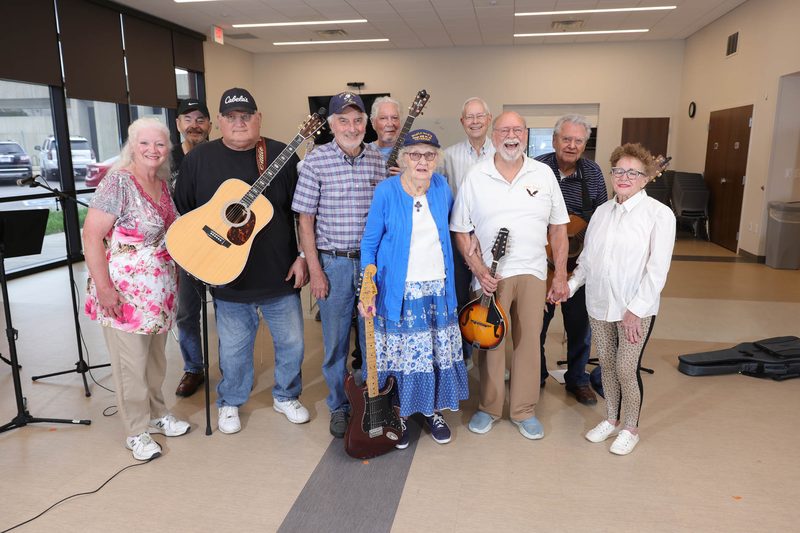
DepartmentsSummer of Music
Features
JurisprudenceGideon and the Law
InsightsDon’t Get Caught Like a Deer in the Headlights
FeatureFly Smart
FeatureThe Hormone Shuffle
FeatureDouble Champs
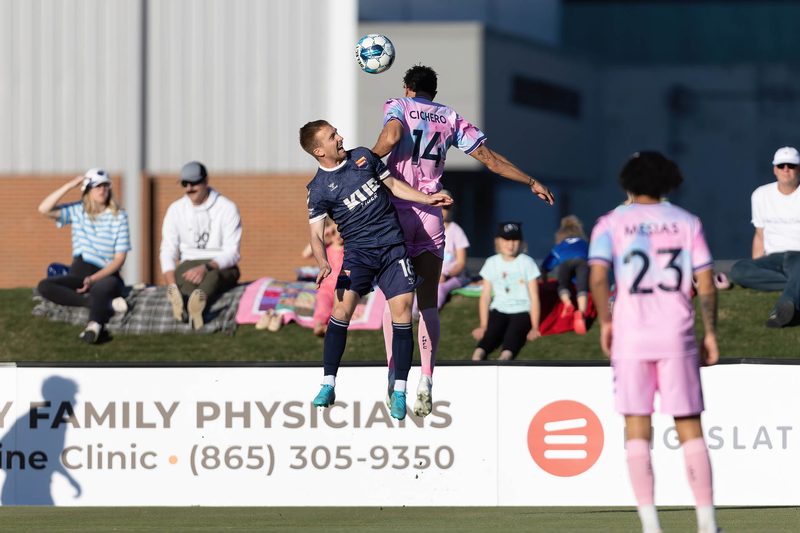
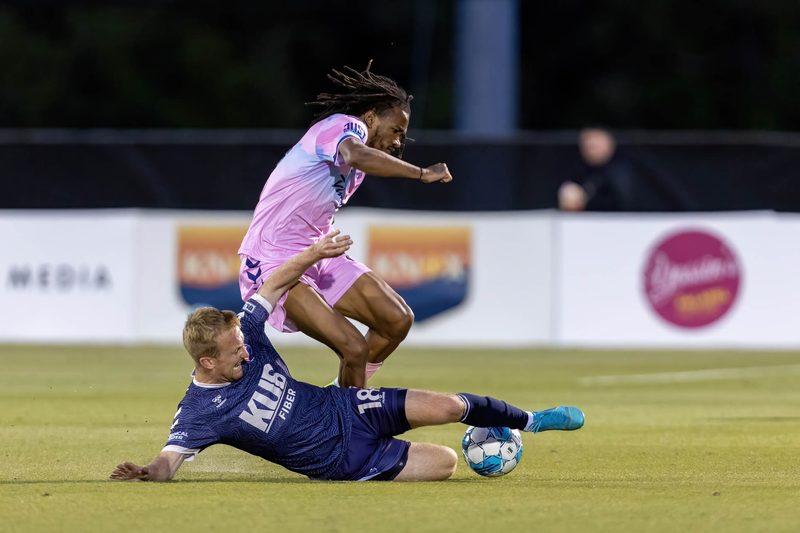
FeaturePro Soccer Has the Marble City Chanting “Ole!”
FeatureA Breath of Fresh Air
Non-ProfitArt Smart
Top Attorneys2023 Top Attorneys
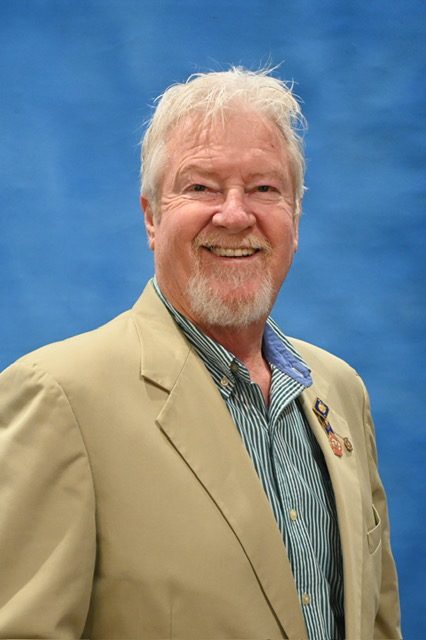
VeteranA Great American Century
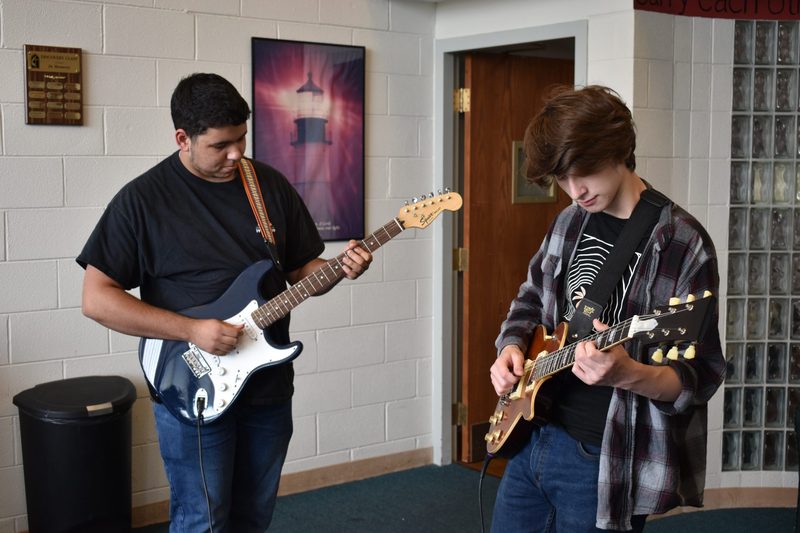
FeatureInspiring Youth
→ Swipe to start reading
The PublisherJULY AUGUST 2023
July ’23 – From the Publisher
Pushing the Envelope
Story by Nathan Sparks
Many years ago, my now friend Scott Jones placed an ad in theCityviewTop Attorney issue. We photographed him seated, flanked by Mandy Hancock and Joni Stewart. We didn’t know Joni’s name, and the creative director put a placeholder on the caption. It read “Mandy Hancock, T. Scott Jones, and Name Name.” And it went to press that way. Scott never complained. It didn’t come up until I visited him the following year. “Why is the publisher of the magazine coming to sell me advertising?” he quipped. “It’s a rhetorical question, mind you, as I already know the answer, ‘Name Name.’” He quickly went on, “Oh, I’m not upset, but I do want a favor.” Deep inside, I groaned and waited for what I assumed would be an untenable request.
“I want to include my racing motorcycle in my next ad,” he said. I asked if he was a racer, and he showed me the results of his last trial. It seems like it was around 200 mph. I reluctantly agreed, and we set a time and place to shoot in a gritty alley in Old City: myself, photographer Jimmy Chiarella, and managing editor Hannah Slaughter. Scott showed up with a beautiful blue and white Hayabusa bike and matching leathers. I was slowly coming around.
Jimmy submitted the photos, and Hannah was masterful in her creativity. A brand was born, one that would, from that day forward, be known as the firm that “Plays to Win.” But more importantly, Scott had taught me a lesson about publishing: that it was ok to think outside the box. I sent the magazine to press, wondering what the public response would be. I am happy to say that it was overwhelmingly successful and launched a series of campaigns that has lasted more than 14 years.
Scott consistently pushes the envelope. And I have had the opportunity to listen to the stories of his cases that will never make the media; not just Scott’s stories, but the stories of many of the top legal community members. And although many people hold attorneys in a negative light, the reality is when you need someone to put their butt on the line to save yours, a good attorney is worth their weight in gold.
So perhaps you should take the time to get to know a few good attorneys, especially in our tumultuous times. It might be an investment that pays off by saving your behind.
→ Swipe for Next Story
Arts & CultureJULY AUGUST 2023
Fired Up
Inspired by a teacher, a Knoxville potter creates wood-fired work
Story by Susan Alexander
It was Love that brought Jordan Butzine to pottery. Wendie Love, that is. In fact, Butzine credits the Farragut High School art teacher with keeping him in school.
“I had dropped out of high school and showed up in the art room to pick up my art. She told me that some of my work was on exhibit at the Knoxville Museum of Art. And then she practically dragged me to the guidance counselor and got me enrolled in classes again. She’s the reason I have a high school diploma and went back to college later. I’ve gotten opportunities because of the art history knowledge she taught me. And she was great at problem solving. She taught me the art of working at art.”
After high school, life got busy and Butzine drifted away from pottery. He was in college at the start of the pandemic and for months was isolated from classmates. “I was going crazy. Then I saw Wendie Love was teaching a class at Mighty Mud. I took it and I’ve been hooked ever since.” Mighty Mud is the artist-operated ceramics studio in Happy Holler from which he now works.
Butzine mainly uses wood to fire his pottery, a technique borrowed from the Japanese that requires stoking the kiln for an average of about 30 hours. As the wood burns, ash settles on the pottery and turns it to glass. “It creates variations on the surface,” he says. “Different curves will get different patterns of ash and flame.” Sappy wood, like pine, tends to create the most interesting finished pieces.
When he’s not creating cups and bowls as well as commissioned pieces like light fixtures and fountains, Butzine works at McQueen Pottery in Maryville, the ceramics studio that makes dinnerware for Blackberry Farm.
“I guess I just like playing in the mud,” he says. You can find his work on Etsy and Instagram, @butzineceramics.
→ Swipe for Next Story
MusicJULY AUGUST 2023
Taking a Leap
Greylan James put his all into becoming country music’s next big thing
Story by Chris Blue
Born and raised in Halls, Greylan James’ vision of moving to Nashville to become a country music artist never seemed like a pipe dream. “Everybody knew somebody that had moved to Nashville to try to do the country music thing,” he says. So when his Papaw gave him a toy guitar for Christmas when he was five, his own version of that dream very quickly took shape. “The story my family tells is that I got that guitar and took it to my bunk bed and played it until my fingers literally bled,” he laughs.
Five years later, he got his first real guitar—again from his Papaw—and began taking lessons. Greylan’s grandparents were two of his first supporters. And when his grandmother passed away, just a short time after getting his guitar, he “wanted to do something special for her” and so he wrote his first song about her and sang it at her funeral. People responded to his talent. “It became part of my blood after that moment in my life.”
Things came to a head at age 17. It was time to decide if he should go to college, ship off to Nashville, or keep performing in Knoxville “until somebody finds me on the internet,” he says. Coincidentally, the latter happened. A Nashville music publisher reached out, offering him a publishing deal to write songs. “I’d never written with anybody besides myself, but in Nashville, everybody every day writes with different people,” he says. “It was a wake-up call.” His desire to excel at songwriting would soon pay off though as Kenny Chesney reached out about a song Greylan had written. “That changed my life,” Greylan says. “Happy Does” became a hit.
He has since written songs for other big names like Blake Shelton and Chris Young. And after releasing his own singles last year, including his first “Anything Cold,” Greylan signed a record deal to Big Machine Label Group in March. He is currently touring with Old Dominion. You can follow his journey atgreylanjames.com.
→ Swipe for Next Story
PoliticsJULY AUGUST 2023
For the Sake of Doing Something
Additional security measures can work, but can they sometimes be too much?
Story by George Korda
Security is as security doesn’t. I wasn’t a danger to President Ronald Reagan, but based on where I was standing, the complexity of security apparatus guarding Reagan on his March 15, 1982, Nashville visit proved the validity of Starship Enterprise Chief Engineer Montgomery Scott’s observation that, “The more they overthink the plumbing, the easier it is to stop up the drain.”
Security is sometimes legitimate. However, sometimes it’s the result of asking a security consultant if a government building or a business needs more security. What do you expect them to say? It’s like asking a University of Tennessee football fan who can’t get a ticket if Neyland Stadium needs more seats. Often, security’s main accomplishment is to inconvenience people who obey the law and who pose no threat. But pouring on additional layers of security is at least “doing something,” even if it doesn’t do much of anything. A person with evil intent will find a way to do evil things.
A case in point about security complexity: President Reagan visited Nashville almost exactly a year after the assassination attempt on him in March 1981, outside the Washington Hilton Hotel, a mere 1.5 miles from the White House. He was wounded when a bullet hit him after ricocheting off his limousine. A year later, the president came to Tennessee to address a joint Tennessee General Assembly session. Nashville was on full alert: the only thing not done to protect Reagan was to clear downtown Nashville of people. Streets around the Capitol building were barricaded, manned by police officers; pedestrians and cars were prohibited. Secret Service agents were ubiquitous, talking into microphones on their wrists. Sharpshooters, observers—or both—were atop buildings around the Capitol.
Access to the House of Representatives chamber, where the president was speaking, was tightly controlled. As a state spokesman, I watched Reagan’s speech on a TV in the governor’s press secretary’s office. Shortly before the speech ended, I walked down the first-floor Capitol hallway, past the governor’s office, down the south steps, and onto Charlotte Avenue, the main street that passes the Capitol.
I stopped about 30 feet from the front of the presidential limousine. I was wearing a suit with a State of Tennessee pin in my lapel. When a president travels, the Secret Service issues pins (which change every day) showing that the wearer is authorized to be in the president’s proximity. I didn’t have a pin, but I was standing only a few feet from Reagan’s car—and no one asked me anything.
When Reagan’s speech ended, security people emerged from the Capitol like ants from an anthill. They took up positions around where the president would exit onto Charlotte Avenue from The Tunnel, a walkway that runs beneath the Capitol Building and opens onto the street. The limousine was about 20 feet from the Tunnel door. People in the presidential motorcade were getting into their vehicles. And I just stood there. A man walked up on my right side. Assuming he was part of the elaborate security precautions, I leaned over and asked, “Is it OK if I stand here?” He said, “I don’t care where you stand.” Then, I recognized him: it was Nelson Benton of CBS News.
A few moments later, I could feel the tension increase: the president was coming. When the Tunnel door opened, Reagan came out. Aside from state employees watching from Legislative Plaza War Memorial Building office windows, no one was around except people in the motorcade. And me. And I just stood there. The president’s car departed, with me watching from my unanticipated, up-close vantage point.
Another example: When George W. Bush first ran for president, he made a visit to South-Doyle High School. To enter the gymnasium, everyone had to go through one of several metal detectors: the lines were daunting. As I was there in my capacity as WATE-TV political analyst, I went to the back of the building, the journalists’ entrance. A friend’s son with an interest in politics accompanied me.
We stood for a moment and watched Secret Service agents and police officers search the camera bags of TV crews and inspect radio reporters’ recording devices. We then walked through the door into the building, the agent at the door simply nodding as we passed. No metal detector, no emptied pockets, no nothing.
Each of these experiences represents security slip-ups. Because they happen. And too often, acts of “protection” separate the public from their government. For example, walling off the City County Building parking garage from public use doesn’t make the building more secure; to truly do that it would be necessary to close the streets around the building and set up checkpoints for any vehicles entering the CCB safety zone. Even then, there’s no certainty. But one thing’s certain: closing the garage to the public provides government employees with low-cost parking.
I was once talking to a judge about the CCB’s security arrangements. He said, “We need them. We get threats.” I said, “So you never leave the building, never go to lunch, you don’t go home and never go out in the evenings?” He stared at me. He didn’t know what to say. Because he knew that someone intent on doing evil will find a way.
Unquestionably, if security at government buildings returned to the time when a free people could enter buildings freely, there would be accusations, recriminations, and lawsuits. That, principally, is why before they enter a building, Americans have to prove they’re not potential criminals. But security for the sake of “doing something” typically affects only well-intentioned citizens. And, as experience has shown me, the more security officials overthink security, the easier it can be to be seen, but not seen.
→ Swipe for Next Story
InsightsJULY AUGUST 2023
Tennessee Tradition
The lessons live on for those willing to teach them
Story by Bruce Fox
My grandfather and uncles began teaching me to hunt and fish when I was 12. Out of all of them, I can recall much of my early memories being with my Uncle Jake (Cox) who frequently took me fishing for walleye on Norris Lake. (It wasn’t until much later in life that I realized he took me fishing so he could catch more fish with me in the boat!) When I was old enough, Uncle Jake and I eventually started hunting together, during a time when simply seeing a deer or turkey in Tennessee was a big deal. We spent countless hours among the trees, as the greatest tradition in Tennessee passed from one generation to the next.
This past spring, my two cousins and I were fortunate to be able to show our gratitude to Uncle Jake by taking him on a Cabela’s Signature Event turkey hunt near Hopkinsville, Kentucky, where we stayed at Cabela’s Lodge with host Josh Workman stewarding our experience, and Dusan Smetana—one of the world’s most sought after sporting photographers—capturing it. It was a tough three days of hunting due to rain and high winds, but the time with Uncle Jake was something I’ll ever forget.
We bagged a couple of Old Toms during the trip, but perhaps most notable were the moments spent in the lodge recounting stories of deer and turkey hunts spanning 50 years. As we told our tales, there was a common thread among all of them: Uncle Jake. His profound influence on our shared experiences hunting and fishing together was evident as each tale unfolded, elements of our early lessons with him woven into just about every story we told.
Tennessee is rooted in tradition in so many ways. But none are quite as impactful as the ones passed down outdoors. We then take those lessons—preparation, patience, resilience, understanding—and without even realizing, apply them to all other areas of our lives. Eventually, it’s our turn to pass those lessons on to the next generation, and so the cycle continues. Tennessee tradition lives on, and for me, that’s all thanks to Uncle Jake.
→ Swipe for Next Story
DepartmentsJULY AUGUST 2023
The Meigs Line
Walking in the footsteps of a forgotten expedition
Story by John Quillen
I was surfing through bottomless rhododendron patches on Blanket Mountain for miles. This stretch out of Elkmont, Tennessee, in the Smokies, was as off trail as it gets. My objective was a long forgotten passageway that exists only in defunct maps and the imagination of Smokies historians.
In 1802, Colonel Return Jonathan Meigs Sr., agent to the Cherokee Nation, and surveyor Thomas Freeman set out to define the line between Cherokee lands and those of new settlers. Meigs was a hero long before accepting this assignment from President Jefferson. In 1777, Revolutionary Army Colonel Meigs led 220 men across British lines in Sag Harbor, New York, where he burned 12 British ships and captured 90 prisoners without the loss of a single man in his detachment.
These pioneers stumbled along my present route delineating a boundary using everything from marked boulders to unusual arboreal arrangements referred to as “witness trees”. Some called this the “White path”. Meigs’s directive was to settle disputes from earlier boundary attempts. In many ways, his foray was the progenitor of Lewis and Clark’s more well-known journey two years later.
I eventually stepped on some flat ground and was confronted by an anomalous quartz rock embedded into an ancient tree. Later, I was made aware of its significance. Turns out, I had discovered a boundary marker integral to Meigs’s mission. That was 15 years ago, but my quest to uncover the Meigs Line secrets continues to this day.
I recently returned to Blanket Mountain. While I won’t share the exact location of the marker—souvenir hunters and day hikers can get into trouble off trail—the path up is well-worn. From Jake’s Creek, I ascended the junction of Miry Ridge. Trekking the unmaintained trail to the right, I came across the remnants of an old fire tower.
Back in Meigs’s day, their methods were somewhat rudimentary. When Meigs needed to mark something, they supposedly threw a red blanket over it, allowing it to be sighted across the col between Jake’s Creek and Miry Ridge. A prominence I found there bore direct resemblance to Meigs’s writings on the subject.
Back in the ‘70s, a couple of Smokies rangers traced this trail from its beginning outside the Smokies to its end near—something of particular interest to me—Mt. Quillen in South Carolina. Like Meigs, these government employees encountered all manner of bears, snakes, and geographic encumbrance albeit with the resources of their positions within the National Park Service. Vinn Garoon, who was nearing retirement, was one of them.
In the shadow of Clingmans Dome, Garoon got seriously lost having forfeited a boot in the headwaters of the Little River. As he was more than a day late for scheduled completion, park service colleagues organized an extensive search involving airplanes and seasoned trackers. They found the aging ranger hobbling shoelessly in the back of beyond, having learned a final lesson from the mountains he thought he knew. I’m sure Garoon was pining for the amenities of Meigs’s survey group, which included Cherokee scouts and seasoned locals. I could seriously relate to the frustration of false summits that these hills and hollers can produce when alone and bushwhacking. High atop Mt. Collins is the most important marker for this survey expedition, a stone which has seemed to walk across the mountain alongside the surveys, elusive as a bobcat. Some blame the lumber companies who sawed full bore right up to the day these lands were marked as federal property. I have wandered in search of this particular stone to no avail, but treading through time definitely channels the spirit of these early adventurers. Next stop for me is the ending point and my namesake mountain. It’s probably through private land, and I will end up with a backside full of buckshot. Any takers?
→ Swipe for Next Story
DepartmentsJULY AUGUST 2023
The Omakase Experience
Sit back and enjoy Koyo’s multi-course tasting menu
Story by N. Brooks Clark
At Koyo, on Clinch Avenue just off Market Square, Executive Chef Chris Bowman wants you to experience an evening of carefully curated courses and wines.
“Omakase” refers to a succession of dishes selected by the chef paired with tantalizing wines. “You come in and you leave it up to the chefs,” says Beverage Director Stephanie Hunley, whose competitive sommelier spirit was honed as a Lady Vols rower. “We won a Wine Spectator award for our wine list. We have wines that are not going to be seen around Knoxville.”
Our evening began with a knockout amuse bouche of an Oishi oyster with Korean-spiced mignonette sauce topped with golden tobiko (caviar). The first course—local greens, gooseberry, strawberry, and cashew milk—was paired with an Andre Clouet Brut Grand Reserve NV from Champagne, France.
Bowman grew up in Columbus, Ohio, where he sold programs at Ohio Stadium. Ask him about legendary coach Woody Hayes and his last quarterback, Art Schlichter. Bowman studied industrial and product design at the Columbus College of Art & Design. After bouncing and bartending in campus bars, he rolled sushi at Strada World Cuisine. The way Hitchcock drew story boards, Bowman paints what the dishes will look like. “I’m all about creativity,” he says. “I love the presentation skills of our chefs Jessica Davidson, Sarah Williams, and Amber Reed. I just work up the menu and let ‘em go! Everything is a masterpiece. We’re never satisfied. We always want to know how we can make this better. We are searching for the ultimate dining experience.”
Our second course—seared tako salmon with uni cream sauce, purple mustard greens, Fresno chili and mustard seed relish—was paired with a 2018 St. Urbans-Hof Nik Weis Ockfener Bockstein Riesling from Mosel Germany. This set the stage for course three—a lavender-wakame crusted lamb chop, locally grown asparagus, and fermented black bean sauce—paired with a 2019 Domaine Hamelin Chablis from Burgundy.
After the Memphis Culinary Academy, Bowman landed at the tony Odessa Restaurant and Bar in Laguna Beach, California, birthplace of the Hobie Cat. That led him to Palm Springs and the even tonier Muriel’s Supper Club, where Robert Downey Jr. ate the night of his 2000 drug arrest and where Bowman’s cooking ascended to the next level executing chef Doug Brown’s high-end tasting menu. “It’s progressive American,” he says. “I am old school. I like to keep it old school.”
He went to New Orleans to open Muriel’s Jackson Square. “The owner wanted a bit of NOLA flair,” says Bowman. “I had my ‘French craze’ incorporated in my style.” After stops in Seattle and back in Palm Springs, “I learned catering and management in nine years at the Mesa Verde Country Club in Costa Mesa.” He ended up back in Palm Springs, at Zin American Bistro, where the original TV Batman, Adam West, was a regular. “Mindy Reed had won 12 Wine Spectator awards,” he says. “Working with her wines pushed my career in that way.” When his folks retired to Crossville, Bowman cheffed at Fairfield Glade Community Club for two years, then joined Josh James’ Harvest/Nama family and launched Koyo.
Our fourth course—shrimp congee, shaved bottarga, bonito, cured egg yolk, chili oil, and scallion oil— was counterpointed with a 2021 Orin Swift, Eight Years in the Desert Zinfandel, from St. Helena, California. “It’s delicate, subtle, plays with your palate in an unexpected way,” says Hunley.
A palate cleanser of Granny Smith apple sorbet prepared us for a fifth course of seared Japanese A5 wagyu beef, blistered shishito pepper, Castelvetrano olives, spring onions, umeboshu butter, and maldon salt paired with a 2018 Maison-Blanche, Montagne St. Emilion Bordeaux Cabernet Sauvignon. Dessert was a house-made panna cotta with fermented blueberry honey, puffed buckwheat, dehydrated blueberries, and amaranth.
You can always order dinner à la carte, but Bowman would rather you opt for Omakase. “Our show starts with the greeting at the door,” he says. “You are paying for the high-end experience. Nashville is there with the Catbird Seat and Sean Brock’s June. That’s what we’re shooting for. That kind of style.”
→ Swipe for Next Story
Dining GuideJULY AUGUST 2023
Lost in the View
Rooftop spaces in East Tennessee offer a unique environment to kick back, relax with a drink, and enjoy the view
Story by Marc Anthony
To see and be seen. A view from the top is a summertime fave in East Tennessee, but with only a handful of rooms with a view, those that sit high above and look down upon us all are inviting, comfortable and welcoming for visitors and residents alike.Five Thirty LoungeRadius Rooftop Bar and Lounge101 Sky LoungeSunspot
Five Thirty Lounge
You know I call it like I see it, and this beautiful spot atop the Hyatt Place on Gay Street makes the top two for rooftop bars. And it’s probably number one on many lists, including mine. Historically, this building is a Knoxville treasure, and the Five Thirty Lounge respects the legacy of the Farragut Hotel. Ten stories above the city and glass everywhere, cuddle up next to the fire pit, order a crafty little cocktail and feel like you’re sitting in a chic, Manhattan bar. So order a Manhattan and call it a night…you need go no further. Pro tip: Ever had beef sushi? How about a little Wagyu roll to start the night!
Now, I’ve been to Radius a dozen times and yet, I’m still waiting to see someone take a dip—intentional or not—in the centerpiece pool. Another downtown showcase, Radius sits 14 stories above the Embassy Suites and offers the most expansive view of the city, the Smokies, the Sunsphere, the Tennessee River, and probably your house. The clientele I’ve rubbed elbows with in my many trips here are always dressed to the nines, while I’m solidly around a 5.3. That’s the thing about these rooftop gems; you treat your visit like people of the 1950’s treated air travel… Looking great and ready to fly!
Open from May through October, this new hidden treasure in Sevierville sits atop the same building as Deron Little’s Seasons 101. Similar to the downtown Knoxville locations, here you’ll find the best views in Sevierville, not to mention the best of the Great Smoky Mountains. Snuggle up by the fire pits while sipping a cocktail, and take in the view. Live music—and often karaoke—shows up here on Friday and Saturday nights. And of course, if you’re feeling hungry, you can pop down to Seasons 101 for lavish apps at the bar. Sesame seared ahi tuna, anyone?
A college town and something called “Wine Night” means you’d better hurry to beat the Gen Z’ers to Sunspot on the strip. Bottles line up high on Sunspot’s “battlements” like small soldiers looking down upon the passersby. As an older patron of Sunspot who can’t get enough of their Black Bean Burger, I can’t say I’ve ever been there later than 7pm, so I can’t necessarily comment on the convivial atmosphere for which Sunspot is known, but some say the emanating noise as the night progresses is “Neylandian” in its volume and cheer. Enjoy!
A perch from Scruffy City Hall provides us a look down upon the proletariat shuffling through Market Square. The only two-level rooftop bar in our survey, SCH has the Local Loggia with gothic brick arches serving the finest in local craft beer and the “Scroof” from which you’ll be as close to the papacy as you’ll ever get in “Knoxville’s Cathedral of Entertainment and Libations”. Come for the beer and stay for the Cinepub Cinema Under The Stars, one of the coolest things in Knoxville. Food epiphany? It’s surprising that a sandwich called the “Cas Walker” is not made of ham, but the roast beef on cheddar is a mouthful, just like Cas!
Two bars, one rooftop experience. And seeing that this is a review of rooftop havens, I don’t have the word space to tell you how fascinating the Crystal Garden is, so let’s head upstairs. Labyrinthine paths from separate doorways from PP and BCG lead you to the same place in two different parts of the same rooftop bar. It’s a bit confusing, and I suggest rested legs before the journey to the top no matter from which entrance you start your trek. Scott and Bernadette West have built a unique and kitschy space as eclectic and freewheeling as they are. Food energy? Eat at Bernadette’s amongst the amethyst and citrine or Preservation Pub amongst the revelers from the extensive combined menu highlighted by my fave, the Jack BBQ Chicken Nachos!
I’ve already told you about Loco Burro’s newest location at West Town Mall in one of the more recent Dining Guides, so there’s no need to convince you that the food is worth the trip. (But seriously, have you tried the mesquite grilled corn with the garlic lime aioli and cotija cheese, yet?) What you might not know, is that this location also boasts a lively rooftop bar and entertainment space. You can enjoy the space for a boozy brunch or for a “Rita” while listening to some live music on the weekend. Either way, it’s worth the night out.
If you thought the East Tennessee rooftop scene is stagnant, you’d be mistaken. Just this spring, two rooftop locations were announced, expecting to call East Tennessee their home very soon.
Monday Night Brewingannounced it would open its first location in Knoxville at the upcoming Kern’s Bakery Food Hall in South Knoxville. If you haven’t kept up on Kern’s, the former iconic bakery is being redone as a mixed-use community space with food, event space, and now not one, but two rooftop patio bars featuring Monday Night’s brews.
And if you’re itching to get out of town, you should know thatJason Aldean’s Kitchen + Rooftop Barwill be opening its second location in Gatlinburg soon, which will be great if you’re looking to feel like you’re on vacation, but also want to make it back to home base for bed. The restaurant and bar will be on Parkway.
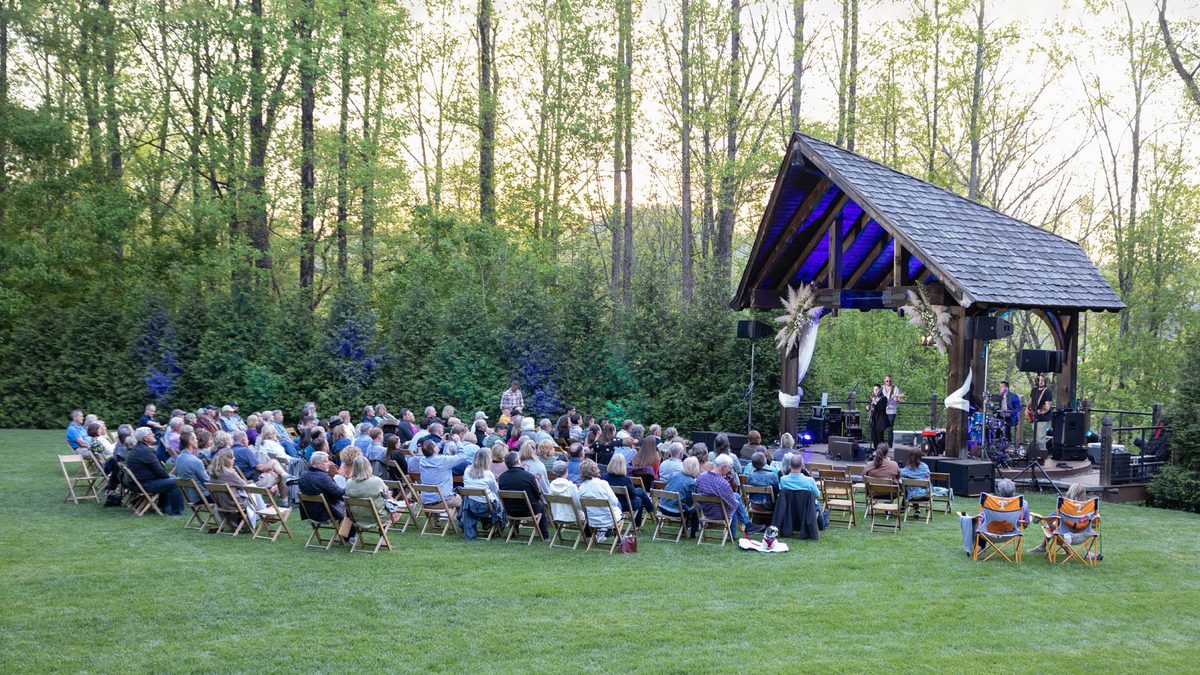
‘Tis the season for barbecues, outdoor get togethers, and music on the lawn
Story by Micha Haas
Here in East Tennessee, summer opens doors to all sorts of adventures, and music is no exception. Are you looking for some good old-fashioned country, or maybe something a bit jazzier? Want to see a big name up on stage, or a local gem just getting their start? Looking to kick back under the clear Southern sky, or let loose with the lights flashing? Whether you’re looking to relax with an intimate dinner-and-a-show with the family, liven things up at a concert with friends, or maybe ride solo and try something new, East Tennessee’s got an offering for you – if you know where to look!
For those looking forward to a musical adventure, but not quite sure where to start, we’ve got you covered.
ORNL Summer Sessions
July 8 & August 12 | 6pm & 4pm
Bring lawn chairs to the Oak Ridge series at A.K. Bissell Park to hear the Americana music of Sam Bush (July) and Sierra Hull (August). Come hungry; food trucks in attendance!
Concerts at the Cove
July 9 & August 13 | 6pm
Nothing beats an evening at Concord Park, especially when you add music to the mix! Catch bands Leftfoot Dave and the Magic Hats (July) and the Rockinfellerz (August) as the sun sets.
Clayton Park Concerts
July 9 & August 13 | 6pm
Knox County’s Concert on the Cove series also includes concerts at Clayton Park with Jay Dee (July) and Crawdaddy Jones (August). Take in the beauty and music.
Tribute to Fleetwood Mac
July 14 | 8pm
Have you heard the Rumours? The Mill & Mine is giving Knoxville a taste of this Tribute to Fleetwood Mac mid-summer at the downtown performance center.
Grooves in the Garden
July 15 | 5pm
This outdoor music fundraiser at the Knoxville Botanical Garden will have you out of your seat dancing to hits from the 70s through the 2000s.
Concerts on the Square
July 20 & August 17 | 7pm
Bring a picnic, wrangle the kids and dogs, and enjoy the music and dancing downtown on Market Square for a night of classic Eagles jams (July) and a night of salsa (August).
Bluegrass Brunch at Dancing Bear
August 7 | 10:30am
Dancing Bear will host its Sunday series featuring the music of Jeff Nelson & Friends, the culmination of their three-day-long inaugural Appalachian Homecoming weekend.
Concerts for our Own
August 10 | 7:30pm
Music for a cause? Yes, please! Catch Jay White on The Sweet Caroline Tour at the Tennessee Amphitheater, in support of Special Spaces, Love Kitchen, and Breast Connect.
Songs by the Brook
August 17 & August 31 | 6pm
Americana, folk, and bluegrass will ring throughout Alcoa’s Springbrook Park as three different bands take the stage each night. Vendors will be on site for something to eat!
Lawn Chair Concert Series
August 19 | 8pm
Amidst the wandering pathways of Founders Park in Farragut, you will find some good—and free—local music. Don’t forget your chair!
Music for the Seniors
August 22 | 2pm
Sarah Pirkle and Jeff Barbra, stars of local radio program “Behind the Barn”, will give a free concert at the South Knoxville Community Center. Sing along to the bluegrass!
Pickin’ on Nature
August 24 | 5pm
East TN Bluegrass Association hosts a night with Tim and Jodi Harbin & The J Birds on the Visitor Center lawn at Ijams Nature Center—with a beer garden and food truck on hand!
→ Swipe for Next Story
JurisprudenceJULY AUGUST 2023
Gideon and the Law
Each era finds an improvement in law for the benefit of mankind. —Clarence Gideon
Story by Gary Wade
The Book of Judges in the Old Testament tells the story of Gideon, who was chosen by God to free the people of Israel—some 1,200 years before the birth of Christ. With an army of 300, Gideon intimidates and defeats thousands of Midianite troops in a bold nighttime attack, simply by the blaring of trumpets and the display of torches. Not one of his soldiers was lost. Considered the greatest of the Israelite judges, Gideon is memorialized by The Gideons International, an organization which, among other good works, supplies the King James Version of the Bible in hotel rooms across the country. Another Gideon, a far more unlikely hero than the first with that name, is responsible—in his own way—for changes of biblical proportions in the criminal justice system in the United States.
His story begins after midnight on June 3, 1961, when a burglary took place at the Bay Harbor Pool Room in Panama City, Florida. Someone broke into the doorway, smashed a cigarette machine, and stole the contents of the cash register. Police learned that a witness by the name of Henry Cook had seen Clarence Earl Gideon at 5:30 that morning leaving the pool room with a wine bottle, beer, a coke, and pocket change. Based on this information, Gideon, a drifter with a long history of petty crimes, was arrested and charged with a felony.
This Gideon had a background that was not helpful to his claim of innocence. Born on August 30, 1910, in Hannibal, Missouri, he was three when his father died. Unable to conform to the strict household rules of his mother and resented by his stepfather, he ran away from home at 14 and traveled to California and back in the following year. When his mother learned that he was living with an uncle, she had him arrested. Young Gideon escaped from jail, stole some clothes, and was sentenced to three years in reform school. In 1928, during his first marriage, he worked in a factory but soon lost his job. A series of crimes led to a ten-year sentence in the Missouri state prison and divorce. Paroled after three years, he found no work during the Great Depression. In and out of prison in several states over the ensuing years, Gideon also experienced a series of failed marriages. He eventually settled in Panama City and, just short of his 50th birthday, was spending much of his time at the Harbor Pool Room.
When arraigned after his arrest, Gideon informed the judge that he could not afford to hire an attorney. The judge explained that the law allowed the appointment of an attorney only in capital cases involving a possible penalty of death. Gideon tried to represent himself, performed pitifully, and was found guilty in short order. Sentenced to five years in prison, he appealed to the Florida Supreme Court and lost. His last hope, still without counsel but with the assistance of the library at his prison, he filed “in forma pauperis” a petition to our nation’s highest court. Gideon claimed that he was entitled to, but denied, the appointment of counsel at his trial as guaranteed by the United States Constitution.
The court agreed to hear the case and appointed Abe Fortas, a well-known Memphis attorney who was later appointed to a seat on the high court himself, to argue the issue on behalf of Gideon. On March 18, 1963, just over 60 years ago, the Supreme Court, in a unanimous vote, ruled that the appointment of counsel was a fundamental right to any defendant who asked for but could not pay for the services of an attorney. Few, if any, cases have had a more profound effect on the legal profession.
Gideon and some 2,000 other inmates in Florida alone were entitled to release and a new trial as a result of the decision. Five months later, Gideon was tried for a second time. W. Fred Turner served as his appointed counsel. Again, Cook was called upon as the key witness in the trial. Turner’s effective cross-examination discredited Cook, a man of questionable character, and became a key factor in the proceedings. Moreover, a cab driver who had driven Gideon from the pool hall that night to a nearby bar, confirmed that Gideon had no wine, beer, or soft drink bottles, items taken in the burglary, when he entered his car. In his closing argument, Turner suggested that Cook had been a lookout for the real perpetrators. The jurors deliberated for only an hour before returning a not guilty verdict.
After five years in prison for a crime he did not commit, Gideon was released. He married yet again and moved to Fort Lauderdale where he died of cancer on January 18, 1972. He was 61. For a time, his grave site was unmarked. A granite headstone was added later with a line from a letter Gideon had written to Abe Fortas just before the release of the landmark decision: “Each era finds an improvement in law for the benefit of mankind.”
Post Gideon v. Wainwright, the federal courts were flooded with petitions for release by unrepresented inmates seeking new trials. In this state, our General Assembly passed into law the Post-Conviction Procedure Act of 1967 and, in order to relieve our state supreme court from an insurmountable number of claims, like those of Clarence Gideon, created the Tennessee Court of Criminal Appeals. Finally, by 1990, an elected Public Defender held an office in each of the state’s judicial districts. Today, the phrase “you have a right to an attorney; if you cannot afford one, one will be appointed for you,” has become an integral part of the criminal justice system. Television has done wonders for spreading the word.
To end this column on a biblical note just as in the beginning, the Book of Proverbs in the Old Testament offers sage advice: “Open thy mouth for the mute, for the rights of all who are destitute. Open thy mouth, judge righteously, and defend the right of the poor and needy.” This has been the duty to those in the legal profession, like yours truly, who can often be hard to love… sort of like a porcupine in need of a hug.
→ Swipe for Next Story
InsightsJULY AUGUST 2023
Don’t Get Caught Like a Deer in the Headlights
Laws you didn’t know you needed to know. Well, now you know.
Story by Robert Pryor, Sr.
It has come to my attention that some of our readers may be receiving bad information about the law. It’s hard to comprehend the thousands of laws that control our lives. Our everyday activities and behaviors are affected by a complex network of common laws that we largely inherited from our English ancestors and what can be a confusing web of federal and state statutes. Just keeping up can make your head spin.
As a lawyer, I feel it is my responsibility to straighten out those of you who may be learning your law from potentially unreliable sources like TikTok, Twitter, the Onion, or perhaps SNL Weekend Update. So, allow me to answer a few inquiries about some legal issues that may be on your mind.
Road Kill Law
Yes, Tennessee does have a law that allows you, if you’re lucky, to “possess for personal use and consumption” game animals that you might find dead on or along the highway. So be on the lookout for something good to take home and fix for supper as you drive along Tennessee’s back roads. Of course, if you actually hit and killed your treasure, it makes it much easier to find. Like all laws, however, there are conditions and exceptions to your enjoyment of a grand feast of prairie-chicken casserole. First, your plunder must not be a federally protected species, and, second, the cause of death must be established to be by motor vehicle. In some cases, an autopsy may be required to rule out death by poisoning, rock slides, guns, arrows, or sexual selection competition. The law allows only “game animals” to be possessed and eaten, which is really good news for those of us who enjoy grilling snakes, squirrels, and beavers. If interested, I have a few good recipes for pigeon pie and kangaroo stew.
Airline Travel
There has been some controversy recently about the laws related to airline travel and passenger entitlements if flights are cancelled or overbooked. According to USDOT regulations, and perhaps contrary to popular belief, airlines on domestic itineraries are not required to compensate passengers when flights are delayed or cancelled. As a general rule, airlines do not guarantee they will depart on schedule or even that they will depart. There are no guarantees in flying like there is no crying in baseball. However, when your international flight is delayed or cancelled due to airline negligence or failure to take reasonable measures required to avoid your economic damages resulting from a delay or cancellation, reimbursements are possible (see Article 19, Montreal Convention). Forget it, however, if the excuse is weather conditions, maintenance, or security issues. Damages for international passengers are capped unless the airline conduct is proven to be intentional or reckless.
As you might imagine, overbooking a flight is not illegal. We poor passengers have to just put up with this abuse in the name of corporate profits. However, the airline must first ask for volunteers to be bumped in exchange for compensation plus a later flight. The compensation or benefits that passengers might receive as a volunteer are not mandated by law and a free market exchange occurs. I volunteered once to be bumped and my demand was luxury accommodations and two tickets to the Super Bowl. The other passengers got a kick out of that.
Now, what about that poor devil who gets involuntarily bumped just before takeoff from a flight for which he has a ticket and is sitting in his assigned seat? You would think that this is where the big bucks come in. The USDOT regulations require payment to the involuntarily bumped passenger by check or cash as soon as he is untied back in the terminal. The minimum amount that is required to be paid is based upon the price of the one-way ticket and the length of the passenger’s delay. You actually receive nothing in compensation if your rescheduled flight gets you to your destination within one hour of your originally scheduled arrival. If you will arrive at your destination between one and two hours late, you are entitled to 200 percent of the cost of a one-way ticket, not to exceed $775. If your ultimate arrival will be over two hours late, you are entitled to 400 percent of the cost of the one-way fare, not to exceed $1,550.
International flights involve a different compensation scale. However, you can lose your right to receive compensation for being involuntarily bumped if you do not have a confirmed reservation or if you arrive late at the departure gate. Each flight has a “deadline” for passengers to arrive at the departure gate which changes periodically and varies from airline to airline just to keep us on our toes. You can also lose your rights to compensation if you fail to dress in red hat with an ostrich feather. These are the tricky little rules you never hear about. If you do not wish to be thrown off the plane because of overbooking, I would suggest you cry in front of the other passengers and capture their sympathy and support with a sob story about how your wife ran off with her probation officer and you need to get home quick to take care of the children. That’s what I do.
Proof of ID
Some of our criminal readers have asked if they are required to show their driver’s license to the cops before they are advised of the nature of the trumped up charges when they are stopped again on the highway. The answer to this question is “yes,” especially in a state with a “stop-and-identify” law. In those states with “stop-and-identify” statutes, a party stopped by the police generally is required to identify themselves, and presenting their driver’s license is usually considered a reasonable identification. Tennessee has no such law, but why protest?
Cooling Off
You understand buyer’s remorse, don’t you? Think back to your first marriage or that time you bought a used Mary Kay Cadillac. Well, I have some good news for you. The Federal Trade Commission allows you to get out of some stupid purchases that you make.
If you got all hot and bothered and bought something you regret, you have three days to “cool off” and get out of the deal. However, no “cooling off” is allowed unless the purchase price was over $25 paid to a salesman in your own home, or greater than $130 paid someplace else like that $8,000 bejeweled Elvis jumpsuit you bought in the gift shop of your Las Vegas hotel. You’re stuck with your purchase if it was for a household or personal item like a water bed or a fifty-five gallon drum of anti-aging face cream, deals made on the Internet or by mail, sales completed at the seller’s place of business like the time you bought a mechanical bull from the guy selling junk from his barn, or purchases made in emergency circumstances like the time you gave the Starbucks Barista $200 for the code to the men’s room. If you’re thinking there’s not much left that allows a “cooling off” period–you’re right. My legal suggestion is that you should best think before you buy or otherwise keep me on retainer.
Cutting Out the Spouse
Every day someone asks if he can cut his wife totally out of his will, and I’ve asked my legal assistant to tell that guy to stop calling me. I’m sorry, this is a serious subject. The answer to this question is “no.” A wife or a husband cannot be totally cut out of their spouse’s will because, in Tennessee, a spouse has what is called an “elective share.” This is true even if the will of the deceased states clearly and unambiguously “my spouse is not to receive a damn thing under this will.” The renounced spouse has nine months after death to claim the share. How much is the share, you ask? Like compensation from an airline for overbooking, it depends. The “elective share” is a percentage of the net estate and varies depending on the length of time the spouse was married to the deceased. If married less than three years (even if interrupted by a divorce or two), the share is 10 percent. If married a total of three to six years, the share is 20 percent, and if married between six and nine years, the share is 30 percent. For a marriage or marriages lasting nine years or more, the surviving spouse tops out at 40 percent of the net estate.
Miscellaneous Laws You Should Not Ignore
According to the Knoxville City Code, it is (1) illegal to advertise your special skills to tell fortunes, restore lost love, or use psychic or clairvoyant powers; (2) illegal to allow a minor to play pinball; and (3) legal for a private citizen to make an arrest for offenses committed in his/her presence and for felonies if the arresting person has reasonable cause to believe the person has committed a felony.
It is hard to have fun in Tennessee. We no longer are allowed to fish with dynamite. Only a rod and reel are allowed. Never try to sneak a skunk into Tennessee from Kentucky, and always remember that it is against the law to make any attempt to sell or barter a live skunk inside the state. If you steal a horse in Tennessee, and who hasn’t done that, you can be punished by death. That law has been softened a little over the years because it used to be death by hanging. I guess it doesn’t matter–death is death, and it’s a high price for taking a neighbor’s equine.
Finally, I vividly remember the thrill I got from secretly holding my second-grade girlfriend’s hand during a field trip to a play at the Bijou Theatre. Admittedly, I started early. Now, holding hands is not condoned in Tennessee schools and may be considered a “gateway sexual activity” that causes students to experiment sexually. Like a gateway drug, I must admit, it did cause me to move on to more habit-forming behaviors. Sad to know that there are literally hundreds of seven- and eight-year-old boys who will never know the thrill of holding a girl’s hand in a school assembly program or play.
We hope this helps you in your day-to-day legal dilemmas.
→ Swipe for Next Story
FeatureJULY AUGUST 2023
Fly Smart
Vacation time is here, but you might not even realize that your jet lag may be impacting your health
Story by Sara Pugh
Migratory birds travel long distances, but do not suffer from what we humans call jet lag. Why? To put it simply, birds don’t use airports and airplanes which are probably, in my opinion, the most aging environments on the planet due to the artificial lights, the lack of sunlight, the huge amounts of radiation, and the abundance of unhealthy food. This combination wreaks havoc on our hormones, brain chemicals, sleep, and health and can leave us with that nasty feeling of jet lag. But there’s more than meets the eye here.
There are about 12 different pillars of aging, but we’re only going to touch on five here: broken or out-of-sync body clock/circadian rhythm, dysregulated blood sugar, biological junk or toxins building up and around cells, damage and dysfunction in the mitochondria – your power supply, and cellular dehydration due to loss of ‘living water’ coherent water or structured water/dehydration. Traveling, particularly by plane, has the potential to impact many of those pillars, so we may as well learn a little bit about how to care for our cells as we do. Let’s dive in.
The Light Driver
Scientists agree that high or dysregulated blood sugar can cause inflammation and disease. There are countless articles that link dysfunctional circadian rhythms to diabetes, obesity, cancer, depression, inflammation and more. Light, believe it or not, is the primary driver of metabolism. Our cells perform hundreds of thousands of processes per minute, that need to be coordinated so we can function properly—a bit like the running of a large busy airport. And all of our cells and organs have ‘biological clocks’ in them so they know exactly what to do and when, such as when to go to sleep, when to burn fat, when to digest food, and when to destroy old and damaged cells. It’s fairly important work.
So how does light impact these biological clocks? Light-sensitive receptors in our eyes and skin inform the brain what time it is so we can make the correct hormone or brain chemical at the correct time. So when we head off on vacation and flood our bodies with the artificial blue light from screens, the airport, and the airplane, our cortisol (stress hormone) levels rise, but so do our blood sugar and insulin levels—all this without even eating any nice food. This can be a disaster if you already have diabetes or pre-diabetes. To add to this, blue light steals your dopamine which means you are much more likely to impulse buy, have cravings for sugar, junk food or alcohol—not to mention experience mood swings.
Artificial blue light toxicity is a sure-fire way to ruin your sleep, and as we all know, not sleeping properly is a hallmark of jet lag. Here are some tips on how to balance your body clock, minimize biological junk, and avoid those blood sugar swings while traveling this summer:
Soak up the Natural Light.Get as much natural light as possible before getting in the car and heading to the airport. And if you run out of time, open the windows of your car a crack on your way to the airport. The natural light can still get in.
Block the Blue Light.Blue light is hard to avoid these days, but there are ways you can prevent it from its most intense impacts. Block blue light coming into your eyes by using blue-blocking glasses from a reputable company and cover as much of your skin as possible while in the airport or on the plane.
Take in the Sunrise and Sunset.When you get to your new location, watch the sunrise. Then see the UVA rise by going for a 10-20 minute walk as this is when important hormones like thyroid and brain chemicals such as dopamine and serotonin are made.
Getting plenty of sunlight in the morning is vital for setting you up for a good night’s sleep and minimizing jet lag.
On that same note, see the sunset in your new location, and block blue light from screens once the sun is down. Not blocking artificial light can actually stop your brain from producing your own melatonin, which is vital for sleep.
Pro Tip: It might seem counterproductive to recommend an app, but some apps (Circadian is a good one) can tell you the timing of the sunrise, UVA rise, sunset and more in your location so you can plan your day.
Partake in a Travel Diet.I’m not talking here about losing weight, I’m talking about consuming a diet geared specifically toward your travel. I recommend a ketogenic diet (less than 20g of carbs), but fasting on your day of travel can also prevent blood sugar dysregulation. Jet lag switches off your body’s ability to perform ‘autophagy’—the destruction of old, damaged, or precancerous cells. Fasting will make sure autophagy is switched on. This is especially important if you travel by plane often.
Subsequently, eat a ketogenic breakfast or fast the following day when you arrive at your destination as it can take more than 24 hours for your blood sugar regulation to return to normal. Be warned: dysregulated blood sugar will affect your mood, metabolism, and sleep.
Be Careful with Travel Aids.Melatonin supplements produced in a factory are vastly inferior to our own natural melatonin (sleep and healing hormone) and should only be used for a few days if you are desperate, but no more than 1mg. Taking melatonin supplements long-term or giving them to children disrupts hormones and could have unforeseen health consequences later. I like to say that if your body can make it, don’t take it.
Experiencing True Hydration
Most people don’t know that our biological water—or fourth phase of gel-like water inside our bodies—act as a second battery. And if our batteries are empty, then we feel terrible. We also can’t heal or detox. As we age, there is no dispute that dehydration or ‘drying’ out is a hallmark.
Our mitochondria are organelles inside our cells that make energy in the form of ATP, also makes low-density or deuterium-depleted water that then gets ‘structured’ into the fourth phase or ‘living coherent water’ that is so vital for our health. However, it is richly overlooked and not widely discussed.
Roughly 80 percent of chronic disease is linked to malfunctioning mitochondria, and the tech-heavy environment in the airport and on the airplane put a lot of stress on your mitochondria. This is because the radiation emitted from devices such as phones, WiFi, technology in the airport, and cosmic radiation in the sky in effect act like a microwave and disturb how our mitochondria work.
This environment also lowers the levels of ‘living biological water’ by about 15 percent—even a 2-3 percent reduction in structured water can produce noticeable effects on energy levels.
Here are some tips on what can you do to ensure you’re supporting proper levels of biological water:
Get Enough Red Light.The red light from the sun can help re-structure the living water inside your body, as can a portable red light device from a reputable company that has the correct power, flicker rate and wavelength.
Take Time for Grounding.As soon as you arrive at your new location (that is, leave the airport and get to where you can spend a little time), do some ‘grounding.’ Grounding is a way to connect with the place you are. Try standing barefoot on the earth, walking without your shoes on the beach, swimming outside, and touching the leaves on plants that have their roots in the earth.
Grounding will allow you to draw electrons into your body which are like money to your mitochondria and cells. Studies show grounding not only helps your brain orient to your new location, reduce inflammation, and make more structured water, but it can also improve blood flow, which can reduce the risk of clots following a flight.
Spruce up Your H2O.Drinking water is a given, and not just when traveling. Using hydrogen tablets and/or adding deuterium-depleted water (low density water) to your drinks can help protect your mitochondria and cells on your journey. Scientific studies show that deuterium or high-density water accelerates aging.
Be Cognizant of Your Own Technology.Have your phone on airplane mode when you can, especially if it’s in your pocket near to important bits of your body as ‘distance is your friend’ when it come to technology. I’d also avoid using wireless earphones as they send an amount of electromagnetic radiation into your brain and they have been linked to headaches, tinnitus, insomnia, mental health issues and more. Use traditional wired headphones; this is especially important for children and teenagers as their brains are not fully developed yet and are much more sensitive to radiation.
Remember there are many advantages to travel. Stay happy and healthy on your trips as well as at home.
→ Swipe for Next Story
FeatureJULY AUGUST 2023
The Hormone Shuffle
Offered throughout East Tennessee, hormone replacement therapies may help the endocrine system cope as the body adjusts to age—a plausible stepping stone to aging with grace
Story by Oana Harrison
We blame and credit hormones for major life changes—and for some questionable decisions—and usually regard them with hopelessness: it’s the hormones driving us! However, studies in endocrinology and Hormone Replacement Therapy (HRT) showed that we can control and adjust hormones to improve quality of life. And while HRT is not recommended lightly or widely used as an anti-aging tool, the practice has well-documented merits for both men and women.
As previously mentioned, there are many theories about aging, the neuroendocrine hypothesis being one of them. The hypothesis looks at the connection between the nervous system and endocrine glands, which produce hormones.
The hypothalamus in our brain controls the pituitary gland, which regulates other major glands like adrenal, thyroid, ovaries, and testes and their release of hormones. This system becomes less functional with age, which can negatively affect our metabolism, insulin processing power, blood pressure, and sleep quality.
To address some of these issues, hormone replacement therapy (HRT) started in the ‘60s and gained popularity in the ‘90s. Initial studies showed that the detriments outweighed the benefits; however, new studies showed that the use of HRT in younger women or in early postmenopausal women had a beneficial effect on the cardiovascular system, reducing coronary disease and all-cause mortality. Similarly, HRT showed positive results for men, especially in their later decades in life.
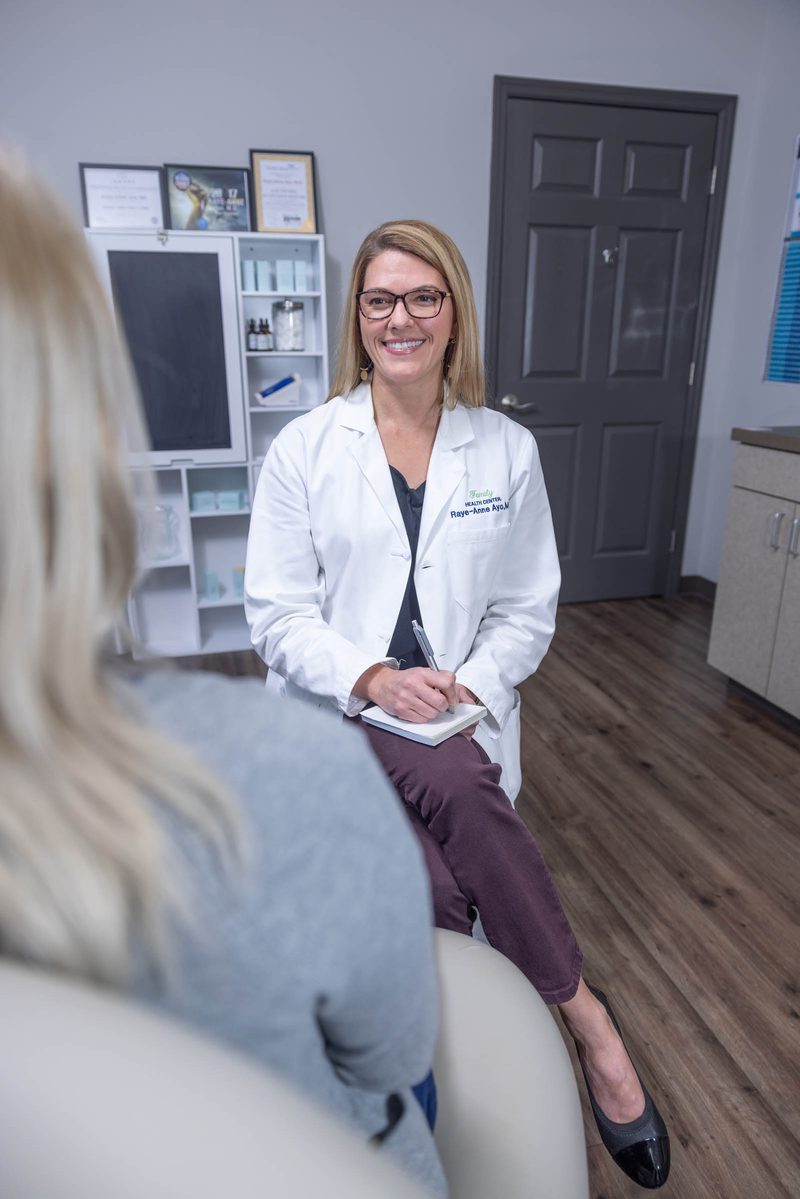
“The main goal I have for any patients is quality of life—and that applies to HRT too,” says Dr. Raye-Anne Ayo, MD, who offers concierge medicine services at her private practice, Family Health Center, PLLC in Farragut. “Age-related changes are normal—we can’t be 15-year-olds again no matter what we do. However, HRT has some clear benefits improving perimenopausal/menopausal and andropause symptoms, but it’s important to set specific goals and monitor the results closely.
“I work to find the right dosage and combination of hormones that are best for each individual—it’s not a one size fits all. I focus on FDA-approved HRT treatments, which are just a handful, then branch out as needed. I also point out that even if most HRT treatments are not covered by insurance, there are many affordable options.”
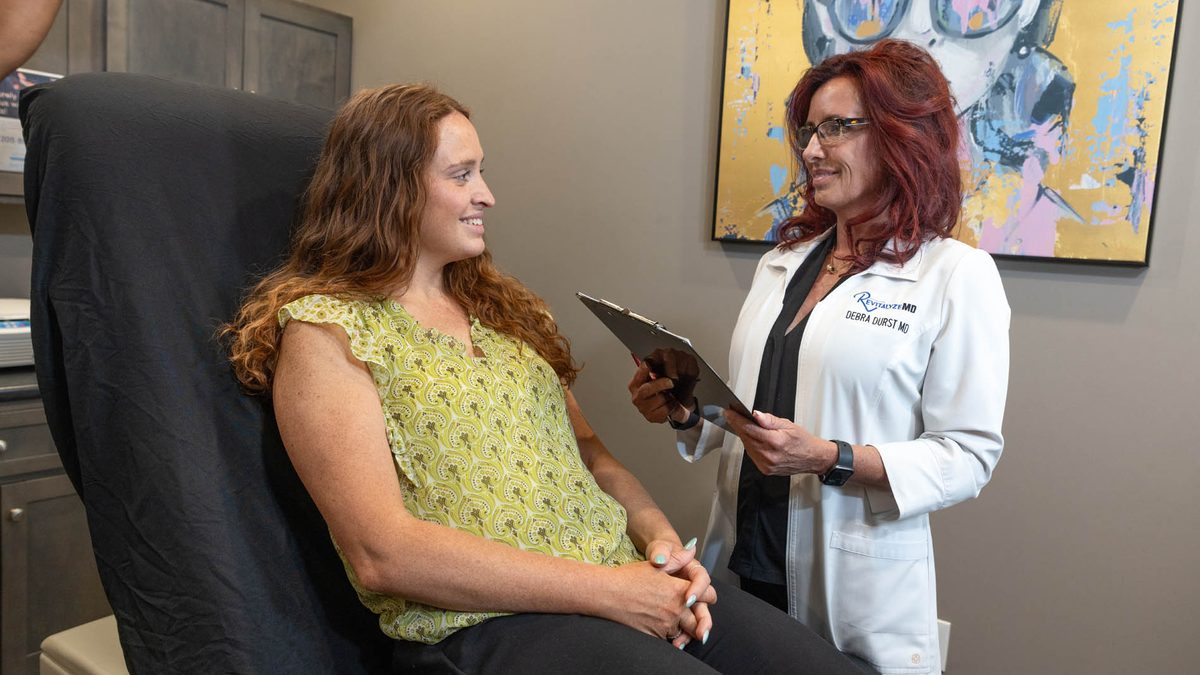
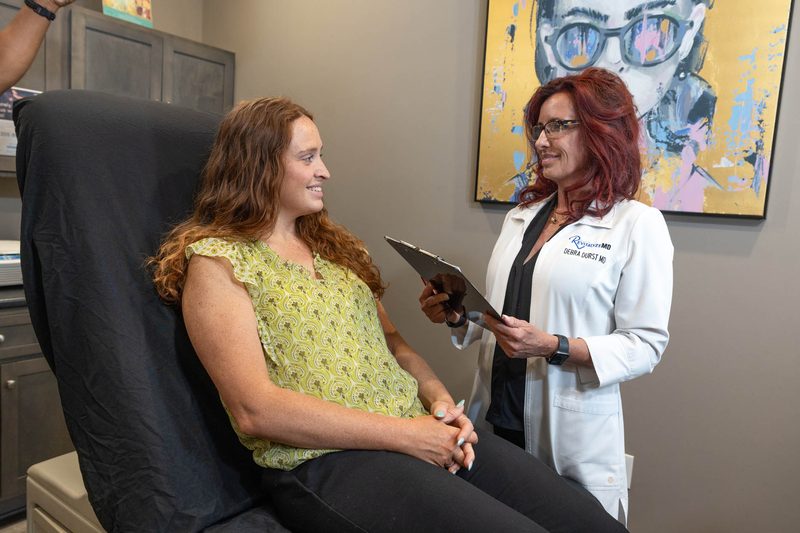
Dr. Debra Durst, MD and owner of RevitalyzeMD in Knoxville, says that she sees her patients gravitating toward “non-traditional solutions” such as HRT, but that hasn’t always been the case. The early studies scared patients—and many doctors—away from utilizing them, she says, and while newer studies come out about beneficial uses, the early studies continue to be a hurdle in the HRT industry. However, “It’s better than it was 10 years ago,” she says.
Aging and Our Hormones
The neuroendocrine system is complex and involves intricate connections between our nervous system and endocrine glands, which produce hormones. With age, the brain becomes less efficient at maintaining a fine balance of stimuli for glands, which can lead to high blood pressure, impaired sugar metabolism, and sleep abnormalities. We are probably aware of the normal drop in estrogen for women as they go through menopause and testosterone for men as they go through andropause. Beyond sex hormones, we need to be aware of other equally important types of hormones, such as metabolic (insulin and glucagon), stress (cortisol, adrenaline, noradrenaline), thyroid (triiodothyronine T3 and thyroxine T4), and growth hormones (insulin-like growth factor 1 IGF-1). Certain afflictions associated with aging should be on our priority watch list, such as diabetes, dementia, cardiovascular disease, bone density, and certain types of cancer.
Most HRT addresses symptoms of menopause in women and andropause in men. After menopause, women’s body stops making estrogen and progesterone, while for men, a drop in testosterone can be bothersome. Some of the symptoms for women include hot flashes, night sweats, sleep problems, vaginal dryness, anxiety, moodiness, brain fog, and low libido. “In that 40 to 55-60 timeframe, 50 percent of women will have some kind of sexual dysfunction and depression related to it,” Dr. Durst says. Men can experience low libido and depression, too, along with lack of energy and muscle loss. Many of these symptoms are par for the course; however, HRT can be an option when the symptoms are severe or significantly impact quality of life—aka when we’re simply miserable. Dr. Durst says comprehensive approaches to these significant changes is ideal.
Types of Hormones and HRT
So, let’s talk about types of hormones used in HRT. There are synthetic hormones (such as Premarin and Provera), animal-derived hormones (such as conjugated equine estrogens or CEE), and bioidentical hormones (such as estradiol, estriol and progesterone), which have the same molecular structure as the hormones made by your body. There has been debate regarding the efficiency and safety of synthetic vs bioidentical hormone use. According to the US Food and Drug Administration and as stated by Dr. Tatnai Burnett for Mayo Clinic, “there is little or no evidence to support claims that bioidentical hormones are safer or more effective.” However, some clinical outcomes showed lower risks associated with bioidentical hormones, including the risk of breast cancer and cardiovascular disease. So, while the jury is still out, most practitioners will opt for the “natural” bioidentical hormones.
Many specialists saw positive results with pellets. However, the administration mode will depend on your personal comfort. As Dr. Casey Page, a seasoned endocrinologist with Endocrinology Consultants of East Tennessee, points out, patients’ skin has different levels of absorption, so a topical application might not work best for some. Also, while taking a pill is easy and unintrusive, the content of the pill must be processed by our body through intestines and the liver before reaching our system, so there is a delay or potential loss of efficiency in the process. Some patients prefer a quick at-home injection, while others are irked by the thought of needles. The advantage of pellets is a slow and steady release of hormones, along with no impediment for absorption.
HRT for women uses estrogen, progestin (a type of progesterone), or both; sometimes testosterone is also added. For men, HRT focuses on testosterone. There are many ways to receive HRT, including nasal sprays, pills, topical gels, skin patches, injections, vaginal creams or suppositories, intrauterine devices, and subcutaneous pellets.
“It’s important to have the right combination and dosage of hormones. I tell my male patients that if they start crying at Hallmark movies, they need to come back in to see me,” shares Dr. Ayo. “While topicals are easy to apply and pellets metabolize easier since they don’t have to go through the digestive system first, if you don’t get the dosage right, you might have to live with unwanted side effects such as moodiness or irritability and more.”
The Good and the Bad
As with any medical intervention, possible benefits go hand in hand with possible risks. “There’s always going to be side effects of anything you do,” Dr. Durst says, “and as long as it’s managed closely and appropriately, you’ll minimize that. Risk also depends on the person.” Education, she says, is the key.
According to a study published in 2022 inThe Cancer Journal, evidence from the study indicates that HRT effects depend on timing of initiation (as related to menopause) and duration of therapy. “HRT for women <60 years of age and/or at or near menopause significantly reduces all-cause mortality and cardiovascular disease (CVD), whereas other primary CVD prevention therapies fail to do so […],” it states in the study. “HRT-associated risks, including breast cancer, stroke and venous thromboembolism are rare (<10 events/10,000 women), not unique to HRT and comparable with other medications.”
Medical experts disagree about the significance of a testosterone level decrease, as it doesn’t affect one’s health any more so than the natural aging process does. Commonly used to treat men with symptomatic hypogonadism, HRT (specifically testosterone hormone therapy—TRT), benefits bone density, strength and muscle mass, heart health, as well as increased libido and energy level.
The results of one of the largest clinical trials of TRT in men with hypogonadism were published just this past June in theNew England Journal of Medicine, showing that TRT did not cause any more major cardiac events than the placebo in the study. However, the study did show a “higher incidence of atrial fibrillation, acute kidney injury, and issues arising from blood clots in the veins” for those who received the testosterone, according to the study’s release. Benefits and risks. Best to speak to a doctor for your own unique situation.
Hormones are Personal; HRT Should Be, Too.
Hormones are complicated, so having access to the right professional for consultation is crucial. “We are aware of both the positive implications and the potential risks of the different dosage and combinations of hormones, so we are always carefully testing for levels of specific hormones and discuss a patient’s health background before we recommend a hormone therapy,” shares Dr. Page. “In the end, this is a very personal decision and different patients have different levels of comfort with HRT.” Lab work and regular check-ins are important during the process to assess changes and drive adjustments in dosage and mix.
“For me, number one is treating the patient not the numbers, so whenever someone asks me if HRT is an option for them, I evaluate them holistically and work with them on a very personal level to outline the best course of action,” shares Dr. Ayo. “I usually don’t recommend HRT unless someone has severe symptoms. However, I work with my patients to consider when the benefits outweigh the risks, then have a trial period for HRT. We set specific goals and monitor for changes.”
In addition to being a qualified specialist, your HRT provider should be a good fit for you. “People are looking for solutions—non-traditional solutions—right now, and HRT is the basis because you can’t optimize your cell health and optimize health without it,” shares Dr. Durst. “The focus of our practice is optimizing hormones for prevention and better quality of life, but also to extend that. To have conversations about sex and how to get those changes back and to improve the changes that both men and women are noticing as they age.”
Bottom Line
HRT is not a panacea, and hormone modifications are normal as we age. Most doctors will recommend HRT only when symptoms of hormone loss are severely affecting one’s quality of life, some as a preventative action.
According to a 2021 article published by Mayo Clinic, “positive lifestyle modifications such as regular aerobic and resistance exercise programs and/or healthy calorically restricted diet can favorably affect endocrine and metabolic functions and act as countermeasures to various age-related diseases.”
A change in hormones as we age is normal and inevitable, while a change in our lifestyle is something we can control.
→ Swipe for Next Story
FeatureJULY AUGUST 2023
Double Champs
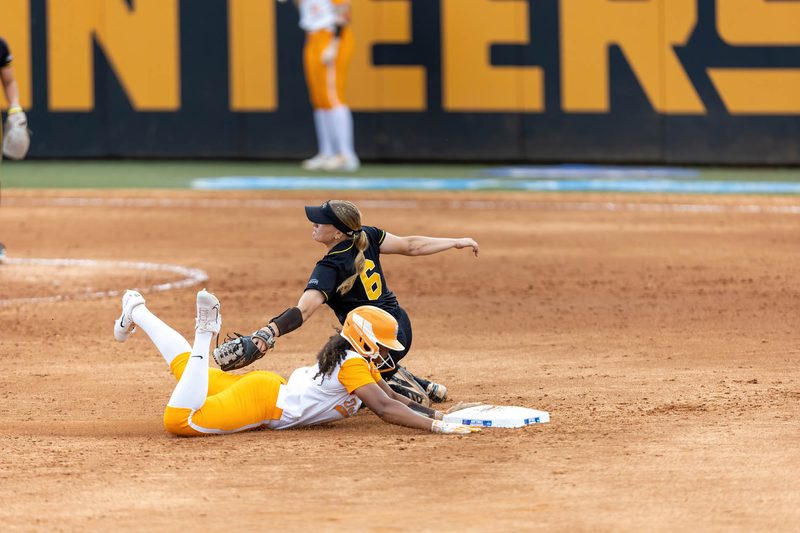
The Lady Vols softball team won both the SEC regular season and tournament titles for the first time ever and went on to the Women’s College World Series for the first time since 2015.
Story by N. Brooks Clark
In the first inning of a Regional game against Indiana, the Hoosiers’ Taryn Kern had tagged Lady Vols star pitcher Ashley Rogers for a solo homer—only the eighth Rogers had given up all season—and a 1-0 lead. In the Lady Vols’ half of the inning, the leadoff hitter—5’11” centerfielder Kiki Milloy, a senior from Woodinville, Washington—came to the plate with a look in her eye. “You gotta get Rogers’ back,” she said after the game, smiling a determined smile. “I was getting after it.” She fouled off the first pitch then sent the second one over the wall in dead center for her 24th homer of the season. When she came up in the second inning, she slammed a 2-2 pitch for her 25th. “In what world do you give a hitter like Kiki Milloy a ball to hit?” asked ESPN announcer Kayla Braud.
In a drizzling rain in the third inning, Lady Vols up 5-1, Rogers had a 2-2 count on slugger Brianna Copeland with the bases loaded and two out when the umps called a rain delay. Five hours, fourteen minutes later, Rogers—a graduate student from Athens, Tennessee, whose.73 season ERA is third lowest in the nation—got the strikeout. What was her mindset after the delay?
“Just coming back out there and attacking and not pitching to avoid spots but pitching to hit my spot that I want,” said Rogers to theNews Sentinel’s beat reporter Cora Hall.
“[Coach] Karen [Weekly] helped me a ton in between and during the delay and lovingly told me to get out of my own way. That’s not sarcastic—she actually was loving. Staying locked in and in the right mindset to come back in and just attack from the very first pitch, because I know what they want to do, and I know what I want to do to get out of that situation.”
On Milloy’s next at bat, Indiana pitcher Mary Montgomery judiciously walked her, but Milloy stole second, her 37th theft of the season, and scored on left fielder Rylie West’s grand slam to dead center that made the score 9-1. Rogers ended up with a two-hitter.
In a regional rematch with the Hoosiers, 5’3” shortstop Mackenzie Donihoo, a transfer from reigning national champion Oklahoma, smashed a two-run homer in the first inning en route to a 7-3 series-clinching win.
In Super Regional Game 1 against Texas, Milloy stymied a Longhorns’ sixth-inning rally with a Willie Mays-type catch in centerfield that ensured a 5-2 victory. In Game 2, Payton Gottshall pitched a two-hitter and catcher Giulia Koutsoyanopulos hit a seventh-inning, error-aided single-turned-inside-the-park-grand-slam to make the final score 9-0. In the dugout, Koutsoyanopulos did the team’s post-homer celebration, donning the powder blue “Mommy hat” and dancing through a gauntlet of teammates showering her with play money. The win earned the Lady Vols their first trip to the Women’s College World Series since 2015. There they beat Alabama 10-5, lost 9-0 to Oklahoma, and beat Oklahoma State 3-1 before losing 5-1 to Florida State in the semifinals.
Pumped Up and Superfocused
The Lady Vols had hoped to return to the College World Series last year, but Rogers was hampered by injuries, and the team didn’t have the pitching depth to make it through regionals. At a Rotary speech in January, Weekly—in her 22nd year coaching the Lady Vols, but only her second without her co-coach husband, Ralph Weekly—said she never wanted to be in that position again.
From North Buncombe High School in Weaverville, North Carolina, she signed 6’1” Karlyn Pickens, whose 70-mph-fireballs earned her the SEC Freshman of the Year award. From Bowling Green State via the transfer portal, Weekly added Gottshall, a senior from Massillon, Ohio, who whips wickedly low balls and exudes an irrepressible bravado exemplified by her signature song, Motorhead’s “The Game.” “I love the vibe it gives,” she effused to Hall. “I don’t want to say I go psycho, but just the mindset that I have to be in, that just helps me get pumped up to be able to do what I do for this team. It just gets me super focused and ready to attack anybody, knowing that my stuff’s gonna get anybody out.”
Rogers, having earned her BS in kinesiology in 2022, worked on her master’s this year. In the biomechanics lab she studied her own pitching mechanics using force plates, body sensors, and cameras, capturing her pitching motions and developing research to help figure out how to keep pitchers at the top of their game while avoiding injury. “I’m trying to get some answers to my own questions,” she told Andrew Peters ofTorchbearermagazine. “My goal is to help the future girls of softball.” Big surprise: she was the SEC’s Scholar-Athlete of the Year.
Koutsoyanopulos had transferred from Arizona as a first baseman/outfielder. Identifying her as having “the highest softball IQ on the team,” Weekly asked her to move to catcher, where she has been a steadying force for the pitchers and thrown out nine base stealers. An English major from Mission Viejo, California, her father is from Greece and her mother from Trieste, Italy, enabling her to play for Italy’s national team in the 2020 Tokyo Olympics.
One reason Milloy sees any hittable pitches at all is that third baseman Zaida Puni, a 2022 transfer from Oklahoma, hits in the No. 2 spot. A.372 hjitter, she caught fire in the post-season, slamming five homers. Originally from Carson, California, Puni’s great grandfather played cricket for American Samoa. Her aunt Adrienne Alo played softball at Oregon State. Her uncle Mike Alo played football at USC. “Zaida represents not only her family, but her Samoan community,” said Adrienne to Hall. Puni is also a cousin of UT’s five-star freshman quarterback Niko Iamaleava. “When it comes to Samoans, we’re all connected somehow,” said Puni. Puni, in turn, sees better pitches than she might because the No. 3 hitter, first baseman McKenna “Boo” Gibson—so nicknamed because she resembles the character from Monsters Inc.—had a breakout sophomore year with hit 15 homers.
Still, Milloy is the straw that stirs the drink. Her mom, Claudine, was an All-America hurdler at the University of Washington. Her dad, Lawyer, played baseball and football for the Huskies. He was drafted by the Detroit Tigers but became an All-Pro safety, playing 15 years in the NFL and winning a Super Bowl with the Patriots. Lawyer has coached Kiki and her three softball-playing sisters, setting a standard for hard work and excellence, which Kiki internalized. “She is the most intense person,” her oldest sister, Amirah, who played for the Huskies, said to Hall. “She very much takes after my dad in that regard.”
As hard as Milloy drove herself, this year she learned to ease up on the way she drove her teammates. “I had to really work on my relationships with people,” she admitted in a revealing Hall profile. “I didn’t realize when I first got into college that people might react differently to the way that I say things, or people might not perceive my message as the way I want to be perceived because of the tone I said it in. I wasn’t the leader this team needs me to be. I kind of was just really mean and my team didn’t deserve that. I think some of the freshmen were really, really scared. They’re like, ‘This chick is really unapproachable. We can’t go and talk to her. She’s just going to yell at me all the time.’”
Wrote Hall, “Milloy started putting more effort into understanding her teammates’ personalities and how they wanted to be led.” Along with everything else, Milloy, a neuroscience major, was named as a Torchbearer, the first softball player ever to earn UT’s most prestigious student honor.
A Trickle Down from Coaching Excellence
Like her star player, Karen Kvale grew up in the state of Washington, in Tacoma, with sports-playing sisters. At Pacific Lutheran University, she starred in basketball and was the softball program’s first NAIA All-America. Her last season, her coach was Ralph Weekly. After graduating magna cum laude with a degree in history and political science, Karen started law school at the University of Washington. After playing sports her whole life, she asked herself, “Is this is it? Am I never going to be around sports again?” She asked Weekly if she could help coach, as her schedule allowed.
She earned her law degree in 1990 and became an associate with a Seattle firm. Along the way, she and Weekly started dating. In 1994, a month before their wedding, he got an offer to coach at UT Chattanooga. She became an associate at a law firm in Chattanooga, then taught business law at UTC’s College of Business, which allowed her to coach more with Ralph. When he took over the USA Softball national team in 1999-2000, she successfully skippered the Mocs. They moved to UT in 2002 as co-coaches, as they were until he retired two years ago. (He serves as a special advisor.)
A few years ago, Karen Weekly, the 2023 SEC Coach of the Year, might not have gone for a display like the Mommy Hat and money shower. But as she explained to Hall, “I like to celebrate. I tell them to celebrate everything. Celebrate a walk as much as you do a home run, because everything matters and everything factors into us being successful. So long as our celebrations are about us and never focused or pointed towards an opponent, I’m all for it. I have evolved in a lot of ways. I used to hate cheering. Then I realized that is what kept them in the game and engaged.”
→ Swipe for Next Story
FeatureJULY AUGUST 2023
Pro Soccer Has the Marble City Chanting “Ole!”
Knoxville fans can’t get enough of the newly pro One Knox SC
Story by N. Brooks Clark
In a 1-0 game against the Central Valley Fuego of Fresno, California, center back Dani “the Bull” Fernandez makes a big defensive play. To the tune ofThe Addams Familytheme (with Super Scruff Kevin Carnes beating the bass drum), the fans known as the Scruffs in the supporters’ section chants, “Dani the Bull [boom boom] Dani the Bull [boom boom] Dani the Bull, Dani the Bull, Dani the Bull [boom boom].”
“Dani El Toro FerNANdez!” rapid-fires announcer Brian Canever, who delights in tapping his Argentinian heritage on Latino names like that of Fernandez, defensive midfielder Angelo “An-helo!” Kelly-Rosales, and his own, “CAN-eh-verr.”
When the exuberant El Toro scores a goal, he delights the crowd by sweeping an imaginary red cloth like a matador. In One Knox’s first pro season in United Soccer League (USL) League One, it’s been more defense and less goal-scoring than last year in amateur League Two, but the fans are all in.
“We have season tickets,” says City Council member Lynne Fugate. “I just like it,” says her husband, Scott. “I played in ship-to-ship rec leagues in the Navy. I once played for a British Club in Islamabad, Pakistan, the week before Osama Bin Laden was killed.” The Fugates’s kids grew up playing for the KFC Alliance. “We just want to support the club and make it be successful,” says Lynne. “On the political side, voting for the millions for the multi-use stadium. Well, this team is going to use it.”
Near the end of the first half the Fuego keeper taps midfielder Jimmy Villalobos’s strong shot over the bar. To the tune of “We Aren’t Going to Take It,” the Scruffs chant, “Glo-ry to One Knoxville. Go! Go, One Knoxville. Glory to One Knoxville. Here we go-o.” Sahalie Mann, 13, beats a black Djembe drum. She plays for Bearden Middle and the Crush A team, where her coach is right back Jimmy “Jamesie” Thomas, 25, a Cockney-accented native of Surrey, England. Some eight or 10 of Jamesie’s teammates coach youth teams.
With its nonprofit One Knox Collective, youth teams, USL academy, and 108 adult rec teams, One Knox Sporting Club is all about community involvement. That resonates with expectant parents Yona and Matthew Best. She is a nurse. He is a former UT decathlete who is addressing community needs as executive director of the Change Center and as a City Council candidate. “Liverpool has been my team since 2007,” says Matt, a Memphis native. “I had two older cousins who played high school in Kansas City. They like Arsenal and Chelsea, but I chose Liverpool. I watch the games on ESPN.”
Veteran center forward Jake Keegan drives and shoots. The Scruffs put out green smoke and sing, to the tune of “High on a Feelin’,” “I-I-I. I’m hooked on Jake Keegan, high on believing... that he will score for me.”
One Knox Coach Mark McKeever grew up in Motherwell, Scotland, about 15 miles southeast of Glasgow. He retains his lilting “Aye, laddie” accent despite 25 years in the US. He played for Christian Brothers University in Memphis and the USL Nashville Metros, then coached from 2005 to 2022 at Young Harris College in Georgia, as well as the USL summer development league teams Mississippi Brilla and Des Moines Menace. One Knox is the realization of his lifelong goal of coaching in the pros. Before the season opener, podcaster Canever asked McKeever how it felt to be days away from achieving his dream. “I haven’t one day since preseason thought about myself,” McKeever replied. “This is not me and my dreams. This is about me helping the club, helping the players represent the city, represent the club. So, my thoughts have been with everybody else. I want the players to achieve. I want to excite the fans. I want to make the ownership proud. I want to make the city of Knoxville proud.”
How One Knox Came About
One Knox came about in part because of several thirtysomething women from Knoxville. Chicago native Drew McKenna, a third-generation Notre Damer with sports and entrepreneurialism in his blood, was working in Fighting Irish football operations when he met Knoxville native Maria Taylor, a Marriott International sales rep, through their mutual friend Marie Conaty. Drew and Maria married and had three kids.
In 2013, Drew had an idea with a friend for a dry-cleaning service—sort of an Uber for dirty clothes—picking up laundry from lockers in high-end residential buildings. By 2018, Pressbox had 100,000 customers and 150 employees in four cities. P&G bought it and renamed it Tide Cleaners. “After we sold Pressbox,” says McKenna, “we wanted to move to Knoxville. We started talking to friends socially about what sports existed in Knoxville—UT, minor league hockey, AA baseball. But it was one of only three top 65 markets that didn’t have a version of pro soccer. Chattanooga has two pro soccer teams.” Those friends included Nadim Jubran and Kevin O’Brien, husbands of Maria’s old friends Callie McCamy and Annie Taylor (no relation to Maria). Jubran and O’Brien became part of the ownership team. The McKennas moved in 2020, and One Knox launched its amateur season in 2021.
Names like Hellbenders, Salamanders, Sunspheres were thrown around, but the name One Knox reflected the commitment to being a ground-up community club. For imaging, they hired Nike branding guru Matt Wolff, who had created the LAFC Crest and the 2018 French national World Cup team logo. “He’s by far the best in American soccer in creating these from-scratch brands,” said McKenna on a podcast. “He came down for a hike on Sharp’s Ridge, could see the Smokies and absorbed the community culture. He said the biggest strength was the mountains, water, and nature. The sun (or a soccer ball) is an abstract element on the jersey that can be what the viewer wants it to be.”
As the main sponsor, KUB Fiber gets big space on the kits. Get ready for one gig for $65 a month!
The Scruffs: No Hooliganism!
From the beginning, McKenna wanted a vibrant supporters’ group. The name Scruffs comes, of course, from the 1980 pre-World’s Fair Wall Street Journal article that condescendingly referred to the “scruffy little city,” a slur embraced thereafter and forever as a badge of honor. Dakota Booth of Johnson City founded the Scruffs. “I was the spark that started the fire,” he says. “But there was a lot of kindling.” You could say that Butch Jones made him a soccer fan. “At football games, I was one of the guys with my shirt off. But in 2017 I was tired of watching the Vols suck. What do I love? Pageantry. Tribalism. I found all that in soccer.” Last year Booth earned his degree from ETSU with a thesis on “Soccer as a Religion.”
Bearden High AP English teacher Tim Vacek and Pilot senior IT manager Kevin Carnes, (the one on the bass drum) are key Scrufftenants. Vacek wrote the Scruffs handbook, including the songs, and website. “I am a huge soccer fan,” he says. “My favorite team is Hotspur out of England because I am an English teacher and the name is rooted in Shakespeare.”
Carnes, who moved from Nashville two years ago, followed the familiar path of the soccer dad: he signed his son Justin up for U6 soccer and was drafted as the coach. “I became part of the sport,” he says, watching Justin play for Erin Academy and reffing for 10 years. When the Nashville Soccer Club came in, Carnes and his wife, Susan, got season tickets: “I saw the supporters, the Roadies, and I said, ‘We want to be a part of that.’” Carnes wrote the Scruffs’ code of conduct. “I plagiarized a part of it from the Nashville Roadies,” he admits. “We want to be a nice, welcoming group. People from out of town can come and hang out with us.” In other words: no hooliganism! Like Matt Best, he roots for Liverpool. He likes to watch games at the Jig & Reel Saturday mornings at 7:30.
The Punishment Wheel and Karaoke on the Bus
“It’s been a long journey,” said gaffer McKeever on the podcast. “We started in the beginning of February, creatin’ the culture, expectations, the training ground environment, and the locker room environment. We are building our identity on and off the ball.”
For infractions, there’s the punishment wheel—come late to practice and you spin. You may have to bake cookies for the team or gather the balls after practice. For team cohesion, McKeever favors karaoke on the bus and icebreakers. Norwegian 6’4” center forward Sebastian Andreassen’s karaoke songs are “Never Gonna Give You Up” by Rick Astley and “Down” by Jay Sean. “I’m a horrible singer,” admits Andreassen, a country music fan who played for McKeever at Young Harris, with the Des Moines Menace, and in Knoxville last year. With his imposing physique and shoulder-length blond hair, he is called Thor by fans. Last fall two Scruffs drove to watch his college games with One Knox flags dressed in One Knox gear. “On the 23rd of December,” recalls Thor, “Mike called to offer me a contract. It was the best Christmas present I could ever have gotten.”
Three Tiers of Experience
“It was always our plan to make sure we have a good balance of various tiers within the group,” said McKeever on the podcast. “That higher tier would be the lads at the back end of their careers—like Angelo Kelly, Jake Keegan, and Illija Ilic—who have spent many years as pros and are providing their experience.”
Ilic, 32, a Serbian forward, played for Louisville City when it jumped to the pro level in 2015 and won USL titles in 2017-18. “One of the first things I noticed when I got here was there are lots of similarities to that Louisville City team,” he told Al Lesar of the News Sentinel. “The first time I spoke to the team, I pointed that out. We have a really, really good group of players, a coach that’s a leader, and an ownership group that cares.” A captain and assistant coach, Ilic hopes to become a coach.
“We also have many players who have played in the USL One league,” continued McKeever. “Derek Waldeck, Jimmy Villalobos, Jordan Skelton, and Jalen Crisler are very well accomplished players.
Skelton, a 26-year-old captain and center back from Newcastle, England, is one of the top defenders in the league. He was somewhat miffed at getting a “soft” yellow card against Fuego. About avoiding a second yellow, hence a red, he said, “You’ve got to be smart. If it’s an iffy moment, choose the safer option. On the yellow, you rein in the stallions, so to speak.”
Crisler, 28, a 6’4” center back from Everett, Washington, who looks a bit like Roy Kent fromTed Lasso, was an All-USL League One defender with the Richmond Kickers last year.
“Then we have our new tier of players,” said gaffer McKeever, “the One Knox guys like Dani the Bull and Seb Andreassen who have come to join us from USL Two. They are providing masses and masses of energy.”
Jamesie Thomas played for McKeever at Young Harris, the University of New Hampshire, and won a USL League Two title with the Des Moines Menace. Midfielder Yesin van der Pluijm, 24, a Netherlands native and another former Young Harris player, scored his first pro goal with a minute left in stoppage time for a 1-0 win over Central Valley in Fresno on April 30.
“So we have a really good balance,” concluded McKeever. “Everybody’s chasin’ something. Everybody’s teachin’ something. Everybody’s bringin’ something to the table. Everybody is playing a massive role.”
→ Swipe for Next Story
FeatureJULY AUGUST 2023
A Breath of Fresh Air
A family home on Fort Loudoun Lake provides functional beauty and exceptional hosting potential
Story by Mary Leidig
When Mark Pancratz reflects on building a home with his wife Brooke during a global pandemic, he talks about the feeling of coming home. Now he walks through their main living space to that big view of their backyard, where their three daughters and some cousins splash around in their waterfall pool and shoot hoops on their basketball court. Happy sounds of family and friends gathering fill the air.
“That moment hasn’t worn off,” says Mark. “It’s all been worthwhile, and the pandemic reminded us of why relationships matter and of building a home that endures and is made for getting together with people you love.”
Brooke agrees. “It was the best building experience ever.” The only hindrance? COVID.
Making it Happen
Many construction projects were slowed under the weight of the same challenges: slow supply chains, limited local vendors, and the unknowns of COVID.
“Everyone warned us against building a home during the pandemic. They said it would be trying, and that we would never want to repeat the process,” Brooke says.
By the time they moved into their 4,600-square-foot house in 2021, their expansive “breath of fresh air” home was better than the couple imagined. “Our builder Bill Biles made that happen,” says Brooke.
A former University of Tennessee basketball coach now working in the financial sector, Mark met Brooke at basketball camp. He played basketball at University of Wisconsin; Brooke played basketball at Tusculum University. Today, this love of the game continues with their three daughters playing basketball, too.
“I think back on 2016 when we had our third child,” says Brooke. “We hit the wall with enough room for us and for family and friends. We were already living in Knoxville, so we began looking at land and found it in 2019 in South Knoxville in a new small subdivision near Tipton Station Road.”
Matching Their Lives and Home Style
What would their new home feel like? Mark and Brooke began merging their childhood experiences. Mark grew up in Chicago, Brooke in Greeneville. Brooke owns her own personal fitness business that would help inform design, and Mark was seeing a comfortable office as part of the plan. They wanted a simple style and a beautiful space that functions, says Brooke. “No formal anything. We are not ornate. We love simple styles and lots of light. And if it’s in our home, we’re using it,” she says. “Every square foot.”
They are also on the go—whether with their girls, friends from church, or their work. Their busy lifestyles would have to fit nicely into the new home, yet it would still need to feel tranquil.
“I grew up in a neighborhood, so I valued neighbors. Mark wished for outside space for the girls, their friends and family.”
The idea ofhomewas starting to emerge. “I looked every day for two years at house plans,” says Brooke, who even stored lists and information on her phone. “We wanted to take all the little things we liked and pull them together into one design.”
But then the couple abandoned that idea when they got some different advice: look at one plan and customize it. “We ended up tweaking it very little,” she says.
No Architect. No Designer.
Early in the build, Brooke and Mark decided to skip hiring both a designer and an architect—an unusual decision for the size of the house. The right builder would be even more important. After interviewing several candidates, they met him, and it was a perfect fit. “Like Cinderella and the glass slipper,” says Brooke.
Bill Biles, who owns Biles Construction Company in Knoxville, agrees. “For me, the Pancratz family was a pleasure to work with. We did not just build a home. We laughed a lot and we told a lot of stories,” Bill says. “My dad told me the currency of the wealthy is relationships, and it is so true. In this business and in life you cannot please everyone, but you always want to try your best and form the best relationships along the way.”
Bill stresses that the Pancratz couple knew what they wanted and the plan they brought him included only minor changes. Brooke and Mark brought in Architectural Designs to revise their online stock plans—sidestepping a process standard for many homeowners.
“We built the home the couple designed and brought it to life with minor adjustments in the field. So yes, we did get input on this design with them, which we love to do. We listened to each other,” Bill says. There are always gray areas, and Biles Construction is good at taking a plan and helping homeowners define those gray areas.
Not only did the couple educate themselves, they had great vision, says Bill. While many people focus on square footage and aesthetics only, he believes how you live and how your space needs to function is critical. “We always want to keep the future in mind when designing and building a home. Their vision made our job pretty dang easy.”
These were the very conversations Brooke and Mark were having. “We talked a lot about the way we live, entertain, and how we wanted to feel in the house,” says Mark. “This is worth investing in, and we worked hard to get to this.” That investment meant finding a durable, practical, beautiful and well-put-together design “because we’re going to live in and enjoy our home.”
“We host everyone.”
Their plans flowed. Early in the build, a pool was not part of the design. “Seven months into the build, we realized that after that pandemic, home entertainment was really important,” says Brooke. That space for friends, family, and their church network became even more important, and today they couldn’t be happier about adding the 10-foot-wide, 4-and-a-half-foot-tall waterfall pool. “We host everyone,” says Brooke.
A second big idea right from the start never made it into final design. Wishing for a two-story stone gas fireplace ended up being a few feet high and made instead of welded sheets of metal and powder-coated black.
“We have built pools, docks, slate roofs, copper roofs, decks on top of roofs and elevators—but never a metal or iron fireplace cladding. It turned out so well and was fun to design with Mark and Brooke,” Bill says. Way better than what they originally wanted, Brooke says.
“Luckily, we found local materials in metal during COVID,” Brooke says. “And as it was being built, we began to notice it is a trend in fireplaces.”
This fireplace the couple loves is in full view when entering the front door into the main living area, which also includes the kitchen and dining table in the same open space. Hardwood floors throughout keep the home warm and inviting.
Midcentury Modern Industrial Mix
The home’s clean lines are never clinical, and their living area has a cozy feel—from the couple’s love of concrete, camel-colored leather and wood accented with bursts of color and velvet pillows. In the kitchen are dramatic soapstone matte black countertops from Rocky Tops Granite & Marble with stainless steel appliances from Friedman’s Appliances and ceiling-high cabinetry from Standard Kitchen & Bath. Average size cabinets were too small, so the couple took the cabinets all the way to the ceiling. David’s Abbey Carpet & Floors also contributed to the look and feel of the home.
“A fun part of this home is how the deck spaces are connected to our indoor space, making it feel like we’re all together all the time when people are visiting. It’s like communal living, and especially with really tall doors and really tall ceilings,” Brooke says.
True to their vision, the space is full of natural light from windows lining the walls, with a panoramic view of the backyard, decks, a second fireplace, Fort Loudoun Lake, and well-designed landscaping additions from Thress Nursery Gardens.
The pool, a Tennessee Pool & Spa creation, and a basketball court make this family’s backyard “kid heaven.” The girls shoot hoops, swim, and then do it all over again. “Everything still revolves around basketball, and our girls love it,” Brooke says. “There’s just so much going on, and we enjoy seeing everything that’s happening.”
Mark loves to go out in the back and feel like he’s on vacation, adding, “and actually I’m 10 minutes from work and downtown Knoxville.”
A Basement for the Girls
How about the girls’ space for bedrooms and bathrooms? The basement. A downstairs walkout from the main floor opens to a 1,940-square-foot industrial-style layout with concrete flooring, enhanced by a textured surface for safety. Here their bedrooms, laundry area, small kitchenette and baths leave a large playful area just right for roller blading and basketball dribbling. “One of the best ideas ever,” says Bill.
“We wanted the girls to love their space and help take care of it. We told them if we built it this way, they would be responsible for some upkeep,” says Brooke, smiling. And own the space they do. These daughters—12, 9 and 7 years old—even do their own laundry.
A Special Business Space that Fits
The dream home wasn’t quite complete until a new space for Brooke made it into the design in a designated spot in the couple’s four-car garage bay.
Before the pandemic, Brooke ran “FIT”—her 10-year-old exercise and training business. COVID meant no more in-person workouts in a gym, so in the couple’s previous home, entrepreneur Brooke began posting training videos shot in their garage. She began an online training group on Facebook, inviting people to watch and work out with her as their trainer.
It grew, and today her social media training boasts 200 to 2,000 viewers who participate in her 30-day fitness challenges. During COVID, people participated from all over the world. Now, Brooke’s gym in their new home hosts in-person training as well. The studio space is the perfect spot in part of the garage bay and can hold about 20 clients. “FIT is for everyone,” she says. “During the pandemic and now, being mentally and physically fit is so important to me.”
The Whole Package—Building for Life
For Bill, this nearly two-year-old home is full of beauty and function all around with well-sized spaces that let these homeowners age in place. “It’s the whole package,” he says.
As this builder looks back on the project, he says the pandemic “gave us the opportunity to turn something bad into something good,” as his team communicated more closely with vendors and even sought new suppliers to make it all happen. “We were able to build relationships we never knew could exist in that environment.”
Not all homebuilding projects are equal. For Brooke and Mark Pancratz, it’s been about joy and value—a loving investment in their daughters and family, and friends that mean so much.
It really is the whole package.
→ Swipe for Next Story
Non-ProfitJULY AUGUST 2023
Art Smart
Community School of the Arts celebrates creativity with kids
Story by Susan Alexander
When Jamison Stalsworth was about 10 years old, he began hanging around the Community School of the Arts. His older sister participated in an art class there, and Stalsworth liked to sneak in and play with the clay. A few years later he enrolled in the art class himself, and later he picked up guitar lessons. He worked with visual artists as mentors in the school’s Side by Side program. And now he works in a creative field, as producer and director for Draft Agency.
Skip ahead a decade or two and Stalsworth’s son, Destry, is a student at the nonprofit after-school arts school. A South-Doyle Middle School student, Destry started in the visual arts program and also takes guitar lessons from local musician Greg Horne. “It started as something to have fun with, and the more I learn, the more invested I get,” he says. Looking ahead, he can envision himself in a music- or art-related career.
A few doors down from where Destry takes his lessons is Leah Goldsberry, a freshman at L&N STEM Academy, and Hope Ray, a homeschooled sophomore. They work on art with printmaker Ashton Ludden. “I feel like I learn more here than in the standard art classes at school,” Goldsberry says. “We try lots of media,” says Ray. “We’re learning a lot of things.”
For 30 years, the Community School of the Arts has inspired Knoxville students to explore their creative sides. It’s recruited professional artists and musicians to serve as instructors and mentors. And it’s offered an opportunity for kids to grow and learn and, in many instances, pursue their artistic passions into adulthood.
History and How it Works
The Community School of the Arts had its roots at First Presbyterian Church. The late Rev. Dr. Carswell Hughs had been installed as the church’s pastor, and he came to it with the idea of an arts school similar to the one his previous church in Charlotte, North Carolina, had set up, says CSA executive director Jennifer Willard.
An Air Force brat from Alaska with parents who were Knoxville natives, Willard had a background in arts management. She was coordinating the fine arts programs at the University of Alabama in 1992 when her dad learned of the CSA and the need for someone to run it.
“I did not want to get involved with a startup,” she recalls. “But they did everything exactly the way it should have been done. They formed a steering committee and incorporated separately from the church, and appointed a very diverse board and officers, and set up a charter and bylaws… All the paperwork was done up front. I was bowled over by them, and I guess the feeling was mutual. By the time I got back to my parents’ house from my interview, they had called to make me an offer. I felt like the skillsets I had built over the years—grant writing, fund raising, writing press releases, putting on a production—all led to this.”
The programming at the school started small and grew each year. “We started with piano in 1992,” Willard says. “Then we added art. Then violin. Then guitar. What we didn’t foresee was that the kids would stick with it year after year. Most of our students starting out were 7, 8, 9 years old. We thought they’d take some piano lessons and call it a day. When we saw they didn’t want to go anywhere, we realized we’d have to grow with them.”
Now the program serves about 125 students, age 7 to 18, each year with free lessons in piano, jazz piano, violin, guitar, brass, percussion, visual arts and dance. This year, music lessons and visual arts classes will continue through the summer. “Going forward we plan to always offer a truncated schedule during the summer,” Willard says. CSA also is the after-school arts provider for Green Magnet Academy.
All CSA students are from families that would not be able to pay for private lessons. “We look at every situation on its own merits,” Willard says. “Would this child benefit from what we offer? Is the family willing to make the commitment to get them here, and be involved, and take care of the instrument we loan them?”
How much the students participate is also dependent on each child. “Some take piano and violin and dance. When they’re young they want to do everything, and we encourage them to do so. By the time they’re in high school, they have usually narrowed it down to one or two things they love.”
Big Changes
Probably the biggest change that’s occurred at the CSA since its beginning is its change of location. After years of being housed on five floors of First Presbyterian Church, it was faced with relocating when the church took on a major renovation project. A board member invited Willard to look at space at Church Street United Methodist Church. As it happened, the senior day care program that was held at Church Street closed its doors at about the same time, so space was available for CSA’s classes.
“It was an amazing setup,” Willard says. “It was everything we had at First Presbyterian, but on one floor. There was a check-in desk and a kitchen and a gym. Now we’re part of the ministry here, but we’re not subsidized by the church.” Still, the church makes an in-kind gift of custodial services and utilities to the nonprofit, and offers access to its sanctuary for performance space and its reception areas for meetings and other gatherings.
Though CSA has been at Church Street since 2018, Willard still feels like the location is new to them. After they did some renovating and got settled in, it wasn’t long before everything changed when Covid shut things down in early 2020.
“We were able to switch our lessons to remote and made sure all our students had access to equipment, WiFi, whatever they needed, and we didn’t miss a beat,” Willard says “With the art teachers, we put together some ideas for specific projects they could do at home, including progressive projects they’d mail to each other to help them stay connected. Only dance and percussion classes were canceled.”
Because many of their instructors, all of whom are paid by the school, are professional artists and musicians, they were struggling to make ends meet during the pandemic. “The board agreed to pay them for their full schedules,” she says. “We were remote for a year and a half. In the fall of 2021, we brought some classes back. We had our first post-Covid in-person senior recital at the end of last school year.”
Side by Side
One program that was put on hold during Covid was the nonprofit’s Side by Side apprentice program, in which a local professional artist pairs with a CSA student for four to six months each year. Students, who must have completed at least two years of visual art classes at CSA, experienced every aspect of the creative process under the tutelage of professionals. Each year culminated in an art exhibition at Bennett Galleries. Currently, the Side by Side program is rebuilding with the hope of restarting next school year.
Knoxville husband-and-wife glassmakers Richard Jolley and Tommie Rush have worked with students in Side by Side since its inception in 1997. Jeremiah Washington, a recent Pellissippi State graduate, was among the last of their apprentices before Covid shut the program down. He worked with them throughout high school.
“I showed up at their studio and fell in love with them,” Jeremiah says. “Them caring about me and taking me in as one of their own really drew me in. They even got me a job at Bennett Galleries working in the warehouse.
“What surprised me most was how understanding they were,” he says. “When I start a project, I don’t have a specific idea in mind. I go with the flow, and I was afraid they would criticize me about it. Richard was able to work with me on that, and we were able to come up with some creative ideas. I had fun spending time with him and Tommie. They were like second parents to me.”
“It’s not that we want to turn them into artists,” Tommie Rush says of their Side by Side students. “It’s a way to mentor children. We talk about anything they want to talk about. We try to focus on teamwork, and we talk about the mathematics and chemistry and physics that go into what we do. But the overriding thing you’re doing is telling a child they’re worth your time.
“We never dumbed anything down for the kids,” she says. “They rise to your expectations. We want kids to feel they can do anything they want to do. And we want to show them how big the world can be.”
Looking Ahead
In addition to returning Side by Side to its programming, Willard says CSA wants to reintroduce the culinary arts, creative writing, and dramatic arts to its class schedule. They also want to establish more performing ensembles in the future.
“While it’s true that many of our graduates have gone on to become professional musicians and artists—the latter most notably in graphic design—most have pursued post-education and careers that are not arts-adjacent, such as environmental engineering, chemistry, mathematics, social work, psychology, medicine, and nuclear engineering,” Willard says. “Our goal at the Community School of the Arts is to create a confident, well-rounded individual who is curious about the world and their place in it. The arts are our medium for that empowerment.”
→ Swipe for Next Story
Top AttorneysJULY AUGUST 2023
2023 Top Attorneys
Story by Cityview
I have been actively engaging with the legal community for more than 30 years. Before taking the helm atCityview,I supervised mergers and acquisitions and brokered large commercial loans. Attorneys were a vital part of every transaction, and it was through those experiences that I came to appreciate just how essential attorneys are in our society.
It wasn’t long after I took overCityviewthat I decided that we would ask the members of the legal community to help us select who amongst them was the best of the best in their respective practice areas. That was 18 years ago, and yet this list remains as relevant as the first year it ran. We need our lawyers to navigate waters we’re not always equipped to navigate ourselves.
Each year as we put the issue together, I visit with some of the finest legal minds in our area, whether it’s for a photoshoot, a profile, a story we’re working on, or encouraging them to vote in the poll. But the moment that sticks out most from this year was when I was sitting with Marcos Garza discussing the ongoing movement in our legal landscape: law changes that the public hasn’t been made aware of, judges being put on panels by politicians, and so much more.
The one thing that really hasn’t changed, though, is that when you’re in need, whether you’ve been falsely accused of something, have had a crime committed against you, or are going through a divorce or familial split, among many other challenges, attorneys are essential. In speaking with Marcos, he brought to light how important science has become to the legal process.
He also talked about how critical of a need it is to humanize the legal process. It made sense. I’ve heard him say more than once that “if you want to be a good lawyer, you’ve got to be a good human first.” And it felt sobering to be reminded of that, especially now, in the world we live in, one that is often wrought with hate chaos.
Marcos believes that the human aspect of being a lawyer is the most crucial aspect in practicing law. That’s coming from a man who first received a master’s degree in social work and then realized he could make more of an impact if he held a law degree. I find that sort of attitude to be true in all of the great attorneys I know; they genuinely care about the people they represent.
If you find yourself needing legal representation, it is important to choose the right attorney – that is, the right attorney for you. I am frequently asked to recommend legal counsel, but it is much more difficult in some situations than you might think.
First, you want someone who practices in that area of law frequently. Experience matters. You might also want to consider how many times that firm has been in court in the last year or so; experience in the courtroom also matters. Firms like Garza’s are made up mostly of trial attorneys. They flourish in the courtroom.
I asked Marcos how many times over the last 18 months he or one of his attorneys had appeared. The answer? More than 3,300 times. That didn’t surprise me, but it is an important question to ask if you are hiring a firm. When your opponent knows that your counsel has no problem appearing before a judge or jury, you are much more likely to receive a favorable result.
Don’t be afraid to ask pointed questions and discuss fees. Hourly fees in our market can range from $200 to more than $1,000 per hour for highly specialized practitioners.
The place you can start your search is right here. We are proud to present you with this list, generated by votes cast by attorneys recognizing their peers who they feel are the best of the best. The golden gavel in each category represents the single attorney who received the most recognition in that area. Should you need them, Knoxville’s attorneys are here.
Administrative Law
Administrative Law
John T. Batson Jr.Watson, Roach, Batson, & Lauderback
W. Kyle CarpenterWoolf, McClane, Bright, Allen & Carpenter
Daryl R. FanslerBernstein, Stair & McAdams
Robert H. GreenKennerly, Montgomery & Finley
John K. HarberPryor, Priest, Harber, Floyd & Coffey
Paul D. Hogan Jr.Hogan & Hogan
Dana C. Holloway Holloway Law & Mediation Center
W. Morris Kizer Gentry, Tipton & McLemore
James H. London London & Amburn
Mary Elizabeth Maddox Frantz, McConnell & Seymour
Laura E. Metcalf Laura Metcalf Attorney at Law
William A. Mynatt Jr. Lewis Thomason
Sarah Y. Sheppeard Lewis Thomason
J. Cort Sikes Wykoff and Sikes
C. Scott Taylor Bernstein, Stair & McAdams
William D. Vines III Butler, Vines & Babb
Howard H. Vogel O’Neil, Parker & Williamson
Gary R. Wade London & Amburn
Medical Malpractice
Medical Malpractice—Defense
Heidi A. Barcus Lewis Thomason
Joshua J. Bond Hodges, Doughty & Carson
Mark A. Castleberry Lewis Thomason
Rachel Park Hurt Arnett, Draper & Hagood
B. Chase Kibler Hodges, Doughty & Carson
Wayne A. Kline Hodges, Doughty & Carson
James H. London London & Amburn
Jason H. Long London & Amburn
Mary Elizabeth Maddox Frantz, McConnell & Seymour
Rick L. Powers Arnett, Draper & Hagood
Hanson R. Tipton Watson, Roach, Batson & Lauderback
Edward “Ted” G.White II Hodges, Doughty & Carson
Bart C. Williams Hodges, Doughty & Carson
Medical Malpractice—Plaintiff
Tasha C. BlakneyEldridge & Blakney
E. Michael Brezina IIIBrezina Law Firm
Luis C. BustamanteWoold, McClane, Bright, Allen & Carpenter
Christopher T. CainLacy, Price & Wagner
M. Christopher CoffeyPryor, Priest, Harber, Floyd & Coffey
Gregory F. Coleman Milberg, Coleman
Mark E. Floyd Pryor, Priest, Harber, Floyd & Coffey
D. Scott Hurley Hurley Law Firm
J. Tucker Montgomery Montgomery Law Firm
Robbie E. Pryor Jr. Pryor, Priest, Harber, Floyd & Coffey
Robert E. Pryor Sr. Pryor, Priest, Harber, Floyd & Coffey
Wayne A. Ritchie Ritchie, Dillard, Davies & Johnson
Thomas S. Scott Jr. Tom Scott Atty
William D. Vines III Butler, Vines & Babb
Nursing Home Liability
Nursing Home Liability—Defense
Heidi A. BarcusLewis Thomason
Joshua J. Bond Hodges, Doughty & Carson
Mark A. Castleberry Lewis Thomason
Stephanie D. Coleman Owings, Wilson & Coleman
Rachel Park Hurt Arnett, Draper & Hagood
B. Chase Kibler Hodges, Doughty & Carson
Wayne A. Kline Hodges, Doughty & Carson
James H. London London & Amburn
Jason H. Long London & Amburn
Mary Elizabeth Maddox Frantz, McConnell & Seymour
J. Douglas Overbey Owings, Wilson & Coleman
Rick L. Powers Arnett, Draper & Hagood
Nursing Home Liability—Plaintiff
Timothy L. Baldridge Garza Law Firm
M. Christopher Coffey Pryor, Priest, Harber, Floyd & Coffey
Mark E. Floyd Pryor, Priest, Harber, Floyd & Coffey
Bruce D. Fox Fox Willis Burnette
Marcos M. Garza Garza Law Firm
Weldon E. Patterson Butler, Vines & Babb
Adam M. Priest Pryor, Priest, Harber, Floyd & Coffey
Robbie E. Pryor Jr. Pryor, Priest, Harber, Floyd & Coffey
Robert E. Pryor Sr. Pryor, Priest, Harber, Floyd & Coffey
William D. Vines III Butler, Vines & Babb
Patent Law
Patent Law
Michael J. Bradford Luedeka Neely Group
Mark P. Crockett Luedeka Neely Group
Tracy G. Edmundson Egerton, McAfee, Armistead & Davis
Robert O. Fox Luedeka Neely Group
David Gonce Luedeka Neely Group
Andrew C. Lake Pitts & Lake
David E. LaRose Luedeka Neely Group
Ian McFarland Merchant & Gould
Andrew S. Neely Luedeka Neely Group
Wade R. Orr Luedeka Neely Group
Bob Pitts Pitts & Lake
Roby Robinson Robinson IP Law
John T. Winemiller Merchant & Gould
Personal Injury
Personal Injury—Auto Accident—Defense
Joshua M. Ball Hodges, Doughty & Carson
William J. Carver Kramer Rayson
Robert A. Crawford Kramer Rayson
James N. Gore Jr. Kennerly, Montgomery & Finley
John T. (Tom) Johnson Kramer Rayson
John M. Lawhorn Frantz, McConnell & Seymour
Nathaniel D. Moore Kramer Rayson
Benjamin C. Mullins Frantz, McConnell & Seymour
Dallas T. Reynolds III Dunn, MacDonald & Reynolds
Mikel A. Towe Lewis Thomason
P. Alexander Vogel O’Neil, Parker & Williamson
Personal Injury—Auto Accidents—Plaintiff
Timothy L. Baldridge Garza Law Firm
Joshua M. Ball Hodges, Doughty & Carson
Beecher A. Bartlett Jr. Kramer Rayson
Christopher W. Beavers Banks & Jones
M. Christopher Coffey Pryor, Priest, Harber, Floyd & Coffey
Gregory F. Coleman Milberg, Coleman
Luke Durham Brock Shipe Klenk
Bruce D. Fox Fox Willis Burnette
Marcos M. Garza Garza Law Firm
Sidney W. Gilreath Gilreath & Associates
T. Scott Jones Banks & Jones
Philip J. La Nasa Garza Law Firm
Jason E. Legg Garza Law Firm
Farrell A. Levy McDonald, Levy & Taylor
Adam M. Priest Pryor, Priest, Harber, Floyd & Coffey
Timothy A. Priest Pryor, Priest, Harber, Floyd & Coffey
Robbie E. Pryor Jr. Pryor, Priest, Harber, Floyd & Coffey
Robert E. Pryor Sr. Pryor, Priest, Harber, Floyd & Coffey
John A. Willis Fox Willis Burnette
Personal Injury—General—Plaintiff
Joshua M. Ball Hodges, Doughty & Carson
Beecher A. Bartlett Jr. Kramer Rayson
Bradley C. Burnette Fox Willis Burnette
M. Christopher Coffey Pryor, Priest, Harber, Floyd & Coffey
Gregory F. Coleman Milberg Coleman
Luke D. Durham Brock Shipe Klenk
Mark E. Floyd Pryor, Priest, Harber, Floyd & Coffey
Bruce D. Fox Fox Willis Burnette
Marcos M. Garza Garza Law Firm
D. Scott Hurley Hurley Law Firm
T. Scott Jones Banks & Jones
Jason E. Legg Kennerly, Montgomery & Finley
Farrell A. Levy McDonald, Levy & Taylor
Brent Morris Garza Law Firm
Robbie E. Pryor Jr. Pryor, Priest, Harber, Floyd & Coffey
Robert E. Pryor Sr. Pryor, Priest, Harber, Floyd & Coffey
Wayne A. Ritchie Ritchie, Dillard, Davies & Johnson
Thomas S. Scott Jr. Tom Scott
William D. Vines III Butler, Vines & Babb
John A. Willis Fox Willis Burnette
Personal Injury—Motorcycle Accident—Defense
Joshua M. Ball Hodges, Doughty & Carson
David A. Chapman Lewis Thomason
Robert A. Crawford Kramer Rayson
Jason E. Fisher Fisher Russell Law Firm
J. Michael Haynes Hodges, Doughty & Carson
Donald D. Howell Frantz, McConnell & Seymour
Benjamin W. Jones Lewis Thomason
Benjamin C. Mullins Frantz, McConnell & Seymour
Beverly D. Nelms Frantz, McConnell & Seymour
Mikel A. Towe Lewis Thomason.
Mabern E. Wall Hodges, Doughty & Carson
Glenn R. Walter Lewis Thomason
Personal Injury—Motorcycle Accident—Plaintiff
Timothy L. Baldridge Garza Law Firm
Joshua M. Ball Hodges, Doughty & Carson
Christopher W. Beavers Banks & Jones
Bradley C. Burnette Fox Willis Burnette
Christopher T. Cain Lacy, Price & Wagner
Bryan L. Capps Law Office of Stephen A. Burroughs
Gregory F. Coleman Milberg, Coleman
Mark E. Floyd Pryor, Priest, Harber, Floyd & Coffey
Bruce D. Fox Fox Willis Burnette
Marcos M. Garza Garza Law Firm
Mandy M. Hancock Mandy Hancock Law
Albert J. Harb Hodges, Doughty & Carson
T. Scott Jones Banks & Jones
Philip J. La Nasa Garza Law Firm
Jason E. Legg Kennerly, Montgomery & Finley
Farrell A. Levy McDonald, Levy & Taylor
Adam M. Priest Pryor, Priest, Harber, Floyd & Coffey
John A. Willis Fox Willis Burnette
Privacy Law
Privacy Law
John M. Boucher Jr. Law Office of John M. Boucher Jr.
Debra L. Fulton Frantz, McConnell & Seymour
Rockforde D. King Egerton, McAfee, Armistead & Davis
John T. Winemiller Merchant & Gould
Product Liability
Product Liability—Defense
Catherine W. Anglin Paine, Tarwater & Bickers
Thomas A. Bickers Paine, Tarwater & Bickers
Hugh B. Bright Jr. Woolf, McClane, Bright, Allen & Carpenter
W. Kyle Carpenter Woolf, McClane, Bright, Allen & Carpenter
John W. Elder Paine Tarwater & Bickers
Dean T. Howell Woolf, McClane, Bright, Allen & Carpenter
John T. (Tom) Johnson Kramer Rayson
Reggie E. Keaton Frantz, McConnell & Seymour
Michael J. King Paine, Tarwater, & Bickers
John M. Kizer Gentry, Tipton & McLemore
John M. Lawhorn Frantz, McConnell & Seymour
J. Ford Little Woolf, McClane, Bright, Allen & Carpenter
Mary Elizabeth Maddox Frantz, McConnell & Seymour
C. Gavin Shepherd Woolf, McClane, Bright, Allen & Carpenter
T. Kenan Smith Hodges, Doughty & Carson
Product Liability—Plaintiff
Terry G. Adams Jr. The Adams Law Firm
Bradley C. Burnette Fox Willis Burnette
Christopher T. Cain Lacy, Price & Wagner
Gregory F. Coleman Milberg, Coleman
Bruce D. FoxFox Willis Burnette
Marcos M. Garza Garza Law Firm
Sidney W. Gilreath Gilreath & Associates
Albert J. Harb Hodges, Doughty & Carson
T. Scott Jones Banks & Jones
Farrell A. Levy McDonald, Levy & Taylor
Timothy A. Priest Pryor, Priest, Harber, Floyd & Coffey
Robbie E. Pryor Jr. Pryor, Priest, Harber, Floyd & Coffey
Robert E. Pryor Sr. Pryor, Priest, Harber, Floyd & Coffey
Thomas S. Scott Jr. Tom Scott
John A. Willis Fox Willis Burnette
Professional Malpractice
Professional Malpractice—Defense
Heidi A. Barcus Lewis Thomason
Robert L. Bowman Kramer Rayson
Gregory Brown Lowe, Yeager & Brown
David A. Draper Lewis Thomason
B. Chase Kibler Hodges, Doughty & Carson
Wayne A. Kline Hodges, Doughty & Carson
James H. London London & Amburn
Jason H. Long London & Amburn
Nathaniel D. Moore Kramer Rayson
Dwight E. Tarwater Paine, Tarwater, & Bickers
Edward “Ted” G. White II Hodges, Doughty & Carson
Broderick L. Young Arnett, Draper & Hagood
Professional Malpractice—Plaintiff
Joshua J. Bond Hodges, Doughty & Carson
John K. Harber Pryor, Priest, Harber, Floyd & Coffey
Dana S. Pemberton Pemberton Duncan Law
Robert E. Pryor Sr. Pryor, Priest, Harber, Floyd & Coffey
Wayne A. Ritchie Ritchie, Dillard, Davies & Johnson
Thomas S. Scott Jr. Tom Scott
Real Estate Finance & Development
Real Estate Finance & Development
Oliver D. Adams Long, Ragsdale & Waters
Robyn Jarvis Askew Lewis Thomason
E. Richards Brabham III Kennerly, Montgomery & Finley
John G. Brock Brock Shipe Klenk
Richard E. Graves Frantz, McConnell & Seymour
Matthew A. Grossman Frantz, McConnell & Seymour
David Wilson Long Long, Ragsdale & Waters
G. Mark Mamantov Bass, Berry & Sims
Greg D. Meadows Gentry, Tipton & McLemore
Jason T. Murphy Gentry, Tipton & McLemore
Robert W. Quillin II Kennerly, Montgomery & Finley
Dennis B. Ragsdale Long, Ragsdale & Waters
Kevin C. Stevens Kennerly, Montgomery & Finley
Securities
Securities—Defense
Kyle Andrew BaisleyLong, Ragsdale & Waters
W. Michael BaisleyLong, Ragsdale & Waters
Lawrence P. Leibowitz Leibowitz Law Firm
David Wilson Long Long, Ragsdale & Waters
Lee A. PopkinLong, Ragsdale & Waters
Garrett P. SwartwoodLong, Ragsdale & Waters
Securities—Plaintiff
Kyle Andrew BaisleyLong, Ragsdale & Waters
W. Michael BaisleyLong, Ragsdale & Waters
John A. LucasBrock Shipe Klenk
Lee A. PopkinLong, Ragsdale & Waters
Garrett P. SwartwoodLong, Ragsdale & Waters
Social Security Disability Law
Social Security Disability Law
Edwin A. Anderson Kenneth Miller & Associates
Timothy L. Baldridge Garza Law Firm
Clifford C. Cruze Clifford C. Cruze
Devin S. DeVore McKellar & Easter
John P. DreiserLaw Offices of Tony Farmer and John Dreiser
Daniel L. Ellis Law Firm of Daniel L. Ellis
Carolyn Levy Gilliam McDonald, Levy & Taylor
Viktoria M. Haynes Miller Disability Law
Haley M. Henry Garza Law Firm
Jason E. Legg Garza Law Firm
Mary Elizabeth Maddox Frantz, McConnell & Seymour
Kenneth A. Miller Kenneth Miller & Associates
J. Cort Sikes Wykoff and Sikes
John A. Willis Fox Willis Burnette
Wayne D. Wykoff Wykoff and Sikes
Taxation
Taxation
Philip J. Bryce Philip J. Bryce
Michael R Crowder Kennerly, Montgomery & Finley
William D. Edwards Long, Ragsdale & Waters
Mack A. Gentry Gentry, Tipton & McLemore
Teresa Klenk Brock Shipe Klenk
Wayne R. Kramer Kramer Rayson
William E. Mason Kennerly, Montgomery & Finley
Richard S. Matlock Woolf, McClane, Bright, Allen & Carpenter
Anne M. McKinney Anne M. McKinney
Marshall H. Peterson Kennerly, Montgomery & Finley
Lee A. Popkin Long, Ragsdale & Waters
Eddy R. Smith Kennerly, Montgomery & Finley
Alex M. Taylor Kennerly, Montgomery & Finley
Wills/Probate
Wills/Probate
Philip J. Bryce Philip J. Bryce
Michael R. Crowder Kennerly, Montgomery & Finley
Kevin A. Dean Frantz, McConnell & Seymour
William D. Edwards Long, Ragsdale & Waters
Donald J. Farinato Hodges, Doughty & Carson
Charles M. Finn Kramer Rayson
Carolyn Levy Gilliam McDonald, Levy & Taylor
H. Stephen Gillman Pryor, Priest, Harber, Floyd & Coffey
Fiona F. Hill Ramsey and Hill
Teresa Klenk Brock Shipe Klenk
Jackson G. Kramer Kramer Rayson
Wayne R. Kramer Kramer Rayson
Kevin N. Perkey Woolf, McClane, Bright, Allen & Carpenter
Marshall H. Peterson Kennerly, Montgomery & Finley
Lee A. Popkin Long, Ragsdale & Waters
Thomas R. Ramsey Ramsey and Hill, PC
Joel D. Roettger Gentry, Tipton & McLemore
O. E. Schow IV Woolf, McClane, Bright, Allen & Carpenter
Eddy R. Smith Kennerly, Montgomery & Finley
Worker's Compensation
Worker’s Compensation—Defense
Leslie F. Bishop Lewis Thomason
Debra L. Fulton Frantz, McConnell & Seymour
James N. Gore Jr. Kennerly, Montgomery & Finley
Rockforde D. King Egerton, McAfee, Armistead & Davis
Robert W. Knolton Fisher Russell
J. Ford Little Woolf, McClane, Bright, Allen & Carpenter
Mary Elizabeth Maddox Frantz, McConnell & Seymour
Beverly D. Nelms Frantz, McConnell & Seymour
Dana Pemberton Stokes Williams
Lynn C. Peterson Lewis Thomason
Tyler D. Smith Lewis Thomason
Hanson R. Tipton Watson, Roach, Batson & Lauderback
Robert L. Vance Woolf, McClane, Bright, Allen & Carpenter
James E. Wagner Frantz, McConnell & Seymour
Workers’ Compensation—Plaintiff
Timothy L. Baldridge Garza Law Firm
Christopher W. Beavers Banks & Jones
Joshua J. Bond Hodges, Doughty & Carson
Bradley C. Burnette Fox Willis Burnette
John P. Dreiser Law Offices of Tony Farmer and John Dreiser
Adam A. Edwards Milberg, Coleman
J. Anthony Farmer Law Offices of Tony Farmer and John Dreiser
Garry W. Ferraris Law Office of Garry Ferraris
Bruce D. Fox Fox Willis Burnette
Marcos M. Garza Garza Law Firm
John K. Harper Pryor, Priest, Harber, Floyd & Coffey
T. Scott Jones Banks & Jones
Jason E. Legg Garza Law Firm
Farrell A. Levy McDonald, Levy & Taylor
Mary ElizabethMaddox Frantz, McConnell & Seymour
Brent Morris Garza Law Firm
Beverly D. Nelms Frantz, McConnell & Seymour
Wayne A. Ritchie Ritchie, Dillard, Davies & Johnson
James E. Wagner Frantz, McConnell & Seymour
John A. Willis Fox Willis Burnette
Wrongful Death
Wrongful Death—Defense
Catherine W. Anglin Paine, Tarwater & Bickers
Joshua M. Ball Hodges, Doughty & Carson
Beecher A. Bartlett Jr. Kramer Rayson
Hugh B. Bright Jr. Woolf, McClane, Bright, Allen & Carpenter
W. Kyle Carpenter Woolf, McClane, Bright, Allen & Carpenter
James C. Cone Trammell, Adkins & Ward
Jon M. Cope Stokes, Williams, Sharp, Cope & Mann
Rachel Park Hurt Arnett, Draper & Hagood
John T. (Tom) Johnson Kramer Rayson
Benjamin W. Jones Lewis Thomason
Wayne A. Kline Hodges, Doughty & Carson
James H. London London & Amburn
Beverly D. Nelms Frantz, McConnell & Seymour
Dwight E. Tarwater Paine, Tarwater, & Bickers
Edward “Ted” G. White II Hodges, Doughty & Carson
Wrongful Death—Plaintiff
Beecher A. Bartlett Jr. Kramer Rayson
Christopher W. Beavers Banks & Jones
Luis C. Bustamante Woolf, McClane, Bright, Allen & Carpenter
Gregory F. Coleman Milberg, Coleman
Luke D. Durham Brock Shipe Klenk
Bruce D. Fox Fox Willis Burnette
Marcos M. Garza Garza Law Firm
Sidney W. Gilreath Gilreath & Associates
John K. Harber Pryor, Priest, Harber, Floyd & Coffey
Gregory P. Isaacs The Isaacs Law Firm
T. Scott Jones Banks & Jones
Farrell A. Levy McDonald, Levy & Taylor
Timothy A. Priest Pryor, Priest, Harber, Floyd & Coffey
Robert E. Pryor Sr. Pryor, Priest, Harber, Floyd & Coffey
Wayne Ritchie Ritchie, Dillard, Davies & Johnson
Thomas S. Scott Jr. Tom Scott
William D. Vines III Butler, Vines & Babb
John A. Willis Fox Willis Burnette
→ Swipe for Next Story
FeatureJULY AUGUST 2023
Inspiring Youth
Hometown Heroes: Tom Daughtrey’s road to Rotarian of the Year in Bearden
Story by Susan Alexander
For his work with teens and children, Tom Daughtrey was named 2023 Rotarian of the Year by the Rotary Club of Bearden.
A club member since 2006 and a past president, Daughtrey spearheaded the effort, post-Covid, to resurrect the Interact Club, the teen version of Rotary, at West High School. “He went for it, and was so excited about the opportunity,” said his wife, Patty Daughtrey, who is also the Bearden Rotary’s secretary. “He made it his goal to get it restarted, and he was very successful. He found a student who was passionate about Interact and together they got 25 new members involved.”
Additionally, Tom Daughtrey found four students to attend a Rotary-sponsored youth leadership conference in Crossville and chaired a committee to identify West students to receive Rotary scholarships. He also regularly read aloud to students at Pond Gap Elementary School.
Currently Daughtrey is battling a glioblastoma brain tumor. When she was told her husband was to be recognized as one of Cityview’s Hometown Heroes, his wife said she looked up the definition of hero. “He has exhibited so much courage with this illness,” she said.
Both native Tennesseans, the Daughtreys have been married 47 years and have two children and five grandchildren. Tom has been involved in Rotary since 1999, when they lived in Indiana. Patty joined in Ohio in 1992.
→ Swipe for Next Story
VeteranJULY AUGUST 2023
A Great American Century
For World War II nurse Ruth Skidmore, service and sacrifice strike a chord
Story by Phil Newman
“I’ve got an idea for a story,” my friend said.
“Okay, shoot,” I replied.
“It’s about a woman who is 100 and going strong. She’s spicy and feisty. Back in 1941, after Pearl Harbor, her uncle came home one day and told her, ‘I signed you up,’ and she became a nurse in World War II. It didn’t occur to her to complain; she knew it would take every American mobilized to defend the nation. She was stationed in Arizona, where she tended wounded and dying soldiers flown home from the battles of the Pacific. Later, she selflessly served remote communities in Appalachia, bringing much-needed medical services with tenderness and tenacity.”
“Hmm, okay, I think you might be on to something...”
“After the war she moved to East Tennessee, married a man who had worked on the top-secret Manhattan Project, raised a family, and along the way—get this—became an all-star musician who shredded on electric guitar.”
“Wow, nice...”
“Yeah, her mother had introduced her to the piano, but she gravitated toward guitar. Not only that, but she still wails on it at age 100, and the crowds go wild. Her band is called the Golden Eagles, and the other members are a bunch of ‘babes’, only in their 70s and 80s...”
“Whoa, whoa, whoa. You had me until the guitar-shredding-at-age-100 plotline. I’m afraid you might lose some readers if your novel goes in that direction.”
“Novel? What are you talking about? This isn’t fiction, bud. It’s a true story.”
“Ah, nice try. Wait... are you serious right now?”
“Oh yes. I bet you can’t wait to meet this amazing lady, can you?”
‘Everybody contributed’
My friendwasserious, and she was right: Ihadto learn more about the main character in this compelling real-life story—a woman who turned out to be even more fascinating than the most page-turning great epic could have depicted.
Her name is Ruth Skidmore, and she was born on either October 12 or 13—there was a mix-up on her birth certificate—of 1922 in Fort Wayne, Indiana. In an act that portended how the newborn’s future would unfold, the doctor who delivered Ruth into this world was also her uncle.
Ruth was seven when the Great Depression hit in 1929 (think about that for a second) and recalls the hard times that persisted through the’30s. She was the sixth of seven children, and “we all had to work,” Ruth says during a conversation from her Oak Ridge home. After those difficult years came the start of the century’s second global conflict.
“We had come out of the Great Depression when we went to war with Japan, Germany, and Italy,” she says. “Everybody—I meaneverybody—was doing what they could to contribute to the war effort.”
That is a theme Ruth returns to often: the sacrifice that Americans shared during the war years. “We saved cans, we rationed sugar and gas and tin,” she recalls.
“I lived in part with my uncle, Don Johnston. He was a lieutenant colonel in World War I and II, a doctor. They were needing nurses because so many young men were coming back injured. One day he signed me up for the Army.”
Nursing was new to Ruth, but she was “happy to do a small part to help my country.”
Military life was nothing new, however; it ran in her family. “Most of us had served; my great-grandfather was a captain in the Civil War,” she says.
Ruth was sent to Davis-Monthan Air Force Base in Arizona, which had airstrips long enough for B-29 bombers to land. Conditions for the doctors and nurses and their patients were spartan, at best.
Since rubber was rationed (it was all going toward tires for military vehicles), Ruth says, “We had to mend the surgical gloves on Saturdays because the surgeons had to use the same gloves over and over, and they would get holes in them. We would cut pieces and paste them on the holes. That’s how little we had.”
That wasn’t the half of it. “On the floor where there were maybe 25 or 30 patients, we were only allowed five or six syringes. We would use them, bring them back, run sterile water through them, soak them in alcohol for 20 minutes, and use them again.” Medical personnel had to wash their hands and arms up to the shoulders for four to five minutes with soap and water before treating a patient. “We didn’t have antibiotics,” Ruth says. “If you got a bad infection, you died. We tried to prevent as much as we could; we soaked everything in Lysol.”
Ruth emphasizes how clean and orderly the hospital was run, with strict rules enforced. “We had short fingernails, no polish, short hair, dressed in all white. We looked dignified.”
While Ruth was not sent overseas—she served stateside until the war ended in 1945 after first Germany (May 8) and then Japan (September 2) surrendered—she saw more than her share of horror as she cared for wounded and, in many cases, dying soldiers. She also had siblings in the fray who would carry the burdens of battle.
“My two brothers...” She pauses. “War is painful. It’s painful for me to talk about it.” After a sigh, she continues. “My brother Paul was with General Patton in Europe, and my brother Jim was in the Pacific. He was getting ready to go into Japan when Harry Truman was advised not to drop that bomb, but you know, he believed ‘the buck stops here,’ so he authorized it. My brother probably would have gotten killed otherwise.”
In Europe, “the boys over there, our young boys were getting killed, and so many of them were friends of mine,” she says. “One boy that lived near me, he was a pilot, he was only 21 or so, and he was shot down over Germany. “Another good friend was a gunner on a bomber, shot down. I knew so many young boys that gave their lives for our freedom.” Ruth’s tone shifts when she recalls the exuberance of the celebrations after the fighting ceased. “All of us were so happy it was over.”
‘She’s like a light’
Five years later in 1950, Ruth followed her sister, Mary, to Oak Ridge. Mary had wed a military veteran and chemist who worked in the Secret City since it was built in 1942.
At first Ruth worked as a nurse for a local doctor. Later one of her brothers persuaded her to move to Fort Lauderdale, Florida, to work at the hospital there.
She returned to Oak Ridge after the head of Y-12’s medical operations sent a telegram to Florida offering Ruth a job for $364 a month. “That was big pay at the time. Nurses only made about 10 dollars a day. I took that telegram to my supervisor and told her, ‘I’m outta here!’” Ruth recalls with a laugh.
In Oak Ridge, Ruth met and married Milus Skidmore, who had worked on the Manhattan Project after attending Columbia University. The Skidmores had two sons, Milus Jr. and Dwight, and two daughters, Sally and Mary.
Throughout our conversation, Ruth repeats how proud she is of her children and grandchildren, many of whom have followed her path into the military, medicine, or both.
The grandchildren include Rebecca Rofael, who is on her way to becoming a cardiologist; Alexis Skidmore, a business major at Georgia Tech; and Shelby Williams, who is in the US Air Force working toward completing medical school to become a doctor.
Describing her grandmother, Shelby says, “She’s... like a light. She’s very hopeful, an optimist who can find joy in every situation. She’s also very intelligent—she’s 100 and she never stops learning. My husband is an electrical engineer, and she knows what he does better than I do and can talk about it in detail. She’s super inspiring; she doesn’t stop.”
After her children were grown, Ruth continued to apply her penchant for serving those in need by volunteering with Remote Area Medical, a nonprofit founded by Stan Brock to address the pain and suffering from lack of healthcare in the largely impoverished Appalachian region. “Stan was a fabulous fella,” Ruth recalls. “I did that for a couple years, and I also worked with John Rice Erwin, who started the Museum of Appalachia [in Norris], for two years.”
It was also in those years that she honed her musical chops.
‘She plays the heck out of that Fender’
Charlie Orr, a youngster at age 81, met Ruth (or “Ruthie,” as he sometimes calls her) in a guitar class at the Oak Ridge Senior Center circa 2010. The class was on Fridays—“and we still meet then even now,” he says.
The two became fast friends and were part of a core group that formed the Golden Eagles not long after. The band plays at senior centers, retirement homes, and veterans’ gatherings—including a regular monthly date at Ben Atchley Tennessee State Veterans’ Home in Hardin Valley—among other gigs. There are about 15 bandmates ranging from the mid-60s into the 70s and 80s and all the way to Ruth at 100.
Orr’s assessment of Ruth is glowing. “I think she’s just amazing,” he says. “She still drives, you know, still goes to the gym, swims as often as she can.
“She’s so independent. She takes care of herself—she always wants to look nice when we go to lunch or somewhere else—and she cares about people so much. She’ll take folks a little donut or a sandwich; she always wants to do something nice for somebody else.”
Ruth “plays the piano, and there’s no telling what else she plays,” he adds, but most of all, “She plays theheckout of that Fender guitar.”
For her part, Ruth says her favorite music to play is: “anything”. “Our band plays gospel, pop, we like Willie Nelson songs, all kinds of music. We have a lot of veterans in our group, and we’re all pretty congenial. We have a little bit in common. We all just kid and joke with each other,” she says.
They keep things light, for the most part. “We don’t like to talk about all the painful things. We go to veterans breakfasts some Saturdays, and other veterans will feel free to talk to you.”
Ruth maintains a sharp sense of humor. For example, when told this writer’s last name, she laughs and says, “Oh, Newman, there’s a fella on the TV by that name. He’s a postman for the Jerry Seinfeld show. Do you know who that is?”
“Yes, ma’am, I sure do,” she is told as she giggles.
Her military service was no laughing matter, of course, and Ruth reiterates, “It was a hard time. So much was awful, but everybody—one more time—everybodycontributed in some way, whether it was cleaning, cooking, sewing, working in factories. I didn’t do any more than anybody else, just my little thing, but I’m kind of proud of it.”
Andthat, friends, would be—make thatis—a story worth telling.