

Promise, Hype, and a Regulatory Fog
By Dr. Edwin Spencer | Photography by Ethan Smith
Appeared in Cityview Magazine, Vol. 42, Issue 5 (September/October 2026)
As an orthopaedic surgeon, one question followed me from exam room to exam room: “Doc, how can I recover from this surgery or this injury faster? Is there something I can take?” For most of my career, the honest answer was “nutrition, sleep and exercise – which I still whole heartedly support.” But over the last few years, another answer has started showing up, whispered in gyms and shouted on podcasts: peptides. Does that something finally exist? Let’s talk about it.
First, let me be upfront: I’ve used peptides during my own recovery from knee surgery, and I’ve watched them help my patients heal. I’m a believer in their potential. But belief isn’t evidence, and medicine gets into trouble when we conflate the two. That’s exactly why we’re launching OPEN — the Orthopaedic Peptide Evaluation Network — a national registry to track how peptides actually perform, in real patients, in the real world. Instead of chasing whatever the internet is excited about this week, we need data that protects people. And the internet is excited: the #Ozempic hashtag alone has passed 690 million views, videos tagged “peptides” top 50 million, and as many as one in six Americans has now tried a GLP-1.
So, what is a peptide? Simply put, it’s a short chain of amino acids — the same building blocks that make up proteins, just smaller. Where big protein chains form the structure of our cells, these little ones act as signals and messengers, telling the body what to do.
I used to think that peptides were simply a gym bro thing. But as it turns out, the story spans a century of serious medicine. Insulin, first used in 1922, opened the era of peptide drugs. Vancomycin, a workhorse antibiotic, is a peptide; so is captopril, a blood-pressure medicine. GLP-1, the hormone behind Ozempic, was discovered in the 1980s; the first GLP-1 drug, exenatide, originally found in the saliva of the Gila monster, was approved in 2005. However, the cultural explosion waited until semaglutide’s 2021 obesity approval. The point: peptides aren’t fringe. They’re proven medicine which is exactly the credibility today’s trendier peptides are leaning on.
Let’s walk through the popular ones in three groups.
The Healing Peptides
The most talked-about is BPC-157 (Body Protection Compound), first described in 1993 by a Croatian group that isolated it from gastric juice. In animal studies the results look genuinely exciting – it boosts the signals that build new blood vessels and tissue and speeds healing of injured ligaments. The catch: almost all of that data is from rodents. Human evidence is mostly anecdotal. We do have a small published report using BPC-157 injected into arthritic and injured knees, with about 90% of patients reporting pain relief – encouraging, but a tiny retrospective review with no control group.
BPC-157 is often paired with thymosin beta-4 (or its fragment, TB-500) in what gym-goers call the “wolverine stack.” Thymosin beta-4 lives throughout the body and promotes cell migration, new blood-vessel growth, and lower inflammation. Unlike BPC-157, it has real human trial data — though mostly in eye and skin conditions, with the heart-repair work still largely in animals.
The performance peptides
The questions I get most, usually at the gym, are about growth-hormone secretagogues. More growth hormone, more muscle, right? The appeal is real, but so is the nuance. As we age, our natural growth hormone falls. Peptides like sermorelin, tesamorelin, and CJC-1295 nudge the body to make more of its own growth hormone while preserving the natural rhythm and the “off switch” that keeps levels from running away – a meaningfully safer design than injecting growth hormone directly. On the regulatory side, tesamorelin is FDA-approved, while sermorelin was approved years ago and is now used mostly in compounded form. The good news: you can raise growth hormone for free through resistance training, consistent sleep (your biggest surge comes in the first hours of deep sleep), and not eating in the 2–3 hours before bed.
The metabolic peptides
By far the most popular are the GLP-1s. Beyond weight loss, they lower inflammation and cut cardiovascular events even independent of the pounds lost. The generations are stacking up: semaglutide (GLP-1 alone) delivers roughly 15% weight loss; tirzepatide adds a second hormone, GIP, for about 20%; and retatrutide adds glucagon on top, pushing toward 25% in early trials.
“I’m a believer in their potential. But belief isn’t evidence, and medicine gets into trouble when we conflate the two.”
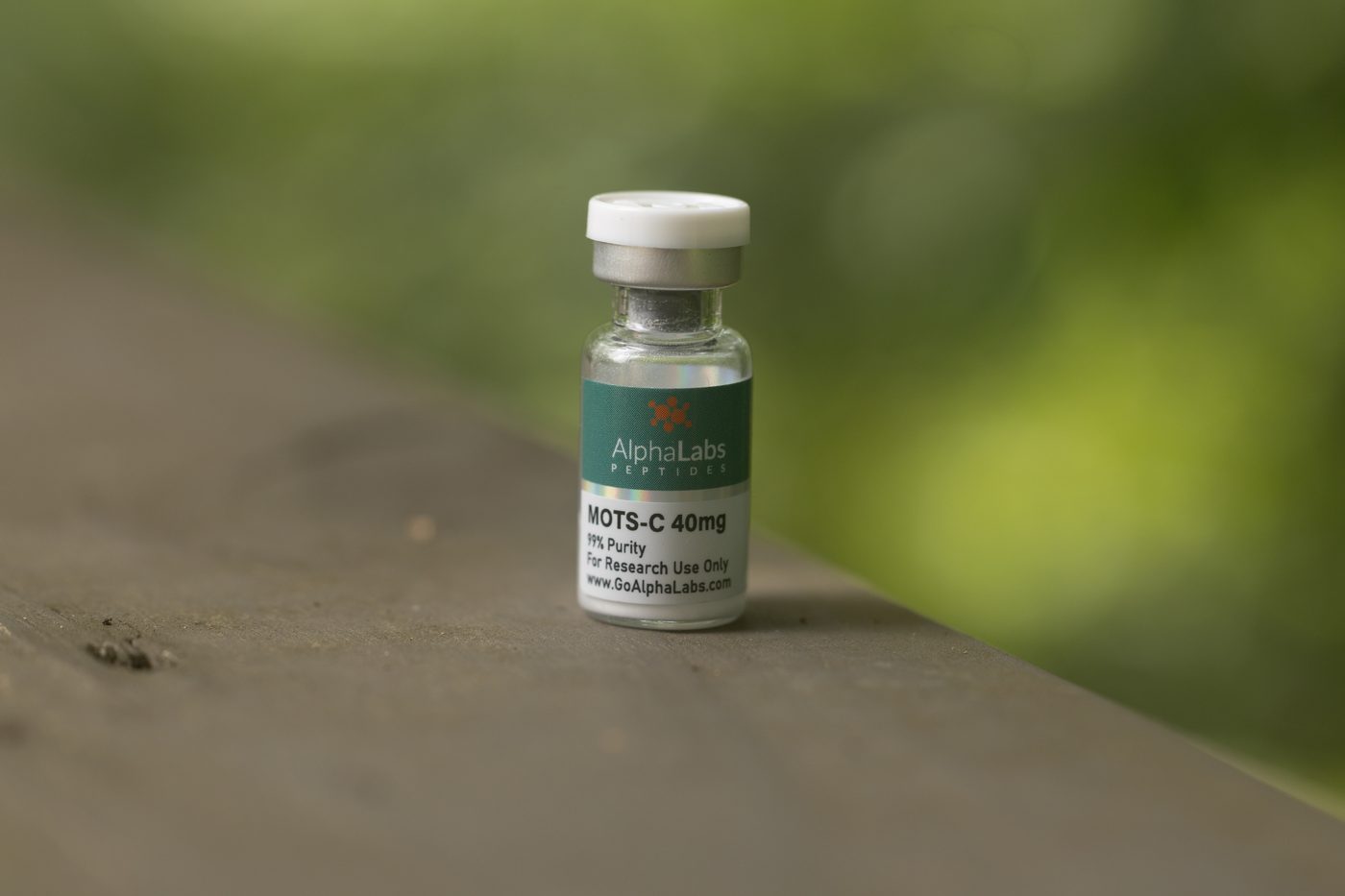
In practice, I’ve seen injury and post-op protocols that sequence peptides. The healing peptides early, for cell migration and blood flow, then the growth-hormone secretagogues later, for tissue maturation. That’s the protocol I used myself, and so did many of my patients. The results were fantastic – but that phrase, “were fantastic,” is exactly the problem. It’s anecdote, not true data. One caveat for competitive athletes: essentially all these regenerative peptides are banned by the World Anti-Doping Agency, so collegiate and pro athletes can’t touch them. The rest of us can but the ground is shifting under our feet.
The rules of the road (and why they keep changing)
Most of these peptides are made by compounding pharmacies, which means you need a prescription. To understand the headlines, it helps to know there are really three rungs on a ladder, and the news constantly treats them as one.
Rung one was an interim categorical (three categories) holding pattern the FDA used while it sorted through nominated substances – a “we won’t come after you while we decide” status is Category 1. Rung two is the real, permanent destination: the “503A bulks list,” the official roster of substances compounding pharmacies are actually allowed to use. And rung three is full FDA approval — the gold standard, requiring a New Drug Application and Phase 1, 2, and 3 human trials, at a cost of hundreds of millions of dollars and many years.
Now the saga. Most of these peptides were nominated around 2015, then sat in limbo for years neither blessed by being put category 1 or on the bulks list but also neither banned. Then in September 2023, the FDA dropped roughly 19 peptides into its “do not compound” category 2 list; some sellers pivoted to “research use only,” a loophole that skips the prescription. However independent labs testing those products found wrong doses, poor purity, and contaminants. Then the winds shifted. In early 2026, HHS Secretary Robert F. Kennedy Jr. – a self-described “big fan” who says he’s used peptides on his own injuries – pushed the FDA to reconsider. In April 2026 the agency pulled about a dozen back out of the banned category 2 (not legal, just back to limbo) and scheduled its Pharmacy Compounding Advisory Committee (PCAC) to review seven.
So what happened?
The committee met on July 23 and 24, 2026 — and in a series of close votes, it recommended six of the seven peptides for the 503A bulks list, including BPC-157 and TB-500. Here’s the part that captures the whole strange moment: the committee overruled the FDA’s own scientists, who had already reviewed the evidence and recommended against all seven, saying the safety and effectiveness data simply wasn’t there.
How does that happen? Picture four sets of hands on the same wheel. The FDA’s career scientists said no. The advisory committee just voted yes. The FDA asks that committee for advice, hands it the scientists’ analysis, and then isn’t bound by either one. And above all of it sits Secretary Kennedy, who oversees the FDA, started this reconsideration, and has already announced which answer he wants.
So is it settled? Not remotely. A committee recommendation is just that – a recommendation. For these peptides to actually become legal to compound, the FDA still has to complete formal rulemaking, a process that realistically runs into 2027 and requires the Secretary’s sign-off. Nothing is legal to compound today that wasn’t legal prior to the PCAC vote. And the story isn’t over: a second PCAC meeting to consider five more peptides is expected in February 2027. The honest answer to “are these legal?” remains “ask again in a few months.”
The bottom line
The landscape, in short, is clear as mud, and patients and providers are stuck in the middle. A few peptides are solidly FDA-approved – the GLP-1s, tesamorelin, and sermorelin among them – but many live in the gray. If you’re curious, find a practitioner who actually knows this space and will talk it through with you. And if you find peptides online that are suspiciously cheap, remember the oldest rule there is: when something seems too good to be true, it usually is. Don’t gamble with your health.
Because here’s the real bottom line: there is no magic bullet. Nothing substitutes for proper nutrition, consistent sleep, and regular exercise in all its forms. Even the GLP-1s surrender their gains to weight rebound if the behaviors don’t change, and without strength training they can cost you real muscle. I believe the regenerative peptides can genuinely improve healing – but only once those other boxes are checked. I’m glad we’re seeing a broad push toward better health and real curiosity about how peptides might help. Now we need the data to guide it – and that’s exactly what we hope to build with OPEN.

Comments are closed.